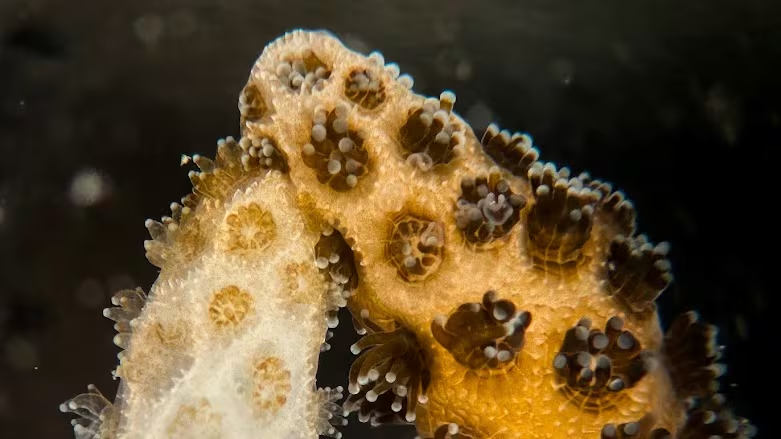
最好的良药或许就是“接触”的力量。加利福尼亚州斯坦福大学的科学家们在实验室里偶然发现了一个充满希望的现象:一块白化的珊瑚碎片和一块健康的珊瑚碎片在水箱里翻倒并接触在了一起。
The best medicine for a dying coral may be the power of touch. Scientists at Stanford University in California stumbled on a promising discovery when two coral fragments in the lab — one bleached and one healthy — tipped over in a tank and touched.
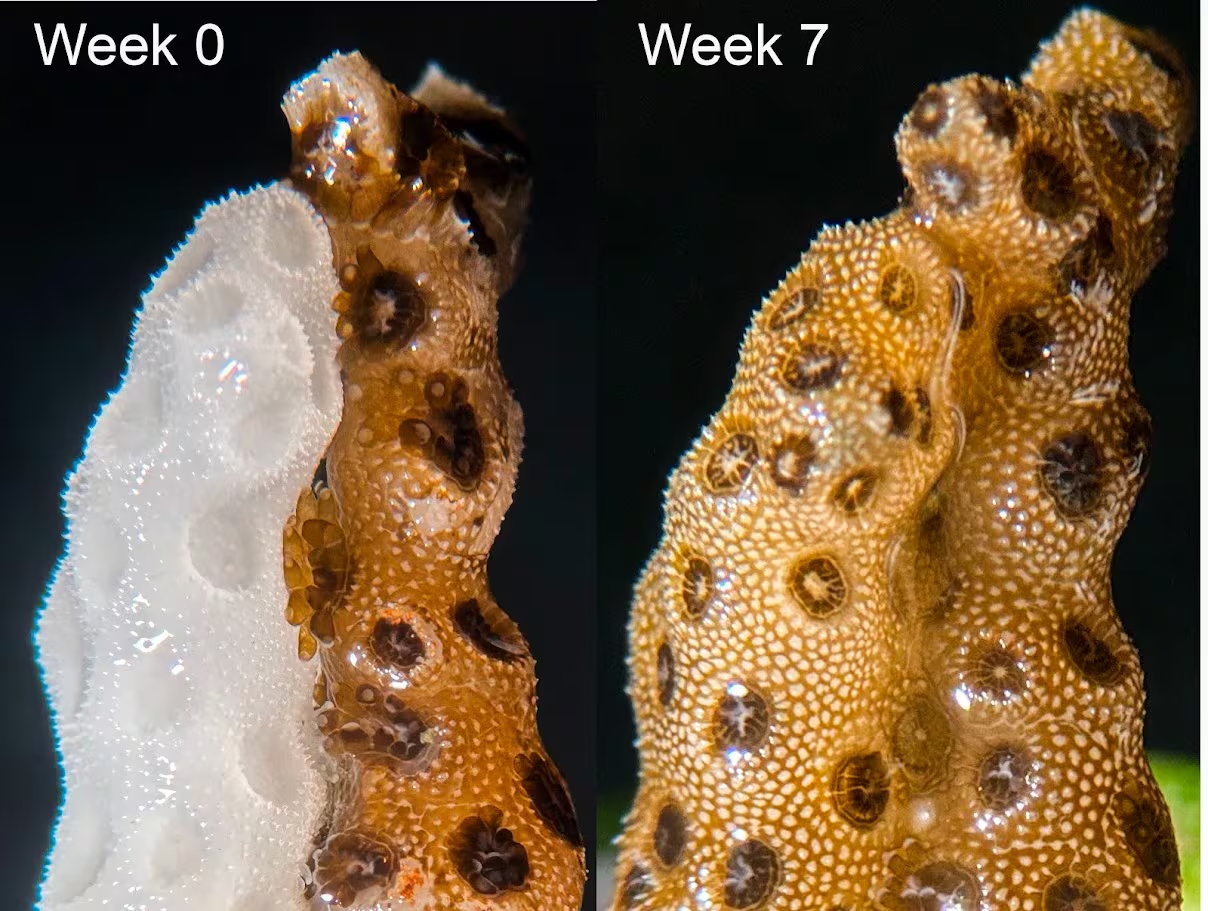
“我们看着健康的珊瑚把那些色彩斑斓的有益藻类输送给白化的珊瑚,并看着它的颜色基本上在我们眼前恢复了,”海洋科学家丹尼·柯林斯告诉代理主持人戴夫·塞格林斯。
"We watched the healthy coral send over these colourful beneficial algae over to the bleached corals, and we watched its colour restore basically in front of our eyes," ocean scientist Danny Collins told guest host Dave Seglins.
他说,在短短几周内,这块濒死的珊瑚已经恢复“到了无法与健康珊瑚区分的地步”。
Within a couple weeks, he says, the dying coral had recovered "to the point where it was indistinguishable from the healthy coral."
“我们惊呆了,”柯林斯说。“这似乎确实为珊瑚礁修复打开了一扇可能性之门。” 本月发表在期刊上的这一发现,在世界珊瑚礁面临迫在眉睫的崩溃之际,带来了新的希望。
"We were blown away," Collins said. "It does seem like this could open a door to possible reef restoration." The findings, published this month in the journal brings new hope at a time when the world's coral reefs are facing imminent collapse.
但研究人员警告,目前这些发现仅限于实验室环境,任何修复珊瑚的努力都必须与保护珊瑚的努力相结合。
But researchers caution the findings are limited to lab settings for now and that any efforts to restore coral must be paired with efforts to protect them.
《随时发生》 科学家将濒死珊瑚放在健康珊瑚旁,目睹其在眼前愈合 健康的珊瑚礁生态系统是绚丽色彩的爆发。
As It Happens Scientists put a dying coral next to a healthy one, and watched it heal before their eyes Healthy coral reef ecosystems are explosions of bright colour.

但柯林斯说,这些颜色并非来自珊瑚本身,而是来自有益藻类,它们通过光合作用被吸收进珊瑚组织并提供营养。
But that colour doesn't come from the corals themselves, Collins said. Instead, it comes from beneficial algae, which are absorbed into the coral's tissues through photosynthesis and provide nutrition.
“珊瑚提供栖所,这些藻类提供食物。这种关系真正是珊瑚礁生态系统能如此高产的基石,”柯林斯说。
"The coral provides the housing and these algae provide the food. And this relationship really is the bedrock for why coral reefs ecosystems can be so productive," Collins said.
“但随着水温升高,双方都会受到压力。结果,这些有益藻类开始产生珊瑚不太喜欢的毒素。作为一种令人着迷的反应,珊瑚会把……藻类从组织中踢出去。” 这使得珊瑚变白、挨饿、濒临死亡,这种现象被称为珊瑚白化。
"But as the water gets warmer, they both get stressed out. And as a result, these beneficial algae start to produce toxins that the coral doesn't really like. And in a kind of fascinating response, it kicks … the algae out of its tissues." That leaves corals whitened, starving and on the brink of death, a phenomenon known as coral bleaching.
“我们已经证明,你知道,它们并没有死。不仅没有死,它们还拥有非凡的能力和潜力,能够迅速恢复,”柯林斯说。
"We've demonstrated that, you know, they aren't dead. And not only are they not dead, they've got a remarkable capacity and potential to rapidly recover," Collins said.
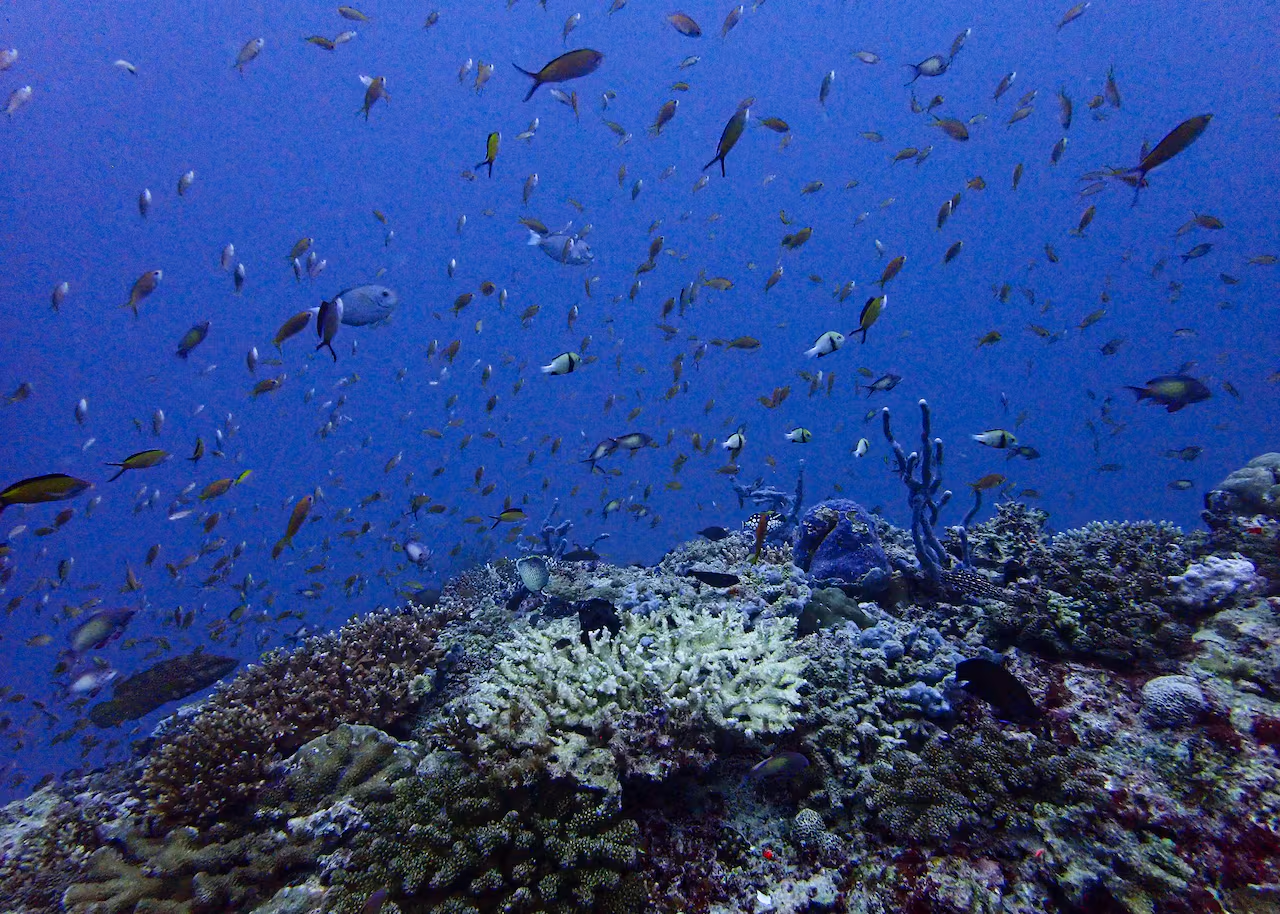
仅对基因相关的珊瑚有效 但这并不意味着珊瑚白化问题已经解决,柯林斯说。这些实验存在局限性。
Only works with genetically related corals But this doesn't mean the problem of coral bleaching is solved, says Collins. The experiments have limitations.
首先,必须有直接接触。当团队将珊瑚碎片相隔几毫米放置时,没有任何效果。
For one, there has to be direct contact. When the team put the coral fragments a few millimetres apart, there was no effect.
“这听起来有点像科幻小说,但健康珊瑚和白化珊瑚的组织实际上融合在了一起,”他说。“它们形成了一座组织桥梁,有点像营养高速公路,让健康珊瑚能够将营养物质和这种色彩斑斓的藻类输送给白化珊瑚。”此外,这仅对基因完全相同的珊瑚有效。
"It kind of sounds science fiction-esque, but the healthy coral and the bleach coral, their tissues actually fuse together," he said. "They create a tissue bridge that kind of acts as a nutrient highway that allows for the healthy coral to then send over nutrients and this colourful algae over to the bleached coral." What's more, it only works with genetically identical corals.
“当我们将它们与不同基因背景的珊瑚放在一起时,我们发现实际上发生了一种迷人的免疫和拮抗反应,珊瑚实际上会相互排斥,这类似于人体可能会排斥器官捐赠者或器官移植,”柯林斯说。
"When we put them with different genetic backgrounds, what we found was actually a fascinating immune and antagonistic response, where the corals actually rejected each other, similar to an organ donor or an organ transplant might be rejected in someone's body," Collins said.
他说,这是因为珊瑚是一种“群体动物”——由数千到数百万个水母体组成的活体生物。
He says that's because it’s a "colonial animal" — a living organism made of thousands to millions of polyps.
“当基因背景相同的珊瑚相互接触时,它们会相互识别,并实际上能够融合,”他说。
"When corals of the same genetic background come in contact with each other, they recognize each other and actually can infuse," he said.
“在珊瑚礁上能够融合实际上是有益的,因为如果你身处巨浪中,身体的一部分被打断了,你可以重新与自己连接起来。” 国际自然保护联盟周四在阿尔巴尼亚举行的联合国生物多样性大会期间宣布,全球约96%的浅水珊瑚礁系统处于极度濒危状态,可能在2075年前消失。
"It's actually beneficial on a reef that you can have fusion, because if you're in a big wave and part of you gets knocked off, you can then kind of reconnect with yourself." About 96 per cent of the world's shallow-water reef systems are critically endangered and could disappear by 2075, the International Union for Conservation of Nature announced on the sidelines of a UN biodiversity conference in Albania on Thursday.
报告指出,这将对生物多样性、旅游业和渔业产生连锁影响,因为珊瑚礁是支持所有海洋物种四分之一到三分之一的生态系统。“一线曙光”斯坦福大学的这项研究是一连串坏消息中的“一线曙光”,未参与该研究的珊瑚科学家朱莉娅·科尔(Julia Cole)表示。
This will have ripple effects for biodiversity, tourism and fisheries, the report notes, as coral reefs are ecosystems that support between a quarter and a third of all marine species. 'Glimmer of light' The Stanford research is a "glimmer of light" in a wave of bad news, says coral scientist Julia Cole, who was not involved in the study.
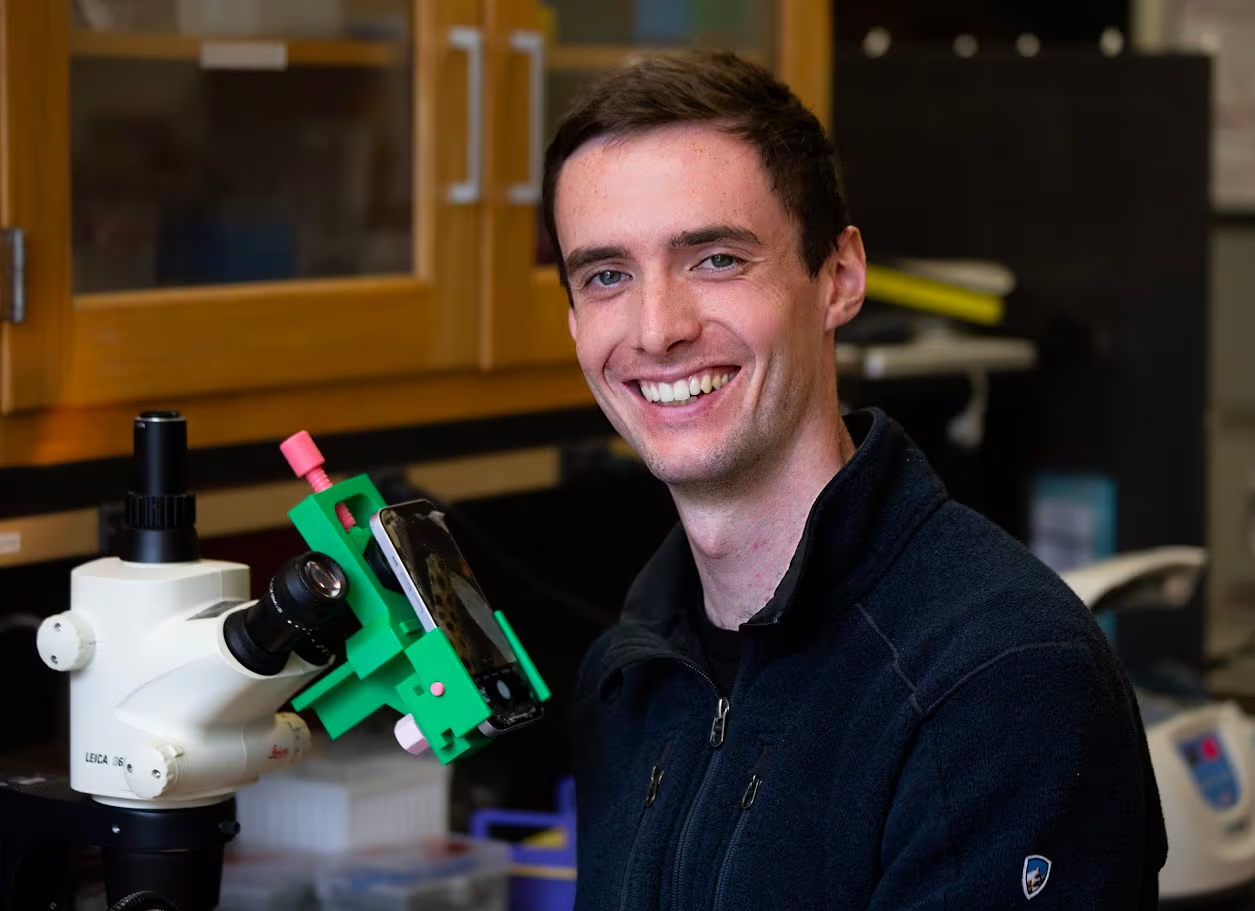
“我觉得这非常令人振奋,”担任密歇根大学地球与环境科学系主任的科尔说。“大自然有时总能给我们惊喜。”但她也提醒,仍有障碍需要克服。
"I think it's super exciting," said Cole, chair of the Department of Earth and Environmental Sciences at the University of Michigan. "The natural world can just surprise us sometimes." But she cautions there are hurdles to overcome.
“如果你考虑到珊瑚礁的规模以公里计,最大的珊瑚礁甚至达数千公里……一种需要珊瑚与珊瑚直接接触的方法,将是一个极其繁琐且令人望而生畏的工程。”科林斯表示,他的团队正在研究从健康珊瑚礁中提取藻类、在实验室培养,并利用它来保护面临白化风险的珊瑚礁。
"If you think about the scale of reefs as kilometres, or in the case of the biggest reefs, thousands of kilometres ... something that requires coral-to-coral contact, it would be a very meticulous and kind of overwhelming project." Collins says his team is working on ways to extract algae from healthy reefs, culture it in labs, and use it to protect at-risk reefs from expected bleaching events.
“我们希望在不久的将来能有一些干预措施,真正具备现场部署的可能性,并有望大规模推广,”他说。
"We hope in the near future we can have some interventions that actually could be field deployable and possibly scalable," he said.
近半个世纪的数据显示珊瑚在全球范围内衰退 科学家确定最顽强珊瑚分布地,给珊瑚礁带来好消息 即使能治愈白化珊瑚,科尔表示海洋变暖仍构成威胁。
Corals in decline globally, nearly half a century of data shows In good news for coral reefs, scientists identify where the toughest ones are Even if we can heal the bleached coral, Cole says warming oceans remain a threat.
“我们知道如何解决导致这些问题的气候变暖,”她说。“这归根结底要认真减少温室气体排放,摆脱化石燃料依赖,向清洁能源经济转型。”
"We know how to solve the warming climate that's causing these problems," she said. "It comes back to getting serious about reducing greenhouse gas emissions, getting off of fossil fuels and transitioning to a clean-energy economy."