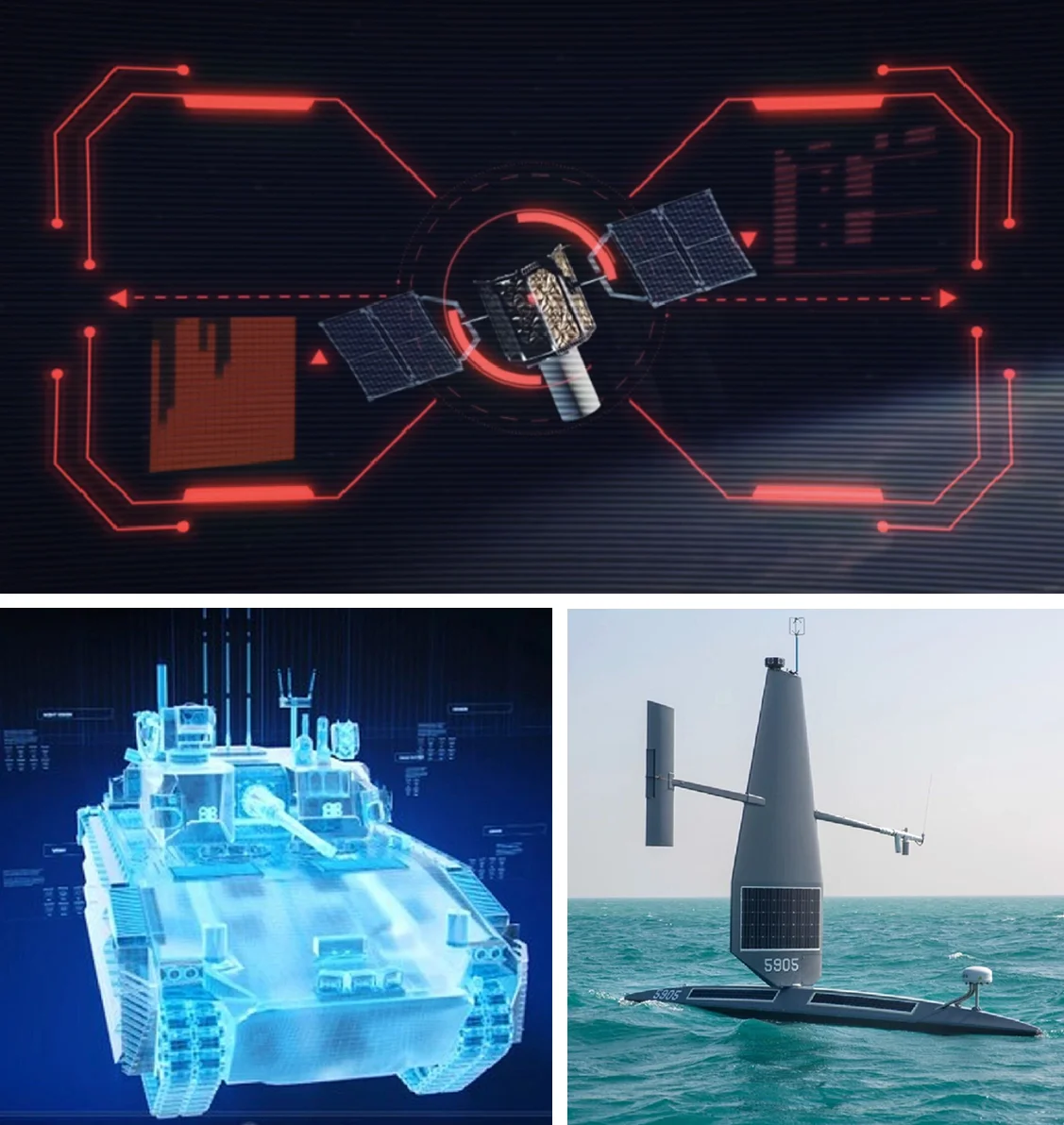
五角大楼接受美国政府问责局(GAO)调查的三个项目,分别涉及反伪装武器(上图)和目标识别武器(下图)。
Three of the Pentagon projects surveyed by GAO included weapons for counter-camouflage (upper image) and target recognition (lower images).
美国政府问责局/GAO 根据国会监督机构于10月发布的一份报告,五角大楼正在研发具备人工智能能力的武器和项目,但官员表示,这些项目并不总是严格遵循该机构自身的AI准则。
Government Accountability Office/GAO The Pentagon is building weapons and projects with artificial intelligence capabilities that officials say don't always closely adhere to the agency's own guidelines for AI, according to a congressional watchdog report published in October.
AI研究人员和国际组织长期以来一直主张,当AI用于可能变得不可预测、或在极少人类控制下运行的武器时,应实施严格监管。他们辩称,这些工具可能危及军人和平民的生命,并有导致战争迅速升级的风险。但国防部长皮特·赫格塞斯多次驳回此前对AI工具的谨慎态度,并鼓励五角大楼加快自主创新步伐。
AI researchers and international organizations have long advocated for strict regulation of AI when used in weapons that could become unpredictable or function with little human control, arguing that those tools could endanger the lives of soldiers and civilians and risk quickly escalating wars. But Defense Secretary Pete Hegseth has repeatedly dismissed previous caution of AI tools and encouraged rapid autonomous innovation at the Pentagon.
五角大楼于1月发布备忘录称,该部门将成为“从前线到后方、全方位的‘AI优先’作战部队”。上个月,赫格塞斯宣布成立一个专注于自主武器研发(包括无人机)的新作战指挥部。
The Pentagon issued a memo in January saying the department would become "an 'AI-first' warfighting force across all components, from front to back." Last month, Hegseth announced a new warfare command focused on autonomous weapon development, including drones.
2026年10月14日,国防部长皮特·赫格塞斯在华盛顿特区举行的陆军年度会议上登台参加讨论。
Secretary of Defense Pete Hegseth arrives on stage for a discussion during an annual Army meeting on October 14, 2026 in Washington, DC.
Kevin Dietsch/Getty Images North America 这份由美国政府问责局于10月14日发布的监督报告,难得地展示了此类项目的开发内情。
Kevin Dietsch/Getty Images North America The watchdog report, published by the U.S. Government Accountability Office on Oct. 14, grants a rare look inside how those kinds of projects are being developed.

问责局调查了参与为五角大楼建设10款AI武器和工具的10名官员。这些武器和工具利用AI在战场上自动识别目标、处理监控情报和改进战术决策等。这些项目是五角大楼正在利用AI建设的众多项目之一。
The GAO surveyed 10 officials involved with building 10 weapons and tools for the Pentagon that use AI to automatically identify targets on the battlefield, process surveillance and improve tactical decision making, and other tasks. The projects are among more than being built with AI in the Pentagon.
在回复政府问责局(GAO)调查时,10名官员中有6人表示,他们的团队已“识别出风险”,涉及在“作战环境”中使用这些项目。
When responding to the GAO survey, six of the 10 officials said their teams had "identified risk(s)" with using the projects "in an operational environment."
为应对此类风险,五角大楼于2021年发布了一份备忘录,列出了六项基本原则,以确保利用人工智能构建的武器能够负责任地开发。这六项准则主要强调五角大楼层面的监督、验证和“实时监控”该技术的重要性,以及与盟友合作“推动建立植根于共同价值观的全球规范”。主导政府问责局此次审查的Alissa Czyz表示,这些原则源自早期的伦理准则,虽然它们不是强制性规定,但参与五角大楼人工智能工具构建的人员都理解其重要性。
To address some of those sorts of risks, in 2021, the Pentagon sent a memo outlining six basic tenets to ensure that weapons built with AI are created responsibly. Those six guidelines mainly stress the importance of Pentagon-wide oversight, verification and "real-time monitoring" of the technology, and cooperation with allies "to advance global norms grounded in shared values." Alissa Czyz, who directed the GAO review, said the tenets evolved from earlier ethical principles, and while they weren't rules, they were understood to be important by people involved with building AI tools at the Pentagon.
Czyz说:“归根结底这是一份备忘录,所以它不是部门指令。这是部门发出的、本应予以落实的信号。”根据报告,参与制作政府问责局审查的这10款武器和项目的大多数人员已采取“至少初步措施”遵循备忘录中列出的六项原则,Czyz澄清称,其中一些项目处于早期阶段。但部分回复显示,官员们并不总是严格遵循这些准则。
"It's a memo, right, at the end of the day, so it's not a department instruction," said Czyz. "It's something that the department has signaled that should be implemented." Most of the people involved with making the 10 weapons and projects reviewed by GAO had taken "at least initial steps" to follow the six tenets outlined in the memo, according to the report, and some of the projects were in early stages, Czyz clarified.
四名官员告诉政府问责局,他们正在从事的武器和项目的需求与“负责任的人工智能原则”“不一致”。而在10名官员中,有3人告诉政府问责局,他们“不知情”这些项目在部署后是否会持续接受监控,尽管这六项原则鼓励进行监控。
But some of the responses indicated officials weren't always closely following the guidelines.
官员们告诉政府问责局,如果能更多地获得关于该机构指导方针的专业知识,或接触到了解这些指导方针的工作人员,将增强他们负责任地融合人工智能的能力。但负责协助管理五角大楼指导方针教育的团队——负责任人工智能司——人手不足。报告指出,尽管该团队在2023年获授权招聘10人,但截至2月,这10个职位仅有3个被填补,且五角大楼“不太可能填补空缺职位或增加人员配备”。
Four officials told the GAO that requirements for the weapons and projects they were working on weren't "aligned with Responsible AI tenets." And three of the 10 officials told the GAO they "don't know" if the projects will be continuously monitored after they're deployed, though the six tenets encourage monitoring.
齐兹表示:“这么少的人肩负着整个部门负责任人工智能的重大责任。”
Officials told the GAO that more access to expertise about the agency's guidelines or staff who know about them would increase their ability to incorporate AI responsibly. But the group that helps manage education on the Pentagon's guidelines, the Department of the Responsible AI Division, is understaffed. Although the group was authorized to hire 10 people in 2023, as of February, only three of those positions were filled and the Pentagon "is unlikely to fill vacant positions or increase staffing," the report states.
政府问责局提出了两项建议:五角大楼应更明确地界定负责监督人工智能监管的办公室的职责和会议时间表,并解决人员不足问题。尽管五角大楼同意这些建议,但政府问责局的一名代表向美国国家公共电台确认,截至10月22日,该机构尚未实施这些变更。
"That's a very small number of folks tasked with a large responsibility of responsible AI throughout the department," said Czyz.
美国国家公共电台询问五角大楼何时计划做出这些改变,但未收到回复。
The GAO issued two recommendations: The Pentagon should more clearly outline the responsibilities and meeting schedules of the office charged with overseeing AI regulation, and address understaffing. Although the Pentagon agreed with those recommendations, as of Oct. 22, the agency had not implemented those changes, a GAO representative confirmed to NPR.
赫格塞斯1月在SpaceX发表演讲时表示,他认为五角大楼的人工智能开发不应因这类步骤而放缓。
NPR asked the Pentagon when it planned to make those changes, but did not receive a response.
赫格塞斯说:“我们的企业目前运行在以月和年计算的人员配备和委员会周期上,这是不可接受的。在可预见的未来,军事人工智能将是一场竞赛,行动过慢对美国国家安全的风险超过了不完美协调的影响。”
When delivering a speech at SpaceX in January, Hegseth indicated he believed AI development at the Pentagon should not be slowed by those sorts of steps.
美国国家公共电台希望听到更多在联邦机构或人工智能公司工作、并掌握机构如何使用人工智能信息的人士的声音。您可以通过电子邮件 ceisner@npr.org 联系本文记者基亚拉·艾斯纳,或通过Signal联系她,用户名为 ceis.78。
"Our enterprise currently operates on staffing and committee cycles measured in months and years, and that's unacceptable," said Hegseth. "Military AI is going to be a race for the foreseeable future where the risks to U.S. national security of moving too slowly outweigh the impacts of imperfect alignment." NPR would like to hear from more people who work with federal agencies or AI companies and have information to share about how agencies are using AI. You can email the reporter of this article, Chiara Eisner, at ceisner@npr.org or contact her on Signal here username ceis.78.