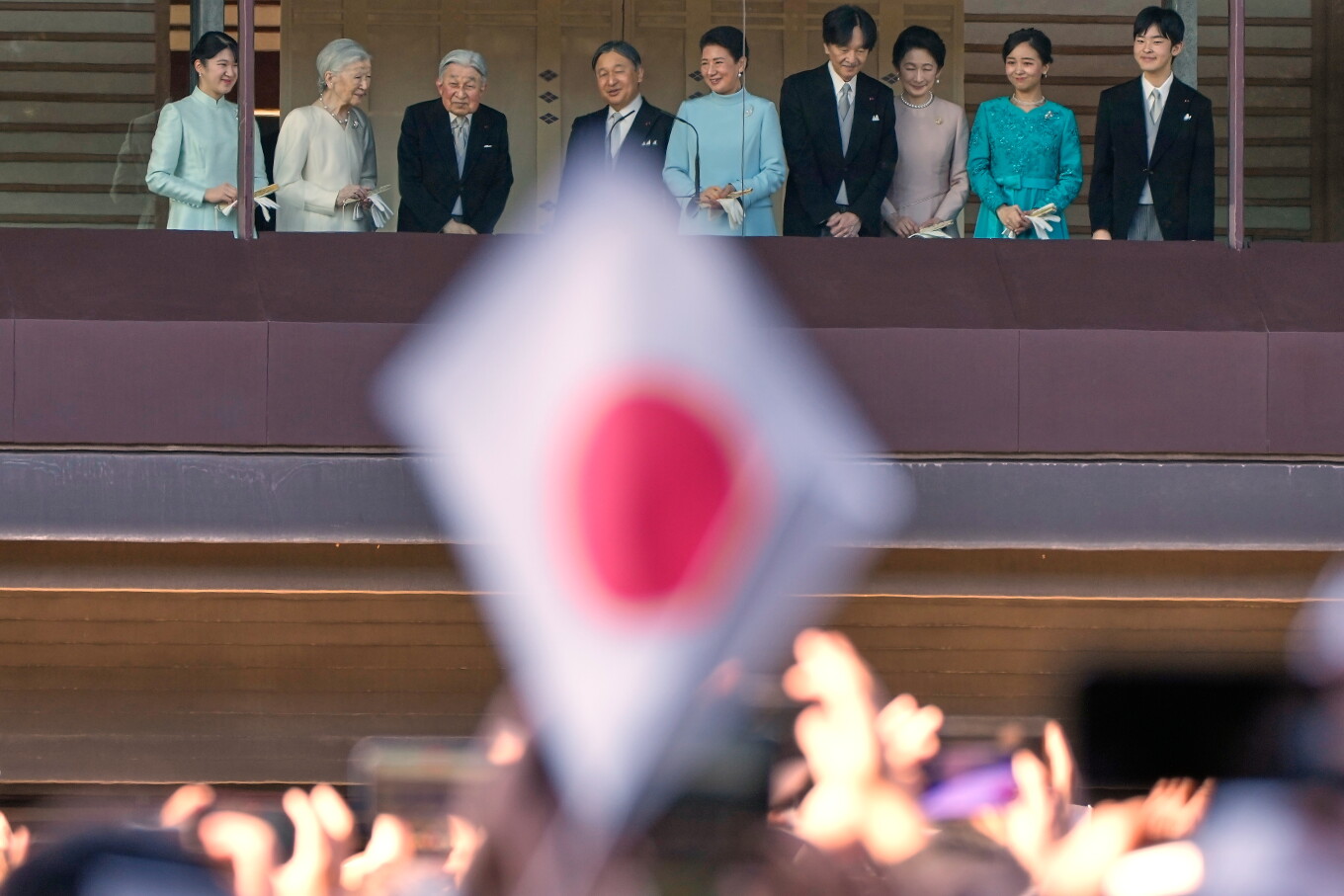
美联社东京电——日本对《皇室典范》进行的不受欢迎的修改于周六正式生效,这些修改强化了仅限男性继承的规则。新规则预计将给拥有1500年历史的日本君主制带来历史性变化。
MARI YAMAGUCHI TOKYO — Japan’s unpopular revisions to the Imperial House Law that reinforce the male-only succession rules took effect Saturday. The new rules are expected to bring historic changes to Japan’s 1,500-year-old monarchy.
这些改变包括允许收养在平民环境中抚养长大的远亲男性后代使其成为皇室成员并繁衍未来的继承人,并允许公主在与平民结婚后保留皇室身份。
The changes include allowing the adoption of distant male relatives raised as commoners to become royals and father future heirs, and letting princesses keep their royal status after marrying commoners.
但修改后的法律禁止德仁天皇备受民众喜爱的24岁女儿爱子公主成为其继承人,甚至禁止她未来可能生育的孩子成为皇室成员。
But the revised law bars Emperor Naruhito ‘s hugely popular daughter Princess Aiko , 24, from becoming his successor, and her future possible children from even becoming royals.
批评人士表示,这些修改歧视了基于家庭背景或性别的人群,并给年轻皇室成员带来了生育男性后代的压力。日本宫内厅表示,官员们正在研究如何实施这些措施。
Critics say the revisions discriminate against people based on their family background or gender and put pressure on younger members of the royal family to produce male offspring. The Imperial Household Agency has said officials are studying how to implement the measures.
仅限男性继承的规则意味着继承顺序必须转向天皇的弟弟秋筿宫,然后是其20.岁的侄子悠仁亲王。排在他之后的下一个继承人是天皇90岁的叔叔。
The male-only succession rule means the line must move to the emperor’s younger brother Akishino , then to his 20-year-old nephew Prince Hisahito . Next in line after him is the emperor’s 90-year-old uncle.
修改后的法律允许将远支皇室血统中15岁或以上的未婚男性后代——但仅限于父系血统——收养到一个皇室支系中。
The revised law allows adoption of unmarried male descendants, aged 15 or older, of distant imperial relatives — but only of paternal lineage — into a branch of the royal family.
该计划是从1947年放弃皇室身份的家族中寻找候选人,当时此举是为了减轻战后君主制的财政负担。官员表示,当时放弃身份的11个家族中有4个家族至今仍然存在,但在600年前分家后,他们与德仁天皇共同的父系祖先之间至少隔了36代。
The plan is to find candidates from families that renounced their royal status in 1947, which at the time was to ease the postwar financial burden on the monarchy. Four of the 11 such families remain, but they are at least 36 generations removed from Naruhito after splitting from a common male-line ancestor 600 years ago, officials said.
政府为确保男性皇室成员能够生育男性天皇所做出的努力引发了批评。
The government efforts to make sure that male royals are producing male emperors have triggered criticisms.
保守派学者称有许多候选人,但到目前为止没有人站出来,许多人对是否有人会自愿参加持怀疑态度。专家们也对遴选过程缺乏透明度提出了质疑。
Conservative scholars say there are a number of candidates, but so far nobody has come forward and many are skeptical if anyone will volunteer. Experts also raise questions about the lack of transparency in the selection process.
此前,与平民结婚的公主必须放弃皇室身份并离开皇室。最近一个这样做的人是德仁的两个侄女之一真子,虽然她是自愿的,但她在2021年与大学男友结婚,并已移居美国,她的丈夫在那里成为了一名律师。
Previously, princesses who marry a commoner had to renounce their royal status and leave the royal family. The last one who did so, though willingly, was Mako , one of two nieces of Naruhito, who married her college boyfriend in 2021 and has moved to the U.S. where he became a lawyer.
包括爱子和31岁的堂姐佳子在内的5名未婚公主现在可以在结婚时选择是否继续留在皇室。
Five single princesses, including Aiko and her cousin, Kako , 31, can now choose whether to remain as royals if they marry.
此举旨在防止女性皇室成员离开,随着皇室血统的老龄化和减少,允许她们继续工作并在公务中提供协助。
The change is intended to keep female royals from leaving, allowing them to pursue their work and help in official duties as the imperial lineage ages and declines.
但专家表示,其效果将是有限的,因为该法律并未赋予她们未来的丈夫和孩子皇室身份。
But experts say the effect will be limited because the law does not give royal status to their future husbands and children.
这一举措引发了许多问题和担忧。其中包括婚礼仪式、公主婚后应居住在哪里,以及丈夫或孩子是否可以陪同公主执行公务。专家表示,他们最关心的问题是,平民丈夫及其孩子的某些公民权利可能会像皇室成员一样受到限制。
The measure raises many questions and concerns. They include wedding rituals, where the princesses should live after marriage, and whether husbands or children can accompany princesses on official duties. Experts say their main concern is a possibility that some civil rights of commoner husbands and their children could be restricted as with the royals.
名古屋大学教授、君主制专家河西秀哉表示,剥夺丈夫和孩子的皇室身份显然是试图阻止母系继承。“我们会发现各种前后矛盾的问题。”除了一家主流报纸外,其余所有主流报纸都对这些修改进行了批评,媒体民调显示,绝大多数公众支持女性天皇或母系继承。
Barring husbands and children from having royal status is clearly an attempt to prevent maternal-line succession, said Hideya Kawanishi, a Nagoya University professor and expert on monarchy. “We will find all kinds of issues that are incoherent.”All but one mainstream newspaper have criticized the revisions, and media surveys show a large majority of the public support female monarchs or maternal-line succession.
曾创作政治漫画并支持女性天皇及母系继承的有影响力的漫画家小林善纪称修改后的法律违宪,并准备对政府提起诉讼。
Influential cartoonist Yoshinori Kobayashi, who has written political comics and supports female monarchs and maternal-line succession, calls the revised law unconstitutional and is set to file a lawsuit against the government.
日本民众在很大程度上是由喜爱爱子或反对父系继承的保守派组成,他们在最近几周走上了街头,这一运动正在发展壮大。
Japanese people, largely conservatives who are fans of Aiko or oppose the male-line succession, have taken to the streets in recent weeks and their movement is growing.
10月早些时候,数百人在东京市中心游行,为爱子的继承权展开竞选活动,并要求对法律进行再次修改。“爱子殿下为皇太子!”他们高呼道。
Earlier in October, hundreds of people marched in downtown Tokyo to campaign for Aiko’s succession rights and ask for another revision to the law. “Aiko-sama for crown prince!” they chanted.