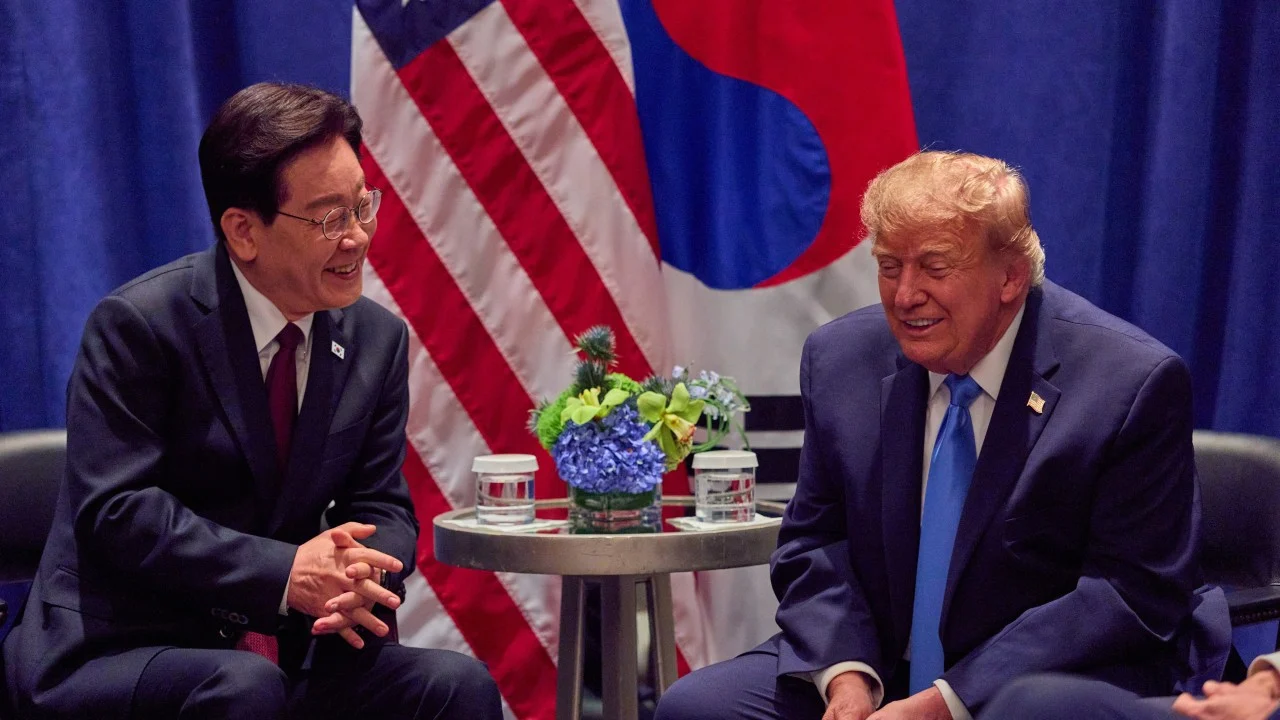
首尔所感受到的焦虑显而易见。在美方施压下,韩国去年11月签署了一项3500亿美元的投资协议,以换取10个百分点的关税削减,并将其标榜为战略同盟。然而仅仅一年之后,这层表象就已瓦解。
The anxiety gripping Seoul is palpable. Under US pressure, South Korea signed a US$350 billion investment deal last November for a 10-percentage-point tariff reduction, billing it as a strategic alliance. Barely a year on, the facade has crumbled.
上个月,美国总统唐纳德·特朗普宣布了该协议中价值2000亿美元的一个分期投资,当时并无韩国官员在场。首尔在错愕之余,重申了其“商业可行性”条款。特朗普的回应则毫不客气。“如果他们不想做,我也没意见。我只会向他们征收更多关税,”他对记者表示。“告诉他们,如果他们不尽快签字,我就会把金额翻倍。”
Last month, US President Donald Trump announced a US$200 billion tranche of the deal with no South Korean official present. Blindsided, Seoul restated its “commercial viability” clause. Trump’s response was blunt. “If they don’t want to do it, that’s OK with me. I’ll just charge them more,” he told reporters. “Tell them if they don’t sign shortly, I’m going to double it up.”
对韩国而言,这些数字令人清醒:3500亿美元占其年度国内生产总值的18%。即便其中很大一部分是通过贷款、担保和企业支出渠道投入,这也可能给韩元带来上行压力,挤压国内投资,并在项目表现不佳时引发政治风险。
For South Korea, the numbers are sobering: US$350 billion represents 18 per cent of its annual gross domestic product. Even if much of it is channelled through loans, guarantees and corporate outlays, it risks upward pressure on the won, crowding out domestic investment and political exposure if projects underperform.
这一插曲为所有试图安抚华盛顿的依赖贸易经济体提供了三个教训。
The episode offers three lessons for every trade-reliant economy tempted to placate Washington.
第一个教训是,绥靖绝非策略——它只会招致更多的剥削。首尔的承诺中包含一项条款,要求投资必须“在商业上合理”。特朗普宣布的阿拉斯加液化天然气项目早在2016年就被私人投资者放弃,如今却被包装成了一个有韩国资金注入的既成事实。
The first is that appeasement is no strategy – it only invites more exploitation. Seoul’s pledge includes a clause requiring that the investments be “commercially reasonable”. The Alaska liquefied natural gas project in Trump’s announcement was abandoned by private investors in 2016, yet it is now presented as a done deal with Korean funding.
这种模式不仅限于韩国。特朗普在全球范围内已逼迫各方做出总计约5万亿美元的投资承诺。本月早些时候,他威胁要对背信弃约、未能兑现对美投资承诺的国家征收高达300%的关税。
This pattern extends beyond South Korea. Trump has extracted an estimated US$5 trillion in investment pledges globally. Earlier this month, he threatened up to 300 per cent tariffs on nations reneging on their US investment pledges.
至关重要的是,许多美方威胁似乎只是虚张声势。在威胁对巴西实施“301条款”关税后,华盛顿于7月宣布征收25%的关税,但来自巴西的三分之二商品获得了豁免。今年宣布的对医药产品征收100%的关税则是分阶段实施的,并且漏洞百出,为包括印度在内的20个司法管辖区提供了豁免。为什么?因为极端的税率会威胁到美国的消费价格、供应链以及政治反噬。
Crucially, many US threats appear to be bluffs. After threatening Brazil with Section 301 tariffs, Washington declared in July a 25 per cent levy, but two-thirds of goods from Brazil are exempted. The 100 per cent tariff on pharmaceutical products announced this year is phased and riddled with carve-outs for 20 jurisdictions including India. Why? Because extreme rates threaten US consumer prices, supply chains and a political blowback.
惊慌失措的应对代价高昂。如果美国的贸易伙伴们选择严肃谈判而非仓促交易,并且如果谈判一直拖延到最高法院2月份推翻特朗普的“对等关税”之时,他们还会交出如此离谱的让步吗?
A panicked response can be costly. If US trading partners had chosen serious negotiations over hasty deals, and if talks had dragged on until the Supreme Court’s February strike-down of Trump’s “reciprocal tariffs”, would they still have handed over such egregious concessions?
第二个教训是,依赖本身就是一个故障点。韩国的困境源于双重枷锁:美国的安全保护伞和市场准入。这赋予了美国地缘杠杆。
Lesson two is that dependence itself is a point of failure. South Korea’s predicament stems from a dual lock: the US military umbrella and market access. This gives the United States leverage.
欧盟之所以屈服,很大程度上是出于对防务被抛弃的担忧。尽管最高法院作出了裁决,布鲁塞尔仍锁定了巨额投资和能源承诺,无视法律上的退路,转而换取北约的保护和汽车销售。日本则为了避免沉重的汽车关税而低头,因为美国是其最大的出口市场。海湾国家用石油准入换取安全——结果却发现美国的保护伞漏洞百出。
The European Union caved in largely because of defence abandonment fears. Brussels locked in massive investment and energy commitments despite the Supreme Court ruling, ignoring a legal escape hatch in favour of Nato cover and car sales. Japan bowed to avoid hefty auto tariffs because the US is its largest export market. Gulf states traded oil access for security – only to find that the US umbrella came with holes.
现实中,各国争相向华盛顿交出的每一美元,都在勒紧套在自己脖子上的绞索。如果特朗普成功将这笔巨额强制资本转移收入囊中,只会加深其受害者的依赖性,使他们变得更加脆弱。
In reality, every dollar nations scramble to hand to Washington tightens their noose. If Trump succeeds in pocketing this massive forced capital transfer, it will only deepen his victims’ dependence, making them more vulnerable.
唯一的出路是摆脱对美国的依赖并实现市场多元化。这一策略并非关乎对抗;它意味着减少与华盛顿的经济和安全纽带,剥夺其发号施令的杠杆。这种转变的痛苦是真实的,但它是唯一可持续的出路。
The way out is to pivot away from US dependency and diversify markets. This strategy is not about confrontation; it means reducing economic and security ties to Washington, stripping it of the leverage to dictate terms. The pain of the pivot is real, yet it is the only sustainable exit.
加拿大就是一个突出的例子。尽管其三分之二以上的出口流向美国,渥太华仍进行了反制关税回击,扩大了对印太市场的贸易外联,并加入了欧盟防务采购机制。总理马克·卡尼于1月访问北京——这是自2017年以来加拿大总理的首次访华——以削弱美国的经济杠杆。
Canada stands out as an example. Despite over two-thirds of its exports going to the US, Ottawa hit back with counter-tariffs, expanded trade outreach to Indo-Pacific markets and joined the EU defence procurement mechanism. Prime Minister Mark Carney visited Beijing in January – the first by a Canadian prime minister since 2017 – to cut the US economic leverage.
第三个教训是,集体行动在对抗华盛顿的敲诈勒索方面不可或缺。特朗普的关税之所以管用,是因为他的目标对象各自单独谈判,都希望自己能幸免于最糟糕的境地。他的惯用伎俩——双边协议、关税回溯、有针对性的威胁——旨在让各国的团结分裂。
Lesson three is that collective action is indispensable in countering Washington’s extortion. Trump’s tariffs work because his targets negotiate individually, each hoping to be spared the worst. His playbook – bilateral deals, tariff snapbacks, calibrated threats – is designed to keep countries divided.
各国必须团结一致,捍卫世界贸易组织的普惠制原则,而特朗普政府一直在侵蚀这一原则。
Nations must stand together and safeguard the World Trade Organization’s most-favoured-nation principle, which Trump’s administration chips away at.
在互补领域同样需要采取集体行动:在世贸组织进行协调一致的法律诉讼、统一的反制关税、对次级制裁的回应、紧急互换额度,以及承诺不互相背刺。当主要经济体戳穿其虚张声势时,300%的关税威胁就会失去效力。美国依然重要——其市场、资本和安全保障具有真正的分量。但面对一个协调一致的集团时,它的力量就会减弱。
Collective action is also needed in complementary areas: coordinated legal challenges at the WTO, aligned counter-tariffs, responses to secondary sanctions, emergency swap lines and a commitment not to turn against one another. A 300 per cent tariff threat loses its potency when major economies call its bluff. The US still matters – its market, capital and security guarantees carry real weight. But it has less power when facing a coordinated bloc.
韩国领导人现在可能正夜不能寐地计算着签字的代价。其他美国贸易伙伴最好也好好算算这笔账。
South Korean leaders may now be lying awake at night calculating the price of a signature. Other US trading partners would be well advised to do their sums.
与其独自面对美国的压力或寻求被大大稀释的双边妥协,有针对性的集体行动才是守住底线并最终迫使手伸得太长的华盛顿棋逢对手的关键所在。
Rather than facing US pressure alone or seeking watered-down bilateral bargains, targeted collective action will be what holds the line and finally forces an overreaching Washington to meet its match.