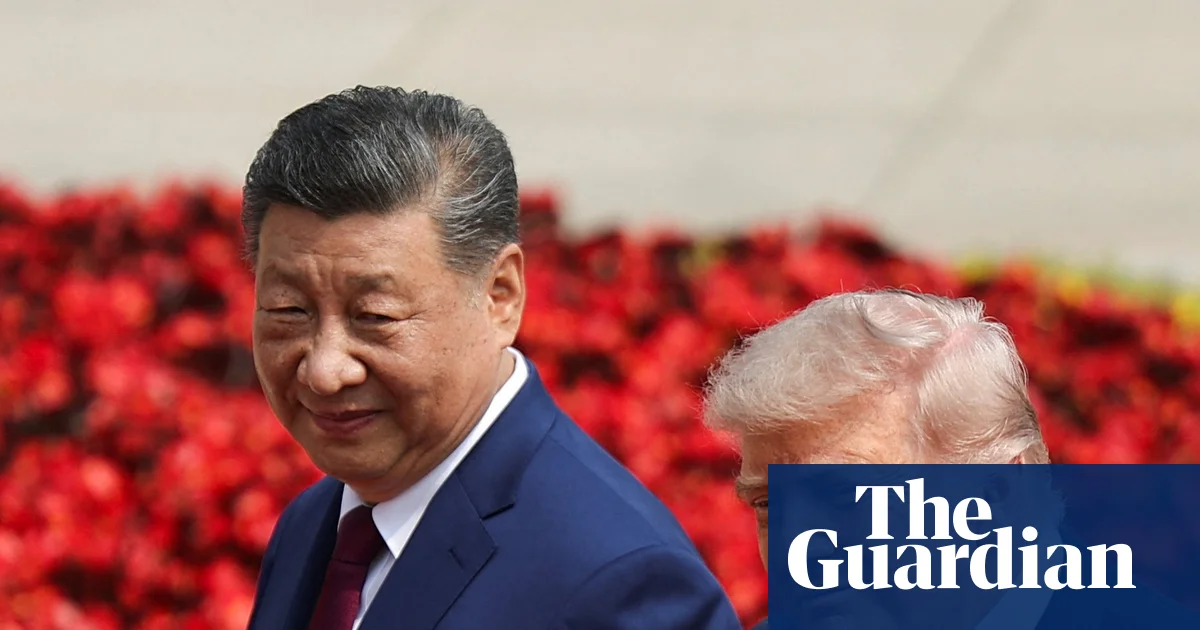
经济学家约翰·爱德华兹表示,澳大利亚与中国和美国的关系都非常牢固,应将其视为一大优势。帕特里克·康明斯 约翰·爱德华兹希望我们对中国冷静下来。
Australia has very strong relationships with China and the US, and ought to regard that as a great advantage, economist John Edwards says. Patrick Commins John Edwards wants us to chill out about China.
爱德华兹曾在20世纪90年代初担任保罗·基廷的高级经济顾问,过去三十年来,他在私营和公共部门都是一位重要人物。
A former top economic adviser to Paul Keating in the early 1990s, Edwards has been a major figure in the private and public sectors over the past three decades.
现任洛伊研究院非常驻研究员的爱德华兹,最近发表了一篇名为《大改革:澳大利亚如何适应不断变化的世界经济》的新文章。
Now a non-resident fellow at the Lowy Institute, Edwards has published a new paper titled Overhaul: How Australia can adapt to a changing world economy.
在这篇文章中,爱德华兹写道,中国(澳大利亚的主要经济伙伴)与美国(澳大利亚的传统盟友和安全伙伴)之间的“激烈竞争和间歇性对抗”,长期以来一直是澳大利亚人“主要的焦虑来源”。
In the paper, Edwards writes that the “vigorous competition and intermittent antagonism” between China, our major economic partner, and the US, our traditional ally and security partner, has long been “mostly a source of anxiety” for Australians.
然而,澳大利亚人应将中美竞争视为“一份礼物”,并且在未来25年内,只要策略得当,澳大利亚有望成为一个更加繁荣的国家。
Yet, Australians should see US-China competition as “a gift”, and we are well placed to become a more prosperous nation over the next 25 years – as long as we play our cards right.
你将文章命名为《大改革》,那么我们需要改革什么,才能充分利用这些机遇?
You called your essay Overhaul, so what do we need to overhaul to make the most of our opportunities?
首先,我们需要认识到,25年后,美国和中国仍将是主要经济体。它们不会消失。这不是两者之间的竞赛,任何一方都无法获胜。
One is that we need to recognise that the US and China will still be the major economies in 25 years. They’re not going to go away. It’s not a race between the two that either can win.
因此,澳大利亚处于一个独特的位置:与美国拥有非常牢固的文化和安全关系,与中国拥有非常牢固的经济关系,我们应将拥有与两大全球经济体如此紧密的联系视为一大优势。
So Australia is in a peculiar position of having a very strong cultural and security relationship with the US, and a very strong economic relationship with China, and we ought to regard that as a great advantage to have such strong links with the two major global economies.
与其对此感到焦虑,我们不如庆祝这一点——同时要牢记,对澳大利亚来说,最糟糕的结果是中美关系变得更加对抗。
And rather than being anxious about this, we should celebrate it – bearing in mind that the worst possible outcome for Australia is for China and the US to become more adversarial.
对于较小的国家来说,有两个大国比有一个更好,而我们正处于这种境况中。因此,我们能做的最糟糕的事情就是在两者中选边站队。
It’s better for smaller countries to have two big players than one, and that’s the circumstance in which we find ourselves. So the worst thing we could do is pick one over the other.
其次,我们需要重振经济外交手段;这是一个我们过去非常擅长的领域。
So another one is to re-energise our economic statecraft; this is an area where we used to be very good.
近年来——近几十年来——我们几乎完全被国家安全考量所主导,几乎排除了经济国策。[我们需要] 对外资更加开放。那么,我们是否对中国及其国家野心过于多疑?
In recent years – recent decades – we’ve become dominated by national security considerations, almost to the exclusion of economic statecraft. [We need] more openness to foreign investment. So are we too paranoid about China and its ambitions as a nation?
在某种程度上是的。你确实看到过这样的头条新闻:我们正在为与中国的冲突做准备。
On some levels we are. You do see headlines [about how] we’re preparing ourselves for a conflict with China.
我的意思是,欧洲并没有为与中国的冲突做准备。加拿大也没有,印度尼西亚也没有,马来西亚也没有。我不确定日本是否如此,尽管它声称如此。印度也没有。
I mean, Europe’s not preparing itself for a conflict with China. Canada’s not preparing itself for a conflict with China, and Indonesia’s not, and Malaysia’s not. I’m not sure Japan is, although it says it is. India’s not.
我们为什么要为与中国的冲突做准备?我认为这是对我们在世界上实际地位的一种相对肤浅的理解。那么,如何将这一点与中国近年来试图实施经济胁迫相协调呢?嗯,我认为我们确实需要小心,保持与中国关系的平衡。
Why would we be preparing for a conflict with China? I think it’s a relatively superficial understanding of our actual position in the world. How do you square this with, for example, China’s attempts at economic coercion over recent years? Well, I think we do need to be careful to maintain the balance of our relationship with China.
我们当然不应该顺从地接受中国对我们的制裁,但我们也应该非常小心,不要刻意去挑衅他们。
We certainly should not meekly accept China’s sanctions on us, but we should also be very careful not to go out of our way to provoke them.
在文章中,你说人工智能可能在我们似乎想要的制造业复兴中发挥巨大作用。怎么做?我们的制造业规模很小。我们几乎可以从零开始。
In the paper, you say AI could play a big role providing us with this manufacturing revival that we seem to want. How? We have a tiny manufacturing sector. We can almost start from scratch.
我们拥有一些优势,如果解决了劳动力成本高昂的问题,这些优势会更加明显。
We have certain advantages that would become more apparent if we overcome the problem of our labour costs, which are quite high.
[高昂的劳动力成本]是一件好事——它反映了我们拥有高生活水平,但这对全球制造业竞争力是一种阻碍。
[High labour costs] is a good thing – it’s a reflection of the fact that we’ve got high living standards, but they’re an impediment to global manufacturing competitiveness.
而人工智能为我们提供了,在我们历史上第一次,一种绕过这一问题的方法。它说我们可以利用人工智能驱动的机器人重新开始制造业。
And what AI offers us, for the first time in our history, is a way around it. It says we can recommence manufacturing with AI-enabled robots.
但我们必须认识到,如果我们要在澳大利亚恢复制造业,那么它极有可能是一个以某种方式涉及中国的供应链的一部分。
But we have to recognise that if we’re going to restore a manufacturing sector in Australia, it’s highly likely to be part of a supply chain that, one way or another, touches on China.
如果澳大利亚制造业要有外资投入,那么这些投资者极有可能是中国人,或者受中国影响,我们必须承认这一事实。那么,这场制造业复兴不会带来很多就业机会吗?
If there’s going to be foreign investment in Australian manufacturing, then it’s highly likely they’ll either be Chinese or influenced by China, and we have to recognise that fact. So there won’t be many jobs in this manufacturing renaissance?
不,制造业不是一个能提供大量就业的行业,未来制造业也不可能成为就业大户。
No, it’s not a jobs-rich industry, and there’s no way manufacturing is going to be jobs-rich in the future.
我们对全球经济正在发生的事情存在大量短期主义的理解,不时退后一步问一句:“实际上,到底发生了什么?”很有用。正如我所说,如果你看过去25年,尽管在许多方面灾难性,但经济成果相当不错,并复制了此前50年的成果。
There is a lot of short-termism in our comprehension of what’s happening in the global economy, and it’s useful every now and then to step back and say, ‘Well, actually, what has been going on?’And as I say, if you look at the last 25 years, calamitous though they were in many respects, the economic outcomes were pretty good and replicated those of the previous 50 years.
但人们依然非常愤怒和愤慨。欧洲有骚乱和抗议,美国人再次投票选出特朗普,民粹主义政治在这里也势头很高。我们如何将这一点与你的观点调和起来?
But people are still so upset and angry. There are riots and protests in Europe. The Americans voted in Trump again, and populist politics is riding high here. How do we square that with your view?
我认为有几件事在发生。在美国,是意识到中国现在在经济规模上已与其相当。
I think there are several things going on. In the case of the US, it’s the awareness that China now matches it in economic weight.
在美国,另一件事就是不受约束的不平等增长,尤其是人口中前1%的人在财富、权力和声望方面的突出增长。这是前所未有的。
The other thing in the US is just unchecked growth of inequality, and particularly the outstanding growth in the wealth, power and prestige of the top 1% of the population. It’s unprecedented.
在欧洲,与许多其他地方(包括澳大利亚)相比,生活水平增长缓慢。移民问题也存在不和谐。
In Europe, it’s slow growth in living standards compared to a lot of other places, including Australia. A discordant migration story.
但普遍悲观的看法并不适用于印度,也不适用于中国或许多其他表现极好的国家。那么,为什么澳大利亚人如此愤怒?我无法解释,因为我们表现不错。
But a generally gloomy view is not true of India, and not true of China or of many other countries which have done extremely well. So why are Australians so angry? I just can’t account for it, because we’ve done well.
我们现在面临一些问题。我们有高通胀,需要加以抑制。而且生产率增长非常低——一旦生产率回升,将是一件非常好的事情。但就我们的长期前景而言,情况相当不错。住房可负担性是我们集体脚上的一个大刺。
We’ve got problems now. We’ve got high inflation, which we need to restrain. And we’ve got very low growth in productivity – it’ll be a very good thing when that revives. But in terms of our long-term outlook, it’s pretty good. Housing affordability is a major thorn in our collective paw.
我猜是的。但这基本上是一个供给侧问题,我想,我们正开始着手解决。
I guess it is. But it’s basically a supply-side issue which we’re beginning, I think, to address.