《经济学人》如何报道美古关系的关键十年。第一部分:让美国措手不及的政变 1952-1957年 革命的起源 第一部分:让美国措手不及的政变去年唐纳德·特朗普重返白宫后,誓要对古巴共产党政府施加压力。自1959年菲德尔·卡斯特罗领导革命以来,该政权一直以铁腕手段统治这个贫困的岛国。今年早些时候,特朗普迎来了机会。
How The Economist reported on a pivotal decade in US-Cuba relations. First: the coup that took America by surprise Part 1: 1952-57 Origins of revolution Part 1: The coup that took America by surprise When Donald Trump returned to office last year, he vowed to squeeze Cuba’s communist government. It has ruled the impoverished island with an iron grip since a revolution led by Fidel Castro in 1959. Earlier this year Mr Trump got his chance.
在戏剧性地抓获委内瑞拉独裁者尼古拉斯·马杜罗后,他能够阻止该国向古巴输送石油,并威胁要对任何向古巴输油者征收关税。由此产生的禁运极为惩罚性:停电和基本物资短缺现已成为常态。
After dramatically capturing Venezuela’s dictator, Nicolás Maduro, he could stop the country from sending oil to Cuba, and threatened to impose tariffs on anyone who did. The resulting embargo has been punishing: blackouts and shortages of basic supplies are now chronic.
他的政府原指望让古巴人的生活变得难以忍受,从而推翻这个衰败而残酷的政权。但并未发生起义。然而,封锁却产生了另一个效果:古巴政府首次允许私营部门进口燃料,这是1959年以来的头一回。它对美国食品出口和汇款的依赖也比以往任何时候都更甚。经过数十年的敌对,美国对其邻国的经济杠杆作用正在增强。
His administration hoped to make life so unbearable for Cubans that they would topple their spent and cruel regime. No uprising has taken place. Yet the blockade has had another effect: the Cuban government let the private sector import fuel for the first time since 1959. It also relies more than ever on American exports of food and remittances. After decades of hostility, America’s economic leverage over its neighbour is growing.
这一新阶段如何融入古巴历史的长河?我们深入《经济学人》档案库,考察我们的记者是如何报道卡斯特罗共产主义政权的崛起,以及美国对此的反应。在两国历史的关键十年间,我们曾撰文描述革命如何改变了美国与古巴的关系——从以糖贸易为中心的经济统治,转变为植根于冷战意识形态分歧的互不信任。本系列的终点——1961年美国支持的猪湾入侵惨败——提醒着特朗普政府在拉美彰显自身之际所面临的地缘政治利害。
How does this new phase in their relations fit into the sweep of Cuban history? We delved into The Economist’s archive to see how our journalists covered the rise of Castro’s communist regime, and America’s response to it. During a crucial decade in the two countries’ history, we wrote about how the revolution transformed America’s relationship with Cuba, from economic domination centred on the sugar trade to mistrust rooted in the ideological divisions of the Cold War. The endpoint of our series, America’s support for a botched invasion at the Bay of Pigs in 1961, serves as a reminder of the geopolitical stakes for Mr Trump’s administration as it asserts itself in Latin America.
我们的时间线始于卡斯特罗革命前主导古巴政治的那个人。富尔亨西奥·巴蒂斯塔是一位军事领导人,他在1930年代和1940年代初的大部分时间里通过傀儡统治者,后来又以总统身份控制着这个岛屿。1944年,在他支持的继任者在选举中落败后,巴蒂斯塔流亡美国,后来返回古巴担任参议员。1952年3月10日,他发动政变推翻了卡洛斯·普里奥·索卡拉斯,重新掌权。后者是一位民选总统,因经济问题、腐败和帮派暴力而变得不得人心。
Our timeline starts with the man who dominated Cuban politics before Castro’s revolution. Fulgencio Batista was a military leader who held sway over the island for much of the 1930s and early 1940s, initially through puppet rulers and later as president. After his preferred successor lost an election in 1944, Batista went into self-imposed exile in America, later returning to serve in Cuba’s senate. On March 10th 1952 he reclaimed power in a coup against Carlos Prío Socarrás, a democratically elected president who had grown unpopular because of economic problems, corruption and gang violence.
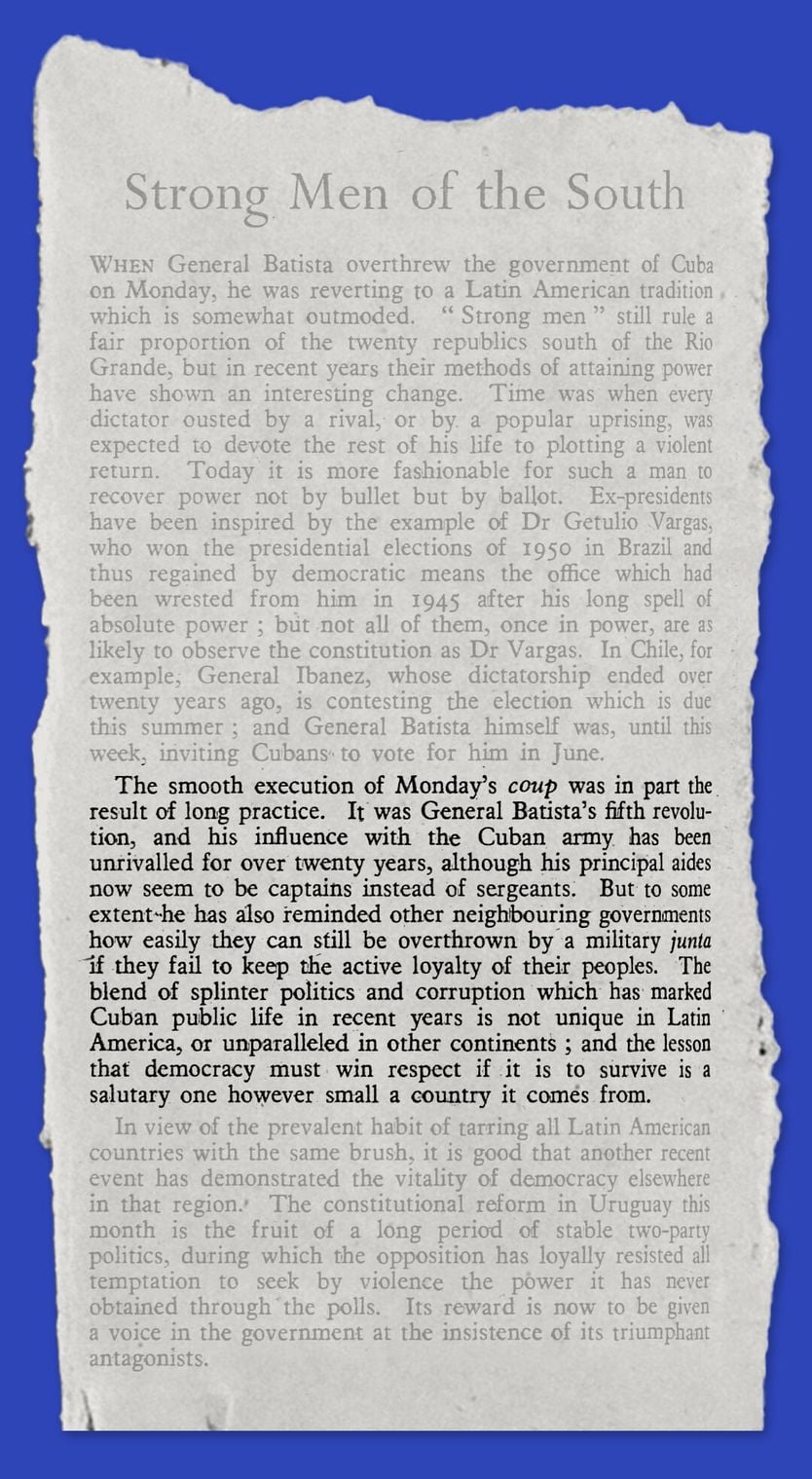
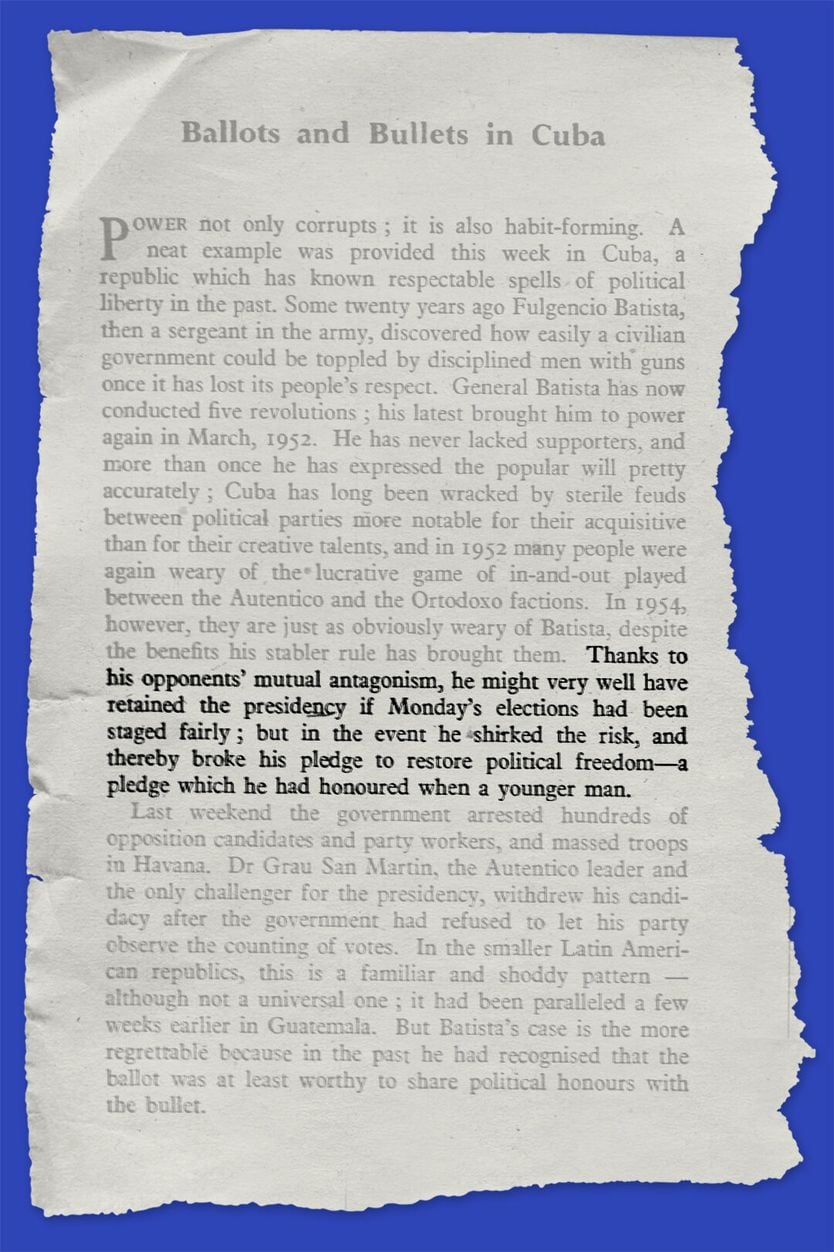
几天后,在下一期周刊中,《经济学人》报道了巴蒂斯塔的夺权。我们指出,这位强人打破了拉丁美洲的一种趋势。“如今,这样的人恢复权力,用选票而非子弹,更为时髦,”我们写道,并引用了热图利奥·瓦加斯的例子,这位巴西独裁者1945年被推翻,五年后又当选总统。巴蒂斯塔最初计划效仿:他作为候选人参加定于1952年夏季举行的总统选举。我们认为,他的变卦既显示了他对政变的偏好——据我们统计这是他参与的第五次政变——也显示了古巴精英阶层未能让人对民主产生信心。
Days later, in its next weekly edition, The Economist had reported on Batista’s takeover. We noted that the strongman had bucked a trend in Latin America. “Today it is more fashionable for such a man to recover power not by bullet but by ballot,” we wrote, citing the example of Getulio Vargas, a Brazilian dictator who had been ousted in 1945, then elected president five years later. Batista had at first planned to follow suit: he was running as a candidate in presidential elections scheduled for the summer of 1952. His change of mind, we argued, showed both his penchant for coups—by our count it was the fifth in which he was involved—and the failure of Cuba’s elite to inspire faith in democracy.
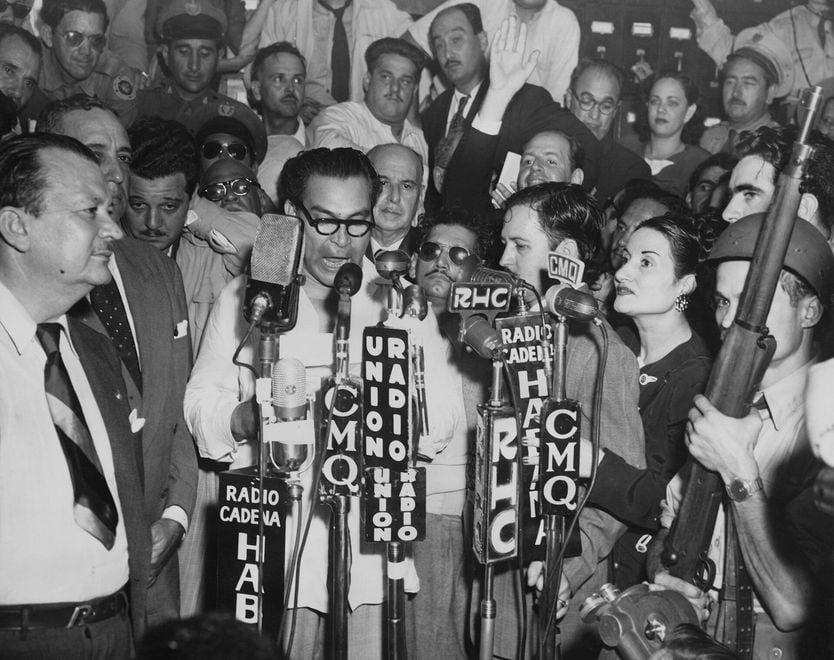
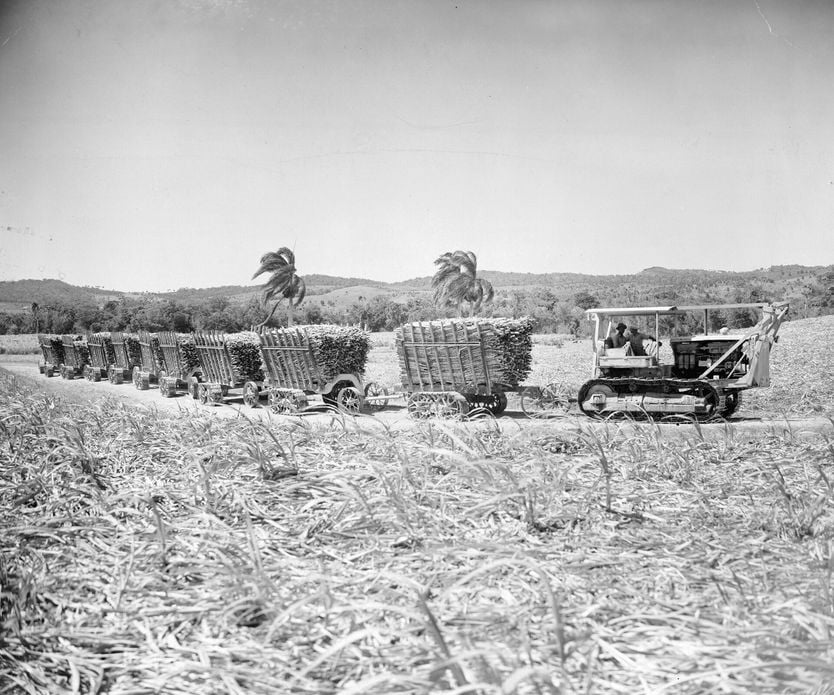
巴蒂斯塔的政变让美国感到意外。但哈里·杜鲁门政府迅速决定承认新政府。这样做有实际好处。巴蒂斯塔是反共主义者,对美国企业友好。在随后的七年里,美国工业巩固了其在古巴经济中已相当可观的份额,控制了该国大部分矿业和公用事业基础设施。美国还保留了古巴糖产量约40%的所有权,糖当时是古巴最大的出口产品。与此同时,美国游客蜂拥而至这个岛屿,这里以距离佛罗里达海岸仅90英里、既迷人又方便的旅游胜地而闻名。
Batista’s coup took America by surprise. But Harry Truman’s administration quickly decided to recognise the new government. Doing so had practical benefits. Batista was an anti-communist who was well disposed towards American business. Over the next seven years American industry would consolidate its already considerable stake in Cuba’s economy, taking ownership of much of the country’s mining and utilities infrastructure. It also retained roughly 40% of its sugar production, by far Cuba’s biggest export at the time. Meanwhile, American tourists flocked to the island, which had a reputation as a glamorous yet convenient travel spot just 90 miles off Florida’s coast.
把古巴重新变成美国的“游乐场”,无疑迎合了特朗普作为房地产大亨的本能。事实上,摆在他面前的机会更为微妙。他的政府知道,加强该岛的私营部门可能有助于削弱盖萨(Gaesa)的控制,盖萨是该国腐败且庞大的军事集团。早期迹象令人鼓舞:国营石油公司库佩特(Cupet)已将一些加油站出售给企业家。
Turning Cuba back into America’s playground no doubt appeals to Mr Trump’s instinct as a property mogul. In fact, the opportunity that has presented itself is a more subtle one. His administration knows that bolstering the island’s private sector could help loosen the grip of Gaesa, the state’s corrupt and vast military conglomerate. Early signs are encouraging: Cupet, the state oil company, has sold off some petrol stations to entrepreneurs.
特朗普可能希望美国企业在此过程中能在古巴经济中重新占据重要份额。但1950年代绝非自由民主古巴的典范。巴蒂斯塔(Batista)的统治以镇压和暴力为特征。1954年11月,我们报道称他违背了举行自由选举的承诺,逮捕了反对派人士,并派军队进入哈瓦那。尽管巴蒂斯塔带来了“更稳定的统治”,但许多古巴人对他已感到“厌倦”。我们哀叹他新的专制主义,这与他早前执政时期形成对比,当时他曾接受对其统治的一些限制(包括在1944年任期结束时离任)。
Mr Trump may hope that American businesses can reclaim a big stake in Cuba’s economy in the process. But the 1950s are hardly a model for a free and democratic Cuba. Batista’s rule was characterised by repression and violence. In November 1954 we reported that he had reneged on his promise to hold free elections, rounded up opposition figures and sent troops into Havana. Many Cubans had grown “weary” of Batista despite the “stabler rule” he had brought. We lamented his new authoritarianism, a contrast with earlier stints in power when he had accepted some limits on his rule (including by leaving office when his term had ended in 1944).
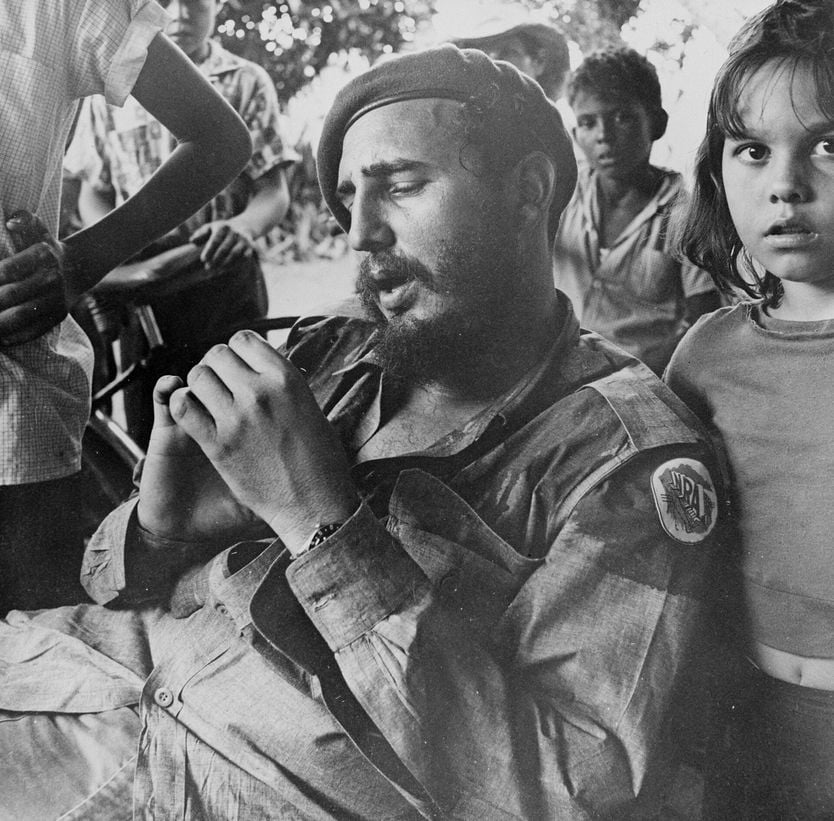
在那次承诺被违背后,反对巴蒂斯塔独裁的起义很快形成。其中一位潜在的革命者是卡斯特罗(Castro),一名法学毕业生,在1940年代末哈瓦那的激进学生政治中崭露头角。卡斯特罗最初反抗巴蒂斯塔的尝试惨遭失败。1953年7月26日,他率领约165名反叛者袭击了蒙卡达兵营(Moncada barracks),这是该岛东部的一个军事据点,但遭到政府军镇压。数十名反叛者被杀,许多人在被捕并遭受酷刑后丧生。菲德尔(Fidel)被捕,并与其弟弟劳尔(Raúl)一起被判处15年监禁。
After that broken promise, an insurgency soon formed against Batista’s dictatorship. Among the would-be revolutionaries was Castro, a law graduate who had cut his teeth in Havana’s radical student politics of the late 1940s. Castro’s initial attempts to rise up against Batista failed miserably. On July 26th 1953 he led an attack of around 165 rebels on the Moncada barracks, a military stronghold on the east of the island, which was crushed by government forces. Dozens of the rebels were killed, many after capture and torture. Fidel was arrested and, along with his brother Raúl, sentenced to 15 years in prison.
但两年后,兄弟俩在针对政治犯的大赦中获释。卡斯特罗前往美国,随后去了墨西哥,在那里他以“七·二六运动”的旗号聚集反叛者,该运动以纪念蒙卡达兵营之战的失败而命名。加入他的不仅有劳尔,还有阿根廷医生出身的革命者恩斯特罗·“切”·格瓦拉。他们将目标定于航行前往古巴。1956年11月,菲德尔率领约80名反叛者乘坐一艘名为“格兰玛号”的漏水游艇出发,于12月2日登上该岛。他们很快遭到巴蒂斯塔军队的伏击,但菲德尔、劳尔和切幸存下来,逃入丛林。
But two years later the brothers were released in an amnesty for political prisoners. Castro travelled to America and then Mexico, where he gathered rebels under the banner of the July 26th Movement, named to honour the defeat at Moncada. He was joined not just by Raúl, but also Ernesto “Che” Guevara, an Argentine doctor-turned-revolutionary. They set their sights on sailing to Cuba. In November 1956 Fidel set off with around 80 rebels in a leaky yacht called the Granma, landing on the island on December 2nd. They were swiftly ambushed by Batista’s troops, but Fidel, Raúl and Che survived and fled into the jungle.
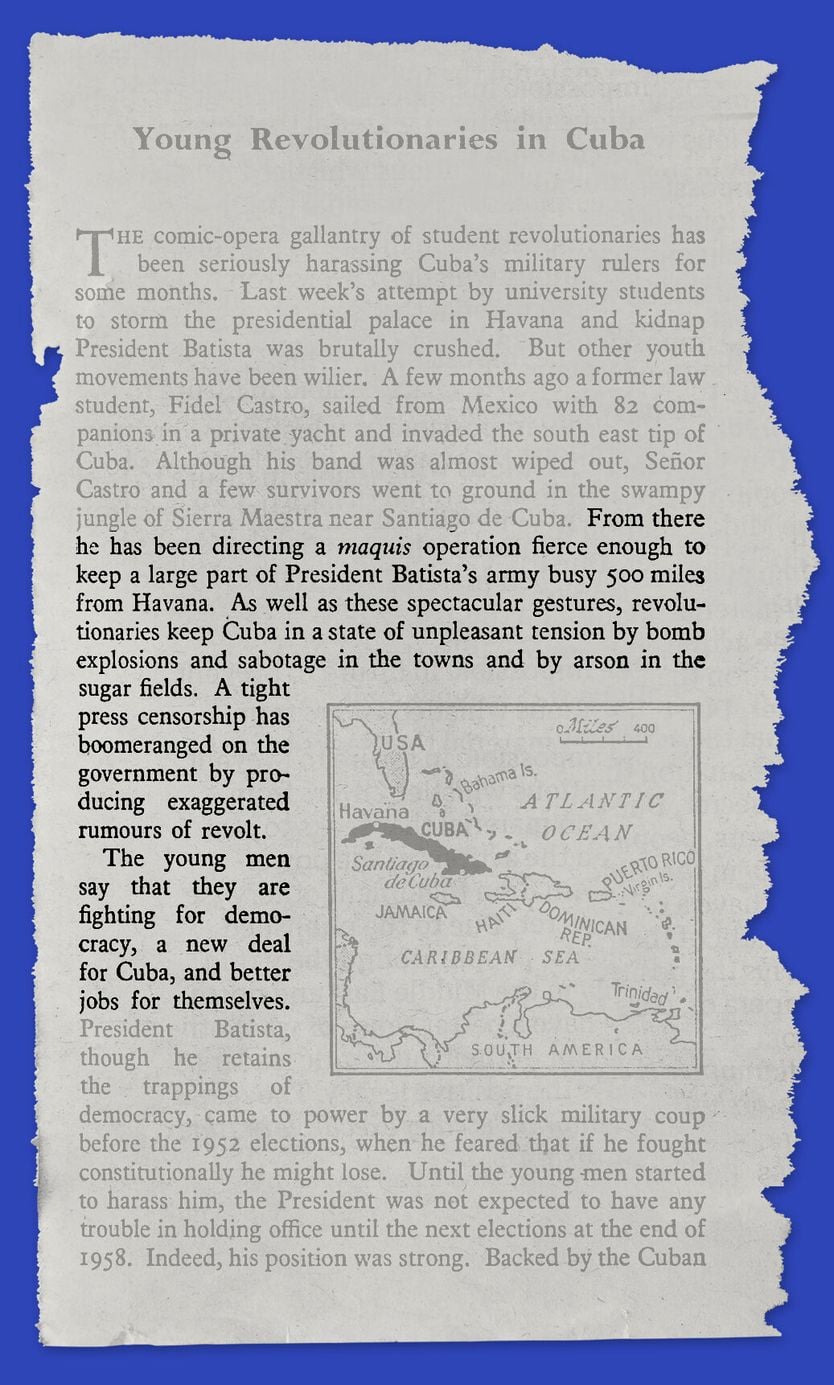
《经济学人》杂志于1957年3月23日首次提及卡斯特罗及其游击队员。我们描述了这些杂牌反叛者如何从前一年的重大损失中恢复过来,对政府发动了一场日益有效的游击战。我们认为巴蒂斯塔的地位在短期内是稳固的。这位独裁者保留了军队的支持、美国商业利益的“热情支持”以及得益于高糖价的强劲经济。但我们也向总统及其支持者发出了不祥的警告。“反对他的势力正在变得更强大”,我们写道。■
The Economist first mentioned Castro and his guerrilleros on March 23rd 1957. We described how the ragtag rebels had recovered from their heavy losses the previous year to launch an increasingly effective guerilla campaign against the state. We felt Batista’s position was secure in the short term. The dictator retained the army’s backing, the “cordial support of business interests in the United States” and a robust economy thanks to high sugar prices. But we also sent an ominous warning to the president and his supporters. “The forces against him are getting stronger”, we wrote. ■