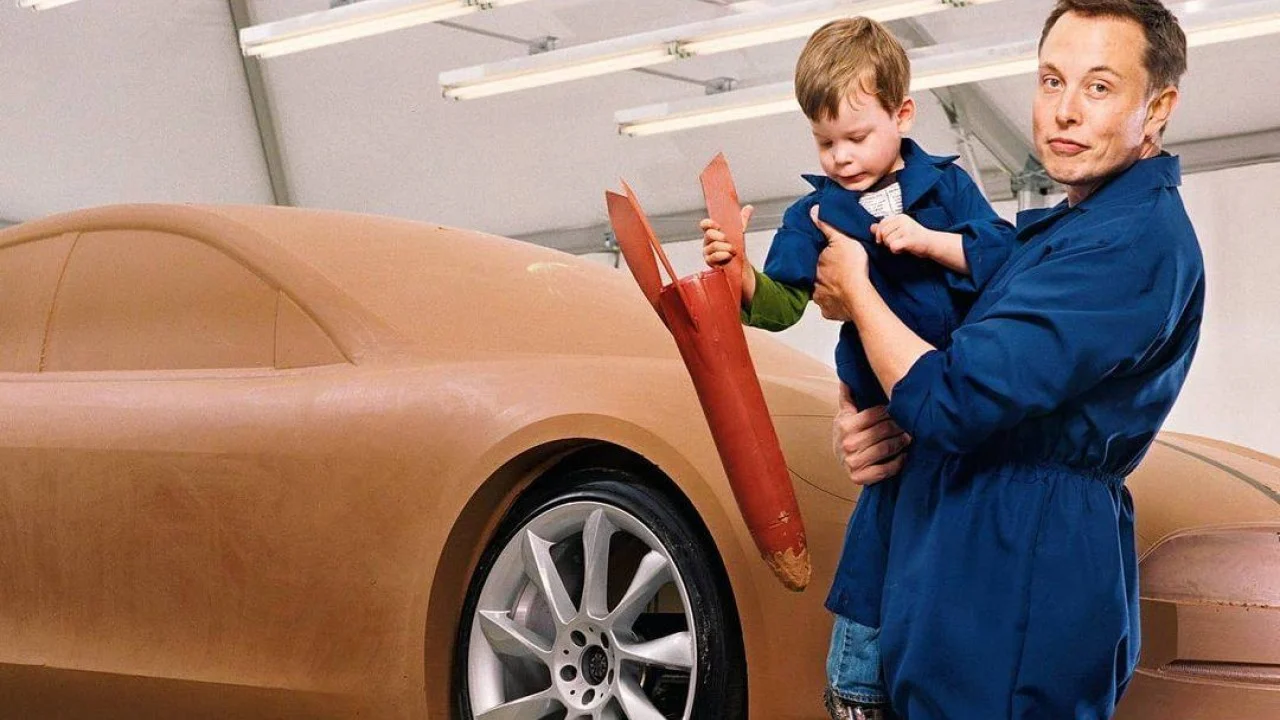
10月18日,正准备进行历史上最大规模上市之一的人工智能(AI)实验室Anthropic,承诺将其5%的股份注入一项公益基金。第二天,埃隆·马斯克承诺明年向“美国每个孩子”赠送一股SpaceX股份——按约7300万儿童计算,价值约106亿美元。
On October 18, Anthropic, the artificial intelligence (AI) laboratory preparing one of the largest listings in history, committed 5 per cent of its shares to a public benefit fund. The next day, Elon Musk promised one SpaceX share, next year, for “every kid in America” – about US$10.6 billion for some 73 million children.
两项提议的区别在于谁持有股份。Anthropic的股份将置于公司拥有的一个实体中,代表公众支出;马斯克的股份将通过他未曾解释的途径,登记在孩子名下。公众是否应拥有AI造就的富有公司?硅谷已开始按自己的条件回答“是”。
The offers differ in who holds the shares. Anthropic’s will sit in an entity the company owns, spent on the public’s behalf; Musk’s would land, by a route he has not explained, in a child’s name. Should the public own the companies AI makes rich? Silicon Valley has begun answering yes, on its own terms.
这发生在国际货币基金组织(IMF)总裁克里斯塔利娜·格奥尔基耶娃将AI描述为“缓慢移动的海啸”、将收入从劳动力转移至资本、可能增强、降级或消除全球40%工作岗位的一周后。她在曼谷发表讲话;亚洲长期以来经济增长依赖于创造就业。
This came a week after International Monetary Fund managing director Kristalina Georgieva described AI as a “slow-moving tsunami”, shifting income from labour to capital, that could augment, downgrade or eliminate 40 per cent of jobs worldwide. She spoke in Bangkok; Asia is where economic growth has long depended on creating jobs.
美国也通过工资分享增长,但62%的成年人也持有股份。六十年来,亚洲的增长主要通过工资包惠及家庭。日本的“春斗”,即工会与雇主之间的年度工资谈判,承载了首相池田勇人1960年承诺在十年内将国民收入翻倍的誓言;经济仅用七年便做到了。
America shares growth through wages too, but 62 per cent of adults also own shares. For six decades, Asia’s growth reached households chiefly through the pay packet. Japan’s , the annual wage negotiations between unions and employers, carried prime minister Hayato Ikeda’s 1960 pledge to double national income in a decade; the economy did it in seven years.
韩国工厂提供工资,1987年罢工让工人分得更大份额。北京打破“铁饭碗”,让私营工厂吸纳下岗工人。新加坡另辟蹊径:国家通过强制储蓄和公共住房将工资转化为住房财富,并在2001年低迷期向公民发放与经济增长挂钩的“新加坡新股”。
South Korea’s factories provided wages, and the 1987 strikes gave workers a bigger share. Beijing smashed the iron rice bowl and let private factories absorb the laid-off. Singapore took another route: the state turned wages into housing wealth through compulsory savings and public housing, and during the 2001 slump handed citizens economic-growth-linked New Singapore Shares.
此后工资不再跟上步伐。据日本厚生劳动省测算,自20世纪90年代中期以来,生产率每上升1%,工资仅上涨约0.4%,而美国约为1%:更高的生产率未带来更高工资,这在AI出现前已持续数十年。
Then pay stopped keeping pace. Since the mid-1990s, Japan’s labour ministry calculates, a 1 per cent rise in productivity has lifted wages by about 0.4 per cent, against roughly 1 per cent in America: higher productivity without higher pay, decades before AI.
过去的自动化取代了工厂车间的工人,却在其上方创造了新岗位。如今,人工智能(AI)正威胁着这一路径最薄弱的环节。
Past automation replaced hands on the factory floor while adding jobs above them. AI now threatens the route where it is weakest.
斯坦福大学经济学家利用美国薪资数据发现,在AI冲击最大的职业中,22至25岁人群的就业人数已比冲击较小的同龄人预期轨迹低19%,较一年前的15%有所扩大。因果关系尚存争议,且总就业人数并未下降。但压力正率先落在年轻人身上。
Stanford economists using American payroll data find that employment of those aged 22-25 in the most AI-exposed occupations has fallen by 19 per cent behind the trajectory of less exposed peers, up from 15 per cent a year earlier. Causation is contested and total employment has not fallen. But the pressure is falling first on the young.
这一旧有契约的最新一轮博弈,今年在韩国京畿道利川市展开。SK海力士凭借AI芯片需求,去年同意将营业利润的10%分给员工:若今年250万亿韩元的利润预测成真,人均可得约7亿韩元(约合52.75万美元)。
The newest round of the old bargain was fought this year in Icheon, in South Korea’s Gyeonggi province. SK Hynix, riding on demand for AI chips, agreed last year to hand staff 10 per cent of its operating profit: about 700 million won (US$527,500) a head if this year’s 250 trillion won profit forecast holds.
8月,工会成员投票否决了一份初步协议,该协议拟以股票形式发放60%的分红,员工担心股价波动及税务负担。上月,双方敲定以现金与股票各半发放,并保留增持股票的选择权。即便是最贴近AI繁荣的工人,也在为分红中工资性收入的比例讨价还价。
This August, union members voted down a tentative deal to take 60 per cent in shares, wary of a volatile stock and the tax bill. Last month, they settled on half cash, half shares, with the option of more stock. Even the workers closest to the AI boom haggled over how much of their dividend should be in payroll.
他们是幸运的。据韩国央行数据,去年有45万韩国青年表示完全不想工作,较2019年的28.7万人大幅增加。北京今年面对创纪录的1270万毕业生,推出“就业优先”计划,尽管《中国日报》评论承认AI可能率先冲击年轻人。分红通过谈判惠及利川,却无法触达从未被录用的毕业生。
They are the lucky ones. Last year, 450,000 young Koreans said they wanted no job at all, up from 287,000 in 2019, according to Bank of Korea. Beijing meets a record 12.7 million graduates this year with an “employment first” plan, though a China Daily commentary concedes AI may hit the young first. The dividend reached Icheon by negotiation. It has no route to the graduate who was never hired.
亚洲的路径共享一个盲区:它们预设了“有一份工作”。薪资谈判为已就业者讨价还价。新加坡新设的三方就业委员会与毕业生实习计划帮助人们进入下一份薪资单;但两者都未赋予公民对AI收益的索取权。
Asia’s routes share a blind spot: they assume a job. Wage talks bargain for the employed. Singapore’s new Tripartite Jobs Council and graduate traineeships help people onto the next payroll; neither gives citizens a claim on what AI earns.
一套起草初级分析师工作的系统,将部分薪资转化为软件费用,其余转化为利润:大部分费用流向加利福尼亚或杭州的模型制造商,继而流向股东,仅有极小部分惠及客户。再培训决定谁能获得下一份工作,而非谁能保住利润。
A system that drafts a junior analyst’s work turns part of a salary into a software fee and the rest into margin: much of the fee flows to model-makers in California or Hangzhou, then to shareholders and a small share to customers. Retraining decides who gets the next job, not who keeps the margin.
硅谷的回答并不完整。Anthropic 的承诺尚待股东批准;SpaceX 的股价已较峰值下跌约三分之一。利川与硅谷的区别不在于现金与股份。而在于谁来决定。SK海力士员工协商出了自己的分配公式,并投票否决了他们不满的支付条款。美国孩子手握一份承诺,但这承诺可由制定者随时撤销。工人们投了票。孩子们不会。
Silicon Valley’s answer is incomplete. Anthropic’s pledge awaits shareholder approval; SpaceX has shed about a third of its share price since its peak. The difference between Icheon and Silicon Valley is not cash vs shares. It is who decides. SK Hynix workers negotiated their formula and voted down the payment terms they disliked. American children hold a promise, revocable by those who made it. The workers voted. The children will not.
亚洲曾以多种方式实现共同增长。只是从未需要在增长不再需要更多新工人时这样做。
Asia has shared growth in many ways. It has never had to do so when growth needs fewer new workers.
在深圳或板桥的某处,一位财务总监即将签署一份 AI 合同,将明年薪资预算中的一行划去。这笔节省下来的钱,将成为谁的红利?
Somewhere in Shenzhen or Pangyo, a finance director is about to sign an AI contract that removes a line from next year’s salary budget. Whose dividend is the saving?