
除了对安全的担忧,推进人工智能的竞争还引发了人们的恐惧,担心该技术将消灭数百万个工作岗位——尤其是白领岗位——并将财富集中在在AI模型、芯片和数据中心拥有财务利益的人手中。
Alongside concerns about safety, the race to advance artificial intelligence has triggered fears that the technology will wipe out millions of jobs — particularly white-collar ones — and concentrate wealth in the hands of those with a financial stake in AI models, chips and data centers.
政策制定者、经济学家和科技领袖正在辩论如何防止这些结果——或者如果这些结果真的发生,如何缓冲冲击。研究人员表示,人工智能已经在减少某些领域初级岗位的招聘。而AI热潮为投资其中的人创造了巨额财富。
Policymakers, economists and tech leaders are debating how to prevent these outcomes — or cushion the fallout if it comes to that. Researchers say artificial intelligence is already reducing hiring of entry-level roles in certain fields. And the AI boom has created enormous wealth for those invested in it.
在美国,防止或寻找解决方案以抵消AI驱动的失业和不平等潜在影响的压力可能尤为强烈。该国聚集了高浓度的、开发AI和供应相关芯片的最有价值公司。尽管工作被取代的威胁适用于全世界的工人,但美国的失业救济金比许多其他富裕国家都要少。以下是关于拟议措施的入门介绍。
The pressure to head off or find solutions that could offset the potential effects of AI-driven job losses and inequality may be especially strong in the US. The country hosts a high concentration of the most valuable companies developing AI and supplying related chips. And though the threat of job displacement applies to workers all over the world, unemployment benefits are less generous in the US than in many other wealthy countries. Here’s a primer on proposed measures.
在这种框架下,公民直接获得AI公司产生的财富的一部分。倡导者表示,因为该技术是利用公众贡献的数据训练的,人们理应分享由此创造的收益。
Under this framework, citizens directly get a portion of the wealth generated by AI companies. Advocates say that because the technology was trained on data contributed by the public, people deserve to share in gains created.

一些分红计划的支持者设想,资金将来自通过税收对AI公司利润或收入的再分配。当时担任韩国总统政策室长的金龙范(Kim Yong-beom)在5月的一条社交媒体帖子中表示,该国可以利用AI热潮产生的超额税收向公民发放“分红”。
Some proponents of a dividends program envision funds coming from a redistribution of AI companies’ profits or revenue through taxes. Kim Yong-beom, who was then the policy chief of South Korea’s president, said in a social media post in May that the nation could pay citizens a “dividend” using excess tax revenue generated by the AI boom.
但目前,领先的AI公司产生的利润很少或根本没有利润,即使该技术在全球被广泛采用,这种情况可能还会持续数年。如果这种情况持续下去,政府可能不愿对亏损行业征收重税,即使许多工作岗位被消除。
But right now, leading AI companies are generating little or no profits, and may not do so for years, even as the technology is adopted widely around the world. Governments may not be prepared to impose big taxes on a loss-making industry if that continues, even if many jobs are eliminated.
与此同时,这些公司的估值巨大。除了通过税收将部分利润或收入重新分配给公众之外,另一种选择是让人们持有AI公司的所有权股份。Anthropic PBC和OpenAI都主张过这一想法的不同版本。美国总统唐纳德·特朗普曾表示,美国人可以通过政府持有科技公司股份来从AI的成功中获益。“如果我们这样做,公众将变得非常富有,”他在6月说道。
At the same time, the companies’ valuations are enormous. An alternative to redistributing a portion of profits or revenue to the public via taxes would be to give people an ownership stake in AI companies. Anthropic PBC and OpenAI have advocated for versions of this idea. US President Donald Trump has said Americans can benefit from the success of AI by the government taking stakes in tech companies. “If we do that, the public will become very rich,” he said in June.
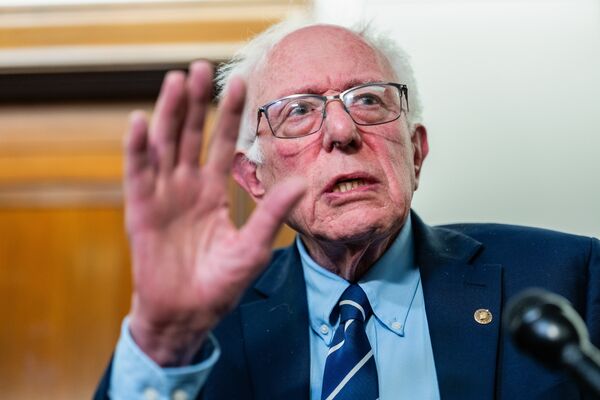
佛蒙特州参议员伯尼·桑德斯提出,通过主权财富基金让公众分享AI的财富。根据他6月提出的一项法案,大型AI公司将被要求一次性放弃50%的股权给此类基金。该基金将每年支付其价值5%的股息,以支持向美国人直接发放款项以及采取其他措施,确保高水平的生活标准。桑德斯写道,该计划将让普通公民直接从公司价值的上升中获益。“如果大型AI公司继续像许多分析师预期的那样快速增长,那么主权财富基金的价值也将随之增长。”
Vermont Senator Bernie Sanders has proposed giving the public a share of AI’s riches through a sovereign wealth fund. Under a bill he introduced in June, large AI companies would be required, on a one-time basis, to relinquish 50% of their equity to such a fund. It would pay an annual dividend of 5% of its value to support direct payments to Americans and other measures to ensure a high standard of living. This plan would allow regular citizens to benefit directly from the companies’ rising value, Sanders writes. “If the big AI companies continue to grow as rapidly as many analysts expect, then the value of the sovereign wealth fund will grow as well.”
在政府官员辩论强制性再分配之际,一些AI企业家提出了自愿捐赠方案。例如,Anthropic在10月中旬宣布了一项计划,将其5%的股份投入一个基金以促进“公共利益”,例如通过向非营利组织捐款或直接向民众发放款项。解决“劳动力市场影响”被列为可能的重点领域之一。根据Anthropic的说法,这个新基金(需经股东批准)将是一家全资有限责任公司(LLC)——而非非营利组织——并将随着公司的成长而壮大。
While government officials debate mandatory redistributions, some AI entrepreneurs are proposing voluntary giveaways. In mid-October, Anthropic announced a plan to put 5% of its shares into a fund to promote the “public good,” for example, through donations to nonprofit organizations or direct payments to people. Addressing “labor market impacts” was named as a possible area of focus. The new fund, which is subject to stockholder approval, would be a wholly owned LLC — rather than a nonprofit — and would grow as the company grows, according to Anthropic.
它将被设立为一家公益基金,这是一种新型实体,旨在超越实现财务回报,创造积极的社会或环境影响。该公司补充称,其联合创始人此前已承诺“捐赠”其80%的股票持仓,但未说明捐赠对象或截止时间。
It would be created as a public benefit fund, a new type of entity designed to go beyond achieving financial returns to make a positive social or environmental impact. The company added that its co-founders had earlier pledged “to donate” 80% of their stock holdings, without saying to what or by when.
Anthropic 宣布消息数小时后,埃隆·马斯克承诺将把自己的一股 SpaceX 股份送给美国的每一个孩子。SpaceX 主要从事航空航天业务,但它是马斯克人工智能创业公司 xAI 的母公司。
Hours after Anthropic made its announcement, Elon Musk pledged to give one of his shares of SpaceX to every child in the US. While SpaceX is mainly in the aerospace business, it is the parent company of xAI, Musk’s artificial intelligence venture.
如果人工智能减少就业岗位,另一个常被讨论的干预措施是基本收入计划——即政府直接向公民发放现金。
Another commonly discussed intervention if AI reduces the number of jobs is a basic income program — cash payments given directly to citizens from government coffers.
历史上,许多现金发放项目针对特定群体,例如肯尼亚为农村居民设计的项目,以及芬兰为失业人员设计的项目。斯坦福基本收入实验室记录了美国单方面就有 200 多个试点项目。这些项目由慈善资金和公共资金混合资助,通常在固定期限内向单亲母亲或前囚犯等群体的数十至数百名成员提供微薄收入。有些项目旨在广泛覆盖基本需求;其他项目则帮助支付托儿或职业培训费用。
Historically, many cash-payment programs have targeted specific groups, such as one in Kenya designed for rural people and another in Finland for the unemployed. The Stanford Basic Income Lab has documented more than 200 pilot projects in the US alone. Funded through a mix of philanthropy and public funds, these programs typically provide modest income for a fixed period of time to dozens or hundreds of members of groups such as single mothers or former prisoners. Some are designed to cover basic needs broadly; others help pay for childcare or job training.
在美国,一个名为“保障收入基金”的组织于 3 月启动了首批针对被 AI 取代工人的此类项目之一。这个全国性项目面向包括科技和营销在内的多种岗位工人,为一小部分参与者提供每月约 1000 美元现金、为期一年,以及技能培训和求职指导。
In the US, a group called Fund for Guaranteed Income in March launched one of the first such programs for workers displaced by AI. The nationwide project, which targets workers in roles including tech and marketing, provides about $1,000 in cash per month over a year as well as skills training and job coaching to a small group of participants.
8 月,台湾总统赖清德——台湾拥有世界领先的半导体产业——宣布计划于 2027 年向符合条件的居民发放一次性现金,理由是全球对 AI 的需求推动了该国经济增长飙升。发放金额较少——每位受益人新台币 1 万元(约合 314 美元)。台湾也曾在 2025 年向居民发放过现金。
In August, President Lai Ching-te of Taiwan — which has a world-leading semiconductor industry — announced plans to make one-time cash distributions to eligible residents in 2027, citing the country’s surging economic growth fueled by global demand for AI. The payments are small — NT$10,000 ($314) per recipient. Taiwan also distributed cash to residents in 2025.
去年,马绍尔群岛成为世界上第一个拥有全国性全民基本收入计划的国家。该计划使用基于区块链的货币进行支付。其他国家也曾尝试提供全民基本收入:韩国总统李在明在竞选期间主张实施此类计划,理由是人工智能等因素可能导致工作岗位流失。
Last year, the Marshall Islands became the first country in the world with a nationwide universal basic income program. The program uses a blockchain-based currency for payment. Other countries have toyed with providing universal basic income: South Korean President Lee Jae Myung advocated for such a program when he ran for office, citing potential job displacement from AI and other reasons.
多年来,美国也曾提出过全民基本收入计划。马斯克约十年前因自动化程度提高而宣扬这一想法。科技企业家杨安泽在2020年民主党总统初选竞选期间使该提议广为人知。
Universal basic income programs in the US have been proposed over the years. Musk touted the idea about a decade ago in response to rising automation. The proposal was popularized by tech entrepreneur Andrew Yang during his 2020 Democratic presidential campaign.
基本收入计划的支持者称,此类计划有助于减少贫困,并以新冠疫情期间政府发放的紧急款项为证,证明现金转移支付行之有效。由OpenAI联合创始人萨姆·奥特曼支持的项目OpenResearch于2024年发布的研究发现,受助人在满足基本需求和帮助他人方面的支出较之前有所增加。
Champions of income programs say they help cut poverty and point to government emergency payments distributed during the Covid-19 pandemic as proof that cash transfers are effective. Studies published in 2024 by OpenResearch, a project backed by OpenAI co-founder Sam Altman, found that recipients spent more on meeting their basic needs and assisting others than before.
即使是一些自由意志主义者,包括智库美国企业研究所的学者查尔斯·默里,也表示现金转移支付让受助人而非政府来决定如何使用这笔钱,并可取代零散的福利项目。
Even some libertarians, including Charles Murray, a scholar at the think tank American Enterprise Institute, say cash-transfer payments allow recipients rather than the government to choose what to do with the money and can replace the patchwork of welfare programs.
但基本收入计划的资金筹措成本高昂,批评者称其无法解决许多人从工作中获得的目标感和认同感问题。保守派批评者认为,这些计划浪费纳税人资金,并会打击人们的工作积极性。芬兰的现金转移支付计划招致该国最大工会的嘲讽,工会认为该计划适得其反,因为它鼓励人们少工作。
But basic income programs can be expensive to fund, and critics say they don’t address the sense of purpose and identity that many people derive from work. Conservative critics say these programs are a waste of taxpayer funds and discourage people from working. Finland’s cash-transfer program drew scorn from the country’s biggest labor union for being counterproductive because it encouraged people to work less.
多年来,马斯克一直推广普遍基本收入的理念,自2023年起,他开始推广“普遍高收入”,这将使人们能够获得“他们想要的任何商品和服务”,正如他在其社交媒体平台上的一篇帖子中所说。换言之,就是保障收入,但标准是高收入而非基本收入。
After years of promoting the idea of a universal basic income, Musk has since 2023 promoted “universal high income,” which would allow people to secure “whatever goods and services they want,” as he put it in a post on his social media platform. In other words, guaranteed income, but high instead of basic.
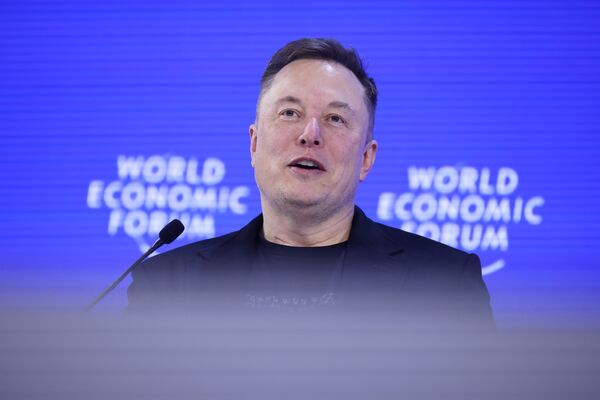
这位亿万富翁企业家并未透露许多关于该如何实现的细节。他在四月的一篇社交媒体帖子中表示,人工智能将导致经济产出增长速度快于货币供应量,从而引发通货紧缩,并且“通过联邦政府发放的支付来支付普遍高收入,是应对人工智能导致失业的最佳方式”。一家以色列保险公司的联合创始人今年早些时候推出了一种模型,他将其描述为马斯克关于高收入支付言论背后的“管道”。
The billionaire entrepreneur hasn’t shared many details about how that would come about. In a social media post in April, he said that AI will cause economic output to grow faster than the money supply, resulting in deflation, and that universal high income paid “via checks issued by the Federal government is the best way to deal with unemployment caused by AI.”A co-founder of an Israeli insurance company unveiled a model earlier this year that he describes as the “plumbing” behind Musk’s talk of high-income payments.
该模型假设,人工智能将在取代工作的同时继续推动经济增长,使各国政府能够将由此产生的部分意外利润和额外税收收入,转化为每个人的保障收入。
The model assumes AI will keep growing the economy even as it replaces jobs, allowing governments to redirect part of the resulting windfall profits and extra tax revenues into a guaranteed income for everyone.
奥特曼多年来一直倡导全民基本收入,并资助了美国的大规模现金转移支付实验。但他最近表示,对这类项目的价值不再那么确信。奥特曼现在主张他所谓的“全民基本算力”,即人们获得的不是金钱,而是一部分人工智能算力资源(“算力”是AI和云计算领域的术语,指用于计算的资源)。
Altman for years championed universal basic income and funded large cash-transfer experiments in the US. But he recently said he’s less convinced about the value of such programs. Altman is now advocating for what he calls “universal basic compute,” where instead of money, people would receive a portion of AI computational power. (“Compute” is a term used in AI and cloud computing to mean the resources devoted to computation.)“Everybody gets a slice of GPT 7’s compute and they can use it, they can resell it, they can donate it to somebody to use for cancer research,” he said.
“每个人都能获得GPT-7算力的一份切片,他们可以使用它、转售它,或者捐赠给他人用于癌症研究,”他说。“你得到的不是美元,而是这份切片;你拥有部分生产力的所有权。”他在细节上语焉不详。奥特曼尚未解释这种制度在实践中如何运作,包括人们——或学校等公共机构——是否会获得代表一定算力的可转让积分,又或是获得对AI生成生产力的其他形式的索取权。
“What you get is not dollars but this slice; you own part of the productivity.”He’s vague on details. Altman has not explained how such a system would work in practice, including whether people — or possibly public institutions such as schools — would receive transferable credits that represent an amount of computing power, or whether they would receive some other form of claim on AI-generated productivity.
6月,前美国商务部长吉娜·雷蒙多和前印第安纳州州长埃里克·霍尔科姆共同创立了一个名为RAISE US的组织,旨在帮助美国工人适应AI在经济中不断扩大的应用。RAISE US寻求筹集10亿美元,为医疗保健和先进制造业等行业创建工人再培训和再就业项目的试点版本,或帮助他们自主创业。雷蒙多表示,虽然美国在高等教育、劳动力培训和失业保险上花费数十亿美元,但很少将这些支出与项目是否产生良好成效挂钩。劳工部4月着手将AI技能嵌入现有的学徒制项目中。
In June, former US Secretary of Commerce Gina Raimondo and former Indiana Governor Eric Holcomb co-founded a group, RAISE US, that’s focused on helping US workers adapt as the use of AI expands in the economy. RAISE US seeks to raise $1 billion to create pilot versions of programs to retrain and redeploy workers in industries such as healthcare and advanced manufacturing or help them start their own businesses. Raimondo said that while the US spends billions of dollars on higher education, workforce training and unemployment insurance, little is tied to whether those programs produce good results. The Labor Department in April moved toward embedding AI skills into existing apprenticeship programs.
再培训项目是否有效仍存在争议。尽管是RAISE US的合作伙伴,Anthropic在8月的一份论文中指出,大型政府职业培训项目历史上未能在就业和收入方面带来持久收益。
Whether retraining programs are effective is the subject of debate. Though a partner of RAISE US, Anthropic said in an August paper that large government job training programs haven’t historically delivered lasting gains on employment and earnings.
另一种可能是工资保险计划,即向因人工智能而失业、不得不接受较低薪资工作的劳动者提供收入。
Another possibility is wage insurance programs, which would provide income to workers who are displaced by AI and have to take jobs with lower salaries.
麻省理工学院的戴维·奥托尔是支持这一想法的劳动经济学家之一。在这类计划下,政府将暂时弥补劳动者旧薪资与新工作较低薪酬之间的差额。奥托尔认为,工资保险应当补充而非取代再培训,并且对一名劳动者而言可能持续长达数年。
David Autor at the Massachusetts Institute of Technology is among the labor economists who have championed the idea. Under such a program, the government would temporarily cover the difference between a worker’s old salary and the lower pay in their new job. Autor argues that wage insurance should complement, rather than replace, retraining, and might last up to a few years for a worker.
这一想法的支持者大多没有明确说明将如何判定是人工智能迫使劳动者接受了薪酬更低的工作。
Proponents of the idea have largely been vague about how the determination would be made that AI had forced a worker to take a job with inferior pay.
这不会是美国的第一个工资保险计划。20世纪70年代,美国设立了一项名为“贸易调整援助”的联邦计划,面向因雇主将岗位转移到海外而失业的劳动者。该计划已于2022年逐步取消。另一个想法:利用税法修改来激励企业投资于人力资本。
This would not be the first wage insurance program in the US. A federal program called Trade Adjustment Assistance was created in the 1970s for workers who had lost their jobs after their employers shifted roles overseas. The program was phased out in 2022. Another idea: using changes to the tax code to incentivize companies to invest in human capital.
乔治·梅森大学的研究机构墨卡托中心呼吁改革联邦税法的某些方面,称这些方面激励了对技术的投资而非对人力劳动的投资。例如,税法允许企业为员工接受针对其当前岗位的额外培训申请税收减免,但不允许针对新岗位的培训申请减免。墨卡托中心提议,也允许为帮助劳动者胜任新岗位的培训申请税收减免,这将鼓励企业培训员工胜任需要人工智能的岗位。
The Mercatus Center, a research group at George Mason University, calls for reforming aspects of the federal tax code that it says incentivize investments in technology over human labor. For example, the tax code allows businesses to claim a tax deduction for giving an employee additional training for their current role, but not for a new one. The Mercatus Center proposes allowing tax deductions for training that prepares workers for new roles, too, which would encourage businesses to train their workers for roles that demand AI.
该机构表示:“在人工智能之前的时代,这种区分是无害的”,但如今,不允许新岗位培训享受减免“惩罚了那些教导一线员工如何与大语言模型协作的企业”。
“In the pre‑AI era, this distinction was benign,” the groups says, but today, denying deductions for new-role training “penalizes firms that teach frontline staff how to collaborate with large language models,” the group says.
全球最大对冲基金之一桥水基金表示,其支持引入“代币税”,即对企业的AI使用量征税,以帮助平衡人类工作与技术之间的竞争环境。桥水表示,目前人类劳动相对于AI处于劣势,因为雇主需要为员工缴纳工资税,而由计算机完成的工作完全不被征税。AI通常被视为资本支出,可以享受税收抵扣和折旧摊销。桥水表示,到2030年,35%的代币税可筹集高达6000亿美元。
One of the world’s largest hedge funds, Bridgewater Associates, said it backs the introduction of a “token tax” that would be levied on companies’ AI consumption as a way to help level the playing field between work done by humans and the technology. Human labor is currently at a disadvantage to AI, because employers pay payroll taxes for workers, while work carried out by computers isn’t taxed at all, the fund said. AI is generally treated as a capital expenditure that can qualify for tax deductions and depreciation write-offs. Bridgewater said a 35% token tax could raise as much as $600 billion by 2030.
今年1月,民主党人在纽约州立法机构提出一项法案,拟对因AI而裁减特定数量员工的部分企业征收附加费。该费用将按企业收入的2%征收,并缴纳给该州劳工部门,用于再培训项目或失业保险基金。
In January, Democrats introduced a bill in New York’s state legislature that would create a surcharge to be levied on some companies that lay off a specified number of employees as a result of AI. The fee would be at a rate of 2% of the company’s income and would be paid to the state’s labor department to be used for retraining programs or an unemployment insurance fund.