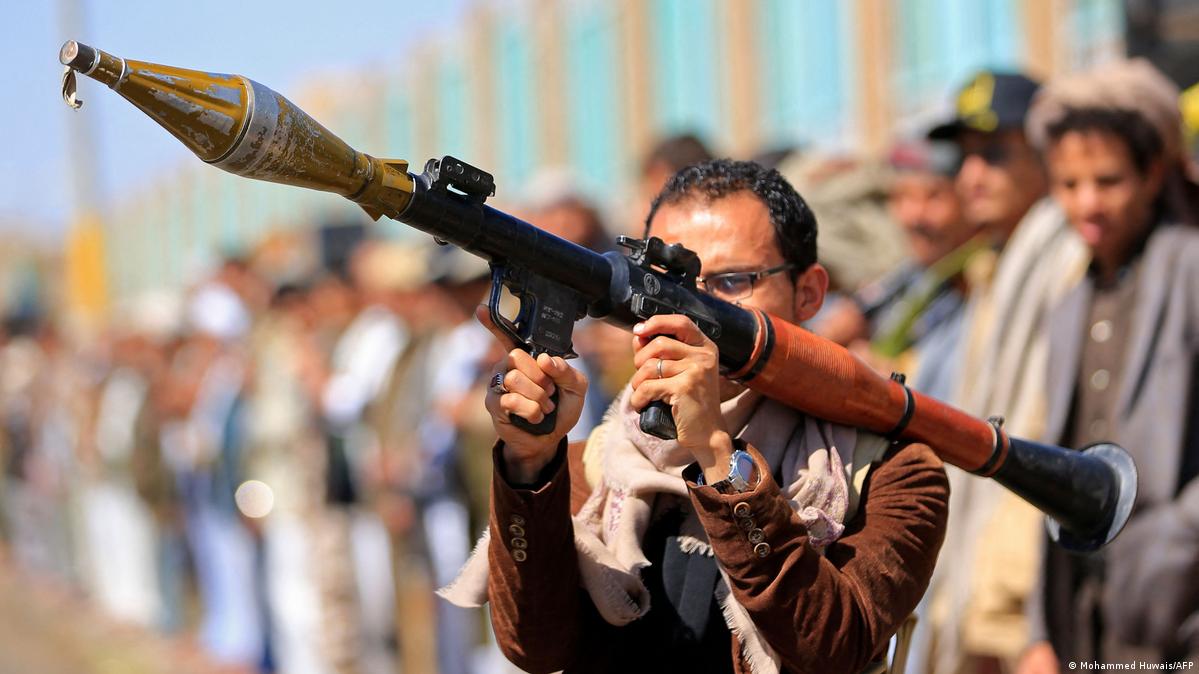
遭到邻国也门胡塞武装组织的袭击后,沙特阿拉伯已向众多盟友寻求帮助。
Under attack from the militant Houthi group in neighboring Yemen, Saudi Arabia has asked numerous allies for help.
其中包括美国,尽管媒体报道称,当沙特统治者穆罕默德·本·萨尔曼要求美国总统唐纳德·特朗普对胡塞武装采取直接军事行动时,特朗普予以了拒绝。
That includes the United States, even though media report that US President Donald Trump refused when Saudi ruler Mohammed bin Salman asked him to take direct military action against the Houthis.
然而,美国正在向沙特阿拉伯提供情报,其中包括一个使用人工智能(即AI)的目标定位工具。美国广播公司CNN在9月的一篇报道中援引几名不具名的美国官员的话称,有100至200名美军士兵身处沙特阿拉伯,作为新联合部队司令部的一部分来协助此项工作。
However the US is providing Saudi Arabia with intelligence, which includes a targeting tool that uses artificial intelligence, or AI. A September report by US broadcaster CNN, quoting several unnamed American officials, said that between 100 and 200 US soldiers were in Saudi Arabia as part of new joint force command to facilitate this.
CNN报道称,美方人员一直在协助沙特人“使用一个目标定位工具,让军官能够实时看到战场上正在发生的事情”。
The US personnel were helping the Saudis "use a targeting tool that allows military officers to see in real-time what is happening on the battlefield," CNN reported.
官员们表示,沙特阿拉伯的该系统类似于被称为“杰文智能系统”(Maven Smart System,简称MSS)的系统,美军在寻找伊朗、伊拉克和叙利亚的目标时也使用过该系统。
Officials said the system in Saudi Arabia was similar to that known as the Maven Smart System, or MSS for short, which the US military has also used as it sought targets in Iran, Iraq and Syria.
在沙特阿拉伯寻求更多帮助以对抗胡塞武装之际,英国派遣了战机,什么是杰文(Maven)?
UK sends warplanes as Saudi Arabia seeks more help against Houthis What is Maven?
MSS源自所谓的“杰文项目”(Project Maven),这是美国军方的旗舰人工智能项目,于2017年首次启动。华盛顿战略与国际问题研究中心的分析人士在6月的一篇文章中解释说,MSS本身就是一个人工智能赋能的数字平台,能够“聚合、组织和可视化海量的情报、监视和侦察数据”。
MSS came out of what's known as Project Maven, the US's flagship artificial intelligence program for the military, first launched in 2017. MSS itself is an AI-enabled digital platform that "aggregates, organizes and visualizes vast streams of intelligence, surveillance and reconnaissance data," analysts at the Center for Strategic and International Studies in Washington explained in a June text.
该软件系统可以识别来自实时卫星画面或无人机摄像头等数据中的模式,然后标记潜在目标,例如可能发射火箭的装置、坦克或可疑的车队。
The software system identifies patterns in data coming from, for example, live satellite feeds or drone cameras and then labels potential targets such as possible rocket launchers, tanks or suspicious vehicle convoys.
战略与国际问题研究中心的研究人员写道,在此之前,人类军事分析人士必须查阅大量不同的信源来试图找到这些目标。这很困难,而对于长达数小时的卫星或无人机视频来说,几乎是不可能的。但多源情报综合系统(MSS)现在将数百个信源汇集在一起,对它们进行全部分析,然后标记出潜在目标。它还会计算打击目标的最佳方法。
Previously human military analysts would have had to look at a wide array of different sources to try to find those, the CSIS researchers wrote. It was difficult and, in the case of hours of satellite or drone footage, almost impossible. But MSS now brings hundreds of sources together, analyses them all, then flags possible targets. It also calculates the best method of hitting the target.
前谷歌产品经理、科技评论员比拉瓦尔·西杜将多源情报综合系统(MSS)的配置描述为“战争版谷歌地球”。使用MSS极大地加速了所谓的“杀伤链”——也就是探测目标、判断其是否危险并下令实施打击所需的时间。
Tech commentator Bilawal Sidhu, a former Google product manager, has described the MSS set up as like a "Google Earth for war." Using the MSS dramatically speeds up what is known as "the kill chain" — that is, the time it takes to detect a target, decide if it's dangerous and then order a strike.
当美军在2月底打击伊朗时使用了MSS,这个人工智能驱动的系统在战争开始的前24小时内协助打击了1000多个目标。在此之前,美军士兵一天大约打击100个目标。更快的杀伤链?
When the US military used MSS while attacking Iran in late February, the AI-powered system facilitated hits on more than 1,000 targets within the first 24 hours of the war. Previously American soldiers were hitting about 100 targets a day. A faster kill chain?
直到最近,随着2022年经谈判达成非正式停火,也门长期酝酿的内战此前一直相对平静。
Up until recently, the long-simmering civil war in Yemen had been comparatively calm following an informal ceasefire negotiated in 2022.
胡塞反政府武装自2015年以来一直控制着也门北部和西部的大片地区。也门获得国际承认的政府和其他派别则控制着南部和东部的领土。后者得到了沙特阿拉伯和阿拉伯联合酋长国的支持。
The Houthi rebel group has held large parts of northern and western Yemen since 2015. Yemen's internationally recognized government and other groups held territory across the south and east. That latter is supported by Saudi Arabia and the United Arab Emirates.
胡塞武装自9月开始的最新军事行动,使得该组织进一步控制了也门海岸线。他们还再次加大了针对沙特阿拉伯的袭击力度,击中了该国的主要机场和石油设施。不过到目前为止,沙特阿拉伯、美国和其他国家针对胡塞武装的军事行动都未能显著削弱该组织。
The Houthi's latest military campaign, which began in September, has seen the group take further control of Yemen's coast. They also ramped up attacks against Saudi Arabia again, hitting the country's main airport and oil facilities. So far, though, military campaigns against the Houthi group by Saudi Arabia, the United States and others have all failed to significantly weaken the group.
英国智库查塔姆研究所专注于也门问题的研究员法雷亚·穆斯利米最近对德国之声表示,这部分是因为胡塞武装采取了“零和博弈的方式”。穆斯利米说,该组织的创始人曾认为,当代的穆斯林社会过于“软弱”,而贫困和苦难是神的考验。
This is partially because the Houthis take a "zero-sum approach," Farea al-Muslimi, a research fellow focused on Yemen at UK think tank Chatham House, told DW recently. The group's founding father argued that contemporary Muslim societies were too "soft," and that poverty and hardship are a divine test, al-Muslimi said.
她说:“他们根本不在乎以色列轰炸机场或是美国轰炸医院。这其实对他们非常有利,因为他们的意识形态全关于殉道和牺牲。”MSS的主要问题是,用户过去曾注意到MSS存在某些技术问题,这些问题在也门也可能带来麻烦。
"They don't care if the Israelis bomb the airport or the US bombs a hospital," she said. "It actually serves them very well because their ideology is all about martyrdom and sacrifice." MSS's major issues There are certain technical issues users have noted with the MSS in the past that could also prove problematic in Yemen.
胡塞武装往往具有高度机动性,他们在崎岖乡村的山丘和峡谷中活动时,会使用卡车搭载的弹道导弹和小型的无人机蜂群。即便在人工智能辅助瞄准的帮助下,武装人员在遭到攻击之前可能就已经离开很久了。
The Houthis tend to be highly mobile, using truck-mounted ballistic missiles and small drone swarms as they operate from hills and canyons in rugged countryside. It's possible that fighters might be long gone before they can be attacked even with the help of AI-assisted targeting.
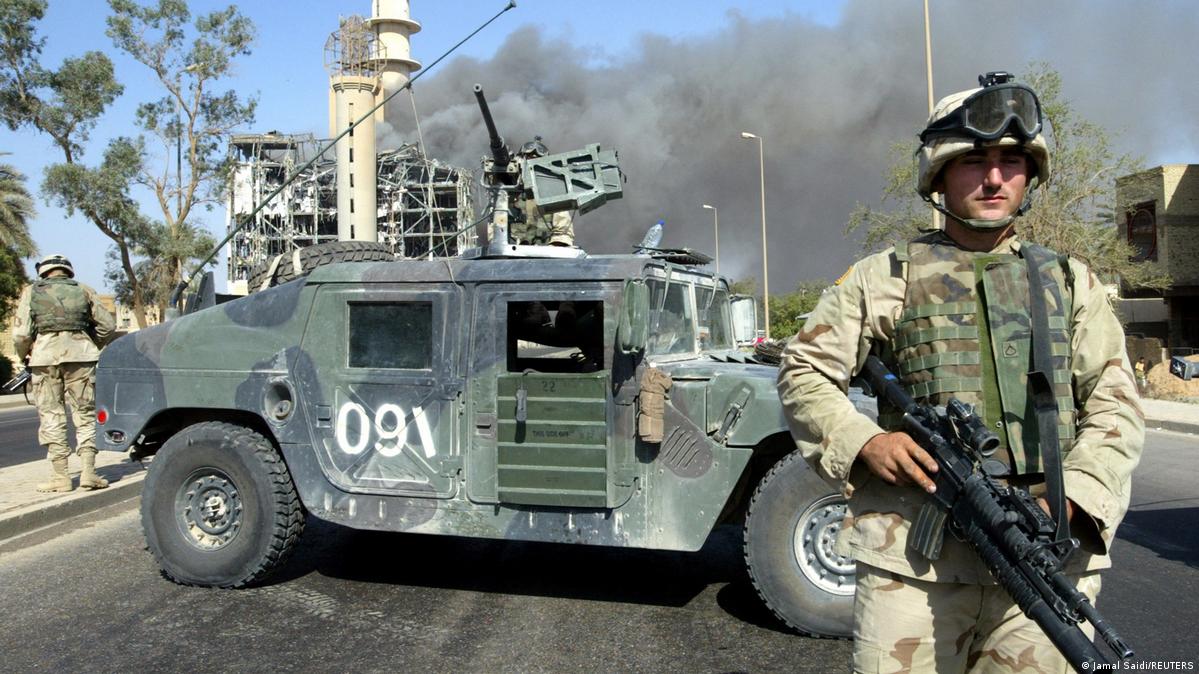
尽管已知MSS在相对人烟稀少的地方效果最好,但诸如沙漠地形变化、沙尘暴、大风、降雪、茂密的树叶,甚至蓄意设置的诱饵等因素,都会降低其成功率。
Though MSS is known to work best in relatively unpopulated areas, factors such as changes in desert terrain, dust storms, high wind, snowfall and dense foliage — and even deliberately planted decoys — can reduce its success rate.
缩短杀伤链也存在一个令人担忧的道德层面。人工智能辅助工具所识别的目标本应始终由人类进行核实,并由人类决定如何反应。
There is also a worrying ethical aspect to shortening the kill chain. A human is always supposed to verify the target that the AI-assisted tool has identified and decide how to react.
但实际情况并不总是如此。例如,MSS在战争第一天于伊朗境内锁定的目标中就包括一所学校。一枚美国导弹炸死了伊朗南部一所小学里的近200人,其中大多数是7岁至12岁的儿童。人工智能能击败胡塞武装吗?
But it doesn't always work that way. For example, among the sites MSS targeted in Iran on the first day of the war was a school. An American missile killed almost 200 people at a primary school in southern Iran, most of them children aged between seven and 12. Could AI defeat the Houthis?
在其对加沙的军事行动中,以色列——可以说是中东地区拥有最先进军事用途人工智能的国家——也使用了人工智能辅助瞄准。一个被称为“福音”(The Gospel),或称哈布索拉(Habsora)的以色列系统,其运作方式与MSS最为接近。
In its military campaign in Gaza, Israel — arguably the Middle Eastern country with the most advanced military-use AI — has also used AI-assisted targeting. An Israeli system known as the Gospel, or Habsora, is the closest to MSS in the way it works.
但是,正如包括以色列和英国记者在内以及在近期纪录片《纳扎》(Naza)等其他地方所记录的那样,由于此类人工智能目标锁定工具可能导致大量平民伤亡,它们的使用也一直存在严重的问题。
But, as has been documented elsewhere, including by Israeli and British journalists and in the recent documentary Naza, the use of such AI targeting tools have also been highly problematic because of the numbers of civilian casualties that can result.
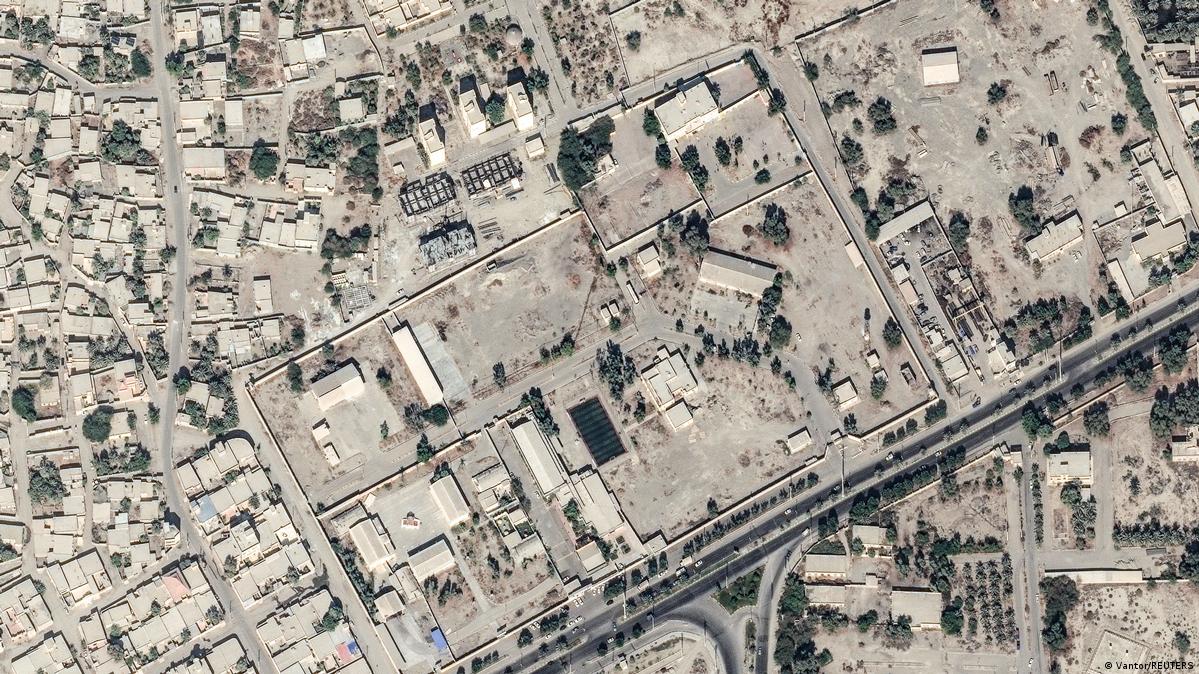
“一方面(在加沙),人工智能增强了指挥官的态势感知,降低了地下通道测绘的人员成本,提高了军事打击的速度,并增强了部队的生存能力,”分析人士弗雷德里克·韦赫里(Frederic Wehrey)和安德鲁·邦尼(Andrew Bonney)在专业媒体《战争岩石》(War on the Rocks)上撰文写道。“然而,据报道由于该技术的安全保障措施被放松或取消而导致平民死亡人数不断增加,这使得此类功能所带来的好处黯然失色。”
"On the one hand [in Gaza], AI has enhanced commanders' situational awareness, lessened the human costs of tunnel mapping, improved the speed of military strikes, and boosted the survivability of troops," analysts Frederic Wehrey and Andrew Bonney wrote for War on the Rocks, a specialist media outlet. "Yet the benefits afforded by such functions have been overshadowed by mounting civilian deaths reportedly resulting from this technology's safeguards being loosened or eliminated."
正因如此,常驻澳大利亚、曾研究以色列人工智能辅助技术影响的独立记者安东尼·洛温斯坦(Antony Loewenstein)不相信类似的技术会导致胡塞武装的失败。
All of which is why Antony Loewenstein, an independent journalist based in Australia who has researched the impact of Israel's AI-assisted technology, doesn't believe similar technology will lead to the defeat of the Houthi group.
“我认为根本没有什么证据表明,使用人工智能工具会在地面上产生多大影响,除了造成大量的平民伤亡,”著有《巴勒斯坦实验室:以色列如何向全球出口占领技术》(The Palestine Laboratory: How Israel Exports The Technology of Occupation Around the World)一书的洛温斯坦对德国之声(DW)表示。“我认为美国和沙特将发现,胡塞武装对破坏具有极其强大的忍耐力。”沙特阿拉伯在对胡塞武装的战争中处于守势
"I don't think there's much evidence at all that using an AI tool is going to make much difference on the ground, except for causing huge amounts of civilian casualties," Loewenstein, who authored the book, "The Palestine Laboratory: How Israel Exports The Technology of Occupation Around the World," told DW. "And I think what the US and the Saudis will find is that the Houthis have an incredibly high tolerance level for destruction." Saudi Arabia on the backfoot in the war against the Houthis