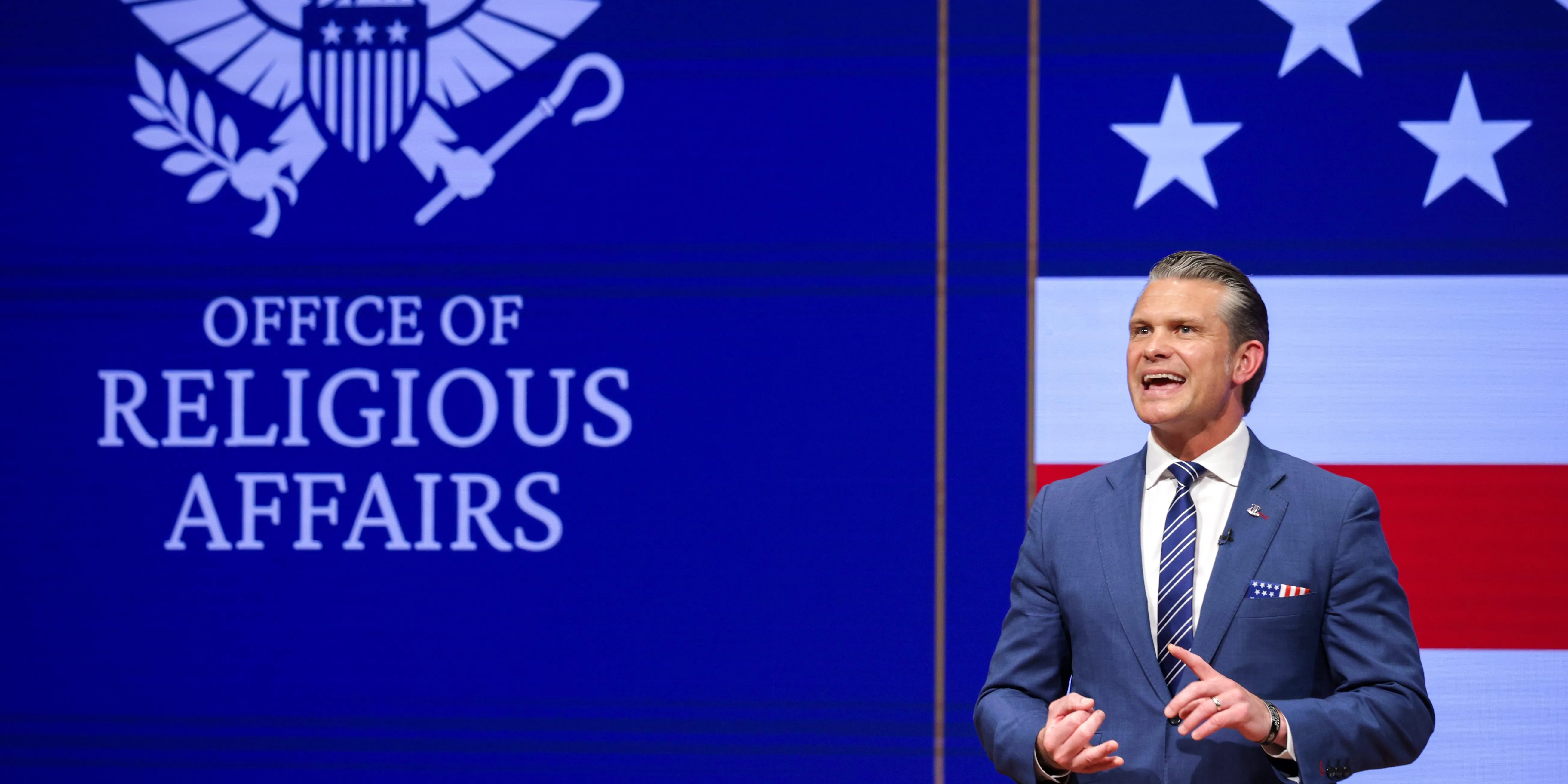
国防部长皮特·赫格塞斯为军队宗教领袖开通了直接联系他的渠道——而现任及前任军方随军牧师表示,他们并不想要这个渠道。
Defense Secretary Pete Hegseth has extended a line for the military’s religious leaders to reach him directly — and current and former military chaplains say they don’t want it.
赫格塞斯于9月30日宣布成立一个新的宗教事务办公室,并承诺该办公室将使武装部队随军牧师团队能够直接联系他,而不会受到“官僚主义的稀释”。这与他公开倡导的基督教“派我去吧”(Send Me)运动不谋而合,这是一项五角大楼在夏季发起的网络宣传活动,旨在推广一个被普遍理解为接受神圣使命誓言的圣经短语。
Hegseth announced the creation of a new Office of Religious Affairs on September 30, vowing that the office would give members of the armed forces’ chaplain corps access to him without “bureaucratic dilution.”It coincides with his openly Christian “Send Me” campaign , an online propaganda effort that the Pentagon launched over the summer promoting a biblical phrase widely understood as a vow to accept a divine mission.
一位现役陆军上尉兼非基督教随军牧师对《拦截》杂志表示:“我们不应该把国家的使命包裹在某一特定宗教之中。”由于担心遭到国防部的报复,该牧师被允许匿名。他表示,随着赫格塞斯的五角大楼日益极力推行基督教,他和其它非基督教随军牧师担心,这个新的宗教事务办公室将被用来做这件事。
“We should not be in the business of wrapping the state’s mission in one particular religion,” an active-duty Army captain serving as a non-Christian chaplain told The Intercept. But as Hegseth’s Pentagon increasingly pushes Christianity , the chaplain, who was granted anonymity because he feared retaliation from the Defense Department, said he and other non-Christian chaplains worry the new religious affairs office will be used to do just that.
赫格塞斯的身上有各种基督教和十字军的图像,包括胸前的耶路撒冷十字架以及肱二头肌上的拉丁语短语“Deus vult”(意为“上帝的意愿”)——这是一个与中世纪十字军东征相关的战吼,后来被极右翼极端分子所采用。他的前臂上有一个十字架和一把剑,暗指《马太福音》第10章第34节,其中耶稣宣称他来不是为了带来和平而是带来剑,旁边还有耶稣的希伯来语名字。
Hegseth’s body bears an assortment of Christian and Crusader imagery, including a Jerusalem cross across his chest and the Latin phrase “Deus vult,” or “God wills it,” on his bicep — a battle cry associated with the medieval Crusades that has since been adopted by far-right extremists. His forearm bears a cross and sword referencing Matthew 10:34, in which Jesus declares that he came not to bring peace but a sword, alongside the Hebrew name for Jesus.
2021年,一名国民警卫队战友曾因赫格塞斯的“Deus vult”纹身将其标记为潜在的安全威胁,随后赫格塞斯被取消了负责保护乔·拜登就职典礼的任务。
In 2021, a fellow National Guard member flagged Hegseth as a potential security threat over his Deus vult tattoo, before Hegseth was removed from an assignment protecting Joe Biden’s inauguration.
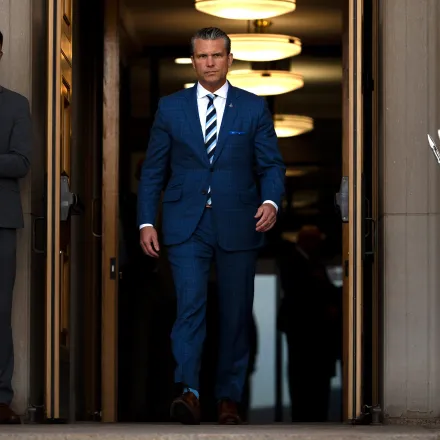
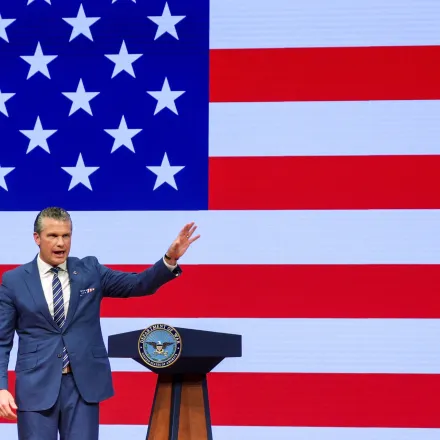
作为国防部长,海格塞斯经常采用以宗教和复仇为核心的信息传达方式,同时宣传美国和以色列在伊朗不得人心的战争。他的“派遣我”(Send Me)运动围绕《以赛亚书》第6章第8节展开,这是一句常被基督徒援引作为服务上帝呼召的圣经经文。上个月在五角大楼举行的“9·11”事件演讲中,海格塞斯表示,袭击发生后“反对邪恶的斗争”在今天仍在继续,“并将持续到审判日”,随后他谈到了当前与伊朗的战争。
As defense secretary, Hegseth has frequently turned to messaging that centers religion and vengeance while promoting the U.S. and Israel’s unpopular war in Iran . His “ Send Me ” campaign is built around Isaiah 6:8, a biblical verse commonly invoked by Christians as a call to serve God. During his 9/11 speech last month at the Pentagon, Hegseth said the “struggle against evil” that followed the attacks continues today and “will continue until Judgment Day,” before turning to the current war with Iran.
这位随军牧师表示:“将特定的经文语言用于军事行动,不恰当的把国家批准的武装冲突和政府服役描绘成了一场基督教宗教十字军东征。一旦一项任务被宣布为上帝的意志,其中的每一个行动就都被提前神圣化了。”
“Using specific scriptural language for a military campaign inappropriately frames state-sanctioned armed conflict and government service as a Christian religious crusade,” the chaplain said. “Once a mission is declared God’s will, every act inside it is sanctified in advance.”
这位牧师说,新的宗教事务办公室可能会巩固这种态势。虽然建立该办公室的五角大楼备忘录称,该办公室不能强制参与宗教活动,也不能削弱任何信仰或无信仰军人的宗教自由行使权利,但该办公室的主任将直接向海格塞斯和国防副部长汇报,监督三军随军牧师委员会(Armed Forces Chaplains Board),并与认可军方随军牧师的民间宗教组织合作。
The new Office of Religious Affairs, the chaplain said, could entrench this dynamic. While the Pentagon memo establishing the office says it cannot compel religious participation or diminish the free-exercise rights of service members of any faith or no faith, the office’s director will report directly to Hegseth and the deputy defense secretary, oversee the Armed Forces Chaplains Board, and work with the civilian religious organizations that endorse military chaplains.
该办公室还负责监督全军评估精神健康、精神战备和精神韧性的工作。这位牧师警告说,这种集中控制可能会使随军牧师队伍中保持多元化变得困难。
The office will also oversee efforts to assess spiritual fitness, spiritual readiness, and spiritual resilience across the force. This consolidated control, the chaplain warned, may make it difficult to maintain pluralism among the chaplain corps.
这位陆军随军牧师说:“我们的随军牧师队伍必须为[非基督教军人]服务,而不仅仅是为那些与国防部长有共同信仰的军人服务。”虽然现在知道这一权力对非基督教随军牧师意味着什么还为时过早,但他想知道这可能会如何改变随军牧师本身的行列。
“Our chaplain corps must serve [non-Christian service members], not just the soldiers that share a faith with the SecDef,” the Army chaplain said. While it’s too early to know what that authority will mean for non-Christian chaplains, he wondered how it might change the ranks of the chaplaincy itself.
“这个群体是否会开始在我们的队伍中接受越来越少的非基督教随军牧师?”他说。“我们是否会看到越来越少的非基督教随军牧师被选拔晋升?”
“Will this group begin accepting fewer and fewer non-Christian chaplains into our ranks?” he said. “Will we begin seeing fewer and fewer non-Christian chaplains be chosen for promotions?”
这些担忧不仅限于现役随军牧师。前军事随军牧师、现协助监督一神普救派协会对担任军事随军牧师的神职人员进行背书的丽贝卡·萨维奇(Rebekah Savage)牧师博士表示,该办公室成立前并未征求该组织的意见。
The concerns extend beyond the active-duty chaplain. Rev. Dr. Rebekah Savage, a former military chaplain who now helps oversee the Unitarian Universalist Association’s endorsement of clergy serving as military chaplains, said the organization was not consulted before the office was established.
“我深切关注这个办公室将如何满足现役军人的宗教需求,”她说。“我无法代表随军牧师团的其他成员,但我知道我并不孤单。”
“I am deeply concerned about how this office will serve the religious needs of the members of the service,” she said. “I can’t speak for others who are a part of the chaplaincy corps, but I know I am not alone.”
针对《拦截》杂志(The Intercept)关于新办公室的提问,五角大楼新闻秘书金斯利·威尔逊(Kingsley Wilson)在声明中写道,国防部“保护每一位军人和文职雇员在不受强迫或歧视的情况下践行信仰的宪法权利。这就是海格塞斯部长最近设立宗教事务办公室的原因。”她表示,祈祷仪式和宗教活动始终是自愿的。
In response to questions about the new office from The Intercept, Pentagon press secretary Kingsley Wilson wrote in a statement that the department “protects the constitutional right of every service member and civilian employee to practice their faith without coercion or discrimination. This is why Secretary Hegseth recently established the Office of Religious Affairs.”She said that prayer services and religious activities are always voluntary.
“基督教信仰深深交织在我们国家的肌体之中,并为美国的战时领导人所共享,例如在福吉谷为部队祈祷的乔治·华盛顿总统,以及在二战期间向美国士兵赠送《圣经》并鼓励他们阅读的富兰克林·D·罗斯福总统,”威尔逊补充道。“尽管左翼努力将我们的基督教传统从我们伟大的国家中抹去,但海格塞斯部长是拥抱这一传统的人之一。”
“The Christian faith is woven deeply into the fabric of our nation and shared by America’s wartime leaders like President George Washington, who prayed for his troops at Valley Forge, and President Franklin D. Roosevelt, who gifted Bibles to America soldiers during WW2 and encouraged them to read it,” Wilson added. “Despite the Left’s efforts to remove our Christian heritage from our great nation, Secretary Hegseth is among those who embrace it.”
今年8月,当“ ”仍可被当作一连串社交媒体帖子而不予理会时,五角大楼多次拒绝解释该短语的含义,也未说明它是否代表了一项更广泛的传播战略。
In August, when “” could still be dismissed as a string of social media posts, the Pentagon repeatedly declined to explain what the phrase meant or whether it represented a broader communications strategy.
正如宗教学者先前向《拦截》杂志所解释的那样,五角大楼对这段经文的使用剥离了圣经故事的一部分。以赛亚并不是被派去消灭神的敌人;他是被派去向他自己的族人发出警告。而且,这一使命并非以军事胜利告终,而是以审判告终。城市变成空城,土地遭到荒废,神自己的子民承受了这场毁灭。
As scholars of religion previously explained to The Intercept, the Pentagon’s use of the passage strips away part of the biblical story. Isaiah is not being sent to destroy God’s enemies; he is being sent to preach a warning to his own people. And the commission ends not in military triumph, but judgment. Cities are left empty, the land is devastated, and God’s own people suffer the destruction.
威尔逊在声明中补充道:“海格塞斯部长的‘派我去’巡回活动是一项军事外展和招募倡议,旨在表彰志愿服役的美国人。”“我们感谢那些过去、现在和未来举起右手说‘派我去’的美国人们。”
“Secretary Hegseth’s Send Me Tour is a military outreach and recruitment initiative focused on recognizing the Americans who volunteer to serve,” Wilson added in her statement. “We are grateful for the Americans—past, present, and future–who have raised their right hand and said, ‘Send Me.'”
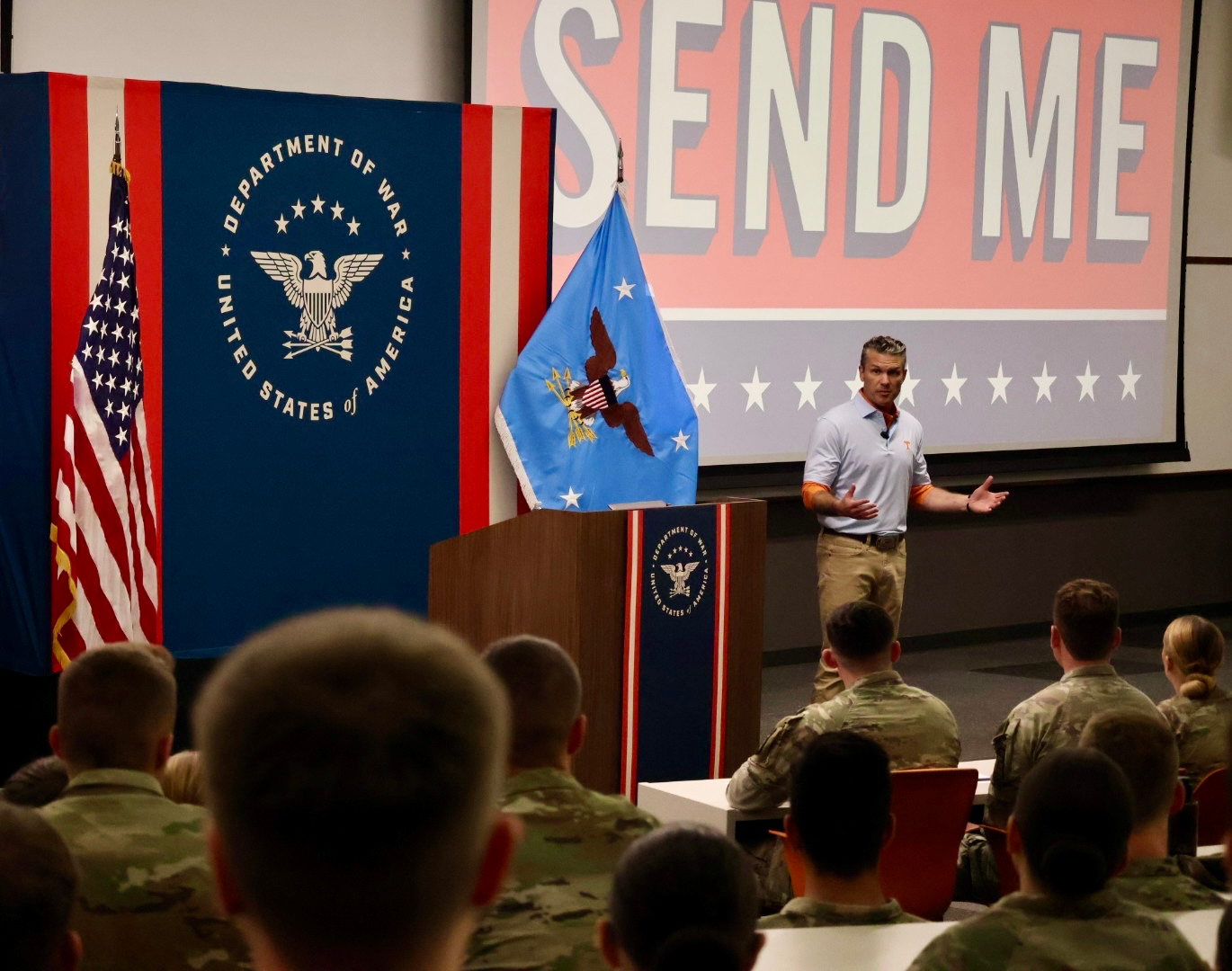
2026年10月17日,在诺克斯维尔的田纳西大学举行的一场“派我去”巡回活动中,海格塞斯向预备役军官训练团学员发表讲话。照片:美国国民警卫队泰莎·林赛上尉/美国陆军关于五角大楼对待少数宗教传统方式的种种疑问,在这个新办公室成立之前就已存在。
Hegseth addresses Reserve Officers’ Training Corps cadets during a “Send Me” tour event at the University of Tennessee in Knoxville, on Oct. 17, 2026. Photo: Capt. Tessa Lindsey/U.S. Army National Guard Questions about the Pentagon’s treatment of minority religious traditions predate the new office.
6月,萨维奇与另外10名宗教背书人联名致信海格塞斯,反对修订军队的“宗教信仰代码”列表。签署人表示,这些修改移除或模糊了几个宗教社群的身份,包括普世一神论派、历史上以黑人为主的教会以及威卡教和异教的从业者。
In June, Savage joined 10 other religious endorsers in a letter to Hegseth objecting to revisions to the military’s Religious Affiliations Code list. The signatories said the changes removed or obscured the identities of several religious communities, including Unitarian Universalists, historically Black churches, and Wiccan and Pagan practitioners.
这些背书人警告称,这些修改可能会影响宗教便利、神职人员的接触渠道以及军队牧师资源的分配。他们写道:“分类就是资源分配。”
The endorsers warned that the changes could affect religious accommodations, access to clergy, and the distribution of chaplaincy resources. “Classification is resource allocation,” they wrote.

萨维奇表示,先前的修改加上宗教事务办公室的成立,“令人对国防部满足其所有成员精神需求的承诺产生质疑”。
Savage said the earlier changes, combined with the establishment of the Office of Religious Affairs, “calls the Department’s commitment to meeting the spiritual needs of all of its members into question.”
这位现役陆军牧师质疑,在一位日益将基督教经文纳入其公开信息的国防部长领导下,该办公室声称的宗教自由保护措施在实践中将如何运作。
The active-duty Army chaplain questioned how the office’s stated religious-freedom protections would work in practice under a defense secretary who has increasingly incorporated Christian scripture into his public messaging.
“将存在什么监督来防止宗教偏见?”他说。“进行投资时,他们会用基督教的标准来定义精神健康,还是用更具多元主义的标准?”
“What oversight will exist to prevent religious bias?” he said. “When investments are made, will they be defining spiritual fitness by Christian, or by more pluralistic metrics?”
同样的担忧也延伸到了资金方面。该办公室的资助重点包括为军人家庭提供基于信仰的在家教育支持、基于信仰的自杀干预项目,以及与宗教组织的合同。
The same concerns extend to money. The office’s funding priorities include faith-based home school support for military families, faith-based suicide-reduction programs, and contracts with faith-based organizations.
“人文主义者、穆斯林、犹太人、印度教徒和其他群体,是否会为这类项目获得平等、相当数量的支持和资金?”这名陆军随军牧师说,“还是所有或大部分资金都将流向基督教组织?”
“Will the Humanists, Muslims, Jews, Hindus, and other groups receive an equal, commensurate amount of support and funding for such programs?” the Army chaplain said. “Or will all or most of the funding go to Christian based organizations?”
除了机构支持之外,这位随军牧师表示,五角大楼的宗教信息可能会干扰其职业的核心职责之一:帮助军人应对良知、道德和杀戮等问题。
Beyond institutional support, the chaplain said the Pentagon’s religious messaging could interfere with one of the central responsibilities of his profession: helping service members navigate questions of conscience, morality , and killing.
在上个月为《任务与目标》杂志撰写的报道中,这名记者调查了陆军随军牧师如何准备应对战争中人工智能带来的道德和精神后果。正如一位军事伦理学者所指出的那样,当军人觉得自己对违反其价值观的行为负有责任时,就会产生道德损伤,尽管他们在这些决策中几乎没有什么实质性的控制权。
In reporting for Task & Purpose last month, this reporter examined how Army chaplains were preparing to address the moral and spiritual consequences of artificial intelligence in warfare . As one scholar of military ethics pointed out, moral injury can arise when service members feel responsible for actions that violate their values, even when they have little meaningful control over those decisions.
这名陆军随军牧师提出了一个相关的担忧:当军方自己援引宗教权威来为其使命辩护时,会发生什么?
The Army chaplain raised a related concern: What happens when the military itself invokes religious authority to justify its mission?
“对于一个被命令去杀死同类、或者冒着生命危险为一个他不信仰的神而战的非基督教士兵,我能对他说什么?”
“What can I say to a non-Christian soldier who is being ordered to kill his fellow man or risk dying himself for a god he does not believe in?”
“如果我作为随军牧师的角色是就道德和伦理问题向士兵和指挥官提供建议,我现在能对他们说什么?”他说,“如果国家已经宣布他们的神已经主导了他们的战争,我该如何就采取符合道德和伦理的行动向指挥官提供建议?”
“If my role as a chaplain is to advise soldiers and commanders of issues of morality and ethics, what can I say to them now?” he said. “How can I advise a commander on doing moral and ethical actions if the state has announced that their god has ordained their war?”
这名陆军随军牧师表示,对于不信仰军事领导层所援引的宗教信仰的军人来说,这种张力可能尤为难以调和。
For service members who do not share the religious beliefs invoked by military leadership, the Army chaplain said, that tension could be especially difficult to reconcile.
“我能对一个非基督徒士兵说些什么呢?他正奉命去杀死同类,或者为了一个他不信仰的神而冒着自己死亡的危险,”他说。“我该对一个士兵说些什么呢?他认为某个行动是不道德的,但同时也认为那是上帝所命令的。”
“What can I say to a non-Christian soldier who is being ordered to kill his fellow man or risk dying himself for a god he does not believe in?” he said. “What do I tell a soldier who believes an action is immoral, but also believes that God commanded it?”
本文原载于《拦截》杂志(The Intercept),原标题为《海格塞斯为宗教在五角大楼建立了一个新办公室:军方宗教领袖们希望他没有这么做》。
The post Hegseth Built a New Pentagon Office for Religion. Military Religious Leaders Wish He Hadn’t. appeared first on The Intercept .