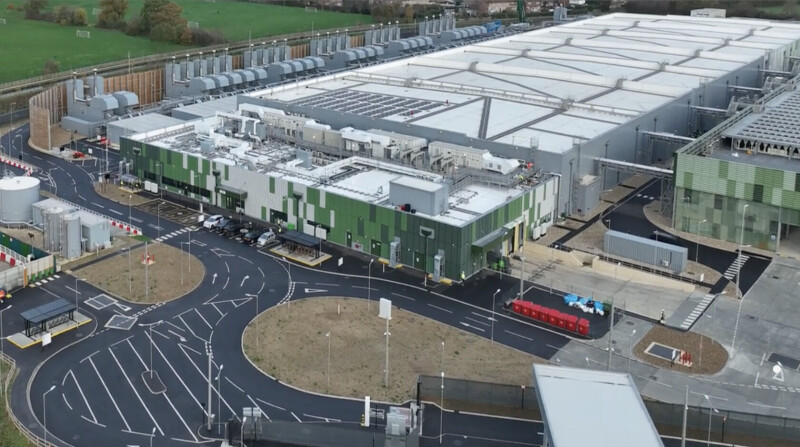
在英国建设数据中心涉及三个政府部门:一个负责数据中心政策,一个负责电信,还有一个负责能源。议员们本周探讨了首相安迪·伯纳姆夏季内阁改组对企业应对白厅(指英国中央政府)意味着什么。议会国务次官丽兹·劳埃德跨两个部门任职,其职责清单长得像周购物清单一样。她本周向议员解释称,在决定撤销科学、创新和技术部(DSIT)后,与科技行业就数据中心建设进行联络的职责落到了商业、创新、科学和贸易部(BIST)头上。
Building a UK datacenter spans three government departments: one handles datacenter policy, another telecoms, and a third energy. MPs this week explored what Prime Minister Andy Burnham's summer reshuffle means for businesses navigating Whitehall. Liz Lloyd, parliamentary under-secretary of state, sits across two departments with a portfolio of responsibilities as long as a weekly shopping list. She explained to MPs this week that, following the decision to get rid of the Department for Science, Innovation and Technology (DSIT), liaison with the tech industry on datacenter construction fell to the Department for Business, Innovation, Science and Trade (BIST).
劳埃德同时在BIST和数字、文化、媒体和体育部(DCMS)任职,她接着解释说,数字基础设施属于DCMS管辖范围。在向下院科学技术委员会作证时,劳埃德承认部门职责存在一些重叠。“就行业职责而言,很清楚,电信归DCMS管,数据中心归BIST管。当你身处行业内或试图经营企业时,这很清楚,”这位初级部长说道。
Lloyd, who works across BIST and the Department for Digital, Culture, Media and Sport (DCMS), went on to explain that digital infrastructure sits within DCMS. Speaking to the House of Commons Science and Technology Committee, Lloyd acknowledged that some departmental responsibilities overlapped. "In terms of sector responsibilities, that is clear that technology, sorry, that telecom sits with DCMS and datacenters with BIST. When you're actually in an industry or you're trying to run a business, that that that is clear," the junior minister said.
任何试图建设数据中心的企业可能还想知道如何为其接入电力。据《注册报》弄清的情况,那将是能源安全与净零部的职责。规划许可由地方政府负责,尽管总体政策由住房、社区和地方政府部掌握。这或许清楚,但绝不简单。问题确实存在。本月早些时候,微软因难以为设施获得电力供应,退出了英国最大AI超级计算机的建设计划。
Any business trying to build a datacenter might also want to know how to get power to it. As far as The can figure out, that would be the Department for Energy and Net Zero. Planning permission rests with local government, although the overall policy lies with the Ministry of Housing, Communities and Local Government. It may be clear, but it is hardly simple. The problem is real, though. Earlier this month, Microsoft pulled out of plans for Britain's largest AI supercomputer because of difficulties securing power for the facility.
在听证会的其他环节,劳埃德被问及政府2025年初的声称,即通过现代化老旧技术和数字化流程,可带来450亿英镑的生产力节约。
Elsewhere in the hearing, Lloyd was asked about the government's early 2025 claim that modernizing aging technology and digitizing processes could deliver £45 billion in productivity savings.
当被问及政府是否坚持这一数字时,这位初级部长表示:“450亿英镑这一数字是对长期生产力收益的估算。它不是一次性的节省数字……它从来不是一个目标数字,也不是一个可变现的节省数字。”
Asked if the government stood by the figure, the junior minister said: "The £45 billion figure was an estimate of long-term productivity gains. It wasn't a kind of one-off figure for savings… it was never a figure that was a target or a cashable savings figure."
当这一数字在斯塔默政府于2025年1月公布时,新闻稿的标题为“陈旧技术导致公共部门错失每年450亿英镑节省”。新闻稿接着称:“从国家医疗服务体系(NHS)到地方议会,纳税人资助的服务因过于依赖老旧和过时的技术,错失了450亿英镑的生产力节省。”新闻稿声称,政府将利用“数字工具、人工智能和常识来彻底改革公共部门技术”,以“解决这些问题”。®
When the figure was publicized under the Starmer government in January 2025, the press release was headed "Archaic tech sees public sector miss £45 billion annual savings." It continued: "Taxpayer funded services from the NHS to local councils are missing out on £45 billion in productivity savings because they are too often dependent on old and outdated technology." It claimed the government would "tackle these issues" using "digital tools, AI and common sense to overhaul public sector technology." ®