巴西总统路易斯·伊纳西奥·卢拉·达席尔瓦将不得不应对一个分裂的巴西、一个不友好的国会、脆弱的公共财政,以及一个唐纳德·特朗普式的威胁,这将是他前所未有的第四个任期。
President Luiz Inacio Lula da Silva will have to wrestle with a divided Brazil, an unfriendly Congress, feeble public finances and a Donald Trump-shaped menace during his unprecedented fourth term.
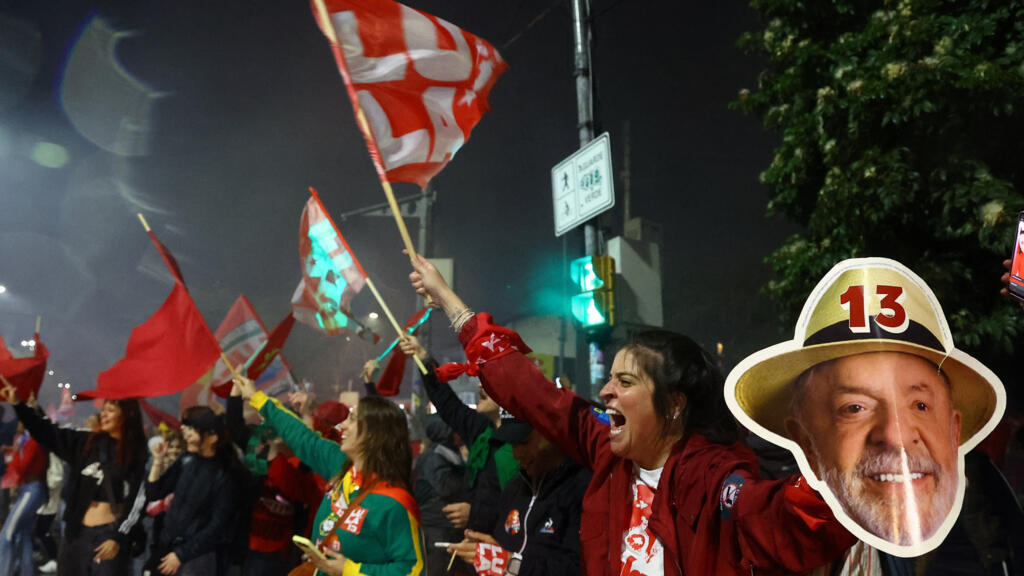
巴西里约热内卢,2026年10月25日,巴西总统路易斯·伊纳西奥·卢拉·达席尔瓦的支持者在其赢得第四个总统任期后庆祝。© Silvio Avila, AFP 在他81岁生日前几天,这位前工会领袖在周日的决选中以51.7%的得票率击败了获得48.2%选票的右翼挑战者弗拉维奥·博尔索纳罗。这一微弱的结果证实了十年来分裂巴西的政治鸿沟,并显示尽管其极右翼领袖因企图政变被判处27年监禁,博尔索纳主义依然强劲。以下是卢拉在其下一个任期将面临的主要挑战。
Supporter of Brazil's Luiz Inacio Lula da Silva celebrate after he won a fourth term as president in Rio de Janeiro, Brazil, on October 25, 2026. © Silvio Avila, AFP Days before his 81st birthday, the former union leader won Sunday's runoff with 51.7 percent of the vote over 48.2 percent for his right-wing challenger Flavio Bolsonaro The narrow result confirms the political divide that has split Brazil for a decade and shows that Bolsonarism remains strong, despite its far-right leader's 27-year prison sentence for attempting a coup. Here are the main challenges awaiting Lula in his next mandate.
治理能力 与其现任任期一样,卢拉在国会中不会拥有多数席位。
Governability As in his current term, Lula will not have a majority in Congress.
本月早些时候的立法选举增强了右翼力量,使博尔索纳罗的自由党成为拥有513名联邦众议员中121席和81名联邦参议员中28席的第一大党。
Legislative elections earlier this month bolstered the right, making Bolsonaro's Liberal Party the leading force with 121 out of 513 deputies and 28 out of 81 senators.
为了推动其提案通过,卢拉将不得不严重依赖所谓的“中间派集团”,这是一个中右翼政党集团,通常支持掌权者以换取利益。
To get his proposals through, Lula will depend heavily on the so‑called "Centrao," a bloc of center-right parties that usually backs whoever is in power in exchange for benefits.
但据里约热内卢联邦大学政治学家马伊拉·古拉尔特称,与他们谈判变得越来越困难。她告诉法新社,立法者现在决定联邦预算中越来越大份额的命运,这使他们“拥有了更多相对于行政部门的独立性”。
But negotiating with them is becoming increasingly difficult, according to political scientist Mayra Goulart of the Federal University of Rio de Janeiro Lawmakers now decide the fate of an ever larger share of the federal budget, she told AFP, giving them "more independence from the executive."
经济 在经济方面,“巴西的三大问题是财政问题、财政问题和财政问题”,热图利奥·瓦加斯基金会(FGV)经济学家毛罗·罗克林告诉法新社。
Money Economically, "Brazil's three big problems are the fiscal problem, the fiscal problem, and the fiscal problem," economist Mauro Rochlin of the Getulio Vargas Foundation (FGV) told AFP.
国家支出超过收入,公共债务超过国内生产总值的80%,巴西中央银行维持全球最高利率水平之一以抑制通胀。罗克林表示,这种局势“可能非常迅速地演变成经济危机”。
The state spends more than it collects, public debt exceeds 80 percent of GDP, and Brazil's central bank maintains one of the world's highest interest rates to contain inflation The situation "could very quickly turn into an economic crisis," said Rochlin.
调整在所难免,但也充满挑战,因为这涉及“不受欢迎的措施”,且要面对国会内部“非常强大的游说集团”,他说。
Adjustment is inevitable but difficult since it involves "unpopular measures" and confronting "very powerful lobbies within Congress," he said.
这一挑战很可能会与卢拉的旗舰福利项目发生冲突,这些项目已让数百万人摆脱贫困,他在竞选期间扩大了这些项目以争取选民——引来反对派的猛烈抨击。
The challenge is likely going to clash with Lula's flagship welfare programs, which have lifted millions out of poverty and which he expanded during the campaign to win voters -- drawing fierce criticism from the opposition.
治安 竞选活动以治安问题为主导,暴力是许多巴西人的巨大担忧。
Insecurity The election campaign was dominated by security concerns, with violence a huge worry for many Brazilians.
因被反对派指责手软,卢拉将面临展现成效的压力,特别是要打击控制多个城市领地的犯罪集团和民兵组织。
Accused by the opposition of having a soft touch, Lula will be under pressure to show results, particularly by tackling criminal groups and militias that control territory in several cities.
在竞选途中,他表示将支持将恶性犯罪的刑事责任年龄从18岁降至16岁,而政治右派则希望降至14岁。
On the campaign trail, he said he would support lowering the age of criminal responsibility from 18 to 16 for heinous crimes, while the political right wants to reduce it to 14 years.
特朗普 随着对美国在拉美地区干预日益扩大的担忧加剧,卢拉以保护巴西主权为承诺进行竞选。
Trump Lula campaigned on a pledge to protect Brazilian sovereignty as concerns grow about the broadening interventions of the United States across Latin America.
去年,特朗普因法律诉讼针对其盟友雅伊尔·博尔索纳罗,对巴西征收关税进行报复,随后今年又对部分产品加征25%的关税。
Trump slapped tariffs on Brazil last year in retaliation for legal proceedings against his ally Jair Bolsonaro, followed by another 25 percent tariff on some products this year.
巴西总统将不得不在不放松其反帝国主义基调的前提下处理与华盛顿的关系,而特朗普政府正日益在该地区彰显存在感。
Brazil's president will have to manage relations with Washington without relaxing his anti-imperialist tone, all while the Trump administration increasingly asserts itself in the region.
与此同时,拉美地区的右翼领导人纷纷与特朗普结盟,这一趋势被称为“橙色浪潮”,指的就是这位美国领导人的肤色。
Right-wing leaders across Latin America have meanwhile aligned with Trump in a trend dubbed the "Orange Wave," in reference to the US leader's complexion.
尽管意识形态“对象征性交锋很重要”,但在实践中“并不那么相关”,圣保罗热图利奥·瓦加斯基金会(FGV)国际关系教授奥利弗·斯滕克尔表示。他以巴西与阿根廷的关系为例。
Although ideology "matters for symbolic encounters," it is "not that relevant" in practice, according to Oliver Stuenkel, an international relations professor at the FGV. He points to Brazil-Argentina relations as an example.
斯滕克尔告诉法新社:“从根本上说,尽管阿根廷领导人哈维尔·米莱辱骂卢拉,但双边关系的实质并没有发生太大变化。”
"Deep down, the substance of the relationship hasn't changed that much" despite Argentine leader Javier Milei's insults toward Lula, Stuenkel told AFP.