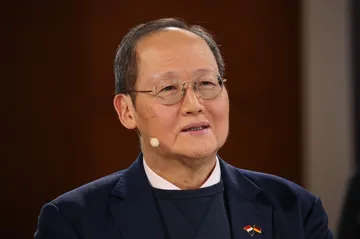
新加坡正在实现供应商多元化、增加储存设施并建设新基础设施,以试图保护自身免受日益增长的资源民族主义风险影响,新加坡能源、贸易及工业部长陈诗龙周一在演讲中表示。
Singapore is diversifying suppliers, adding storage and building new infrastructure to try to protect itself from growing risks of resource nationalism, Singapore’s Minister for Energy, Trade and Industry Tan See Leng said in a speech on Monday.
此番表态之际,印度尼西亚自周六起开始削减向这个城市国家出口的天然气,总统普拉博沃·苏比安托旨在加强国内供应。新加坡能源市场管理局表示,该国供应充足,且削减量不到其天然气日总需求的2%,陈诗龙称不存在短缺担忧。
The remarks came as Indonesia began reducing natural gas exports to the city-state from Saturday, as President Prabowo Subianto seeks to bolster domestic supply. Singapore’s Energy Market Authority has said the country has sufficient supplies and that the cuts represent less than 2% of its total daily gas demand, and Tan said there is no concern of shortages.
“我们可以保持冷静,照常运作,”他在新加坡国际能源周会议上说。“我们的家庭和企业可以放心,能源安全始终是我们最关心的事项。”陈诗龙表示,新加坡计划增加更多液化天然气接收能力,以便从更广泛的供应商进口,建设新电厂并增加燃料储备,以防范潜在中断。
“We can keep calm and carry on,” he said at the Singapore International Energy Week conference. “Our households and our businesses can be assured that our energy security is always at the top of our minds.”Singapore plans to add more liquefied natural gas capacity to import from a wider array of suppliers, build new power plants and increase fuel stockpiles to guard against potential disruptions, Tan said.
“新加坡无法将自己与全球或地区冲击隔绝,”他说。“一旦出现供应紧张,各国也可能优先满足本国国内需求,这种资源民族主义趋势令人特别担忧。”虽然印度尼西亚是主要天然气出口国,但近年来海外出货量有所下降,因为越来越多的产量被用于国内。主要液化天然气市场包括中国、日本和韩国,而管道天然气则输往新加坡和马来西亚。
“Singapore will not be able to insulate ourselves from global or regional shocks,” he said. “When there is a supply crunch, countries may also prioritize their own domestic needs, and this trend of resource nationalism is particularly concerning.”While Indonesia is a major gas exporter, overseas shipments have declined in recent years as a growing share of output is directed to domestic use. Major liquefied natural gas markets include China, Japan and South Korea, while pipeline natural gas is sent to Singapore and Malaysia.
印度尼西亚是新加坡主要的天然气供应国——新加坡发电几乎完全依赖进口燃料——但随着液化天然气运输量增长,该岛国近年来已大幅降低了对管道供气的依赖。
Indonesia is a top supplier of gas to Singapore — which depends on the imported fuel for nearly all of its power generation — but the island has significantly reduced its dependence on pipeline supplies in recent years as LNG shipments have grown.
“我们约有一半天然气以液化天然气形式进口,来源来自全球多元化的供应组合,如美国、非洲、中东和澳大利亚,”陈诗龙说。
“About half of our gas is imported as LNG from a global diversified portfolio of sources, such as the US, Africa, the Middle East, and Australia,” Tan said.
他表示,该国预计在第二座进口接收站于2030年前投入运营后,其液化天然气吞吐能力将再增加50%。
The country expects to increase its LNG throughput capacity by another 50% once its second import terminal comes online ahead of 2030, he said.
该国宣布计划建设五座新电厂,将于2026年至2031年间投入运营,发电容量将增加逾四分之一。
The country announced plans to build five new power plants coming online between 2026 and 2031 that will increase generation capacity by more than a quarter.
谭春龙另行宣布,沙特阿拉伯与该城邦达成一项无约束力协议,自2027年下半年起将沙特原油储存在裕廊岛地下洞库中。
Tan separately announced a non-binding agreement between Saudi Arabia and the city-state to store Saudi crude oil in caverns beneath Jurong Island from the second half of 2027.