香港大学的研究人员表示,中国的AI视频生成模型在视觉质量上已经超过了美国领先的竞争对手,但在安全防护方面,有几个模型落后。
Chinese AI video-generation models have surpassed leading US rivals in visual quality, but several fall behind in safety safeguards, according to researchers at the University of Hong Kong.
在对12个领先的人工智能视频生成模型进行的排名中,字节跳动的Seedance 2.0 Pro夺得头筹,视觉质量得分为3.84分(满分5分)。在由港大经管学院创新及资讯管理学教授姜振辉领导的一项研究中,它的表现超过了谷歌DeepMind的Veo 3.1(得分3.47)和OpenAI的Sora 2 Pro(得分3.27)。
ByteDance’s Seedance 2.0 Pro took top spot in a ranking of 12 leading artificial intelligence video-generation models, scoring 3.84 out of 5 for visual quality. It outperformed Google DeepMind’s Veo 3.1, which scored 3.47, and OpenAI’s Sora 2 Pro, on 3.27, in a study led by Zhenhui Jack Jiang, professor of innovation and information management at HKU’s business school.
该字节跳动模型还在视觉一致性、物理真实感、美学质量和指令遵循度方面领先,并且在计入音频功能后依然保持领先地位,得分为3.86,而Veo为3.51,Sora为3.35。
The ByteDance model also led in visual consistency, physical realism, aesthetic quality and instruction compliance, and maintained its lead when audio capabilities were factored in, scoring 3.86 against Veo’s 3.51 and Sora’s 3.35.
姜振辉表示,字节跳动模型的表现异常强劲,“遥遥领先”于中国和美国的竞争对手。
Jiang said the ByteDance model’s performance was unexpectedly strong and “far ahead” of Chinese and American competitors.
他表示,取得这一成功的主要原因可能是字节跳动核心的商业模式,因为作为一家专注于短视频的公司,它拥有竞争对手所不具备的海量视频训练数据。其他中国模型也展现出了具有竞争力的视觉表现。
He said the primary reason for that success was likely to be ByteDance’s core business model because, as a company focused on short video, it possessed a massive volume of video training data that competitors lacked. Other Chinese models also demonstrated competitive visual performance.
由中国初创公司生数科技开发的Vidu Q3 Pro在纯视觉表现中得分3.44,在音视频综合表现中得分3.49——在两项排名中均位居第三,它紧随Veo之后,但击败了Sora。
Vidu Q3 Pro, developed by Chinese start-up Shengshu Technology, scored 3.44 in visual-only performance and 3.49 in combined audio-video performance – ranking third in both as it narrowly trailed Veo but beat Sora.
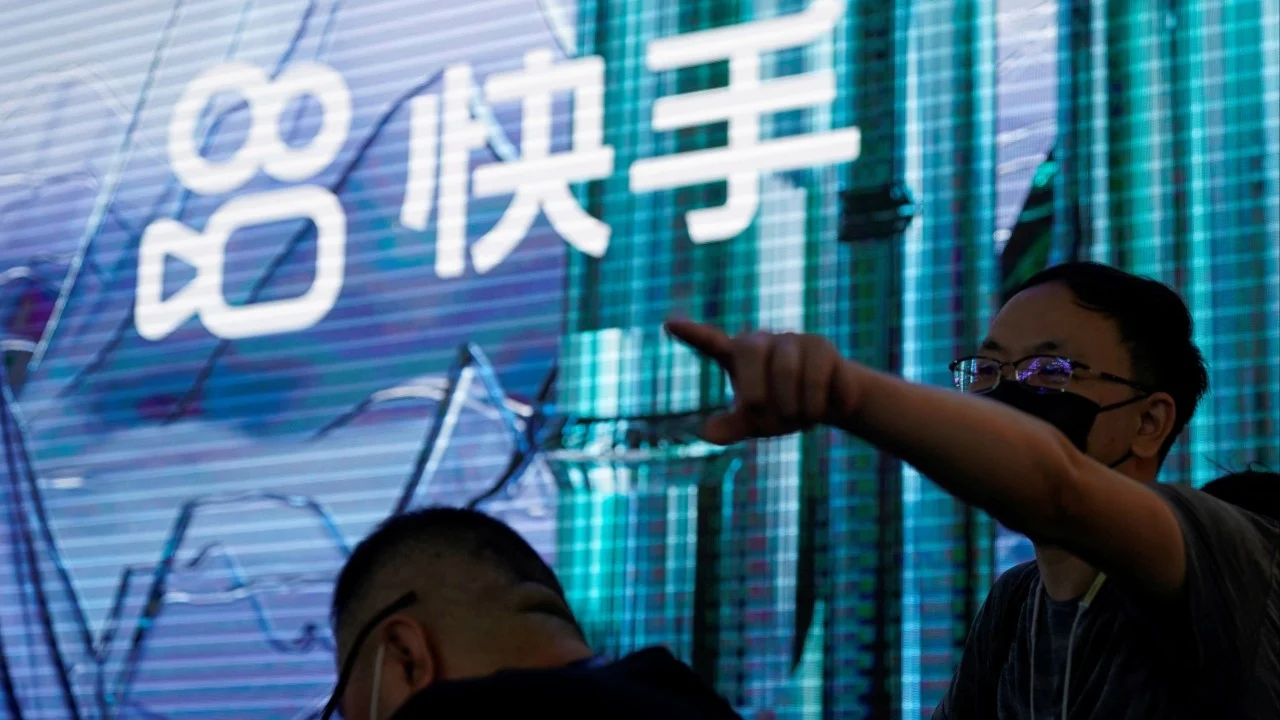
快手科技的可灵3(Kling 3)在纯视觉表现上与Sora并列第四,得分为3.27,不过在计入音频功能后,其得分降至3.28,排名跌至第六。
Kuaishou Technology’s Kling 3 tied with Sora for fourth place in visual-only performance at 3.27, though it slipped to sixth at 3.28 when audio capabilities were included.
虽然这项研究强调了中国开发者在一个日益受到美国科技巨头竞争的领域中所取得的快速进展,但也揭示了技术性能与内容安全之间的差距。
While the study underscored the rapid advances made by Chinese developers in a field increasingly contested by tech giants from the United States, it also revealed a gap between technical performance and content safety.
研究人员发现,一些高性能模型在面对涉及极端暴力或非法行为的提示词时,生成了法律禁止的视觉内容,暴露出安全过滤方面的弱点。
The researchers found that some high-performing models generated legally prohibited visual content when presented with prompts involving extreme violence or illegal behaviour, exposing weaknesses in safety filtering.
在对11个模型的阻止有害内容能力进行评估时,Seedance在其中排名第六,满分五分获得3.12分。Vidu以3.08分排名第七,可灵以2.40分排名第九。
Seedance ranked sixth among 11 models assessed for their ability to block harmful content, scoring 3.12 out of five. Vidu, with a score of 3.08, ranked seventh, and Kling, on 2.40, ninth.
MiniMax的海螺2.3(Hailuo 2.3)在视觉质量上位居倒数,得分为2.95,但它成为了测试中最安全的模型,得分为3.63,险胜得分3.62的Veo以及得分3.52的Pika Labs的Pika 2.2。
MiniMax’s Hailuo 2.3 – which ranked near the bottom in visual quality at 2.95 – emerged as the safest model tested, with a score of 3.63, narrowly beating Veo on 3.62 and Pika Labs’ Pika 2.2, which scored 3.52.
这项评估使用了71个中文提示词进行,涵盖文本生成视频和图像生成视频,结果由20名人类评估员进行评判。
The evaluation was conducted using 71 Chinese-language prompts covering text-to-video and image-to-video generation, with results judged by 20 human evaluators.
该研究评估的是4月份时可用的模型版本,不包括MiniMax的H3等更新的版本。它也没有检查开源模型与专有模型之间的差异会如何影响其安全性,随着功能越来越强大的视频生成工具变得更加普及,这是一个日益令人担忧的问题。
The study assessed model versions available in April, excluding newer releases such as MiniMax’s H3. It also did not examine how differences between open-source and proprietary models could affect their safety, a growing concern as increasingly capable video-generation tools become more widely available.
姜振辉表示,高性能的技术与稳健的安全防护栏并非水火不容,并补充说,像字节跳动这样的公司可以在不牺牲性能的情况下加强安全标准。
Jiang said high technical performance and robust safety guardrails were not mutually exclusive, adding that companies like ByteDance could strengthen safety standards without sacrificing performance.
这些发现出台之际,全球AI行业的竞争和安全审查正不断升级。自4月份的评估以来,中国企业一直在迅速升级其模型。
The findings come amid escalating competition and safety scrutiny across the global AI industry. Since the assessment in April, Chinese firms have rapidly upgraded their models.
字节跳动在7月推出了Seedance 2.5,而快手于本月发布了可灵4.0,提供了更长的片段和更好的帧率控制。美国科技巨头也作出了相应的回应,谷歌在5月推出了其Omni模型,并于8月发布了Omni 1.1 Flash更新。安全仍然是太平洋两岸开发者日益关注的焦点。
ByteDance launched Seedance 2.5 in July, while Kuaishou released Kling 4.0 this month, offering longer clips and better frame control. US tech giants have responded in kind, with Google launching its Omni model in May and releasing an Omni 1.1 Flash update in August. Safety remains a growing focus for developers on both sides of the Pacific.
本月,字节跳动宣布在其Seed研究部门成立一个对齐与准备团队,并针对AI安全启动了面向10名研究人员的全球招聘计划。此前,Seedance 2.0未经授权复制受版权保护的角色和名人形象曾引发审查。
This month, ByteDance announced the creation of an alignment and preparedness team in its Seed research unit and launched a global recruitment drive for 10 researchers focused on AI safety. The move followed scrutiny sparked by Seedance 2.0’s unauthorised reproduction of copyrighted characters and celebrity likenesses.
与此同时,OpenAI和Meta Platforms本月向美国一个司法小组发出警告,称AI生成的深度伪造内容正变得越来越难以与真实镜头区分开来。
Meanwhile, OpenAI and Meta Platforms warned a US judicial panel this month that AI-generated deepfakes were becoming increasingly difficult to distinguish from authentic footage.
OpenAI在4月份停止了Sora的使用,就在其高调亮相几个月后。
OpenAI discontinued Sora in April, just months after its high-profile debut.
字节跳动、谷歌、OpenAI、生数、快手和MiniMax未回应置评请求。
ByteDance, Google, OpenAI, Shengshu, Kuaishou and MiniMax did not respond to requests for comment.