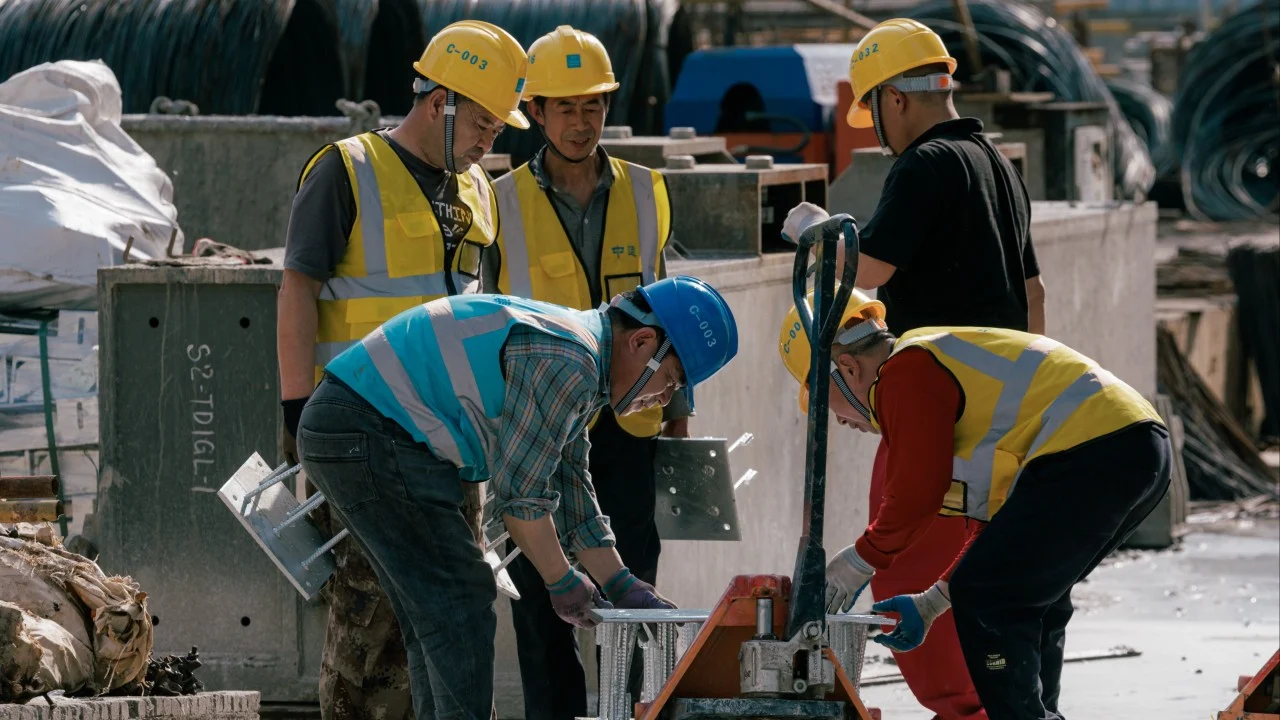
几十年来,中国一直是全球最大的劳工输出国之一。其工人支撑了国内的工厂,并在海外建设基础设施。但人口下降最终可能会迫使中国考虑一个惊人的转变:大规模输入劳工。
For decades, China was one of the world’s largest sources of migrant labour. Its workers staffed factories at home and built infrastructure abroad. But demographic decline may eventually force China to contemplate a striking reversal: importing workers on a meaningful scale.
这种变化并非迫在眉睫。中国的劳动力依然庞大,青年失业率也相当可观。中国正大力投资工业自动化,通过逐步延迟退休年龄来延长工作年限,并试图将劳动力从富余地区转移到雇主招聘困难的地区。
That change is not imminent. China still has a vast labour force and substantial youth unemployment. It is investing heavily in industrial automation, extending working lives through a gradual increase in the retirement age, and trying to move workers from regions with surplus labour to where employers struggle to recruit.
然而,发展趋势已变得难以忽视。2025年,中国人口连续第四年下降。就业人数从2023年的7.4亿下降至7.25亿。
Yet the direction of travel is becoming difficult to ignore. China’s population fell for a fourth consecutive year in 2025. The number of employed people declined to 725 million from 740 million in 2023.
问题不仅在于中国的劳动力将会减少,还在于其劳动力的构成和期望几乎不可避免地必须发生改变。
The problem is not simply that China will have fewer workers. It is that the composition and expectations of its workforce will almost inevitably have to change.
为工厂和建筑工地提供劳动力来源的农村进城务工人员正在老龄化。早在2022年,约有8500万农民工年龄已超过50岁,几乎是一十年前的两倍。与此同时,年轻一代的中国人往往不愿接受低薪、体力消耗大或缺乏安全感的工作。
The rural migrants who supplied the factories and construction sites are ageing. About 85 million migrant workers were already over 50 in 2022, almost twice the proportion a decade earlier. Meanwhile, younger Chinese are often reluctant to accept lowly paid, physically demanding or insecure jobs.
中国可以通过机器人技术和提高生产力来部分抵消这种压力。然而,自动化无法轻易取代护理人员、酒店服务人员或每一名建筑工人和装修工。它也无法彻底解决地理位置和技能不匹配的问题。当工人居住的地方没有空缺岗位,或者缺乏所需技能、又或者拒绝所提供的劳动条件时,一个国家可能会同时出现失业和劳动力短缺。
China can offset part of this pressure through robotics and productivity gains. Automation, however, cannot easily replace carers, hospitality staff or every construction worker. Nor can it fully resolve geographic and skill mismatches. A country can have unemployment and labour shortages at the same time when workers do not live where vacancies exist, or lack the required skills or reject the conditions offered.
中国的邻国已经面临这一现实。去年10月,日本的外国工人数量创下257万的历史新高。韩国不断扩大其就业许可制度(Employment Permit System),为小型制造商、农场和其他行业招募工人。去年6月,新加坡的外籍劳动力达到191万,支撑着建筑业、造船厂、加工工业和家庭护理。
China’s neighbours already confront that reality. Japan’s foreign workers hit a record high of 2.57 million last October. South Korea keeps expanding its Employment Permit System to recruit workers for smaller manufacturers, farms and other sectors. Singapore’s foreign workforce reached 1.91 million in June last year, supporting construction, shipyards, processing industries and domestic care.
这些表明,劳动力移民通常不是以一国已成为移民社会的宏大宣言开端的,而是从旨在解决特定劳动力短缺的计划开始的。中国可能会沿着这条道路前行。
They show labour immigration usually begins not with a grand declaration that a nation has become an immigration society, but with programmes designed to solve specific workforce shortages. China could follow that path.
具体时间取决于经济状况。长期的经济放缓可能会通过减少雇主对劳动力的需求来推迟短缺,而进一步的自动化可能会消除一些重复性工作。但这只会改变哪些行业最先面临压力。
The timing would depend on economic conditions. A prolonged slowdown could postpone shortages by reducing employers’ demand for labour while further automation could eliminate some repetitive jobs. But that merely changes which occupations encounter pressure first.
随着适龄劳动人口的收缩,北京将不得不在接受较低产出、提高工资、更快地推进自动化、延长人们的工作年限以及在海外招募之间做出选择。它很可能会将这五种方式并用。
As the working-age population contracts, Beijing will have to choose among accepting lower output, raising wages, automating more quickly, keeping people at work for longer and recruiting abroad. It will probably use all five.
北京已经更加愿意为争夺精英人才展开竞争。其全新的K签证针对科学技术领域的年轻外国专业人士。但招募工程师和研究人员,在政治上比接纳大量的护工、技术员、服务业工人或工厂员工要容易得多。后者需要对工作签证、社会保险、家庭权益和长期居留进行更广泛的变革。
Beijing is already more willing to compete for elite talent. Its new K visa targets young foreign professionals in science and technology. But recruiting engineers and researchers is politically easier than admitting large numbers of carers, technicians, service workers or factory employees. The latter would require wider changes to work permits, social insurance, family rights and long-term residence.
相对于其庞大的人口,中国依然是一个极小的移民目的地。2020年的人口普查仅统计到845,697名外国人。2020年公众对扩大永久居留规则的反对表明,移民问题如何能迅速与民族主义、种族以及对优待的感知纠缠在一起。
China remains an exceptionally small immigration destination relative to its population. The 2020 census counted only 845,697 foreigners. Public opposition to expanded permanent residence rules in 2020 showed how quickly immigration can become entangled with nationalism, race and perceptions of preferential treatment.
这些政治敏感性将促使中国逐步推出外国招募政策。中国最初可能会签署双边协议,允许指定行业或省份的雇主资助外国工人,并将该政策描述为一项临时措施。护理工作可能会成为一个早期的压力点。
These political sensitivities will encourage a gradual roll-out of foreign recruiting policies. China could initially sign bilateral agreements, allow employers in designated sectors or provinces to sponsor foreign workers, and describe the policy as a temporary measure. Care work may become an early pressure point.
这样的制度将符合北京对试验和行政控制的偏好。试点计划可以在不把移民呈现为国家身份永久转型的情况下进行扩大、修改或取消。然而,正如其他老龄化亚洲经济体的经验所表明的那样,当雇主围绕外国劳动力组织其商业模式时,临时计划往往会变成持久方案。
Such a system would fit Beijing’s preference for experimentation and administrative control. Pilot programmes could be expanded, modified or cancelled without presenting immigration as a permanent transformation of national identity. Yet temporary schemes often become durable when employers organise their business models around foreign labour, as the experience of other ageing Asian economies illustrates.
如果中国大规模进入亚洲的外来劳工市场,其后果将远远超出其边界。日本、韩国和新加坡已经从越南、印度尼西亚、菲律宾和其他亚洲国家大量招募人员。中国的雇主将与这些国家争夺许多相同的人员。
If China enters Asia’s migrant-labour market at scale, the consequences would reach far beyond its borders. Japan, South Korea and Singapore already recruit heavily from Vietnam, Indonesia, the Philippines and other Asian countries. Chinese employers would be competing for many of the same people.
中国的体量可能会推高整个地区的工资和招聘成本。它还可能增强劳务输出国政府的议价能力,使其能够要求更好的工作场所保护、更低的介绍费以及更有力地打击虐待行为。移民将获得更强的能力,可以根据薪酬、生活成本、人身安全、家庭团聚以及永久居留的可能性来比较不同的目的地。
China’s scale could increase wages and recruitment costs across the region. It could also strengthen the bargaining position of labour-sending governments, allowing them to demand better workplace protections, lower placement fees and stronger enforcement against abuse. Migrants would gain more ability to compare destinations according to pay, living costs, personal safety, family reunification and the possibility of remaining permanently.
中国不会自动赢得这场竞争。其地理上的邻近和庞大的劳动力市场将是优势,但语言障碍、有限的定居途径、互联网限制以及对法律保护的担忧可能会起到威慑作用。
China would not automatically win this competition. Its geographic proximity and enormous labour market would be advantages, but language barriers, limited settlement pathways, internet restrictions and concerns about legal protection could deter.
当务之急并不是中国是否会突然拥抱大规模移民。而是人口下降是否会逐渐使有选择地招募外籍人员在政治上变得比让基本岗位长期空缺更容易接受。
The immediate question is not whether China will suddenly embrace mass immigration. It is whether demographic decline will gradually make selective foreign recruitment less politically difficult than leaving essential jobs unfilled.
中国通过动员来自农村的数亿劳动力,成为了一个工业大国。其下一次劳动力转型可能需要放眼国境之外。如果这种情况发生,这个曾经通过出口劳工改变了全球劳动力市场的国家,可能会通过开始输入劳工来重塑亚洲的移民格局。
China became an industrial power by mobilising hundreds of millions of workers from its countryside. Its next labour transition may require looking beyond its borders. If that happens, the country that once transformed global labour markets by exporting workers could reshape Asian migration by beginning to import them.