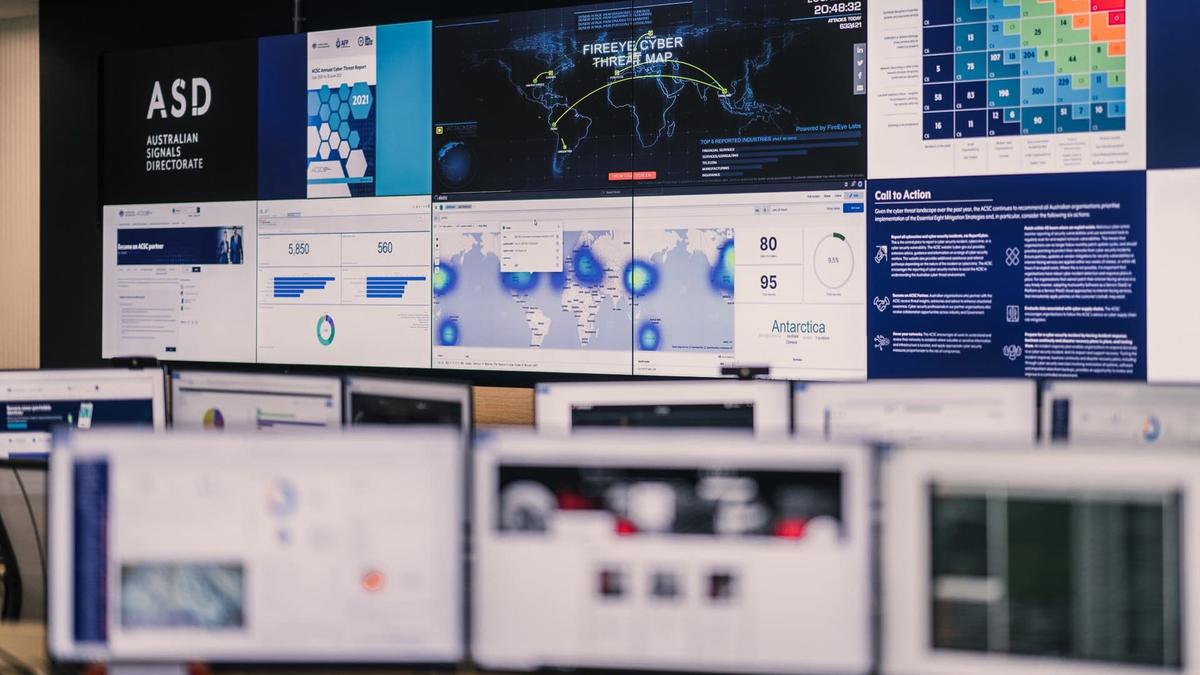
根据最新发布的情报,中国、俄罗斯和朝鲜“例行公事”般地以国家赞助的网络攻击轰炸澳大利亚的关键基础设施,既为了间谍活动,也为了“预置”破坏能力。澳大利亚信号局(ASD)最新的威胁报告描绘了一幅由人工智能“超级增强”的网络攻击图景,国家支持的黑客和数字罪犯都在利用这项技术,在任何可能的地方制造混乱。
China, Russia and North Korea “routinely” bombard Australia’s critical infrastructure with sponsored cyber attacks to both spy and “preposition” for sabotage, according to newly released intelligence.
该机构在2025-26财年应对了1500多起事件,比上一年激增20%。它还向各组织发出了4400份可疑活动通知,激增80%。ASD局长阿比盖尔·布拉德肖表示,“AI赋能的威胁”是这些数字背后的原因。
The Australian Signal Directorate’s latest threat report paints a picture of cyber attacks supercharged by artificial intelligence, as state-backed hackers and digital criminals alike lean on the technology to sow chaos wherever they can.
“过去一年,前沿AI技术从根本上改变了网络安全格局,”她说。“它们创造了巨大的机遇,但也让恶意网络行为体能够比以往更快、规模更大、精度更高地识别漏洞并实施攻击。‘这种转变只会加速。’”布拉德肖警告组织“必须采取行动改善基本的网络卫生”,否则将使自己暴露在AI驱动的攻击之下。这包括由敌对政府赞助的攻击。
The agency responded to more than 1500 incidents in the 2025-26 financial year, marking a 20 per cent jump on the previous year.
“随着全球安全环境依然严峻,国家赞助的网络行为体将越来越多地利用AI来增强其行动的规模、速度和效力,”布拉德肖说。“威胁报告显示,国家行为体继续将目标对准澳大利亚组织,以获取敏感信息,同时也寻求在网络中‘预置’,以便在其选定的时间进行未来的情报收集或破坏活动。”“危机或冲突”报告直白地指出了风险,警告称澳大利亚的对手“可能正在为各种意外情况做准备,例如危机或冲突”。
It also issued 4400 suspicious activity notices to organisations – an 80 per cent surge.
报告称:“国家支持的行为体可以利用破坏活动来实现战略目标,例如限制应对事件的能力或引发社会动荡。”报告指出,中东和乌克兰的冲突“正在加剧国际不稳定”,世界“承受的压力比冷战结束以来任何时候都要大”。报告称:“支撑澳大利亚数十年安全与繁荣的全球基于规则的秩序,正处于转型之中。”报告点名中国、俄罗斯和朝鲜为常见肇事者,称它们“以澳大利亚或其盟友为目标”,并提到了代理黑客组织“伏特台风”(Volt Typhoon)、“APT29”和“拉撒路组织”(Lazarus Group)。
ASD Director-General Abigail Bradshaw said “AI-enabled threats” were behind the numbers. “Over the last year, frontier AI technologies have fundamentally changed the cyber security landscape,” she said.
报告称,这些攻击“可能使澳大利亚瘫痪”。布拉德肖表示,虽然人工智能正在催生新威胁,但它也是解决方案。她说:“为了加强我们的网络防御,我们必须利用正在重塑威胁环境的技术。”“网络防御者可以利用人工智能工具改进威胁检测、识别新的攻击载体并加强网络防御。展望未来,我们需要人工智能工具帮助实现防御自动化,以保持在人工智能赋能的攻击者前面。”
“They are creating enormous opportunities, but they are also enabling malicious cyber actors to identify vulnerabilities and conduct attacks faster, at greater scale, and with greater precision than ever before. “This shift will only accelerate.” Ms Bradshaw warned organisations “must take action to improve basic cyber hygiene” or leave themselves exposed to AI-powered attacks. That included attacks sponsored by hostile governments. “As the global security environment remains challenging, state-sponsored cyber actors will increasingly leverage AI to enhance the scale, speed and effectiveness of their operations,” Ms Bradshaw said. “The Threat Report shows state-actors continue to focus on Australian organisations to gain access to sensitive information, while also seeking to preposition within networks for future intelligence collection or disruption activities at a time of their choosing.” ‘Crisis or conflict’ The report put the risk plainly, warning that Australia’s adversaries “are possibly preparing for eventualities, such as crisis or conflict”. “State-sponsored actors can use disruption to achieve strategic goals, such as limiting the ability to respond to an event or cause social unrest,” it said. It said conflicts in the Middle East and Ukraine “are fuelling international instability” and that the world “is under greater strain than at any time since the end of the Cold War”. “The global rules-based order, which has underpinned Australia’s security and prosperity for decades, is in transition,” the report said. It named China, Russia and North Korea as common culprits that “have targeted Australia or its allies”, naming proxy hacker groups Volt Typhoon, APT29 and Lazarus Group. Their attacks “could incapacitate Australia”, it said. Ms Bradshaw said that while AI was driving new threats, it was also the solution. “To strengthen our cyber defences, we must harness the technologies that are reshaping the threat environment,” she said. “Cyber defenders can use AI tools to improve threat detection, identify new attack vectors and strengthen network defences. Looking ahead, we need AI tools to help automate our defences to stay ahead of AI-enabled attackers.”