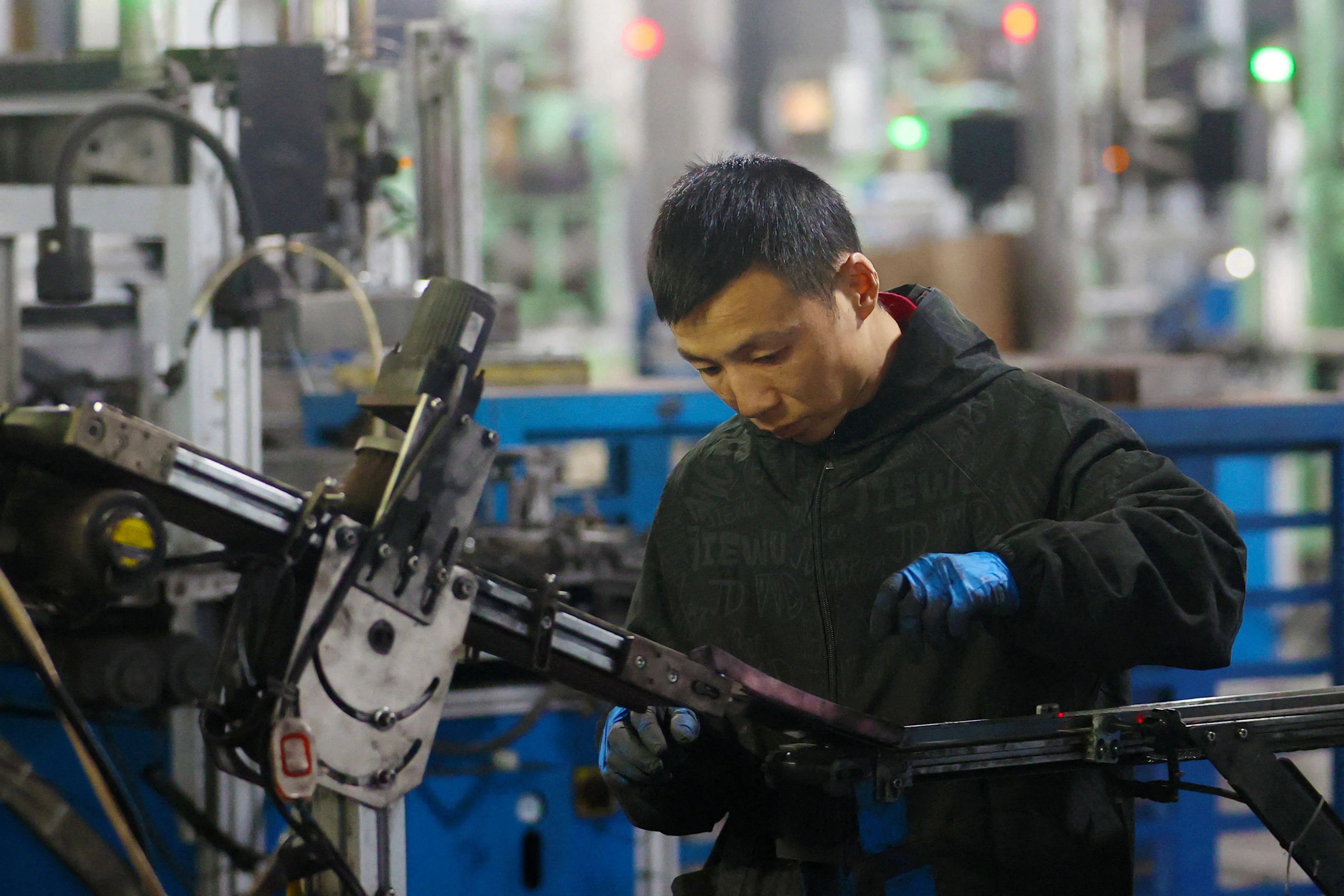
当全世界的目光聚焦于本周晚些时候美国联邦储备委员会的政策会议以及美国通胀走势时,中国经济观察人士正在密切关注一个不同的指标:生产者价格指数(PPI)。
While the eyes of the world are fixed on the US Federal Reserve’s policy meeting later this week and the trajectory of American inflation, observers of the Chinese economy are closely tracking a different metric: the producer price index (PPI).
对于世界制造业强国而言,出厂价格长期以来一直是衡量该国经济健康状况的关键晴雨表,而近期反弹的早期迹象引发了疑问:这是稳固、可持续的复苏,还是昙花一现?
For the world’s manufacturing powerhouse, factory-gate prices have long served as a key barometer of the country’s economic health, and early signs of a recent rebound have raised questions about whether it is a solid, sustainable recovery or a mere flash in the pan.
“PPI是衡量中国经济周期最重要的指标之一,”澳新银行大中华区首席经济学家杨宇霆表示。
“PPI is one of the most important indicators for gauging China’s economic cycle,” said Raymond Yeung, chief Greater China economist at ANZ Bank.
“在过去10到20年里,PPI的变动比国内生产总值(GDP)更准确地反映了中国经济的健康状况。”回顾过去十年,中国两轮主要的PPI上行周期均由供需基本面的实质性改善驱动——第一轮发生在北京2015年推行“供给侧结构性改革”期间,第二轮则发生在疫情导致全球对中国制造业依赖度激增之际。
“Over the past 10 to 20 years, movements in PPI have reflected the health of China’s economy more accurately [than gross domestic product].”A look back at the past decade reveals that China’s two major PPI upswings were driven by tangible improvements in supply and demand fundamentals – first during Beijing’s 2015 “supply-side structural reform” initiative, and later amid a pandemic-driven surge in global reliance on Chinese manufacturing.
据金融数据提供商Wind编制的数据,2015年底,北京启动供给侧改革,削减钢铁、煤炭等行业的过剩产能,推动PPI大幅上涨。该指数从2015年12月同比下降5.9%反转至2017年2月同比增长7.8%。
In late 2015, Beijing launched supply-side reforms to cut excess capacity in industries, such as steel and coal, which propelled a jump in PPI. The index reversed from a 5.9 per cent year-on-year decline in December 2015 to 7.8 per cent growth in February 2017, according to data compiled by financial data provider Wind.
下一轮主要的PPI上行周期出现在新冠疫情期间,当时封控措施扰乱了全球大部分地区的供应链,而中国庞大且韧性十足的制造业基础帮助满足了激增的全球商品需求,推高了出厂价格。
The next major PPI upswing came during the Covid-19 pandemic, when lockdowns disrupted supply chains across much of the world, while China’s vast and resilient manufacturing base helped meet surging global demand for goods, driving up factory-gate prices.
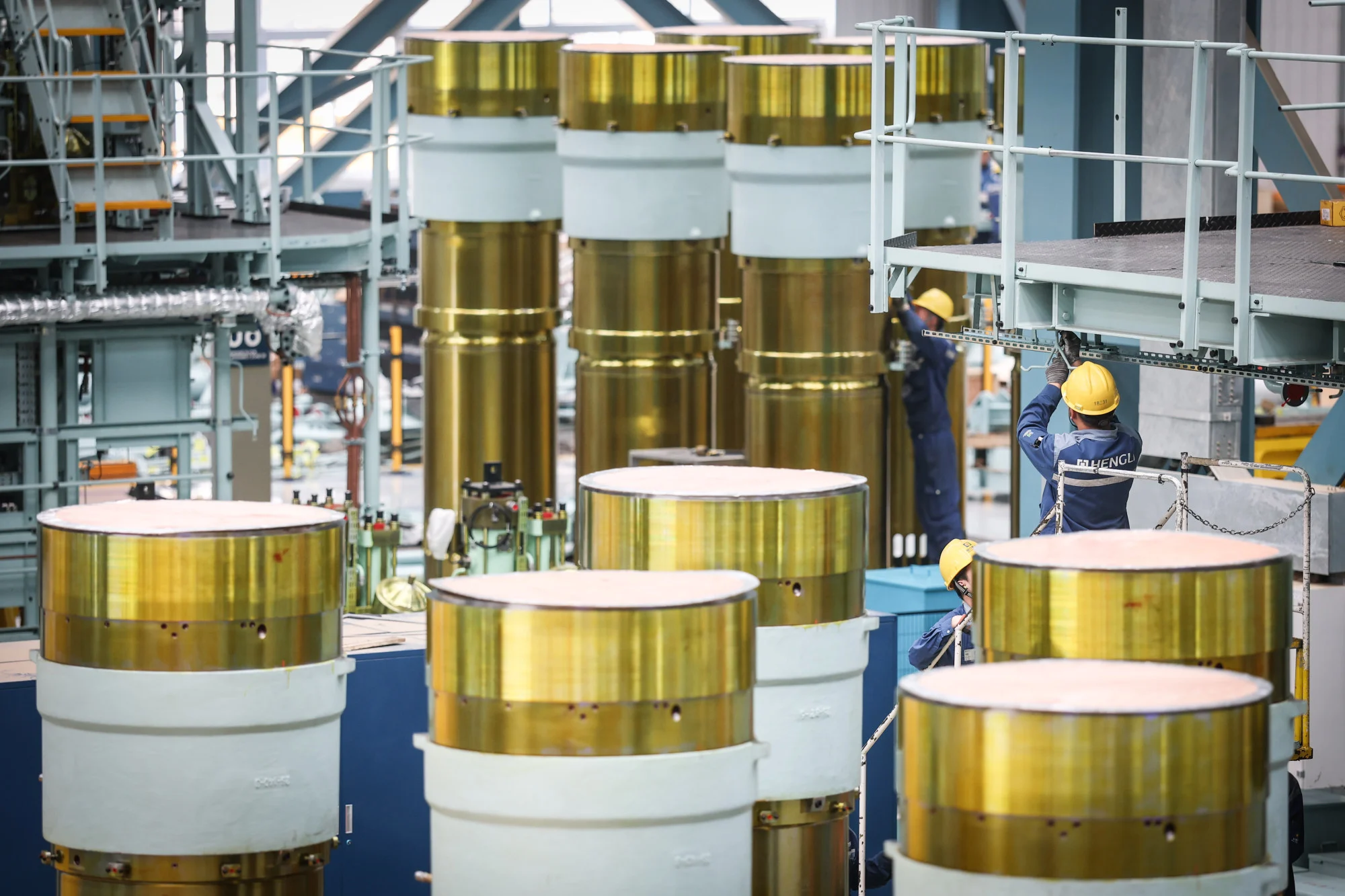
据Wind编制的官方数据,中国PPI随后从2020年5月同比下降3.7%攀升至2021年10月的峰值13.5%。
China’s PPI then climbed from a 3.7 per cent year-on-year decline in May 2020 to a peak of 13.5 per cent in October 2021, according to official data compiled by Wind.
过去几个月,该国PPI(生产者价格指数)再次显现出复苏的新迹象,特别是在全球能源市场波动以及持续的科技超级周期推动半导体价格飙升之后。
Over the past few months, the country’s PPI is once again showing fresh signs of recovery, particularly following global energy market volatility and surging semiconductor prices amid an ongoing tech supercycle.
今年3月,随着美以对伊朗的战争推高全球能源价格,中国PPI走出了逾三年的负值区间,并于9月升至同比5%,为2022年年中以来的最高水平。
In March this year, as the US-Israel war on Iran drove up global energy prices, China’s PPI emerged from more than three years of negative territory and climbed to reach 5 per cent year on year in September, its highest rate since mid-2022.
但分析师怀疑,与前两轮反弹相比,最新的回升并不预示着供需基本面的根本性改善。
But analysts are sceptical that the latest rebound signals a fundamental improvement in supply-demand dynamics, as seen in the previous two upswings.
“这一次的情况与以往几轮不同,主要是由输入型通胀驱动的,”澳新银行(ANZ)的杨(Yeung)表示。
“The situation this time is different from the past rounds, as it is primarily driven by imported inflation,” said Yeung from ANZ.
虽然持有库存的上游行业可能从大宗商品价格飙升中获益,但杨警告称,下游企业可能因成本上升而受损。
While upstream industries holding inventory might benefit from the surge in bulk commodity prices, Yeung cautioned that downstream companies are likely to suffer from rising costs.
Trivium China的宏观经济与政策分析师张大卫(David Zhang)表示,最新的反弹与2016年“截然不同”,当时供给侧去产能伴随着房地产和基建投资热潮,提振了需求。
David Zhang, a macroeconomics and policy analyst at Trivium China, said the latest rebound was “very different” from 2016, when supply-side capacity cuts were accompanied by a property and infrastructure investment boom that boosted demand.
“如今,国内房地产和投资需求依然疲弱,而产能过剩尚未从根本上得到解决。很难将此次反弹解读为国内供需基本面全面改善的信号,”他说。
“Today, domestic property and investment demand remain weak, while overcapacity has yet to be fundamentally addressed. It is difficult to interpret the rebound as a sign of a broad-based improvement in domestic supply-demand dynamics,” he said.
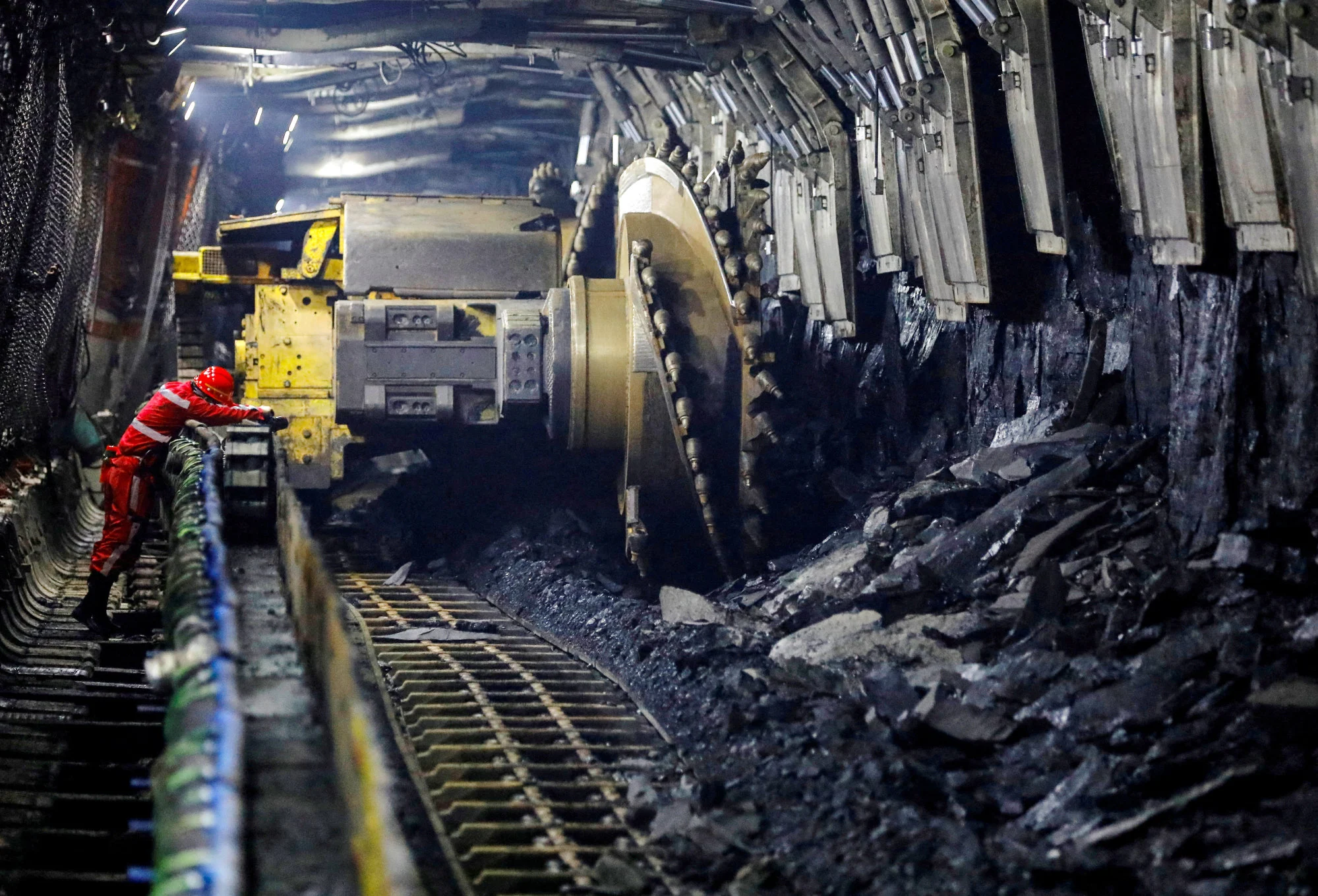
“国内终端需求同样疲弱,导致企业将成本转嫁给消费者的空间有限。”与此同时,北京遏制“内卷”、即恶性竞争的行动,已成为经济学家关注的另一关键政策变量,尽管任何实质性的结构性改善都需要时间才能显现。
“Domestic end-demand [also] remains weak, leaving companies with limited room to pass on costs to consumers.”Meanwhile, Beijing’s campaign to curb “involution”, or cutthroat competition, has emerged as another key policy variable for economists to watch, though any meaningful structural improvement will take time to materialise.
“利用政策工具去产能、遏制恶性竞争,需要相对较长的时间才能真正体现在PPI周期中,”杨说。
“Using policy tools to reduce overcapacity and control cutthroat competition will take a relatively long time to actually reflect in the true PPI cycle,” Yeung said.
张某表示,反内卷行动已取得一定初步成效,主要体现在短期内遏制了无序价格竞争。
Zhang said the anti-involution campaign had made some initial progress, mainly in curbing disorderly price competition in the short term.
他说:“解决结构性供需失衡——并真正让过剩产能退出市场——要困难得多,也需要更长的时间。”
“Addressing the structural supply-demand imbalance – and actually getting excess capacity to exit the market – is much more difficult and will take longer,” he said.