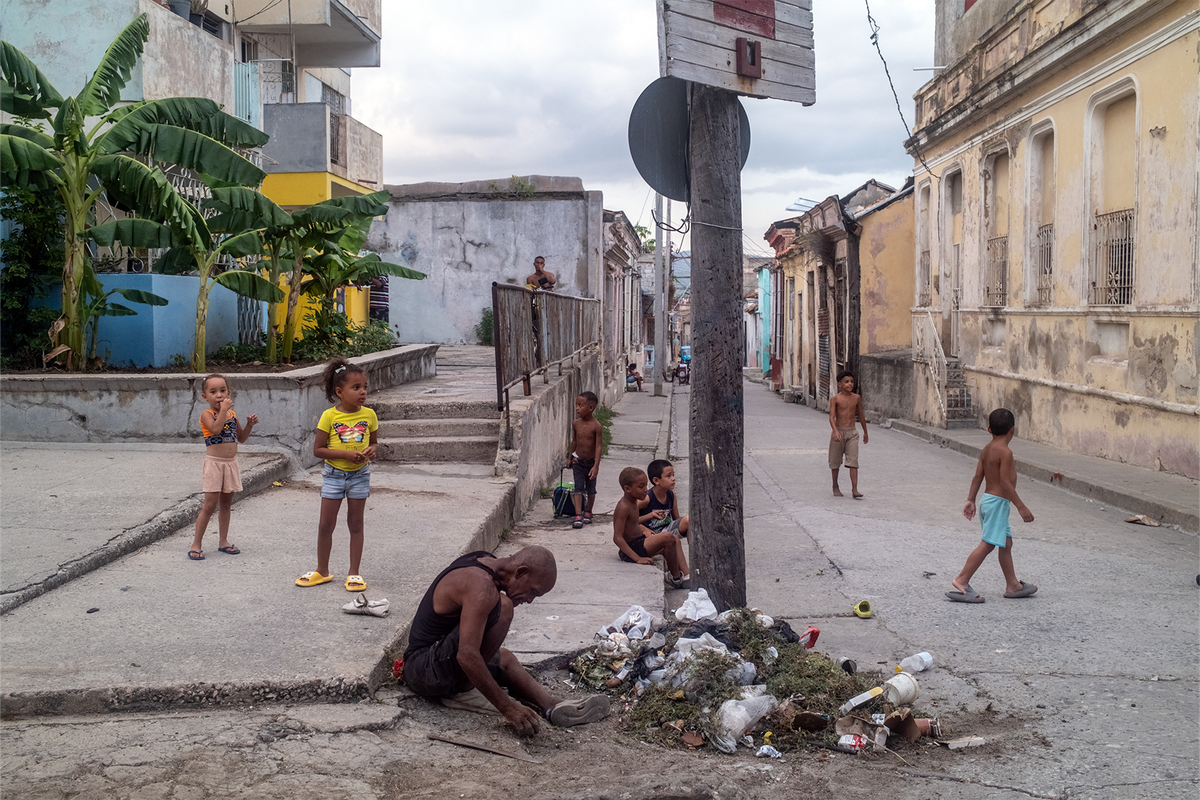
一位神父领着我走上破败的楼梯,来到教堂顶部的一个小房间。从窗口望去,我们俯视着哈瓦那东部那些破旧的殖民时期别墅和四处燃烧的垃圾堆。他指着我们身后那面黄色的墙,有人在那里精心绘制了一幅当地街道网格图。“他们在这里布置了武装警卫,监视我们,”他说。
A priest led me up battered stairs to a tiny room at the top of a church. From the window, we gazed down at the decayed colonial villas and scattered trash fires of eastern Havana. He pointed to the yellow wall behind us, where someone had sketched a meticulous map of the local street grid. “They posted armed guards here, to watch over us,” he said.
这位神父说,1959年革命后,古巴共产党政府接管了洛斯埃斯科拉皮奥斯修道院、回廊和学校,驱逐了修女,并设立了岗哨——这是该政权庞大的监控与控制体系的一部分。楼下的教堂几乎关闭,信众大多按照共产主义古巴的无神论原则被流放或监禁。
Cuba’s Communist government, the priest said, took over the convent, cloister, and school of Los Escolapios after the revolution of 1959, expelling the nuns and setting up a guard post—one part of the regime’s sprawling apparatus of surveillance and control. The church downstairs was virtually closed, the congregation mostly exiled or jailed in accordance with Communist Cuba’s atheist principles.
如今警卫已经撤走,菲德尔·卡斯特罗的画像以及革命后占用修道院底层的世俗教师也不见了踪影。教堂正在从国家手中收回这座宏伟的18世纪回廊,而国家已将其弃置成废墟。这位名叫伊万·格拉·阿尔瓦雷斯的神父明确表示,他相信历史正走向另一个转折点,共产党政权很快就会消失。“教会在过渡中将发挥重要作用,”他告诉我。
The guards are gone now, along with the portraits of Fidel Castro and the secular schoolteachers who commandeered the convent’s lower floors after the revolution. The church is in the process of reclaiming the magnificent 18th-century cloister from the state, which left it in ruins. The priest, Iván Guerra Álvarez, made clear he believes that history is approaching another turning point, and that the Communist regime will soon be gone. “The Church will play a big role in the transition,” he told me.
“我们是古巴除政府之外最大的机构。”没有人能说清这一过渡将在何时、以何种方式发生。唐纳德·特朗普今年早些时候对这座岛国实施石油封锁后曾夸口说,他或许会有“拿下古巴的荣幸”,但这也未必。古巴政权已压制了任何可行的国内反对力量。但国家机器的衰败——这一进程已持续数十年——正在加速,近距离观察令人震惊。
“We are the biggest institution in Cuba outside the government.”No one can say when or how that transition will happen. Donald Trump may or may not have “the honor of taking Cuba,” as he boasted after imposing an oil blockade on the island earlier this year. The Cuban regime has stifled any viable domestic opposition. But the withering of the state—a process that has been under way for decades—has accelerated, and is shocking to see up close.
我8月到访时,过去为每个古巴人保障基本食品的配给卡已经空白了数周。警察和士兵曾经遍布全国,但我几乎看不到他们的身影。
The ration cards that used to guarantee basic foodstuffs for every Cuban had been blank for weeks when I visited in August. Police and soldiers were once ubiquitous throughout the country, but I saw hardly any.
在古巴最东端,我遇到一位渔民,他告诉我,他和像他一样没有电力可供冷藏的人,已经重新采用传统的腌鱼和晒鱼方法。古巴公共部门员工——包括医生和教师——的平均月薪约为6500比索,不到10美元,远低于维持基本饮食的开销(一盒鸡蛋最高可卖到4700比索)。就连取到少量现金也可能是一种折磨:银行有时将取款限制为每人每天1000比索(不到1.50美元)。
In far-eastern Cuba, I met a fisherman who told me that he and others like him, who lacked electricity for refrigeration, have gone back to traditional methods of drying and salting fish. The average monthly salary for public-sector employees in Cuba—including doctors and teachers—is about 6,500 pesos, which is less than $10 and far below the cost of a subsistence diet (a single carton of eggs can cost up to 4,700 pesos). Even getting small amounts of cash can be a trial: Banks sometimes limit withdrawals to 1,000 pesos (less than $1.50) per person per day.
政府仍然声称——在褪色的广告牌上,在党的讲话中——要满足公民的一切物质和精神需求,但它在任何意义上都已破产。几乎没有人再相信这个制度,许多人,尤其是哈瓦那以外的人,表现得仿佛政府根本不存在。如同苏联主导时期东欧集团的最后几年,贫困正让人们回归更古老的信仰。古巴的非洲裔萨泰里阿教和天主教兴盛起来,“家庭教会”也大量涌现,往往是福音派的,有时不过是某人客厅里的十几把折叠椅。
The government still purports—on faded billboards, in party speeches—to meet all of the material and spiritual needs of its citizens, but it is now bankrupt in every sense. Almost no one believes in the system anymore, and many, especially outside Havana, behave as if the government simply does not exist. As in the Soviet-dominated Eastern bloc during its final years, destitution is leading people back to older faiths. Afro Cuban Santeria and Catholicism have flourished, and “house churches” have proliferated, often evangelical and sometimes consisting of nothing more than a dozen folding chairs in someone’s living room.
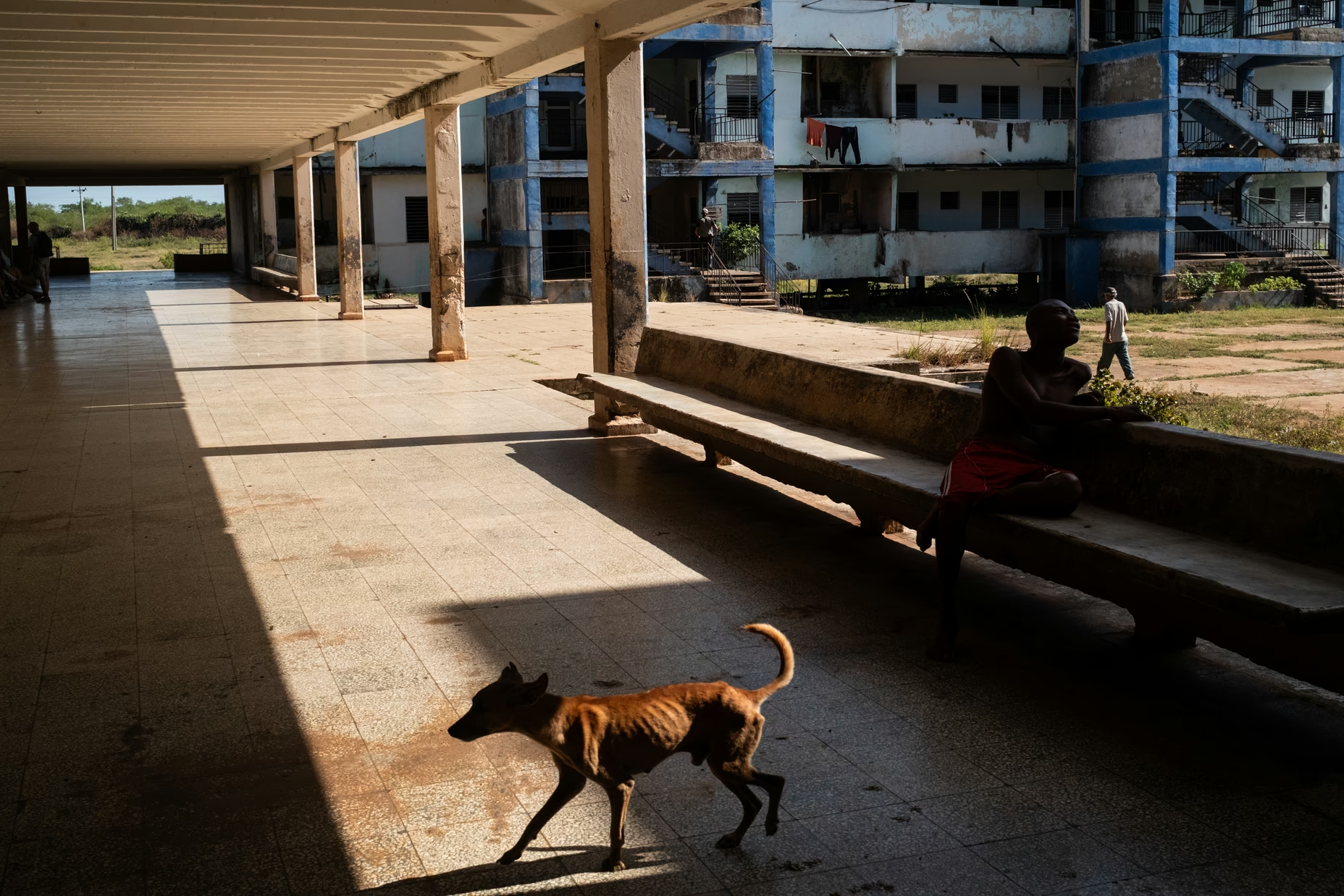
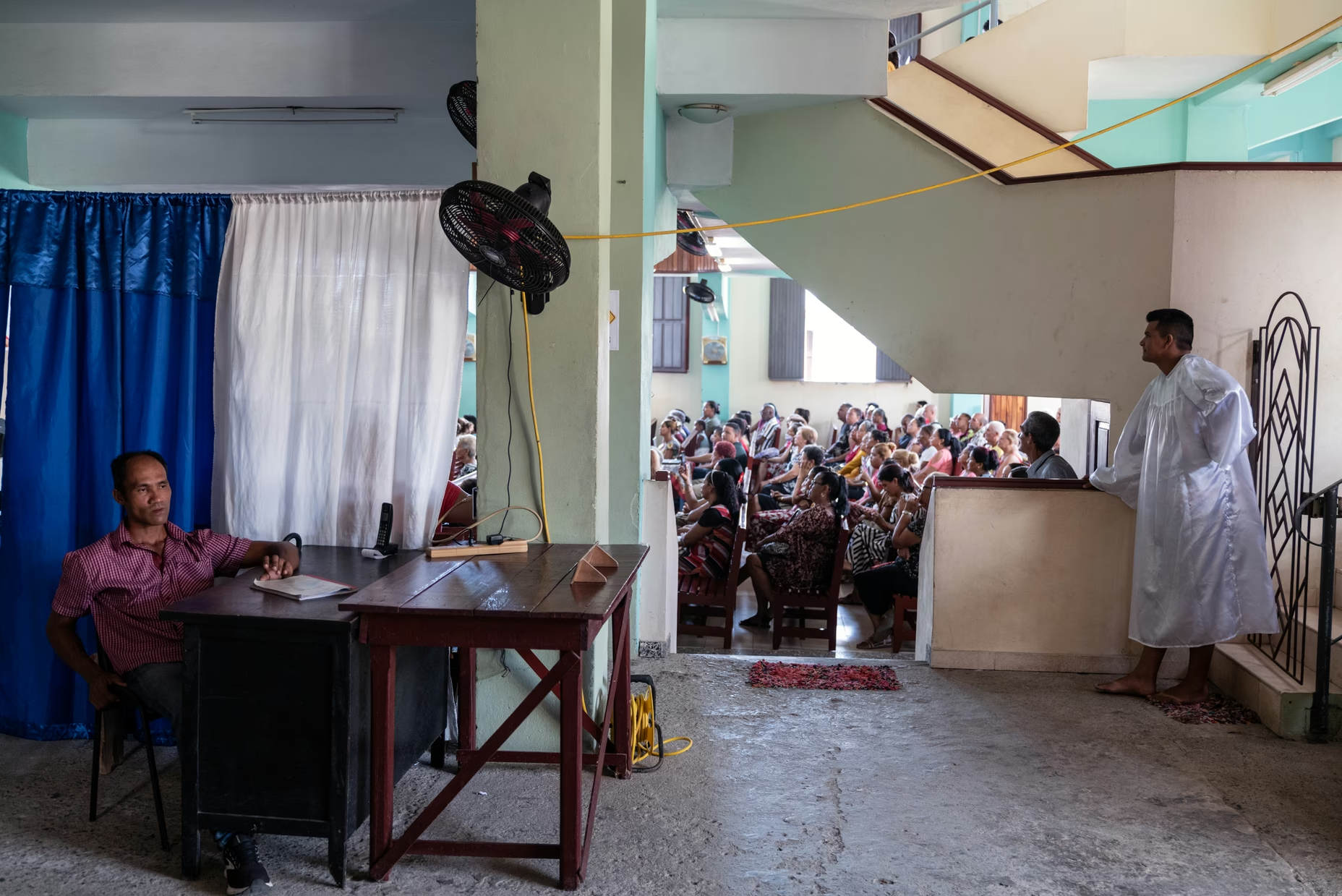
格拉·阿尔瓦雷斯带我走下教堂塔楼,来到洛斯埃斯科拉皮奥斯的主圣堂,他将这种氛围的转变半开玩笑地比作从朝鲜到韩国的旅程。我们发现自己置身于100多名学童和信徒组成的喧闹人群中。一位打扮成天使的老师,戴着白色假胡须、假发,穿着长袍,在昏暗的中殿里讲授圣经课。之后,志愿者们分发了米饭和豆子的午餐。看到这么多人看起来如此愉快,令人震撼;古巴如今是一个满是空荡街道和废弃建筑的国家,过去几年里因移民流失了多达四分之一的人口。
Guerra Álvarez led me down from the church tower to the main sanctuary of Los Escolapios, an atmospheric shift he half-jokingly likened to a trip from North to South Korea. We found ourselves in a noisy crowd of more than 100 schoolchildren and worshippers. A teacher dressed as an angel, with a white beard, wig, and gown, was giving Bible lessons in the dimly lit nave. Afterward, volunteers handed out lunches of rice and beans. To see so many people looking so cheerful was striking; Cuba is now a country full of empty streets and abandoned buildings, having lost as much as a quarter of its population to migration in the past few years.
教会的角色扩大,在一定程度上是美国政策的产物:美国政府长期以来一直青睐天主教会作为中间人。当特朗普政府今年5月批准向古巴提供1亿美元援助计划时,条件是由宗教团体和人道主义组织分发资金。但宗教在古巴的兴起也是衡量国家退却的一个尺度——或许还暗示了这座岛屿的未来走向。
The expanded role of the churches is partly an outcome of American policy: The U.S. government has long favored the Catholic Church as an intermediary. When the Trump administration approved a $100 million aid package for Cuba in May, it was on the condition that the funds be distributed by faith-based groups and humanitarian organizations. But the rise of religion in Cuba is also a measure of the state’s withdrawal—and perhaps a hint at the island’s future direction.
我来古巴时以为会看到苦难。我没有预料到的是国家近乎完全的崩溃。这一点即使在哈瓦那也很明显,那里全天停电已是常态,但岛屿东半部的情况要糟糕得多,那里长期以来更贫穷、更不发达。古巴的宗教复兴在那里最为炽烈,尤其是在五旬节派教会中,其传统包括信仰治愈和奇迹。
I came to Cuba expecting to see suffering. What I did not anticipate was the near-total collapse of the state. This was evident even in Havana, where all-day blackouts are routine, but things are much worse in the eastern half of the island, which has long been poorer and less developed. Cuba’s religious revival has burned brightest there, especially among Pentecostal churches, whose traditions include faith healing and miracles.
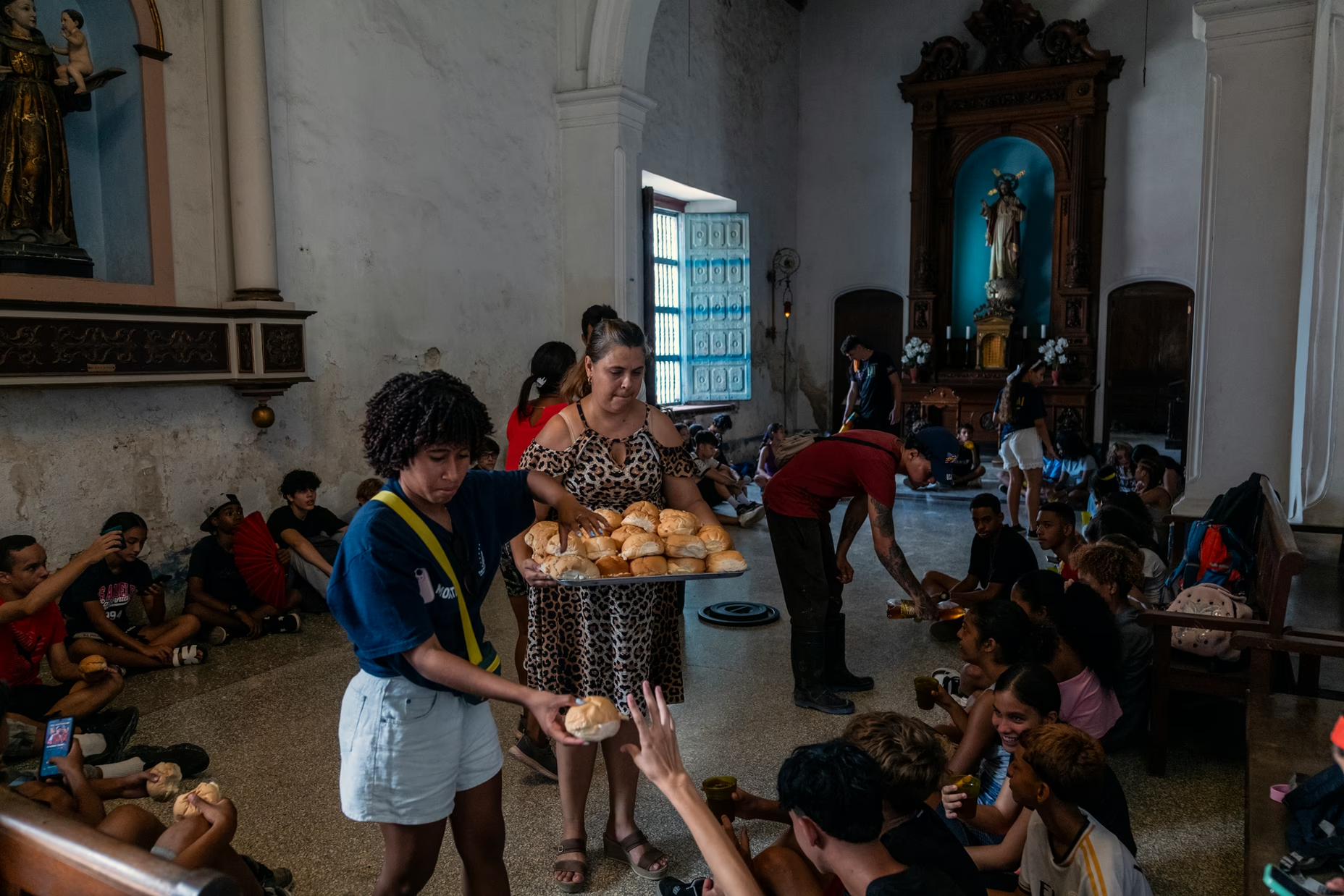
我与摄影师莫伊塞斯·萨曼驱车前往东部,18小时的旅程有时让我们感觉仿佛在穿越回过去。我们在巨大的坑洞间缓慢穿行,路上很少遇到其他车辆。随着我们接近古巴第二大城市圣地亚哥,我们看到的马车几乎和机动车一样多。
I drove to the east with the photographer Moises Saman, an 18-hour journey that sometimes made us feel as if we were traveling back in time. Weaving slowly among enormous potholes, we passed few other cars. As we got closer to Santiago de Cuba, Cuba’s second-largest city, we saw almost as many horse-drawn carts as motorized vehicles.
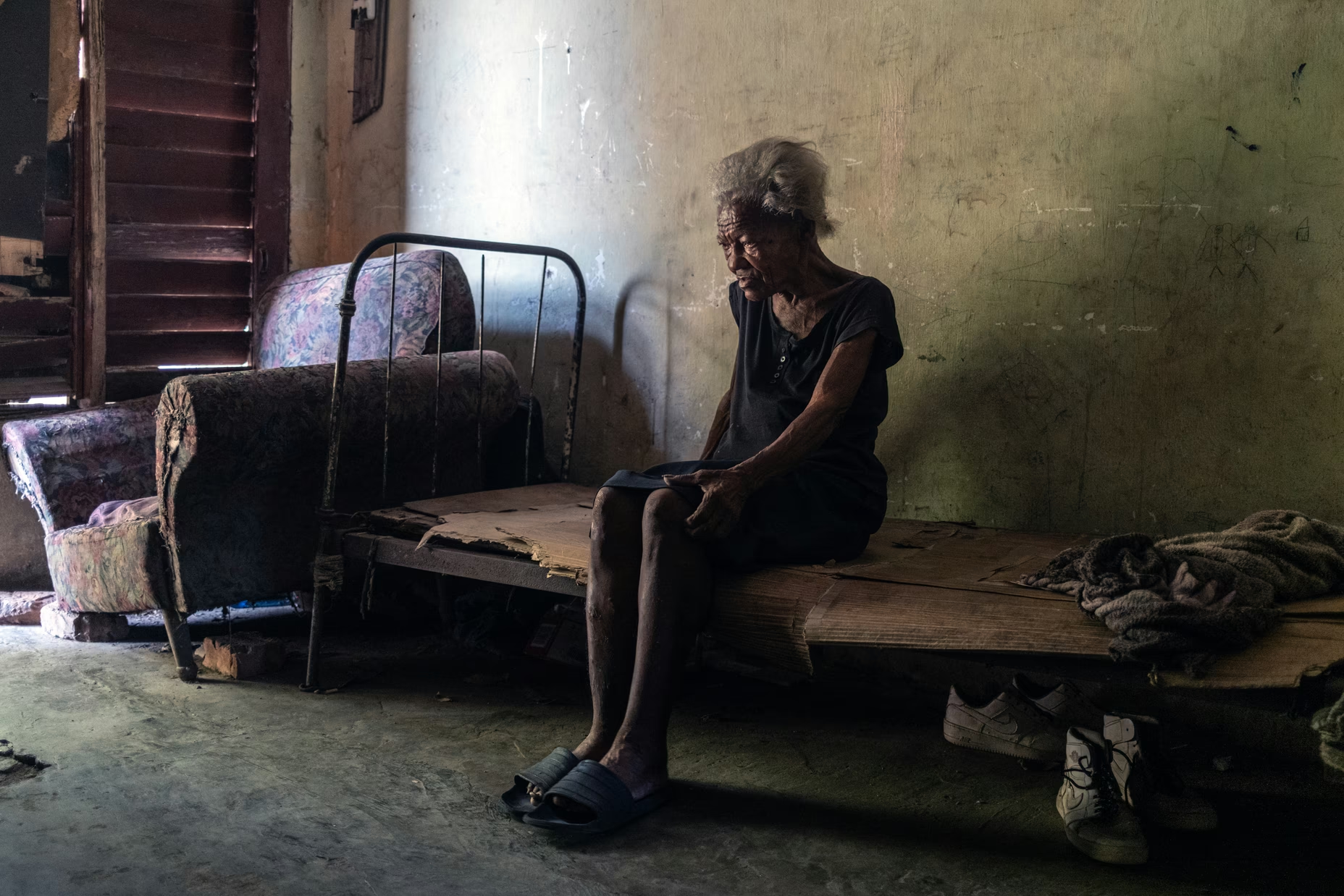
贫困在这个国家并不新鲜,但我看到的街头乞丐数量令我震惊。在圣地亚哥的海滨,一对母女走近我,两人都骨瘦如柴,向我讨钱。这位白发苍苍的76岁母亲告诉我,她们唯一的依靠曾是她的儿子,他做过保安,去年死于癌症。她说,现在她们整天乞讨、收集塑料瓶,希望能换几个比索。她们从国家那里什么也得不到。后来,我去了她们的家,那是一间肮脏的一楼房间,她们睡在金属床架上,上面铺着纸板而不是床垫。我问是否有电,母亲说她们连灯泡都没有。
Poverty is not new in the country, but the number of street beggars I saw shocked me. On the seafront in Santiago, a mother and daughter approached me, both of them skeletally thin, to ask for money. The mother, a white-haired 76-year-old, told me that their only means of support had been her son, who had worked as a security guard and died of cancer last year. Now they spend all day begging and collecting plastic bottles in the hopes of trading them for a few pesos, she said. They get nothing from the state. Later, I visited their home, a filthy ground-floor room where they sleep on metal bed frames topped with cardboard instead of mattresses. When I asked whether there was any electricity, the mother said that they did not even have a bulb.
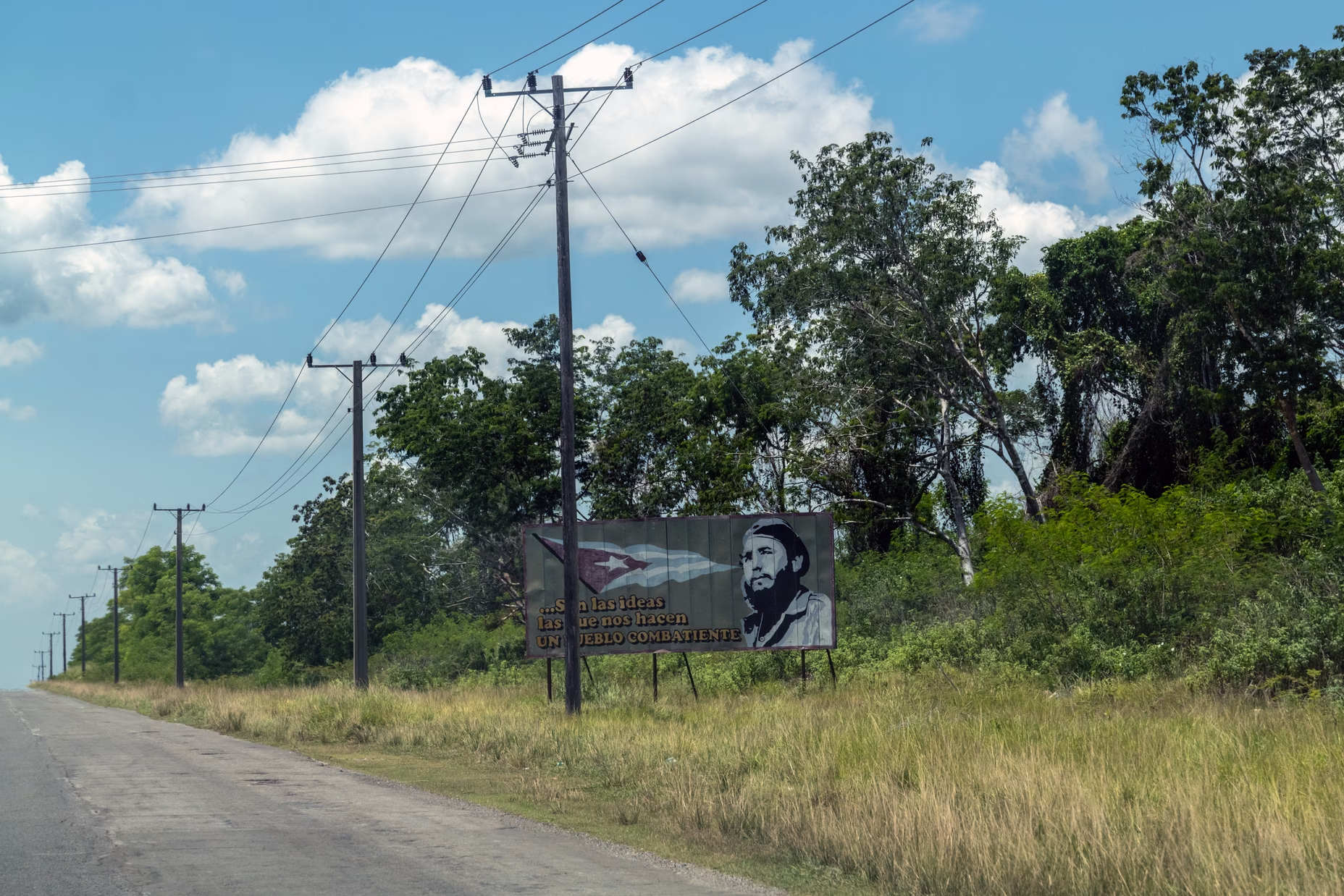
古巴医疗体系的崩溃,或许是对其共产主义政权最有力的控诉。卡斯特罗曾把该国遍布各地的社区诊所举起来,作为面向世界的典范,以此作为社会主义能在资本主义失败之处取得胜利的有力证明。他派遣数十万名医生出国,组建一支“白大褂军队”,以提升古巴形象并为国家创收。(后来曝光,这些医生几乎别无选择,许多人是被所谓强迫劳动的受害者。)
The failure of Cuba’s health-care system may be the most damning indictment of its Communist regime. Castro once held up the country’s network of local clinics as a model for the world, visible proof that socialism could triumph where capitalism had failed. He sent hundreds of thousands of doctors overseas, an “army of white coats” to bolster Cuba’s image and generate money for the state. (It later emerged that the doctors had been given little choice and many were victims of what has been called forced labor.)
至今仍有部分医生被派往海外,但更多医生干脆逃离了古巴。在圣地亚哥湾入口处的大格拉纳岛上,我发现只有一名护士不仅要照顾岛上所有870名居民,还要负责周边沿海地区许多人的医疗。她自己都不知道具体要负责多少人,因为医生离开该地区的速度太快,导致被迫另寻医疗的患者她根本数不过来。
Some doctors are still being sent abroad, but more have simply fled Cuba. On Cayo Granma, an island at the entrance to the bay of Santiago, I found a single nurse caring not only for all 870 residents but also for many people from the neighboring coastal areas. She no longer knows how many people she is responsible for, because doctors have been leaving the region so fast that she cannot keep track of the patients forced to seek new care.
她叫克拉拉·卢阿塞斯,55岁,目光坚定,干练利落。我到达时,她的诊所只有一个大衣柜大小的房间,又热又挤,挤满了病人;室外气温将近100华氏度(约37.8摄氏度)。一个发烧的12岁男孩坐在长凳上,手臂插着输液管;旁边坐着一个患皮肤感染的女孩和她的母亲。
Her name is Clara Luaces, a woman of 55 with a direct gaze and an air of brisk competence. Her clinic was a room the size of a large closet, hot and crowded with patients when I arrived; outside, it was almost 100 degrees. A 12-year-old boy with a fever sat on a bench, an IV drip in his arm; a girl with a skin infection sat nearby with her mother.
“我们在这里得创造奇迹,”卢阿塞斯一边给男孩把脉、调整输液,一边回答我的问题。她说,政府三个月前停止向该岛供水,由此导致的缺乏洁净水源,引发了细菌性发热和皮肤感染的急剧上升。“甚至年轻人也死在我手里,”她说。她长期缺药,自己也没多少钱来补充诊所的药品储备。
“We have to work miracles here,” Luaces said, answering my questions as she checked the boy’s pulse and adjusted his IV. The government had stopped piping water to the island three months earlier, she said, and the resulting lack of clean water had led to a sharp rise in bacterial fevers and skin infections. “Even young people are dying on me,” she said. She was chronically short on medicine and had very little money of her own to supplement the clinic’s supply.
男孩开始呻吟,卢阿塞斯安慰他,把枕头垫在他头下,叫他“宝贝”。“我不会退休的,”她抬头看着我说,“因为没有人能接手这件事。”
The boy began moaning, and Luaces comforted him, putting a pillow under his head and calling him “sweetheart.”“I’m not going to retire,” she said, looking up at me, “because there is no one else to take this on.”
卢阿塞斯不想谈论政治。她只说自己上世纪90年代还是学生,当时卡斯特罗称之为“特殊时期”,古巴在失去苏联靠山后经历了严重的经济危机,政权似乎濒临崩溃。她说,现在发生的事情“更加特殊”。其他人则直接抨击国家。不久前,这个国家还遍布着为保卫革命委员会工作的线人。但当我向人们问起保卫革命委员会时,有些人笑了,似乎很少有人担心被偷听。
Luaces did not want to talk about politics. She confined herself to saying that she had been a student during what Castro dubbed the “special period” in the 1990s, when Cuba went through a severe economic crisis after losing its Soviet patron and the regime seemed on the brink of collapse. What is happening now, she said, is “much more special.”Others lashed out directly at the state. Not long ago, the country bristled with informants working for the Committees for the Defense of the Revolution. But when I asked people about the CDR, some laughed, and few seemed worried about being overheard.
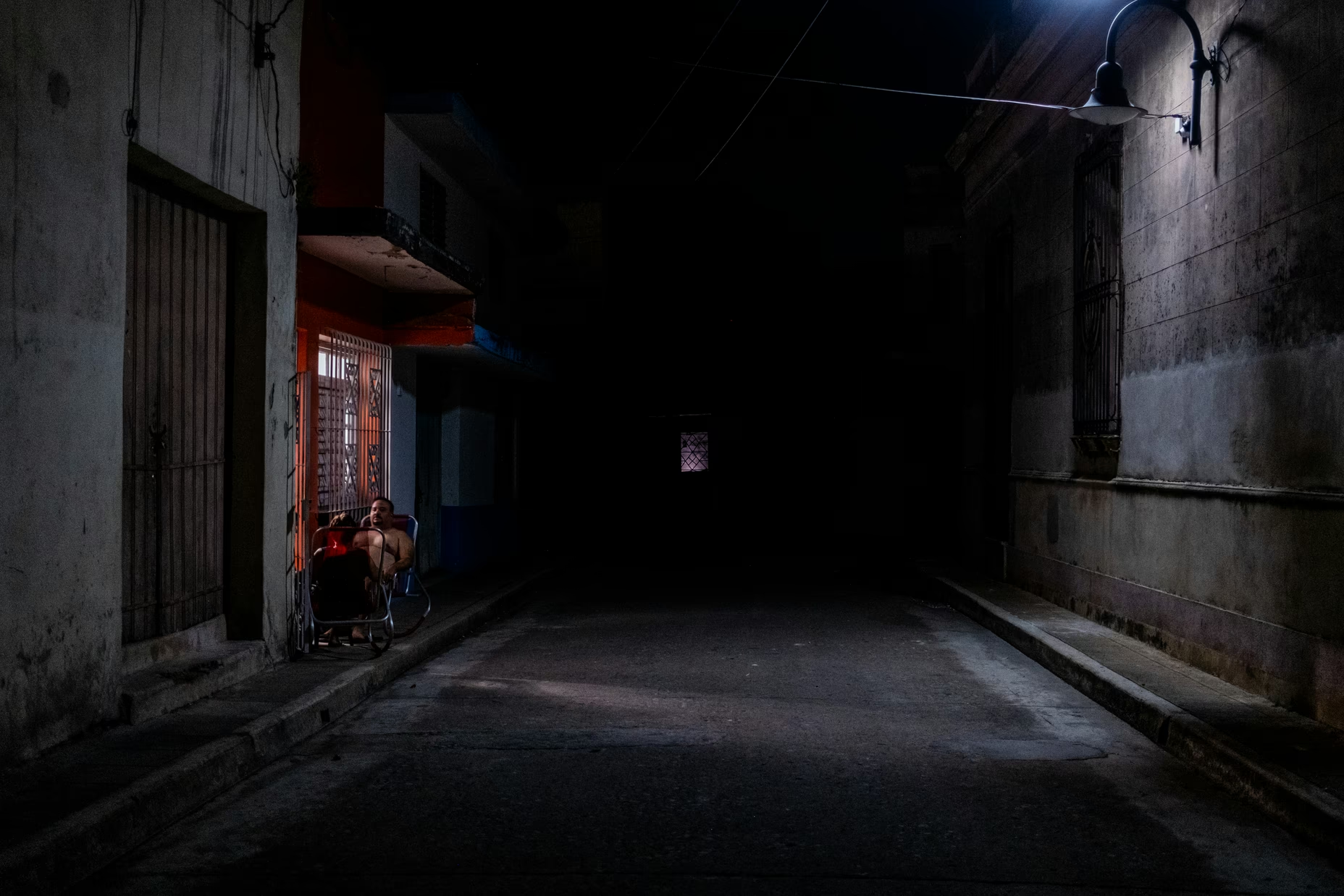
一天傍晚,在巴拉科阿的一处海滩上,一名30多岁的男子问我怎么看共产主义。他躺在吊床里,和另外四个男人聊天,喝着塑料瓶装的廉价甘蔗朗姆酒;他们一直在抱怨大米、豆类和其他基本食品价格不断上涨。我告诉他,我认为共产主义是一种糟糕的治国方式。
One evening on a beach in Baracoa, a man in his 30s asked me what I thought about Communism. He was lying in a hammock talking with four other men, drinking cheap sugarcane rum from a plastic bottle; they had been complaining about the ever higher prices of rice, beans, and other basic foods. I told him I thought Communism was a lousy way to run a country.
他直直地看着我说:“我操菲德尔·卡斯特罗他妈。”其他男人笑了起来。他又说了几句脏话。然后,那人脸上的笑意突然消失得一干二净。他的声音因愤怒而紧绷,眼里涌出了泪水。
He looked squarely at me and said, “I shit on Fidel Castro’s mother.”The other men laughed. He uttered a few more obscenities. Then, suddenly, all of the humor drained from the man’s face. His voice went taut with anger, and tears welled up in his eyes.
“古巴的时间冻结了!”他喊道,“没有希望。生为古巴人是件悲哀的事。这就是我的想法,我不在乎;他们想的话可以把我送进监狱。”其他男人都沉默了。
“Cuba is frozen in time!” he shouted. “There’s no hope. It’s a sad thing to be born a Cuban. That’s what I think, and I don’t care; they can send me to prison if they want.”The other men had gone silent.
还有一个衡量古巴人对政府愤怒程度的指标:在环岛旅行的九天里,我没有遇到一个人将他们的处境归咎于唐纳德·特朗普或美国。我有时会提醒他们,特朗普今年早些时候发起了封锁,切断了古巴人从委内瑞拉获得的廉价石油供应——在美国军方于一月抓获尼古拉斯·马杜罗之前,委内瑞拉一直在供应这些石油。难道从那以后情况没有变得更糟吗?
Here is another measure of Cubans’ anger at their government: During nine days of travel around the island, I did not meet a single person who blamed Donald Trump or the United States for their situation. I sometimes reminded them about the blockade Trump had started earlier this year, cutting Cubans off from the cheap oil that Venezuela had been supplying before the U.S. military captured Nicolás Maduro in January. Hadn’t things gotten worse since then?
“自一月以来我看不到任何变化,”一位名叫吉列尔莫·阿尔梅达的退休工程师告诉我。“那些来自委内瑞拉的石油反正也到不了人民手里。”他和其他人表示,更重要的转折点是新冠疫情,疫情摧毁了古巴的旅游业,并缩水了许多古巴人所依赖的海外亲属汇款的价值,更充分地暴露了一个早已枯竭的国家。另一位男士则说得不同:“在我们看来,真正的禁运在古巴内部。”
“I don’t see any change since January,” a retired engineer named Guillermo Almeida told me. “That oil from Venezuela wasn’t reaching the people anyway.”He and others said that the more important turning point was the coronavirus pandemic, which destroyed Cuba’s tourism industry and shrank the value of remittances from family members abroad that many Cubans depend on, exposing more fully a state that had long been depleted. Another man put it differently: “It seems to us that the real embargo is inside of Cuba.”
教会在维持人们生存方面承担了古巴国家昔日的大部分角色。在巴拉科阿,我遇到了劳尔·德·赫苏斯·穆尼奥斯·蒙德尔,一位在该地区传教32年的五旬节派牧师。他说,他见过饥饿和匮乏,包括在山区一间小教堂里度过的那些年,但从未见过像现在这样糟糕的情况。
The churches have taken on much of the Cuban state’s old role in keeping people alive. In Baracoa, I met Raul de Jesus Muñoz Munder, a Pentecostal pastor who has been evangelizing in the area for 32 years. He had seen hunger and deprivation, he said, including during the years he spent in a tiny church in the mountains, but nothing as bad as the present.
穆尼奥斯·蒙德尔描述他的工作几乎像是在描述一次军事行动。他说,每周他都会在教堂与一个副牧师团队会面,每个人汇报自己所在社区的情况:谁生病了需要药品,谁需要食物,以及如何将食物送到他们手中。这位牧师的会众约有1100名固定成员,但他向一个规模大得多的群体提供援助。在过去三十年里,他所属的教派——神召会——在巴拉科阿地区从两座教堂扩展到了40座。
Muñoz Munder described his work almost as if it were a military operation. Every week, he said, he meets with a team of associate pastors at his church, and each man reports on the situation in his home neighborhood: who is sick and needs medicine, who needs food, and how to get it to them. The pastor’s congregation has about 1,100 regular members, but he provides aid to a much larger group. His denomination, the Assemblies of God, has expanded from two to 40 churches in the Baracoa region over the past three decades.
在古巴,福音派运动的增长难以量化,这里的天主教会曾经几乎无处不在。关于宗教信仰,古巴没有独立的数据——政府长期垄断着调查。但我交谈过的所有人,无论在国内还是国外,都同意近年来福音派的存在感急剧上升。
The growth of the evangelical movement is hard to quantify in Cuba, where the Catholic Church was once almost universal. No independent numbers on religious affiliation exist—the government has long had a lock on surveys. But everyone I spoke with, both inside and outside the country, agreed that the evangelical presence has surged in recent years.
在巴拉科阿,一个周六的傍晚,我偶然遇到了好几场不同的福音派礼拜,每一场都喧闹嘈杂,会众们站着,跟着拍手。这类场景对许多年长的古巴人来说仍然有些刺耳。他们往往把教会与更有秩序的天主教仪式联系在一起,从小到大很少见到那种如今在拉丁美洲各地已很常见的张扬的福音派宗教狂热。但这座岛正在改变。我甚至在街上都听到不少关于上帝的话题。一天下午,在古巴中东部一座美丽而破败的城市卡马圭,一位坐轮椅的老妇人从我经过的敞开大门里朝我喊话。
In Baracoa, I stumbled upon several different evangelical services one Saturday evening, each of them loud and raucous, the congregation on its feet and clapping along. These kinds of scenes are still a little jarring to many older Cubans. They tend to associate church with more orderly Catholic rituals, and grew up without seeing much of the flamboyant evangelical religiosity that has become common across Latin America. But the island is changing. I heard a fair amount of God talk even on the street. One afternoon in Camagüey, a beautiful, decaying city in east-central Cuba, an elderly woman in a wheelchair called out to me as I passed her open front door.
“我们必须告诉人们上帝是存在的,”她用急切的语气说。“上帝的话必须全部应验。”她的一个孩子已经离开了这个国家,另一个孩子——一名高中教师——在监狱里;她说他因为指控一名高级官员腐败而被判了14年刑。老妇人独自生活,她剩下的唯一东西就是她的信仰。
“We have to tell people that God exists,” she said, in an urgent tone. “God’s word has to be fulfilled in its entirety.”One of her children had left the country, and the other one, a high-school teacher, was in prison; she said he’d been given a 14-year sentence for accusing a high-ranking official of corruption. The old woman was living alone, and the only thing she had left was her faith.
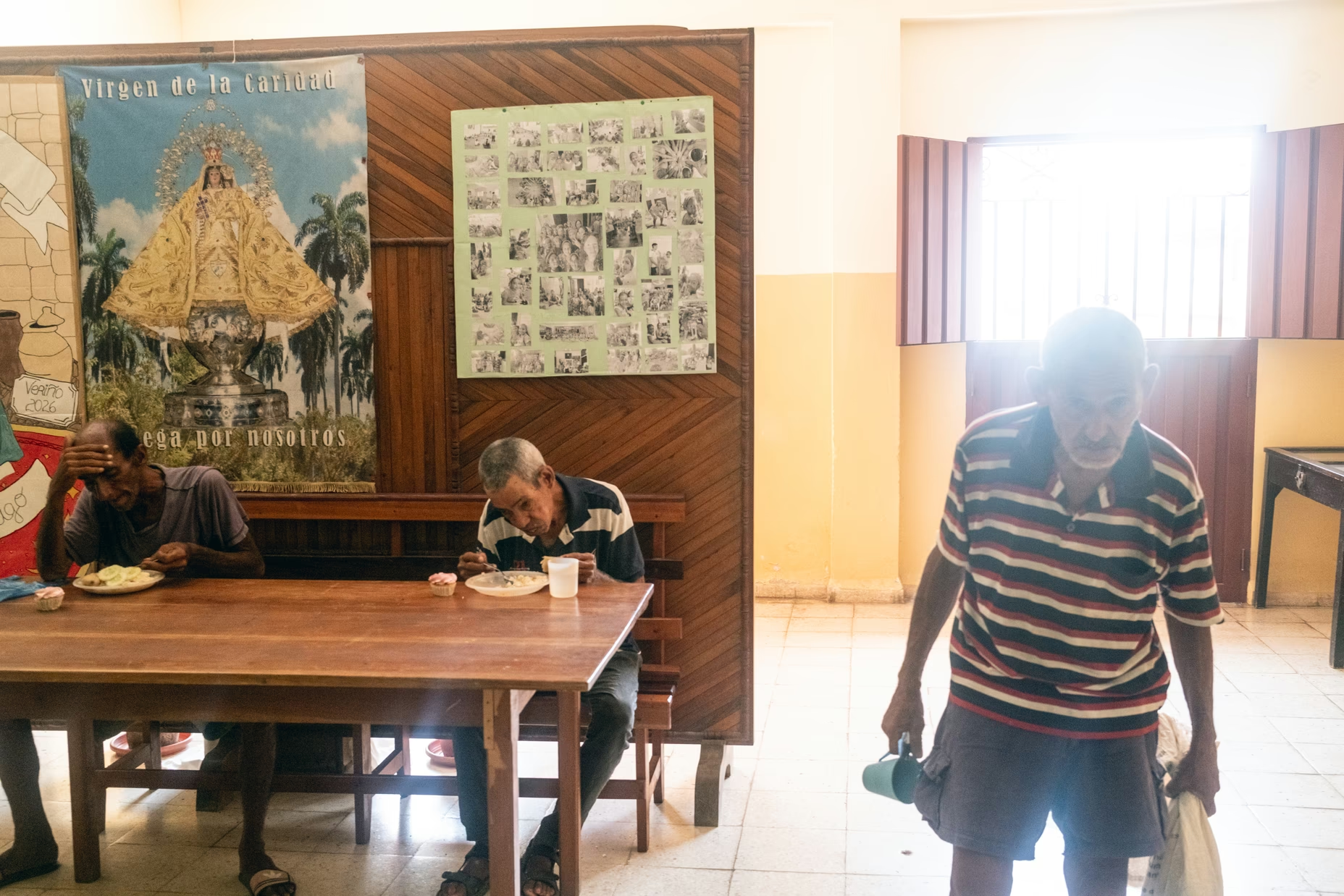
在哈瓦那,我参观了一家天主教会拥有的养老院,里面住满了前公务员和军官。在一个房间里,我看到十几个老头,他们的床相隔约一码排开。每人只有一个窄小的储物柜,用来存放他所有的尘世财物。一名护士允许我与住户交谈,但提醒我他们“非常悲伤”。她解释说,他们中的许多人曾有过显赫的政府职业生涯,却在生命尽头发现自己被国家和家人双双抛弃。许多情况下,他们的子女已经离开了这个国家。
In Havana, I visited a nursing home owned by the Catholic Church that was full of former civil servants and military officers. In one room I found a dozen old men, their beds lined up about a yard apart. Each had a single narrow locker for all of his earthly possessions. A nurse gave me permission to speak with residents but cautioned me that they were “very sad.”Many of them, she explained, had had distinguished government careers but had found themselves abandoned by both the state and their family at the end of their life. In many cases, their children had left the country.
其中一名男子身材精瘦,65岁,曾在安哥拉作战两年——上世纪70年代和80年代,卡斯特罗曾向那里派遣数十万士兵,支持一个与共产党结盟的政府。这名前士兵曾经是革命的拥趸;你能看出来,因为他右臂上有一个大大的切·格瓦拉纹身。那是他18岁时纹的。他给我看了几处非洲战斗留下的伤疤,我问他如何看待这个国家的局势。
One of the men, a wiry 65-year-old, had fought for two years in Angola, where Castro had sent hundreds of thousands of soldiers in the 1970s and ’80s to support a Communist-aligned government. The former soldier had once been a fan of the revolution; you could tell because he had a big tattoo of Che Guevara on his right arm. He’d gotten it when he was 18. He showed me several scars left over from battles in Africa, and I asked him how he felt about the situation in the country.
他用一句脏话回答了我。我问他应该怎么做才能让情况好转。他告诉我,古巴需要被轰炸。具体来说,劳尔·卡斯特罗——菲德尔的弟弟和继任者——应该被轰炸。还有劳尔的女儿玛丽埃拉。以及总理曼努埃尔·马雷罗·克鲁斯。
He answered with an expletive. I asked him what should be done to make things better. Cuba needed to be bombed, he told me. Specifically, Raúl Castro, Fidel’s brother and successor, should be bombed. And Raúl’s daughter Mariela. And the prime minister, Manuel Marrero Cruz.
我在岛上旅行期间,人们一次又一次地告诉我:。他们指的不仅仅是饥饿、疾病和缺电。他们指的是愤怒、空虚、音乐和笑声的缺失。
Again and again during my travels on the island, people told me: . They didn’t just mean the hunger and sickness and lack of electricity. They meant the anger, the emptiness, the absence of music and laughter.
一位81岁的老人回忆说,过去圣地亚哥的每个街角都有一个音乐团体,他曾在乐队里当了45年歌手。现在一个也没有了。
There used to be a musical group on every corner of Santiago, an 81-year-old man who had spent 45 years as a singer in a band recalled. Now there were none.
1959年革命后,菲德尔·卡斯特罗将无神论奉为新国家的信条,流放了许多著名的天主教人物,并将信徒送往再教育营。但从某种意义上说,他与其说是在放逐宗教,不如说是在创造一个新的崇拜,有自己的仪式和神圣殉道者。这个崇拜如今以一种怪异的半衰状态勉强存续,在数十年的苦难和压迫之后被大多数人民抛弃,却不知何故抗拒着最终的崩溃。
After the 1959 revolution, Fidel Castro enshrined atheism in the new state, exiling many prominent Catholic figures and sending believers to reeducation camps. But in a sense, he did not so much banish religion as create a new cult, with its own rituals and holy martyrs. That cult staggers on today in a weird half life, abandoned by most of its people after decades of misery and repression, yet somehow defying a final collapse.
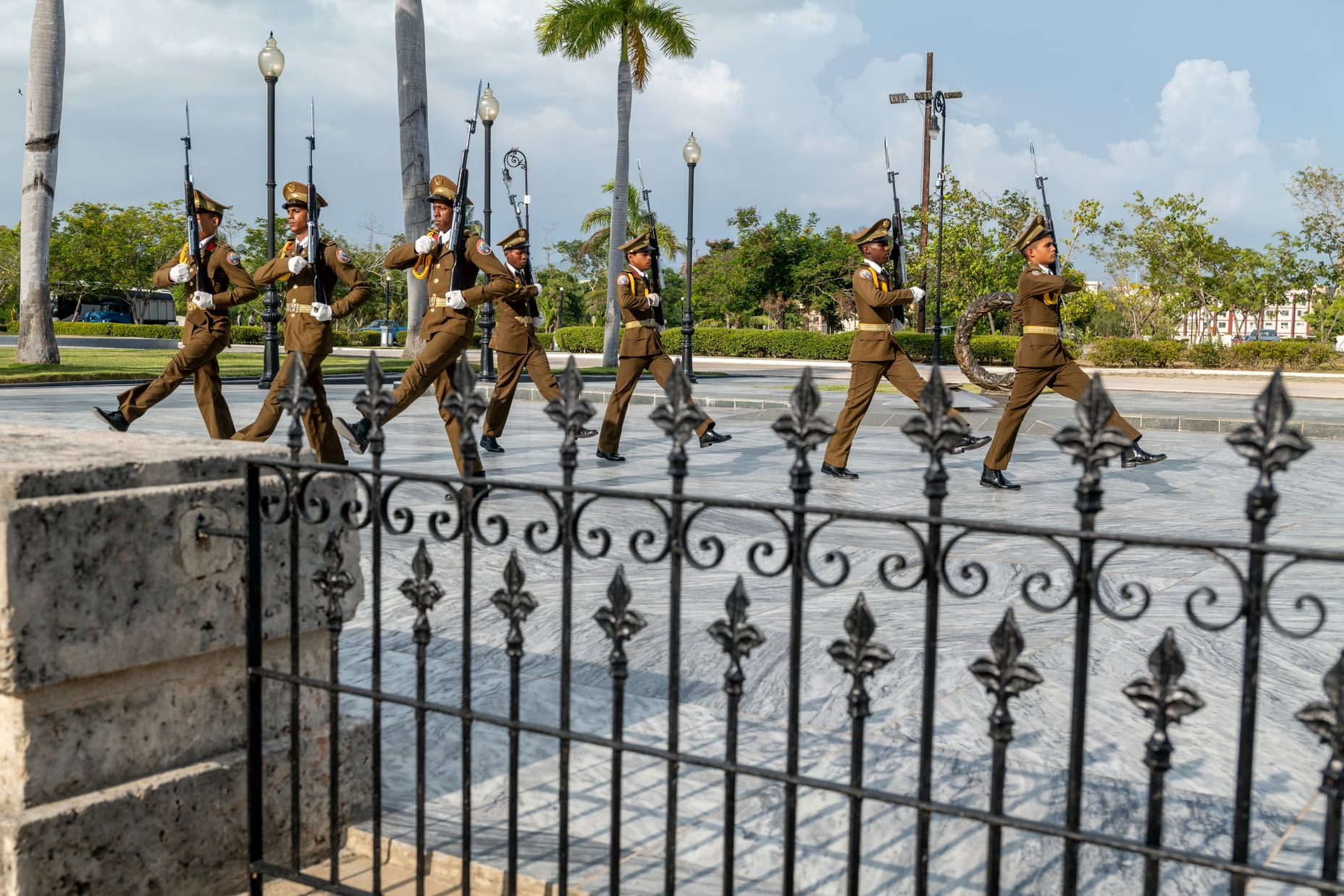
我在整个古巴看到的唯一一尘不染的地方是圣地亚哥的圣伊菲赫尼亚公墓,菲德尔的骨灰安放于此。那里的草是绿色的,修剪得极其完美,步道被仔细清扫过;我去的时候,一个访客也看不到。
The only immaculately clean place I saw in all of Cuba was the Santa Ifigenia Cemetery, where Fidel’s ashes are held, in Santiago. The grass there is green and mowed to razor-perfection, the walkways carefully swept; not a single visitor was in sight when I went there.
我站在那里,望着那块标志着菲德尔墓穴的圆形花岗岩巨石,这时,看不见的扩音器里突然响起爱国音乐,一支身着笔挺制服的仪仗队士兵开始齐步正步走,步枪指向天空。他们行进到纪念古巴伟大民族英雄何塞·马蒂的陵墓前,举枪敬礼,并换下了一群穿着同样制服的同胞,后者列队返回。有人告诉我,他们全天每半小时进行一次这样的换岗仪式。
As I stood looking at the rounded granite boulder that marks Fidel’s tomb, patriotic music began blaring from invisible loudspeakers, and an honor guard of soldiers in neatly pressed uniforms began goose-stepping in unison, rifles pointed skyward. They marched to the mausoleum honoring José Martí, Cuba’s great nationalist hero; presented arms; and relieved a group of similarly uniformed compatriots, who marched back. They do this changing of the guard every half hour, all day long, I was told.
看着那些完美的士兵,你可能会一时以为自己身处另一个地方——也许是卡斯特罗梦想中的那个遥远国度,那里社会主义取得胜利,没有人患病或不快,人人都渴望以领导了光荣革命的那位英雄为榜样。接着,一阵微风掠过草地,带来焚烧垃圾的刺鼻气味,我想起了自己身在何处。
Watching those perfect soldiers, you could believe for a moment that you were in another place—perhaps that far-off country Castro had dreamed of, where socialism is triumphant, no one is sick or unhappy, and everyone aspires to follow the heroic example of the man who led a glorious revolution. Then a breeze swept across the grass, carrying the acrid stench of burning garbage, and I remembered where I was.