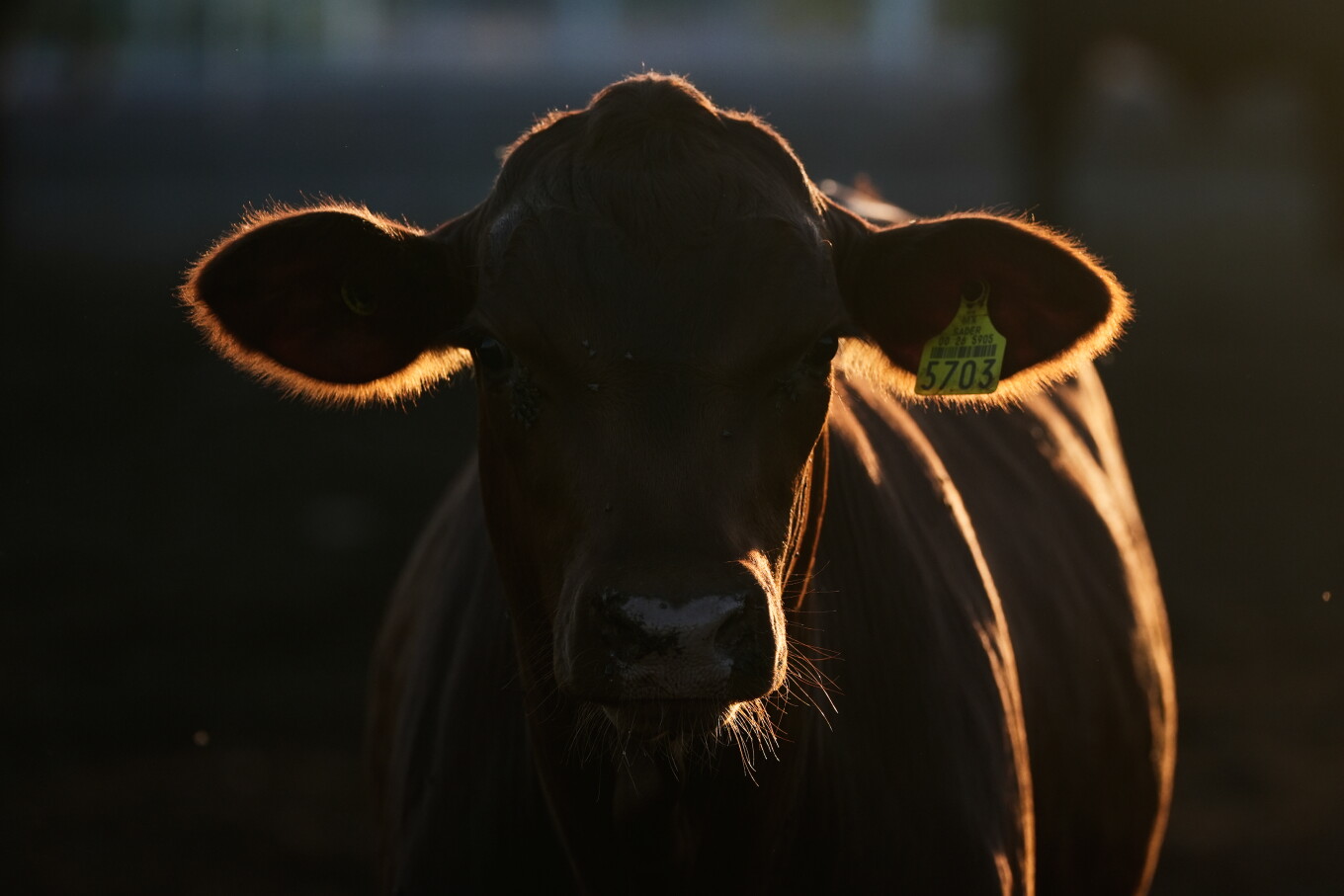
新墨西哥州因新世界螺旋蝇疫情而关闭的牲畜集散场重现繁忙景象。
Stockyards in New Mexico that had closed due to the New World screwworm outbreak are bustling again.
苏珊·蒙托亚·布赖恩 随着美国农业检查员给予通关许可,墨西哥牛只于周一开始通过新墨西哥州的一个边境口岸入境,该口岸因两国致力于阻止食肉性新世界螺旋蝇扩散而关闭了近两年。
SUSAN MONTOYA BRYAN With the all-clear from U.S. agriculture inspectors, Mexican cattle began moving on Monday through a border crossing in New Mexico that had been closed for nearly two years as both nations work to stop the flesh-eating New World screwworm from spreading.
螺旋蝇——实际上是一种苍蝇幼虫,会钻入家畜、宠物甚至人类的肉体内——已威胁到价值1130亿美元的美国牛肉产业。防控措施导致边境社区失业和贸易中断,并切断了一条牛只来源,而美国正努力恢复因干旱而减少的牛群。重新开放口岸有助于缓解这一紧张局势,尽管专家提醒消费者不应指望牛肉价格迅速回落。
The screwworm — actually a fly larva that burrows into the flesh of livestock, pets and even humans — has threatened the $113 billion U.S. cattle industry. Containment efforts have cost jobs and trade in border communities, and it cut off a source of cattle as the U.S. struggles to rebuild drought-depleted herds. Reopening crossings could help ease that squeeze, although experts caution that shoppers shouldn’t expect quick relief on beef prices.
新墨西哥州哥伦布港是根据新防控措施恢复墨西哥牛只进口的第三个口岸,这些措施包括在动物靠近边境前进行检测、注射和检查。
The port at Columbus, New Mexico, is the third to resume Mexican cattle imports under new safeguards, which include tests, shots and inspections that happen before an animal even gets close to the border.
两国官员和牧场主表示,多层次的处理和检查让他们有信心,进口牲畜不会通过口岸带入螺旋蝇。但苍蝇可自行飞越边境,这意味着牧场主、猎人和宠物主人仍应保持警惕。
Officials and ranchers in the two countries say layers of treatment and inspection give them confidence that imported livestock won’t carry screwworm through the ports. But flies can buzz across the border on their own, meaning ranchers, hunters and pet owners should remain vigilant.
这种寄生虫在1960年代在美国基本被根除前,曾是每年危害牲畜的灾害。它于2024年在墨西哥重现,首例美国确诊病例于6月在得克萨斯州出现。
The parasite was an annual livestock scourge before being largely eradicated in the U.S. in the 1960s. It reappeared in Mexico in 2024, and the first confirmed U.S. case was in Texas in June.
得克萨斯州和新墨西哥州已确诊60多例,感染对象涉及牛、羊、山羊、马和狗。上周,一名猎人在一头麋鹿身上发现螺旋蝇,确认了美国野生动物中的首例病例。
More than 60 cases have been confirmed in Texas and New Mexico, with infestations of cattle, sheep, goats, horses and dogs Last week, the first case in U.S. wildlife was confirmed after a hunter found screwworm in an elk.
在本轮疫情爆发前,美国每年进口约100万头牛。美国农业部副部长达德利·霍斯金斯表示,要在密切关注动物健康风险的同时恢复到这一数量,需要时间。
Before the current outbreak, the U.S. was importing about 1 million head of cattle per year. It will take time to get back to that number while keeping a sharp eye on the risks to animal health, said Dudley Hoskins, undersecretary for the Department of Agriculture.
“只要我们能将风险管控并缓释至可接受水平,我们将继续处理牛只通过这些口岸的安全合法通关,”他在哥伦布口岸看着牛只排队进入通道时说道。
“As long as we can manage and mitigate that risk at an acceptable level, we will continue to process the safe and legal movement of cattle through these ports,” he said, watching as cattle lined up in the chutes at Columbus.
新墨西哥州是牛只进口关键通道 每年从墨西哥进口到美国的牛只中,约三分之一通过哥伦布口岸和得克萨斯州埃尔帕索附近的圣特雷莎口岸。新墨西哥州边境管理局执行主任赫拉尔多·菲耶罗表示,该地区牛只贸易的价值达10亿美元。
New Mexico is key for cattle imports About a third of all Mexican cattle imported to the U.S. each year pass through Columbus and the Santa Teresa port near El Paso, Texas. Gerardo Fierro, executive director of the New Mexico Border Authority, pegged the value of the cattle trade for the area at $1 billion.
菲耶罗说,由于口岸关闭,社区眼睁睁看着就业岗位、牛只交易,甚至用于运输牲畜的柴油燃料税收都化为乌有。牧场主不再跨境进入新墨西哥州采购物资、住宿和餐饮,农民的苜蓿和谷物也失去了买家。“这意义重大,”他谈到口岸重新开放时说道。亚利桑那州的另一个牛只过境口岸预计将于11月下旬开放。
Fierro said the community watched as jobs, cattle sales and even tax revenue from the diesel fuel used to transport the animals evaporated due to the closures. Ranchers were no longer crossing into New Mexico and spending money on supplies, lodging and food, and farmers had no customers for their alfalfa and grain. “This means a lot,” he said of the reopening. Another border crossing for cattle in Arizona is due to open in late November.
多重防护层确保牛只洁净 新墨西哥州州兽医萨曼莎·霍莱克表示,让牛只做好准备的严格流程始于其原产牧场,由私人兽医检查结核病等疾病,并给予预防螺旋蝇蛆病的药物。
Layers of safeguards ensure cows are clean New Mexico state veterinarian Samantha Holeck said the rigorous process for getting cattle ready starts at their home ranches, where private veterinarians check for tuberculosis and other diseases and deliver medications that prevent screwworm.
下一站,由墨西哥政府认证的兽医检查是否有开放性伤口、疾病迹象或其他损伤。随后,美国农业部在墨西哥境内进行从头到尾的检查。
At the next stop, veterinarians accredited by the Mexican government look for open wounds, signs of illness or other injuries. Then a head-to-tail inspection is done by the USDA while still in Mexico.
最后一道关卡?浸药——俗称“药浴”——将牛只浸入装有杀虫剂的药槽中,以清除任何遗漏的寄生虫。
The last hurdle? Dipping — as it’s commonly known — involves the cows being immersed in vats of insecticide to get rid of any missed parasites.
霍莱克表示,近年来制定的规程有助于争取更多时间,美国农业部正在使用捕蝇器和无人机对相关区域进行调查。
Flies have lots of ways to move around Holeck said the protocols developed over recent years helped to buy more time, and the USDA is using fly traps and drones to survey areas.
政府长期以来一直实施一项计划,繁育不育雄蝇并从飞机上投放成群的不育雄蝇,使其与野生雌蝇交配,从而导致蝇群灭绝。政府正在得克萨斯州建设一座耗资6.1亿美元的工厂,该工厂每周可生产3亿只不育雄蝇。这将补充墨西哥和巴拿马设施的产量。霍金斯说:“这是我们最锋利的工具。”
The government has a longstanding program to breed sterile male flies and drop swarms of them from planes to mate with wild females, causing the flies to die out. The government is building a $610 million factory in Texas that can produce 300 million sterile flies per week. That will augment production at facilities in Mexico and Panama. “That’s our sharpest tool,” Hoskins said.
牛肉价格是个更大的问题 墨西哥牧场主再次拥有了育肥牛的市场,但专家表示,美国牧场主重建牛群需要时间,由于多年持续干旱,美国牛群已减少到历史最低水平。供应受限推高了价格。
Beef prices are a bigger problem Mexican ranchers once again have a market for their feeder cattle, but experts say it will take time for U.S. ranchers to rebuild herds that have dwindled to record lows due to years of persistent drought. Constrained supplies have pushed prices higher.
新墨西哥州养牛协会主席汤姆·帕特森是上周在哥伦布与美国农业部长布鲁克·罗林斯会面的人员之一。
Tom Paterson, president of the New Mexico Cattle Grower’s Association, was among those who met with U.S. Agriculture Secretary Brooke Rollins last week in Columbus.
他说:“我同意部长的观点,正如她所说,粮食安全就是国家安全。”
“I agree with the secretary,” he said, “when she says that food security is national security.”