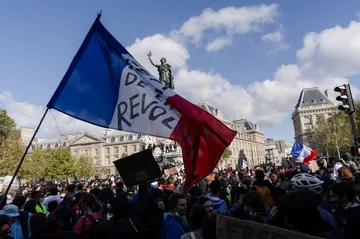
法国正陷入两股强大力量之间:要求政府保护公共服务和社会福利的抗议者,以及无法接受法国赤字进一步扩大的债券市场。
France is caught between two powerful forces: protesters demanding that the government protect public services and social benefits and a bond market that can’t stomach the idea of France’s deficit getting any larger.

但围绕法国预算的争夺也重新点燃了欧元区核心的长期争论:当一个国家与邻国共享一种货币时,它对自身经济未来究竟拥有多少控制权?
But the fight over France’s budget is also reviving a longstanding debate at the heart of the euro zone: How much control does a country really have over its economic future when it shares a currency with its neighbors?
进一步收听:我们为播客听众提供特别的彭博社订阅优惠。
Further Listening:
本期节目由朱莉娅·普雷斯和娜奥米·沙文制作;编辑:特蕾西·萨缪尔森;音响设计师/工程师:埃玛·芒格。
We have a special Bloomberg subscription offer for podcast listeners at This episode was produced by: Julia Press and Naomi Shavin; Editor: Tracey Samuelson; Sound Designer/Engineer: Emma Munger.