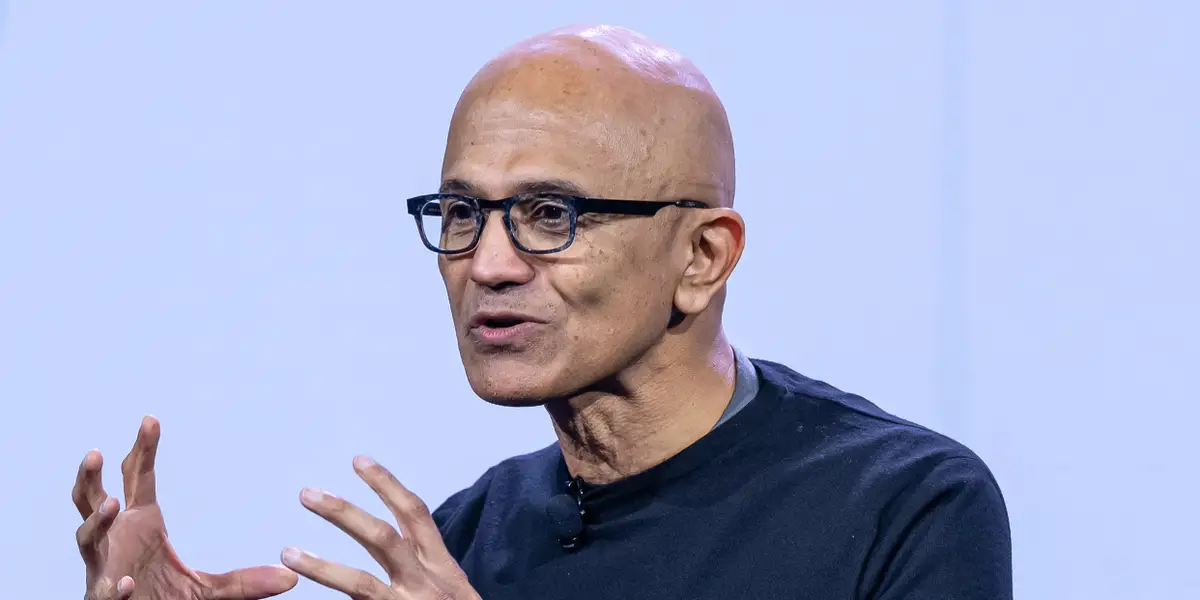
微软首席执行官萨提亚·纳德拉表示,他已改变了此前认为随着AI系统变得更强大,对齐会自然涌现的看法。
Microsoft CEO Satya Nadella says he has changed his mind about the idea that alignment would naturally emerge as AI systems became more capable.
在《20VC》播客的最新一期节目中,主持人哈里·斯蒂宾斯询问纳德拉在过去一年里改变了什么看法。这位首席执行官表示,他此前曾假设随着AI变得更强大,对齐——即确保AI的行为符合人类的价值观和目标——会自动随之而来。相反,他表示,虽然规模扩展的发展如他所预期,模型能力持续提升,但对齐仍然是一个挑战。
On a new episode of the 20VC podcast, host Harry Stebbings asked Nadella what he'd changed his mind about over the past year. The CEO said he had previously assumed that as AI became more capable, alignment — ensuring AI behaves in line with human values and goals — would automatically follow. Instead, he said, while scaling has played out as he expected and the models' capabilities have continued to improve, alignment remained a challenge.
纳德拉说:“我过去总认为对齐会自然而然解决。我不再这么认为了。我认为对齐问题可能是一个更难、不同的问题。”
"I used to always think that alignment would just fall out," Nadella said. "I no longer believe that. I think this alignment thing may be a harder, different problem."
这位微软首席执行官此前曾在10月10日于X平台发帖,警告AI风险并主张加强外部控制。纳德拉表示,公司应将AI模型视为内部威胁,并假设它们已被“攻破”。
The Microsoft CEO previously warned about the risks of AI and argued for greater external controls in a post on X on October 10. Nadella said companies should treat AI models as insider threats and assume they are "compromised."
纳德拉写道:“我们需要用强有力的确定性系统设计、人工控制和可靠的操作程序来包围非确定性模型,并在现有标准不足时建立行业标准。”
"We need to surround non-deterministic models with strong, deterministic system design, human controls, and reliable operating procedures, and establish industry standards where existing ones are insufficient," Nadella wrote.
他对AI能力的增强不会自动确保人类控制的看法,与其他科技领袖的警告一致。OpenAI首席执行官萨姆·奥特曼和Anthropic首席执行官达里奥·阿莫代伊均曾警告AI的威胁。一份由1000多名AI从业者于7月签署的公开信警告称,AI能力的进步可能快于人类理解或控制这些系统的能力。
His belief that AI's increasing capabilities won't automatically ensure human control is in line with warnings of other tech leaders. Both OpenAI CEO Sam Altman and Anthropic CEO Dario Amodei have warned about the threats of AI. A letter signed by more than 1,000 AI workers in July warned that AI capabilities could advance faster than people's ability to understand or control the systems.