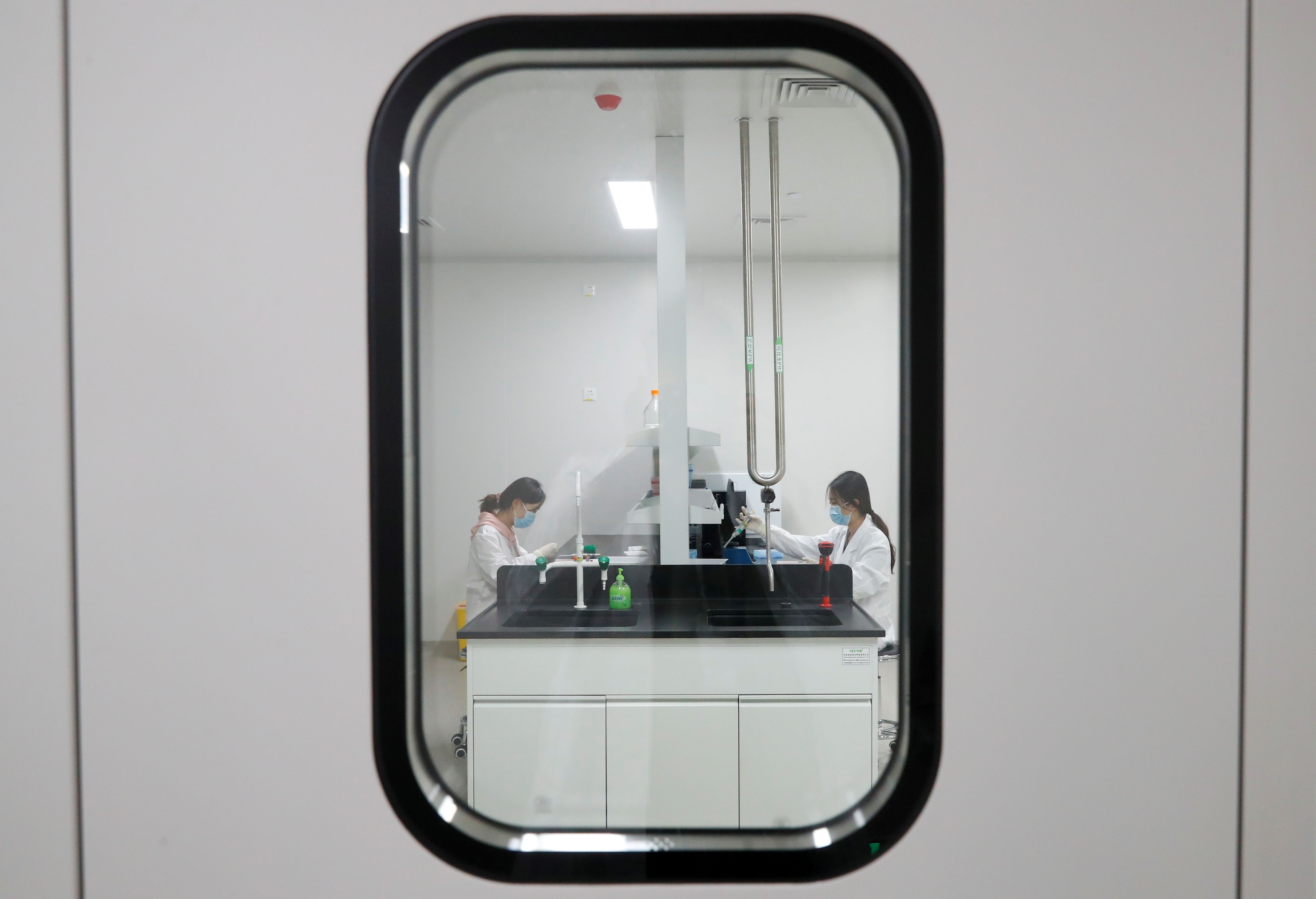
仅仅二十年前,我的家人还向西方寻求在中国无法获得的治疗我祖母的方法。曾经被视为脆弱且内向的中国卫生系统,如今正在崛起为一个雄心勃勃的创新引擎。如今,创新的流动开始向多个方向发展。而向外流动的东西不会止步于药物。
Only two decades ago, my family looked West for a treatment for my grandmother that was unavailable in China. Once regarded as fragile and inward-looking, China’s health system is now emerging as an ambitious innovation engine. Today, the traffic in innovation is beginning to move in multiple directions. And what travels outwards will not stop with drugs.
中国早已超越其早期作为制造基地的角色,成为自身的重要健康能力来源:新药、医疗器械和科学能力的来源;数字系统的建设者;一个具有非凡能力来协调产业政策、基础设施和卫生改革的国家;以及在全球卫生领域日益重要的行动者。
China has moved well beyond its earlier role as a manufacturing base, and into a major source of health capability in its own right: a source of new drugs, as well as devices and scientific capacity; a builder of digital systems; a state with unusual capacity to align industrial policy, infrastructure, and health reform; and an increasingly consequential actor in global health.
竞争也是这个故事的一部分。中国更快的研发周期和从实验室到监管机构再到患者大规模推广的更强能力,意味着在某些领域,中国的进入将加剧对价格、时间表和标准的压力;在其他领域,它将扩大患者和临床医生可选方案的范围。在所有这些领域,它都将改变谁有资格定义先进医疗是什么样子的期望。
Competition is part of this story. China’s faster development cycles and greater capacity to move from laboratory to regulator to patient at scale mean that in some fields, Chinese entry will sharpen pressure on pricing, timelines, and standards. In others, it will widen the set of available options for patients and clinicians. Across all of them, it will alter expectations of who gets to define what advanced healthcare looks like.
这些转变在药物领域已经可见。中国的临床工具、医疗器械和赋能技术也可能变得越来越核心。
Those shifts are already visible in medicines. Chinese clinical tools, medical devices, and enabling technologies are likely to become increasingly central, as well.
这个新的前沿领域源自一些使中国生物技术生态系统如此强大的相同条件:生产者与用户之间的接近性、快速迭代、密集的技术能力,以及一个庞大的国内医疗系统,该系统不断面临寻找更快、更便宜、更具可扩展性答案的压力。
This next frontier draws from some of the same conditions that made China’s biotech ecosystem so formidable: proximity between producers and users, rapid iteration, dense technical capability, and a vast domestic care system under constant pressure to find faster, cheaper, and more scalable answers.
2026年年中,在参观深圳——中国的硬件之都——的工厂时,我看到供应商、工程师、工厂、物流网络和原型制作团队如何紧密协作,将创意从设计快速推进到迭代。机器人已被作为中国应对老龄化、劳动力短缺和未来照护需求的本土方案之一。2026年3月,中国批准了全球首款可商用的脑机接口医疗设备,这一里程碑表明其雄心远不止于低成本生产或快速跟随式模仿。在数字健康和软件领域,中国正在重塑从分诊、预约挂号到问诊、支付和处方的方方面面。
In mid-2026, during a visit to factories in Shenzhen, China’s hardware capital, I saw how suppliers, engineers, factories, logistics networks, and prototyping teams huddle to move ideas quickly from design to iteration. Robots were already offered up as part of China’s domestic answer to aging, labor shortages, and future care needs. In March 2026, China approved the world’s first commercially available brain-computer interface medical device, a milestone that pointed to ambitions extending well beyond low-cost production or fast-follow imitation. And in digital health and software, China is reshaping everything from triage and appointment booking to consultation, payment, and prescriptions.
随着中国在全球的影响力不断扩大,数据治理、生物安全和韧性成为严重关切。但科学进步很少长期局限于国家的整齐框架之内,即便政府希望如此。药品审批延迟可能导致候诊名单更长,标准碎片化可能导致获取机会不均,排斥合作可能导致病床前的选择更少。在已经不堪重负的医疗卫生体系中,这些影响会迅速叠加。
As China’s global presence grows, data governance, biosecurity, and resilience are serious concerns. But scientific progress rarely stays within neat national boxes for long, even when governments would prefer it to. Delayed drug approvals can translate into longer waiting lists, fragmented standards into uneven access, and excluded collaboration into fewer options at the bedside. Those effects compound quickly in health systems already under strain.
相反,世界其他地区必须向中国学习,但不能把借鉴误认为模仿。在这个数十亿人的生活由慢性病、人口结构变化和数字系统所定义的世纪,中国已成为全球健康领域一些最棘手问题的核心试验场之一。其更快的试验基础设施、更整合的转化路径,以及将产业战略与医疗服务联系起来的意愿,为世界各国政府提供了经验教训。
Instead, the rest of the world must learn from China without mistaking adaptation for imitation. In a century where the lives of billions are defined by chronic disease, demographic change, and digital systems, China has become one of the central proving grounds for some of the hardest issues in global health. Its faster trial infrastructure, its more integrated translational pathways, and its willingness to link industrial strategy to health delivery hold lessons for governments around the world.
随之而来的问题日益凸显:如何与中国的能力打交道,而不至于滑向无形的依赖。尤其是对医疗健康行业而言,如今应当把中国同时视为竞争之地、合作之地和创新发源之地。越来越多的中国医疗创新正融入世界提供医疗服务的方式之中,无论各国政府在政治上是否愿意接受这一现实。
And the question, increasingly, is how to engage with Chinese capability without drifting into invisible dependence. For the healthcare industry in particular, China should now be read as a site of competition, partnership and origination all at once. More Chinese health innovations are becoming part of how the world delivers care, whether governments are politically comfortable with that reality or not.
利害关系依然简单而残酷。寻求医疗服务的人并不在乎别人想把哪个国家的叙事投射到某个分子、器械或平台上,不在乎哪种监管理念定义了它,也不在乎某个实验室背后立着哪面国旗。他们想要的是安全有效的治疗——在他们需要的时候,快速、安全地得到。
The stakes remain brutally simple. People in search of healthcare do not care which national story others wish to project onto a molecule, device, or platform, which regulatory philosophy defines it, or which flag stands behind a laboratory. They want safe treatment that works — quickly, safely, and when they need it.