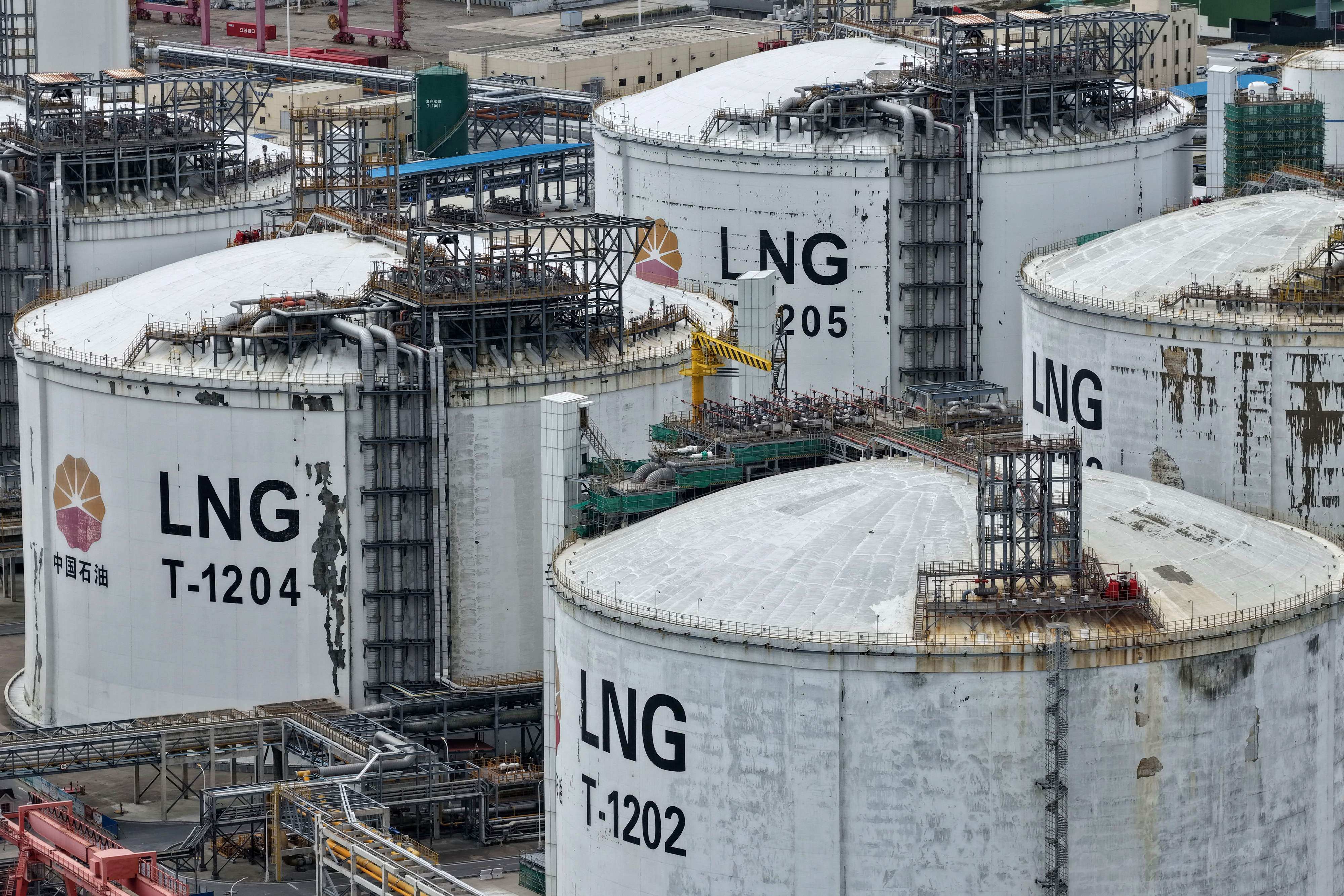
国际天然气联盟(IGU)主席表示,中国的能源安全如今因内部韧性而得到巩固,经受住了中东长期战争这一艰难考验。
China’s energy security, now buttressed by internal resilience, has withstood a difficult test from the protracted war in the Middle East, says the head of a global energy industry body.
“中国拥有国内生产,制定了多元化政策,也有在不同类型能源间转换的可能性,”国际天然气联盟主席安德烈亚·斯特格周二对《南华早报》表示。
“China has domestic production, it has developed a diversification policy and there is also the possibility to switch around different types of energy,” Andrea Stegher, president of the International Gas Union (IGU), told the South China Morning Post on Tuesday.
斯特格称,作为世界第二大经济体,中国的能源供应链比其他一些国家更为完备,北京平衡了国内和海外来源的组合。
Stegher said the world’s second-largest economy had energy supply chains more complete than some others, with Beijing balancing a combination of domestic and overseas sources.
他解释说:“中国的国内[天然气]产量是挪威的两倍多,而从欧洲角度看,我们认为挪威产量非常大……中国还拥有来自中亚的[天然气]管道,比如来自土库曼斯坦的管道。”
“China’s domestic [natural gas] production is more than double Norway’s, and we consider Norway from the European standpoint being very large … China also has [natural gas] pipelines coming from Central Asia, like from Turkmenistan,” he explained.
这位总部位于伦敦的国际天然气联盟负责人正在香港出席由该市燃气公用事业公司香港中华煤气有限公司(港华燃气)联合主办的可持续发展峰会,该活动将汇聚政策制定者和专家,共同探讨地缘政治、能源价格波动以及中国天然气市场等议题。
The chief of the London-based IGU is in Hong Kong for a sustainability summit co-hosted by the city’s gas utility firm Hong Kong and China Gas Company (Towngas), an event set to bring policymakers and experts together to discuss, among other topics, geopolitics, energy price volatility and the natural gas market in China.
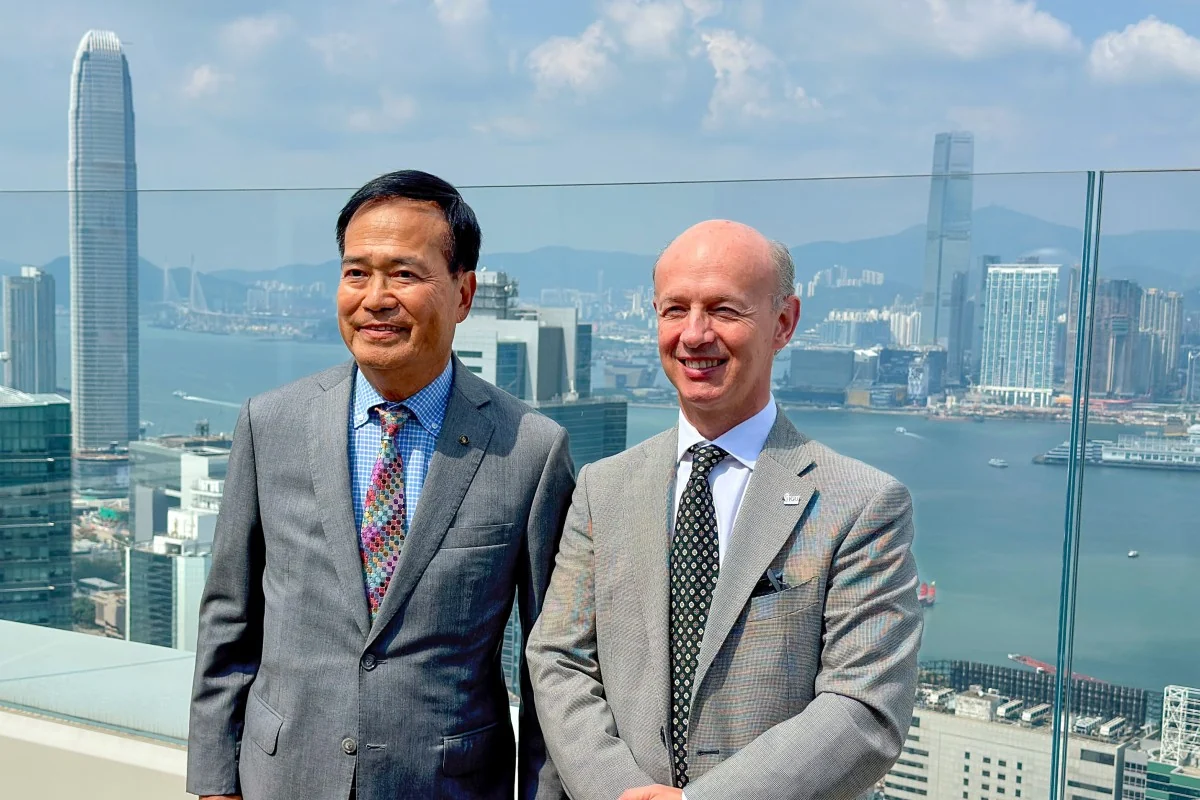
斯特格强调了中国在推动天然气生产和建设产能方面取得的进展,这有助于缓冲中东动荡带来的影响。
Stegher highlighted the headway China had made in promoting natural gas production and the capacity it had built, which helped cushion the effects of the upheavals in the Middle East.
他说:“中国近年来一直在发展地下天然气储存能力,这提供了安全性和灵活性。这也增添了[中国供应稳定]的图景,”他补充称,这可能为其他主要经济体提供借鉴。
“China has been developing underground gas storage capacity in recent years, which provides security and flexibility. That’s also adding to the picture [of stable supplies in the country],” he said, adding that it may serve as a model for other major economies.
根据国际天然气联盟数据,2025年中国新增了60亿立方米工作气储存能力,使其成为全球第六大天然气储存国。尽管如此,它仍落后于美国和俄罗斯。
In 2025, China added 6 billion cubic metres of working gas storage capacity making it the 6th largest holder of gas storage globally. Still, it lagged the United States and Russia, according to IGU data.
国际天然气联盟(IGU)今年的《全球天然气报告》还指出,在地缘政治动荡和供应紧张持续的情况下,中国和美国的国内产量增加在弥补市场其他地方的短缺方面发挥了“至关重要的稳定作用”。
This year’s Global Gas Report by the IGU also said that when geopolitical disruptions and tight supply were persistent, increased domestic production in China – and the US – played a “vital stabilising role” in offsetting shortfalls elsewhere in the market.
报告指出,中国正从主要的“需求变量”转向稳定因素,更强劲的国内产量和管道进口(尤其是来自俄罗斯的进口)取代了部分进口,并抵消了其他供应压力,如霍尔木兹海峡的中断。但施特格敦促中国在煤改气范式转变中加速脱碳。
The report noted that China was shifting from a major “demand variable” towards a stabiliser, and that stronger domestic production and pipeline imports, notably from Russia, displaced some imports and offset other supply pressures, like the Strait of Hormuz disruptions. But Stegher urged China to accelerate decarbonisation amid the coal-to-gas paradigm shift.
“就中国的能源结构而言,也许在减少煤炭方面还有其他可做的事。”作为仍是世界最大温室气体排放国,中国设定了到2030年实现碳达峰的目标,旨在到2060年向碳中和过渡。
“[In regard to China’s] energy mix, maybe there is something else to be done on reducing coal.”China, still the world’s largest emitter of greenhouse gases, has set a goal to peak carbon emissions by 2030 as it aims to transition towards carbon neutrality by 2060.
在周二的同一论坛上,香港中华煤气有限公司董事总经理黄伟义也强调了中国大陆天然气勘探集群以及液化天然气(LNG)接收和储存设施的不断扩大。
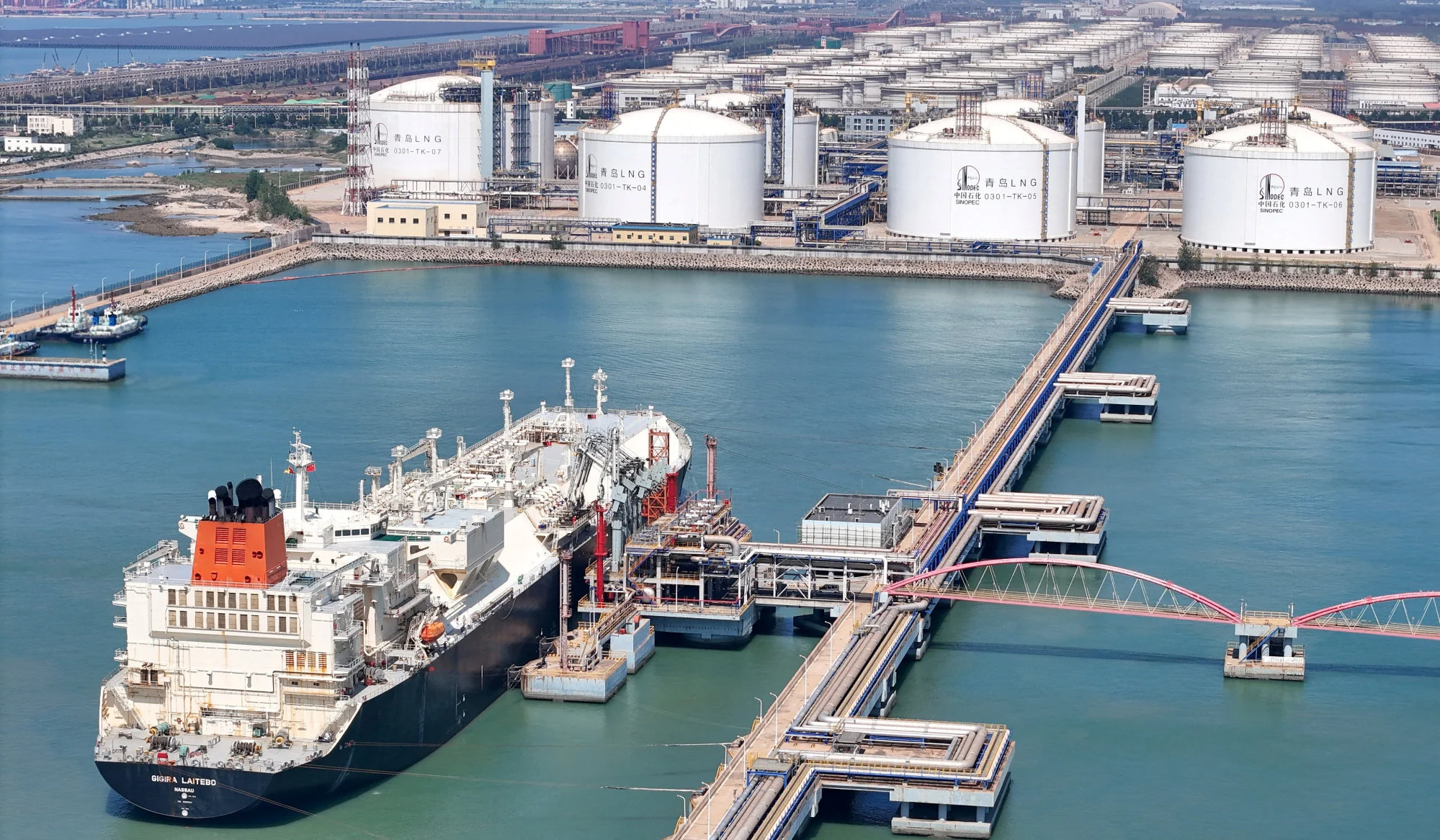
At the same forum on Tuesday, Peter Wong Wai-yee, managing director of Towngas, also highlighted the expanding clusters of natural gas exploration, as well as LNG receiving and storage facilities in mainland China.
“中国拥有三大天然气储备基地:新疆、内蒙古和四川,每个都拥有非常大的储量(确保了国内产量)。在此基础上,来自俄罗斯、中亚甚至缅甸的长输管道不断延伸。
“China boasts three big gas reserves: Xinjiang, Inner Mongolia and Sichuan, each with [a] very large quantity [ensuring domestic production]. On top of these, long pipelines from Russia, Central Asia and even Myanmar keep extending.
“然后,如果你沿着中国海岸线看,LNG接收站点缀海岸线。我们有来自印度尼西亚、澳大利亚的天然气,当然也有一些来自中东,”黄伟义说。
“Then, if you look along China’s coast, LNG receiving terminals dot the coastline. We have natural gas coming from Indonesia, Australia and, of course, some from the Middle East,” Wong said.