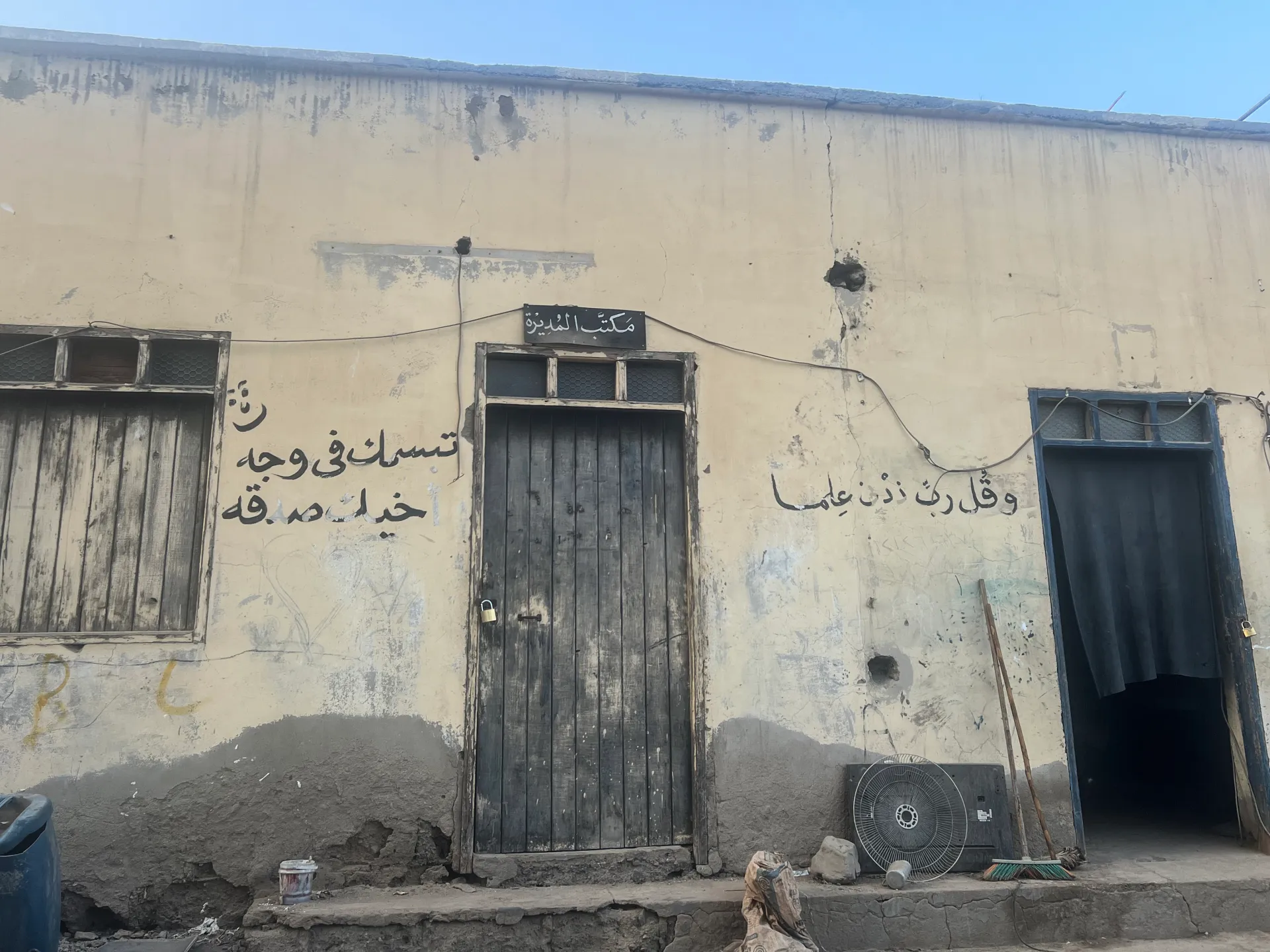
九岁的阿布卡尔·穆罕默德每天在苏丹港的街头擦鞋、修鞋。2023年4月15日,苏丹武装冲突爆发数日后,他随母亲和三个兄弟姐妹从喀土穆来到这座东部苏丹城市。
Nine-year-old Abkar Mohammed works cleaning and polishing shoes on the streets of Port Sudan every day. He arrived in the eastern Sudanese city with his mother and three siblings from Khartoum days after the country’s armed conflict erupted on April 15, 2023.
阿布卡尔在战争爆发前就失去了父亲,一家人住在苏丹港低收入社区阿勒-卡萨拉的一处租赁住房里。
Abkar lost his father before the war began and the family live in a rented a home in al-Kasara, a low-income neighbourhood in Port Sudan.
由于家庭经济拮据,他无法上学,但会去传统的“卡尔瓦”(古兰经学校)学习《古兰经》。
Due to the family’s financial situation, he doesn’t go to school but does attend classes at a traditional “khalwa” where he learns the Quran.
“课一结束,我就拿起擦鞋工具去人多的地方干活,”他对半岛电视台说。“傍晚我乘坐公共交通工具回家,确保日落前到家。” 他擦洗或缝补一双鞋能赚约1000苏丹镑(约合0.11美元),一天下来能挣约1万苏丹镑(约合1.08美元)。他把钱交给母亲,用于支付家庭日常开销。
“When my lesson finishes, I pick up my shoe-cleaning equipment and head to busy areas to work,” he told Al Jazeera. “In the evening, I take public transport home, making sure I get back before sunset.”He gets around 1,000 Sudanese pounds ($0.11) to clean or stitch a pair of shoes, and by the end of the day, he earns around 10,000 pounds ($1.08). He gives the money to his mother to cover the family’s daily needs.
“我23岁的哥哥在市场上干零工,承担了大部分家庭开支,”他说。
“My 23-year-old brother works on casual jobs in the markets to cover most of the household expenses,” he said.
据联合国儿童基金会统计,阿布卡尔的遭遇折射出苏丹1700万学龄儿童中有800万失学的现实。
Abkar’s story echoes the lives of eight million of the country’s 17 million school-age children who are out of school, according to UNICEF.
马哈茂德·阿勒-加利在苏丹港街头卖糖果,而未能返校上课 [法蒂玛·伊达姆/半岛电视台] 在达尔富尔——战争重创最严重的苏丹地区之一——约80%的学校仍处于关闭状态,该地区70%的儿童未上课。
Mahmoud al-Ghali sells sweets on the streets of Port Sudan instead of returning to class [Fatime Edam/Al Jazeera] In Darfur, one of the areas of Sudan hardest hit by the war, about 80 percent of schools remained closed with 70 percent of children in the area not attending classes.
救助儿童会估计,自2023年4月战争爆发以来,苏丹儿童平均已错失约484天的课堂学习,原因是学校长期关闭、战斗、流离失所以及教育设施受损。
Save the Children estimates that children in Sudan have missed on average about 484 days of classroom learning since the war began in April 2023, due to prolonged school closures, fighting, displacement and damage to education facilities.
自2023年起与苏丹武装部队(SAF)交战的快速支援部队(RSF)被指控以无人机袭击瞄准学校和大学,以及其他民用基础设施。
The Rapid Support Forces (RSF), which has been in conflict with the Sudanese Armed Forces (SAF) since 2023, has been accused of targeting schools and universities in drone strikes, along with other civilian infrastructure.
2026年9月,北科尔多凡州两座仓库遭无人机袭击,造成33万多册教科书及其他学习资料被毁。
In September 2026, a drone attack on two warehouses in North Kordofan destroyed more than 330,000 school textbooks and other learning materials.
政府妇女儿童咨询委员会负责人苏莱马·伊沙格对半岛电视台表示,生活在冲突地区(如达尔富尔和科尔多凡部分地区)的儿童面临永久失去受教育机会的最大风险。这对他们的未来可能造成严重影响,尤其是对女孩。
Sulaima Ishag, head of the Government Advisory Council for Women and Children, told Al Jazeera that children who live in conflict zones, such as Darfur and parts of Kordofan, are at greatest risk of permanently losing access to education. This can have a dire impact on their future, particularly for girls.
苏莱马对半岛电视台说:“有辍学和童婚案例被报告,伴随的还有性暴力。女孩面临额外风险,包括青春期怀孕和家务负担加重,这可能进一步限制她们重返校园的机会。”
“[There are] cases of school dropouts and child marriage reported, alongside sexual violence. [Girls] face additional risks, including adolescent pregnancy and increased domestic responsibilities, which can further limit their chances of returning to education,” Sulaima told Al Jazeera.
联合国儿童基金会驻苏丹倡导与传播主任伊娃·欣兹表示,由于战火破坏,该国近一半校舍不再作为教室发挥作用。
“The absence of schools as safe and protective environments leaves children increasingly vulnerable to a range of threats, including child labour, early marriage, recruitment and use by armed groups, exploitation, sexual violence, trafficking and family separation. It also takes a significant psychological and social toll on children … [particularly those] from the poorest families … even in areas considered relatively safe.”
她说:“学校作为安全保护环境的缺失,使儿童越来越容易面临一系列威胁,包括童工、早婚、被武装团体招募和利用、剥削、性暴力、贩运和家庭分离。这也给儿童……特别是来自最贫困家庭的儿童……甚至在被认为相对安全的地区,带来了巨大的心理和社会创伤。”
Eva Hinds, UNICEF’s head of advocacy and communication in Sudan, said that nearly half of all school buildings in the country no longer function as classrooms, due to war damage.
欣兹对半岛电视台说:“流离失所儿童,其中许多人被迫多次逃离,面临额外障碍,因为反复流离失所打断了他们的学习,使他们与老师和同学分离,往往让他们没有学习资料,也没有安全的学习场所。”
“Displaced children, many of whom have been forced to flee several times, face additional barriers, as repeated displacement disrupts their learning and separates them from teachers and classmates, often leaving them without learning materials or a safe place to study,” Hinds told Al Jazeera.
不再上学的儿童失去了安全空间,面临童工、被武装团体招募和其他虐待的风险。
Children who no longer attend school lose access to a safe space and are exposed to the risks associated with child labour, recruitment by armed groups, and other abuses.
欣兹警告称,孩子们失学时间越长,弥补学业损失就越困难。这种中断会加剧现有的不平等,并意味着一代苏丹儿童和青年将无法为该国未来的和平、复苏与发展做出贡献。
Hinds warned that the longer children remain out of school, the harder it will become for them to make up for lost learning. This disruption can deepen existing inequalities and mean that a generation of Sudanese children and young people will be unable to contribute to the country’s future peace, recovery and development.
“苏丹冲突持续对儿童教育造成毁灭性影响。后果远远超出了课堂范围,”欣兹说。
“The conflict in Sudan continues to have a devastating impact on children’s education. The consequences extend far beyond the classroom,” said Hinds.
心理学家哈娜·穆罕默德告诉半岛电视台,长期流离失所和学业中断给儿童带来了严重的心理创伤。许多儿童处于持续的恐惧状态,出现睡眠障碍,难以集中注意力。
Psychologist Hanaa Mohamed told Al Jazeera that prolonged displacement and interruptions to schooling have taken a significant psychological toll on children. Many are in a constant state of fear, experience sleep disturbances and have difficulty focusing.
“这些压力还导致了行为改变,包括攻击性增强或社会性退缩,”她告诉半岛电视台。“失学剥夺了儿童重要的保护性环境。这种保护的缺失也使针对儿童的暴力和性剥削案件浮出水面。”战争使苏丹经济倒退了30年,60%的苏丹人现在生活在贫困中。
“These pressures have also led to changes in behaviour, including increased aggression or social withdrawal,” she told Al Jazeera. “Being out of school deprives children of an important protective environment. The absence of that protection has also helped bring cases of violence and sexual exploitation against children to light.”Sudan’s economy has been set back 30 years by the war, with 60 percent of Sudanese now living in poverty.
逃离冲突的家庭往往进入新的城镇或营地,那里他们鲜有社会联系,有时仅带着身上穿的衣服。苏丹严峻的财政状况意味着成年人几乎没有就业机会,迫使父母让孩子出来赚取必要的收入。
Families fleeing the conflict often enter new towns or camps where they have few social connections and sometimes are just carrying the clothes on their backs. Sudan’s dire financial situation means that there are few jobs available for adults, forcing parents to turn to their children for essential income.
在苏丹港街头卖茶的萨利哈·奥马尔表示,微薄的家庭收入使她无法让11岁的儿子入学。
Saliha Omer, who sells tea on a street in Port Sudan, said her meagre finances prevented her from enrolling her 11-year-old son in school.
他目前在苏丹港的一家杂货店打工,但萨利哈计划在未来几天返回喀土穆,以便他能上学。
He currently works at a grocery shop in Port Sudan, but Saliha plans to return to Khartoum in the coming days so he can attend school.
“流离失所后,由于我们的经济状况,我无法让他入学,”萨利哈告诉半岛电视台。
“I couldn’t enrol him because of our financial circumstances after we were displaced,” Saliha told Al Jazeera.
马哈穆德·阿尔-加利(Mahmoud al‑Ghali),16岁,自13岁战争爆发后便未再上学,战争期间曾多次流离失所。
Mahmoud al-Ghali, 16, has not been to school since the war broke out when he was aged 13, and has been displaced several times during the war.
过去三年,他在苏丹港的街头卖糖果和薯片,以为家里提供额外收入。
For the past three years he has sold sweets and crisps on the streets of Port Sudan to provide his family with extra income.
马哈穆德记得学校的最后日子,那时他和同学们正在参加年终考试。他们正准备升入中学,开启人生新篇章,但战争改变了他们的计划。
Mahmoud remembers his final days at school, when he and his classmates sat their end-of-year exams. They were preparing for intermediate school and a new chapter in their lives, but the war changed their plans.
“2023年12月到达阿尔‑法奥后,我做起了街头小贩,直到攒到一点钱。随后我于2025年7月和叔叔一起来到苏丹港,希望赚更多钱,以帮助家里支付生活费用,”他在接受《半岛电视台》采访时说。
“After reaching Al-Fao in December 2023, I worked as a street vendor until I managed to save some money. Then I came to Port Sudan with my uncle in July 2025, hoping to earn more so I could help my family with household expenses,” he told Al Jazeera.
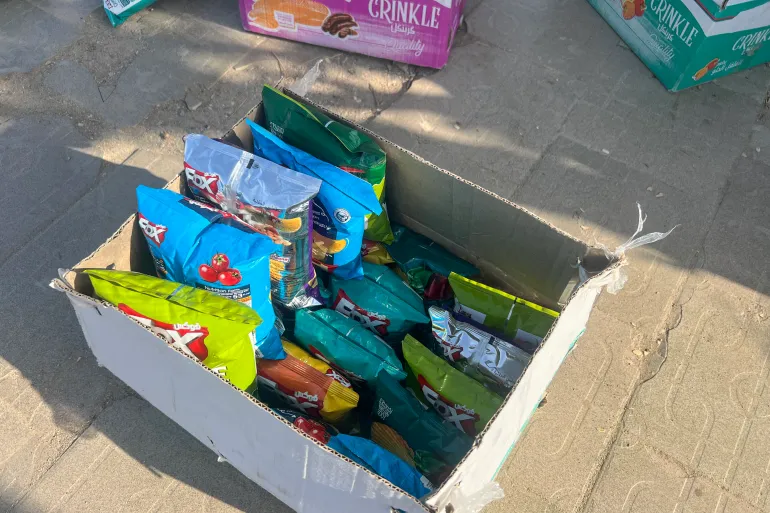
马哈穆德向当地店主购买薯片或糖果包装,然后在街头转卖。一天结束时,他把买货的费用还给商贩,保留约2万苏丹镑的微薄利润,折合不到3美元。
Mahmoud buys packets of crisps or sweets from local shopkeepers and sells them on the streets. At the end of the day, he pays the trader back for the goods he bought and keeps the small profit of around 20,000 Sudanese pounds, less than $3 a day.
这种温饱线上的生活以及不断加大的家庭经济压力,再加上生活成本上升,使他几乎看不到重返校园的希望。
This hand-to-mouth existence and the constant financial pressure on his family, worsened by rising cost of living, means he also has little hope of returning to school.
不过,他的两个弟弟已在苏丹国防军重新控制该地区后,回到加齐拉州的村庄上学。马哈穆德希望攒够钱,扩大自己的小型贸易业务。
But his two younger brothers have now returned to classes in their village in Gaziera State after the SAF regained control of the area. Mahmoud hopes to save enough money to expand his small trading business.
“我已经习惯了工作,因为形势让我别无选择,”他说。“我不再像以前那样强烈渴望回到学校,但我会继续努力,让我的弟弟们完成学业。”
“I’ve got used to working because circumstances have left me with little choice,” he said. “I no longer feel as strongly about going back to school as I once did, but I’ll keep trying so my younger brothers can finish their education.”