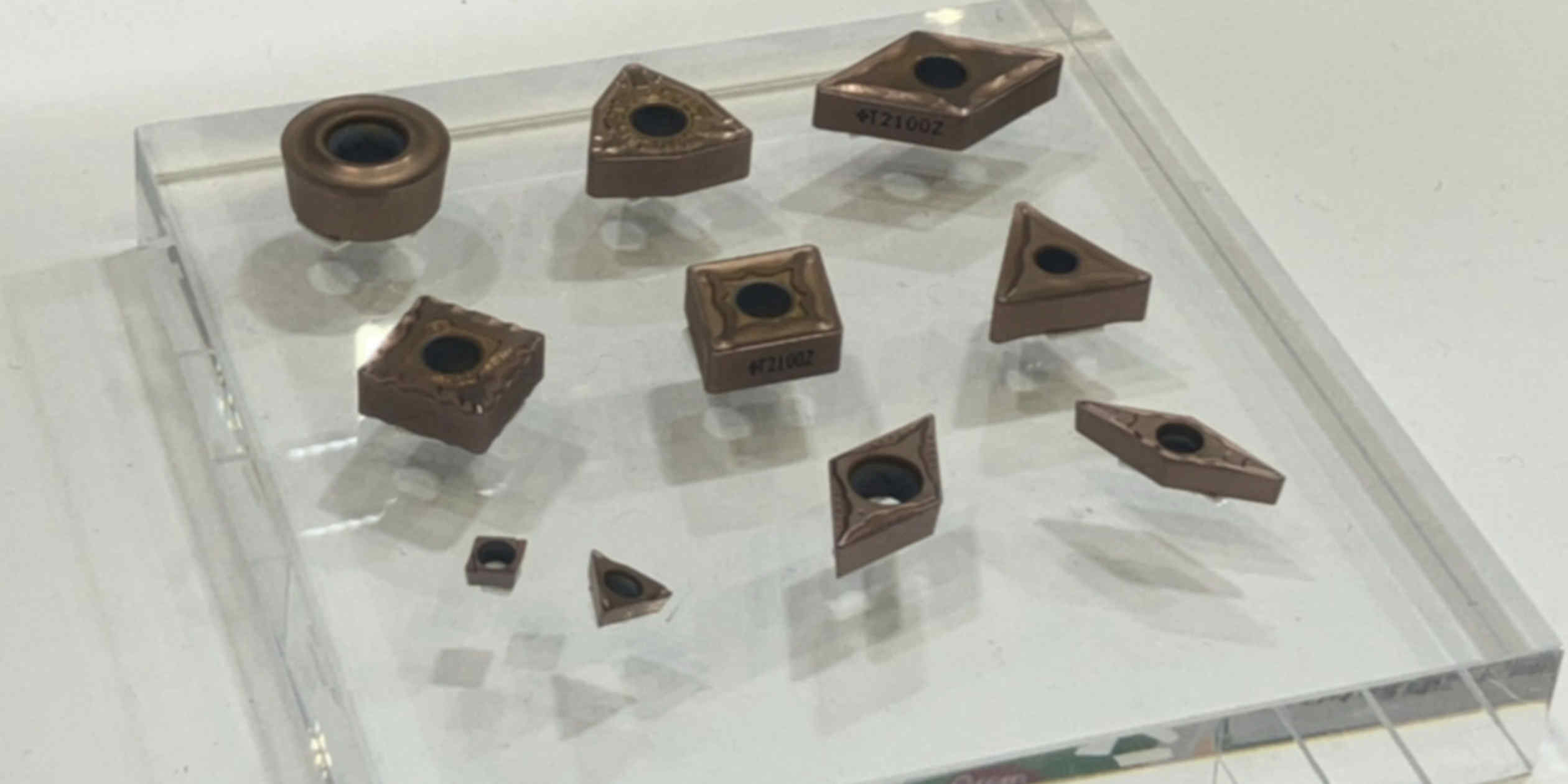
东京——日本住友电工正在扩大低钨含量超硬刀具的产品线,原因是中国的钨出口管制促使制造商转向替代材料。
TOKYO -- Japan's Sumitomo Electric Industries is broadening its lineup of ultrahard tools with reduced tungsten content as Chinese export curbs on the critical metal push manufacturers toward alternative materials.
碳化钨是硬度仅次于钻石的最硬材料之一。由碳化钨制成的刀具通常含有约90%的钨,用于切割和钻削汽车及飞机的零部件。
Tools made of tungsten carbide -- among the hardest materials behind diamond -- typically consist of around 90% tungsten and are used to cut and drill parts for autos and aircraft.
中国生产全球约80%的钨,已限制出口,使这一关键金属更难获得。
China, which produces roughly 80% of the world's tungsten, has restricted exports making the metal more difficult to source.
在周一于东京开幕的日本国际机床展览会(JIMTOF)上,各刀具制造商重点展示了使用钨替代材料的产品。住友电工在展会上展出的产品主要采用钛化合物制造,钨含量比典型硬质合金刀具少80%。
Toolmakers have spotlighted products made with tungsten alternatives at the Japan International Machine Tool Fair (JIMTOF), which kicked off Monday in Tokyo. Sumitomo Electric's offerings at the event include items made mainly from a titanium compound, with 80% less tungsten content than typical carbide tools.
用替代材料制成的刀具在切削时更容易断裂。住友电工通过提高基材密度,将刀具的韧性提高至原来的三倍。
Tools made with alternative materials tend to be more prone to breakage during cutting. Sumitomo Electric tripled the resilience of its tools by increasing the density of the base material.
由于中国的钨出口管制激发了人们对这类替代材料的兴趣,该公司计划于11月发布更多产品。JIMTOF上,黛杰的展台展示了一种低钨合金。
With China's tungsten export curbs fueling interest in such alternatives, the company plans to release more products in November. Dijet's booth at JIMTOF featured a low-tungsten alloy.
对钨替代材料需求的增加也促进了行业内的合作。日本的不二模具和黛杰于6月宣布合作,将相互供应合金并共享销售网络。他们将提出满足客户加工需求的产品方案。
Increased demand for tungsten alternatives also has spurred cooperation within the industry. Japan's Fuji Die and Dijet announced a tie-up in June under which they will supply alloys to each other and share sales networks. They will propose products to meet customers' machining needs.
在JIMTOF上,不二模具发布了一种抗断裂的无钨材料,计划于明年春季上市。该公司还发现,市场对去年推出的一种钨含量减少90%的合金需求有所增加。“我们的供应已经跟不上了,”不二模具社长津田正伸表示。
At JIMTOF, Fuji Die unveiled a fracture-resistant tungsten-free material slated for release next spring. The company also has seen higher demand for an alloy with 90% less tungsten content that came out last year. "Our supply hasn't kept up," President Masanobu Tsuda said.
黛杰是该领域的先驱,已推出一种不含钨的钛合金刀具材料。该公司还销售仅在切削面边缘含钨的刀具。
Dijet, a pioneer in the field, has come out with a titanium alloy for tools that does not use tungsten. It also sells tools that contain tungsten only on the edge of the cutting surface.
早在2010年前后,随着人们对关键矿产依赖中国的担忧加剧,工具制造商便开始研发使用钨替代品的 product。但由于性能较低,这些产品并未得到广泛应用。
Tool manufacturers began working on products using tungsten alternatives around 2010 as concern mounted about reliance on China for critical minerals, but they have not been adopted widely due to lower performance.
中国的出口限制使这些年来开发的技术受到关注。自2024年初以来,钨的市场价格已飙升九倍,导致工具制造商接连提价。
China's export curbs have brought attention to the technologies developed over the ensuing years. Market prices for tungsten have surged ninefold since the start of 2024, leading to a string of price hikes by toolmakers.
Dijet公司董事古林雄一表示,一些采用替代材料制成的工具“成本仅为硬质合金产品的一半”。“寻求更便宜产品的客户兴趣日益浓厚。”由于钨的采购前景仍不确定,各公司正在探索其他方案,例如从废弃的硬质合金工具中回收钨,以及将工具打磨后重新使用。
Some tools made with alternative materials that "cost half as much as carbide products," said Yuichi Furubayashi, a director at Dijet. "There's growing interest from customers looking for less expensive products." With the outlook for tungsten procurement still uncertain, companies are exploring other options such as recovering tungsten from discarded carbide tools and sharpening tools to reuse them.