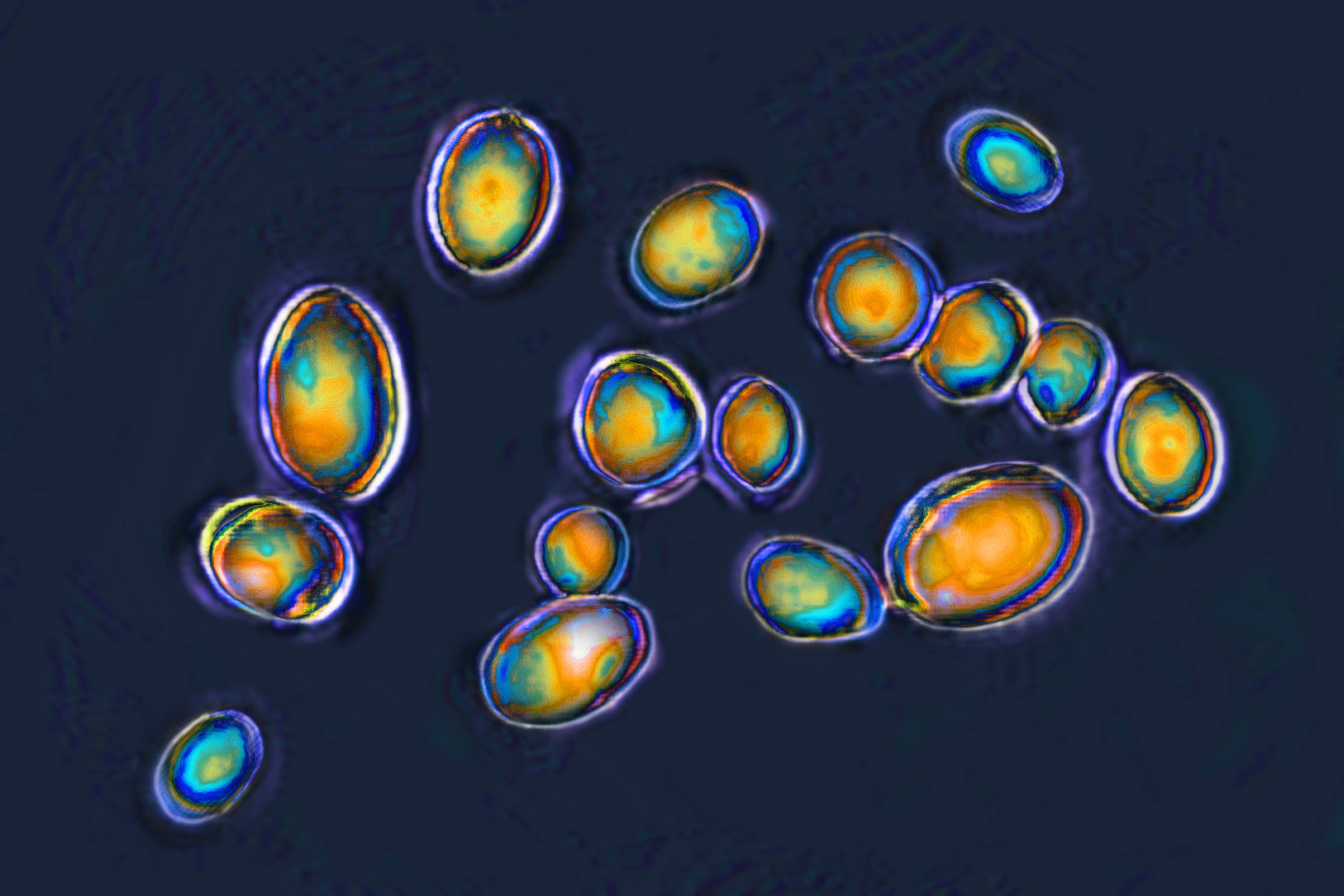
美国每年约有970万人感染、50800人死亡,其中大多数是由19种耐药病原体引起的。
Nineteen germs, mostly drug-resistant, cause an estimated 9.7 million infections and 50,800 deaths in the country each year.
联邦卫生官员七年前上次评估美国最危险的超级细菌以来,许多最大的威胁依然存在,同时新的威胁也在出现,这是周二发布的一项关于耐药病原体的全面评估所得出的结论。
Seven years after federal health officials last assessed the nation’s most dangerous superbugs, many of the biggest threats remain as new ones emerge, according to a comprehensive assessment of drug-resistant germs released Tuesday.
美国疾病控制与预防中心的一份报告指出,19种超级细菌每年在美国造成约970万例感染和50800人死亡。与医院等医疗环境相关的感染导致了其中超过42000人死亡,并造成近120亿美元的医疗费用。
A report by the Centers for Disease Control and Prevention identified 19 superbugs that cause an estimated 9.7 million infections and 50,800 deaths in the United States each year. Infections commonly associated with medical settings such as hospitals account for more than 42,000 of those deaths and nearly $12 billion in health care costs.
疾控中心将四种病原体列为最危险的紧急威胁。另有13种为严重威胁,包括引起脑膜炎的细菌;两种为令人担忧的威胁;另外六种是需要更密切关注的观察名单上的病原体。
The CDC categorized four germs as the most dangerous, calling them urgent threats. Another 13 are serious threats, including the bacteria that cause meningitis; two are concerning; and another six are pathogens on a watch list that merit closer attention.
最危险类别中的四种耐药病原体包括一种在医院和疗养院中迅速传播的真菌、能够抵御医学界最强大抗生素的细菌,以及引起淋病的病原体。
The four drug-resistant germs in the most dangerous category include a fungus that has spread rapidly through hospitals and nursing homes, bacteria capable of defeating some of medicine’s most powerful antibiotics, and the organism that causes gonorrhea.
但新报告还显示,威胁正在发生转变。由耐药真菌念珠菌属耳状念珠菌引起的感染自2019年以来增加了十倍。可引起迅速致命脑膜炎和血液感染的耐药脑膜炎球菌现在被视为严重威胁。另外三种病原体被列入潜在威胁的观察名单。
But the new report also shows how the threat is shifting. Infections caused by the drug-resistant fungus Candida auris have increased tenfold since 2019. Drug-resistant meningococcal bacteria, which can cause rapidly fatal meningitis and bloodstream infections, are now considered serious threats. And three additional pathogens have been added to a watch list of potential threats.
“抗菌药物耐药性威胁着现代医学,每年使数百万美国人面临风险,”疾控中心主任埃里卡·施瓦茨在一份声明中表示。“这些数据既显示了我们取得的进展,也显示了仍需完成的重大工作。”疾控中心表示,今年的报告包含计算感染数量的新数据和新方法,因此无法直接与2019年报告的数据进行比较。
“Antimicrobial resistance threatens modern medicine and puts millions of Americans at risk every year,” CDC Director Erica Schwartz said in a statement. “This data shows both the progress we’ve made and the significant work that remains.”This year’s report includes new data and methods for calculating infections, so it can’t be directly compared to data from the 2019 report, according to the CDC.
该机构表示,自上次报告以来,感染病例的表面增长中有80%以上源于这些变化,而非疾病的实际增加。
The agency saidmore than 80 percent of the apparent increase in infections since the previous report results from those changes, rather than an actual increase in disease.
“我们在过去几年里看到了这些病例的上升趋势,也就是我们担心的‘食肉细菌’,”楚在电子邮件中写道。许多患者是无家可归者或静脉注射毒品者,他们的病情可能会非常迅速地变得严重。
“We saw an uptick of these cases in the last few years, the ‘flesh-eating bacteria’ that we worry about,” Chu wrote in an email. Many patients are people who are homeless or use intravenous drugs, and they can become seriously ill very quickly.
四大最紧迫威胁 紧迫威胁是指美国疾控中心认为有可能广泛传播、需要紧急关注并采取积极行动以识别感染并阻止传播的耐药病原体。
Four most urgent threats Urgent threats are drug-resistant pathogens that the CDC says have the potential to become widespread and require urgent attention and aggressive action to identify infections and stop spread.
耳念珠菌是一种真菌,可引起从轻微皮肤感染到严重危及生命疾病的各种感染。它也可感染血液。它通常影响患有严重基础疾病的医疗机构患者。人们皮肤和体内可携带该真菌,却无感染迹象或症状。该真菌可在表面和物体上存活。2016年有48例病例。2024年有6,304例病例。该数字不包括数千名被发现携带该真菌的额外人员。
Candida auris (C. auris) is a fungus that can cause infections ranging from mild skin infections to severe, life-threatening illnesses. It can also infect the bloodstream. It often affects patients in health care settings with serious underlying conditions. People can carry it on their skin and in their body without having signs or symptoms of infection. The funguscan survive on surfaces and objects. There were 48 cases in 2016. In2024, there were 6,304 cases. That number does not include thousands of additional people found to be carrying the fungus.
碳青霉烯类耐药鲍曼不动杆菌是引起肺炎以及伤口、血流和泌尿道感染的细菌。重症监护室患者易感。该细菌对碳青霉烯类抗生素具有耐药性,这类抗生素是最强效的抗生素,常在其他药物对严重感染无效时作为最后手段使用。
Carbapenem-resistant Acinetobacter are bacteria that cause pneumonia andinfections affecting wounds, the bloodstream and the urinary tract. Patients in intensive care units are vulnerable. The bacteria are resistantto carbapenems, the most powerful antibiotics often used as a last resort for severe infections when other drugs fail to respond.
CRE,即碳青霉烯类耐药肠杆菌目细菌,是对碳青霉烯类具有耐药性的细菌。使用医疗器械(如呼吸机或导管)的患者,以及长期使用抗生素的患者,患CRE感染的风险可能较高。某些CRE可将使其具有抗生素耐药性的基因传递给其他细菌,导致感染更难治疗。
CRE, or carbapenem-resistant Enterobacterales, are bacteria resistant to carbapenems. Patients using medical devices, such as ventilators or catheters, and those taking long courses of antibiotics, may be at higher risk of developing CREinfections. Some CREs can pass the genes that make them resistant to antibiotics to other bacteria, making infections harder to treat.
耐药性淋病奈瑟菌——引起性传播淋病感染的细菌——已对几乎所有抗生素产生耐药性。感染可导致盆腔炎、危及生命的宫外孕和不孕不育。感染还会增加感染和传播HIV的风险。孕妇可能在分娩过程中将感染传染给婴儿。
Drug-resistant Neisseria gonorrhoaea,the bacteria that cause sexually transmitted gonorrhea infections, have developed resistance to nearly all antibiotics. Infections can result in pelvic inflammatory disease, life-threatening ectopic pregnancy and infertility. Infection can increase risk of getting and giving HIV. A pregnant woman can pass the infection to her baby during childbirth.
新出现和变化的威胁 其中一些在2019年未被列为威胁,或自那以后类别发生了变化。
New and changing threats Some of these were not listed as a threat in 2019 or have shifted categories since then.
耐药性脑膜炎奈瑟菌被新增为新的严重威胁,反映出社区环境中耐药感染的不断增加,例如大学校园。由于脑膜炎球菌病可能迅速危及生命,耐药性可能使治疗患者和保护密切接触者免于患病变得更加困难。
Drug-resistant Neisseria meningitidis was added as a new serious threat, reflecting rising drug-resistant infections in community settings,such as college campuses. Because meningococcal disease can become life-threatening quickly, drug resistance could make it harder both to treat patients and to protect close contacts from getting sick.
艰难梭菌(C. diff)细菌引起腹泻和结肠炎症。它在2019年被列为紧急威胁,其威胁类别现已降至严重。美国疾病控制与预防中心将这一变化部分归因于诊断的改善和感染预防工作的成功,尤其是在医疗保健环境中。当人们接触到受感染的粪便或触摸受污染的表面时,它就可能传播。感染通常不具有耐药性,但由于经常需要使用抗生素来治疗,它加剧了更广泛的耐药性问题。
Clostridioides difficile, or C. diff bacteria cause diarrhea and inflammation of the colon. Listed as an urgent threat in 2019, its threat category dropped to serious. The CDC attributes the change partly to better diagnosis and successful infection-prevention efforts, particularly in health care settings. It can spread when people are exposed to infected fecesor touch contaminated surfaces. Infections are not usually drug-resistant, but it fuels the broader problem of drug resistance because of the frequent need to use antibiotics to treat it.
耐药性志贺菌引起腹泻,并且极易在人与人之间传播,包括通过受污染的食物或水以及性接触传播。大多数人无需抗生素即可康复,但严重感染或为帮助阻止传播时可能需要用药。自2015年以来,越来越多的感染由对多种常用抗生素具有耐药性的菌株引起。
Drug-resistant Shigella bacteria cause diarrhea and spread very easily from person to person, including through contaminated food or water and sexual contact. Most people recover without antibiotics, but drugs may be needed for severe infections or to help stop the spread. Since 2015, more infections have been caused by strains that resist several commonly used antibiotics.
耐药性A组链球菌是一类细菌,可导致多种感染,从轻微的链球菌性咽喉炎和猩红热到严重的坏死性筋膜炎(常称为“食肉病”)。监测名单中的病原体报告列出了六种尚未被视为主要威胁,但美国疾病控制与预防中心正密切关注的病原体,因为它们可能变得更危险或更广泛传播。
Drug-resistant group A Streptococcus are bacteria that can cause many different types of infections, from mild ones such as strep throat and scarlet fever to serious ones such asnecrotizing fasciitis, often called “flesh-eating disease.”Germs on the watch list The report identifies six pathogens that are not yet considered major threats but that the CDC is watching closely because they could become more dangerous or widespread.
其中包括导致皮肤感染(如体癣)的耐药性皮肤癣菌;能够引起轻度耳部感染以及严重、危及生命的侵袭性疾病(如肺炎和脑膜炎)的耐药性流感嗜血杆菌;以及导致百日咳(即咳嗽)的耐药性细菌。
They include drug-resistant dermatophytes that cause skin infections like ringworm; drug-resistant Haemophilus influenzaebacteriathat can cause mild ear infections and severe, life-threatening invasive conditions, such as pneumonia and meningitis; and drug-resistant bacteria that cause pertussis, or whooping cough.
皮肤癣菌是一类感染皮肤、毛发和指甲并引起体癣的真菌。它们通常是轻微感染,常可通过非处方外用抗真菌药物成功治疗。但在美国和全球范围内,部分菌株已对抗真菌治疗产生耐药性。
Dermatophytes are a group of fungi that infect the skin, hair and nails and cause ringworm. They are generally mild infections that are often successfully treated with over-the-counter topical antifungal medications. But some strains have developed resistance to antifungal treatments in the U.S. and globally.