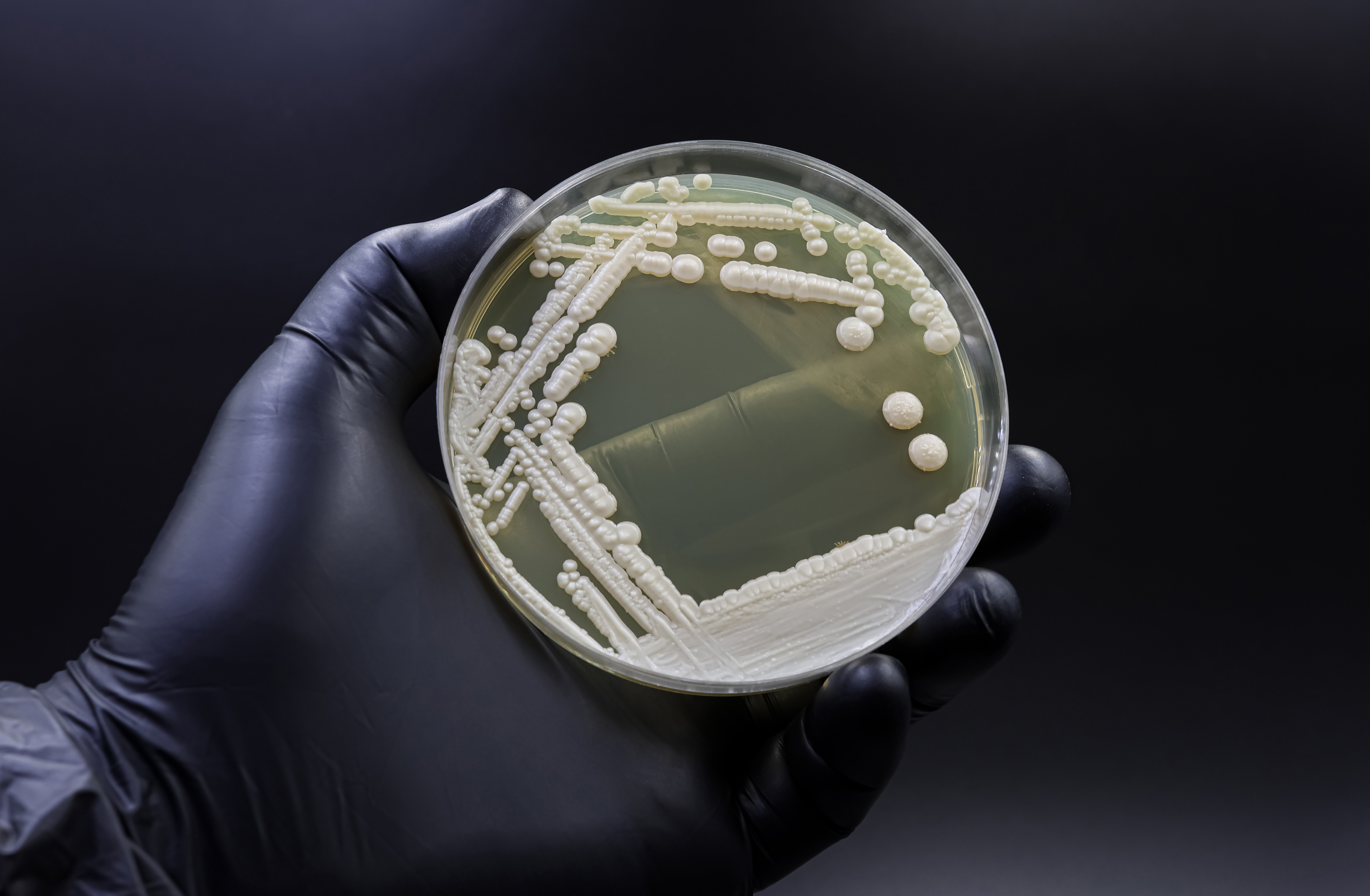
2015年冬天,美国疾病控制与预防中心(CDC)真菌疾病分支主任汤姆·奇勒博士接到了英国公共卫生官员的电话。
In the winter of 2015, Dr. Tom Chiller received a call from public-health officials in Britain.
对方非常恐慌。一种新型真菌正在一家大型伦敦医院引发毁灭性感染。“他们无法清除它,”奇勒回忆道,“他们不知道该怎么办。”英国官员称,这种真菌——一种名为耳念珠菌的酵母菌——似乎正在患者之间传播。官员表示,他们将关闭医院部分区域以遏制传播。“这简直令人难以置信,”奇勒说。
They were panicking. A new fungus was causing devastating infections at a large London hospital. “They weren’t able to get rid of it,” says Chiller, who was then chief of the fungal-diseases branch at the U.S. Centers for Disease Control and Prevention (CDC). “They didn’t know what to do.”The British officials said the fungus—a kind of yeast called Candida auris—appeared to be spreading from patient to patient. The officials said they were going to shut down parts of the hospital to curb its transmission. “That was just mind-boggling,” Chiller says.
起初他感到困惑多于惊恐。念珠菌是一种酵母菌,会引起鹅口疮和阴道酵母菌感染等最常见的真菌病。某些种类可导致血流感染等严重疾病。但奇勒从未听说过任何念珠菌种类——实际上是任何致命真菌——能如此容易地在人与人之间传播。
At first he was more confused than alarmed. Candida is a kind of yeast that causes some of the most common fungal conditions, including thrush and vaginal yeast infections. Some species can cause severe illnesses, including bloodstream infections. But Chiller knew of no Candida species—indeed, no life-threatening fungus of any kind—that could spread so easily among people.
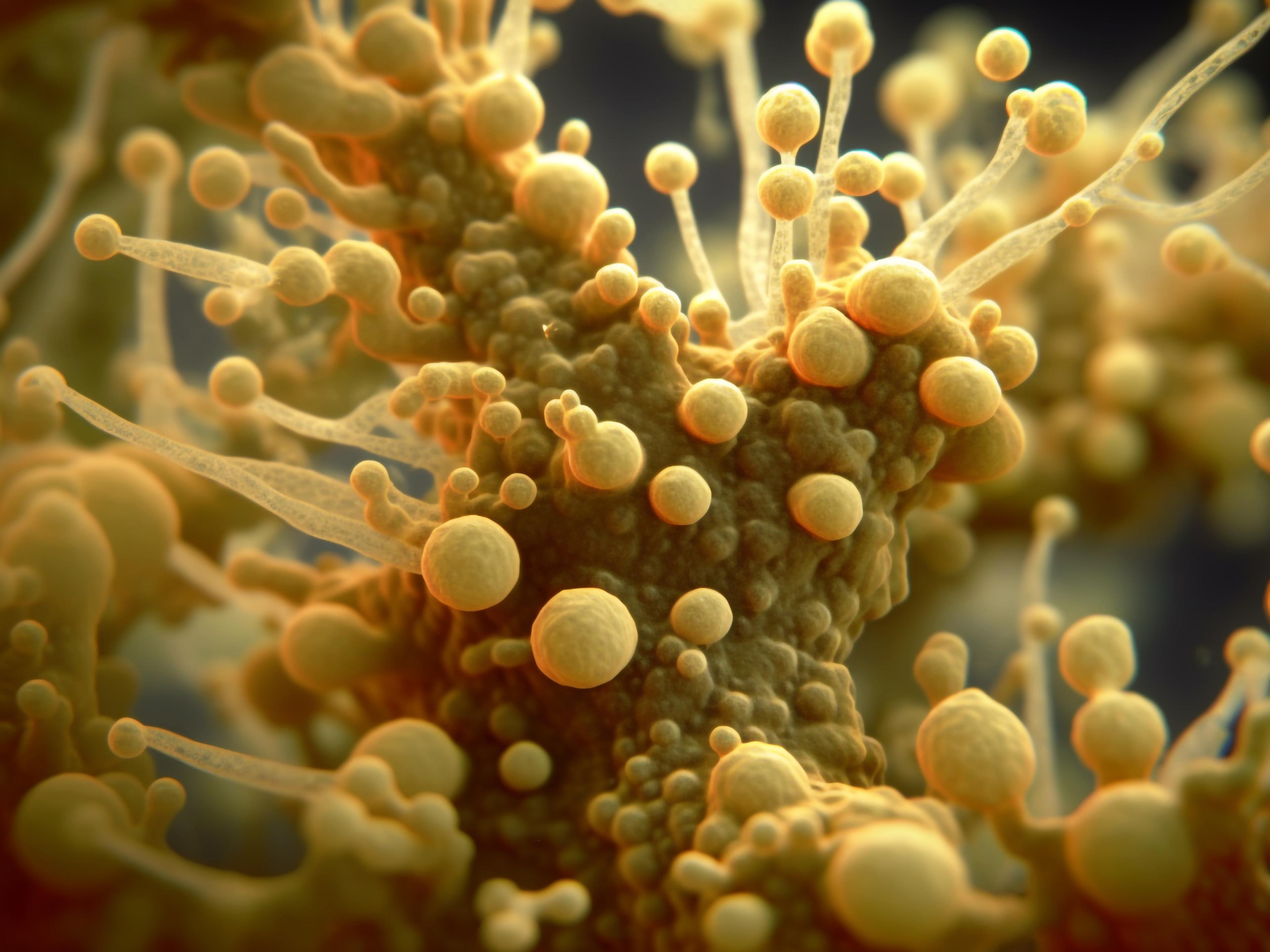
“我永远不会忘记那个电话,”他说,“起初我根本不相信。突然出现了一种表现得像细菌一样的酵母菌?太怪了。”耳念珠菌最早于2009年在日本一名患者的耳道中被医生发现,其行为模式与大多数其他真菌截然不同。它能在更高温度和更高盐度环境下存活,使人耳、腋窝、腹股沟等部位成为理想生长场所。它极其黏滑,顽强地附着在人的皮肤和毛囊上,也附着在各类表面上——包括设计用于抗菌的光滑表面,如医院地板和床铺。
“I’ll never forget that call,” he says. “At first, I didn’t really believe it. Suddenly we have a yeast acting like a bacteria? It was weird.”First discovered by doctors in 2009 in the ear of a patient in Japan, Candida auris behaves differently from most other fungi. It can survive at higher temperatures and in saltier environments, making nooks like a human ear, armpit, and groin ideal places to grow. It is exceptionally sticky and clings doggedly to people’s skin and hair follicles, and to surfaces—including slick ones, like hospital floors and beds, that are designed to repel germs.
它对抗真菌药物高度耐药,常规消毒剂难以杀灭,并可引发可怕且往往致命的疾病。此外,正如英国官员2015年开始注意到的那样,它通过人与人之间的身体接触以及受污染的表面即可轻易传播。
It is highly resistant to antifungal drugs, hard to kill with standard disinfectants, and can cause terrible, often deadly illnesses. Also, as British officials were starting to notice in 2015, it spreads easily through physical contact between people and via contaminated surfaces.
当时,关于耳念珠菌的许多情况仍不为人知。只有少数国家报告了零星感染病例,似乎并非什么大事。美国当时尚未报告病例。“那是一次警钟,”奇勒如今回忆道,“我们意识到,嗯,也许这种小小的耳部真菌不再只是小小的耳部真菌了。”十年来,这一认识愈发深刻。9月,在丹佛附近举行的为期三天的真菌疾病会议上,约200人——多为医生和研究人员——出席,耳念珠菌是议程上的首个议题。
At the time of the call, though, much about Candida auris remained unknown. A few countries had reported a smattering of infections, but it hadn’t seemed like a big deal. No cases had yet been reported in the U.S. “It was a wake-up call,” Chiller says now. “We realized that, huh, maybe this little ear fungus isn’t just a little ear fungus anymore.”In the decade since that phone call, that realization has cemented. When about 200 people—mostly doctors and researchers—attended a three-day conference about fungal diseases near Denver in September, Candida auris was the first topic on the agenda.
对非科学家而言,这些报告枯燥技术性强,涉及该病的发病机制和流行病学;但对与会者——德州大学休斯顿健康科学中心传染病专家路易斯·奥斯特罗斯基-泽希纳博士说,“几乎所有从事真菌学研究的人都在这里”——它们是我们都应严肃对待的危险信号。
To a nonscientist, the talks were dry, technical presentations on the pathogenesis and epidemiology of the disease, but to the attendees—and “almost everyone who works in mycology is here,” said Dr. Luis Ostrosky-Zeichner, an infectious-disease specialist at UTHealth Houston—they were red flags we should all be taking seriously.
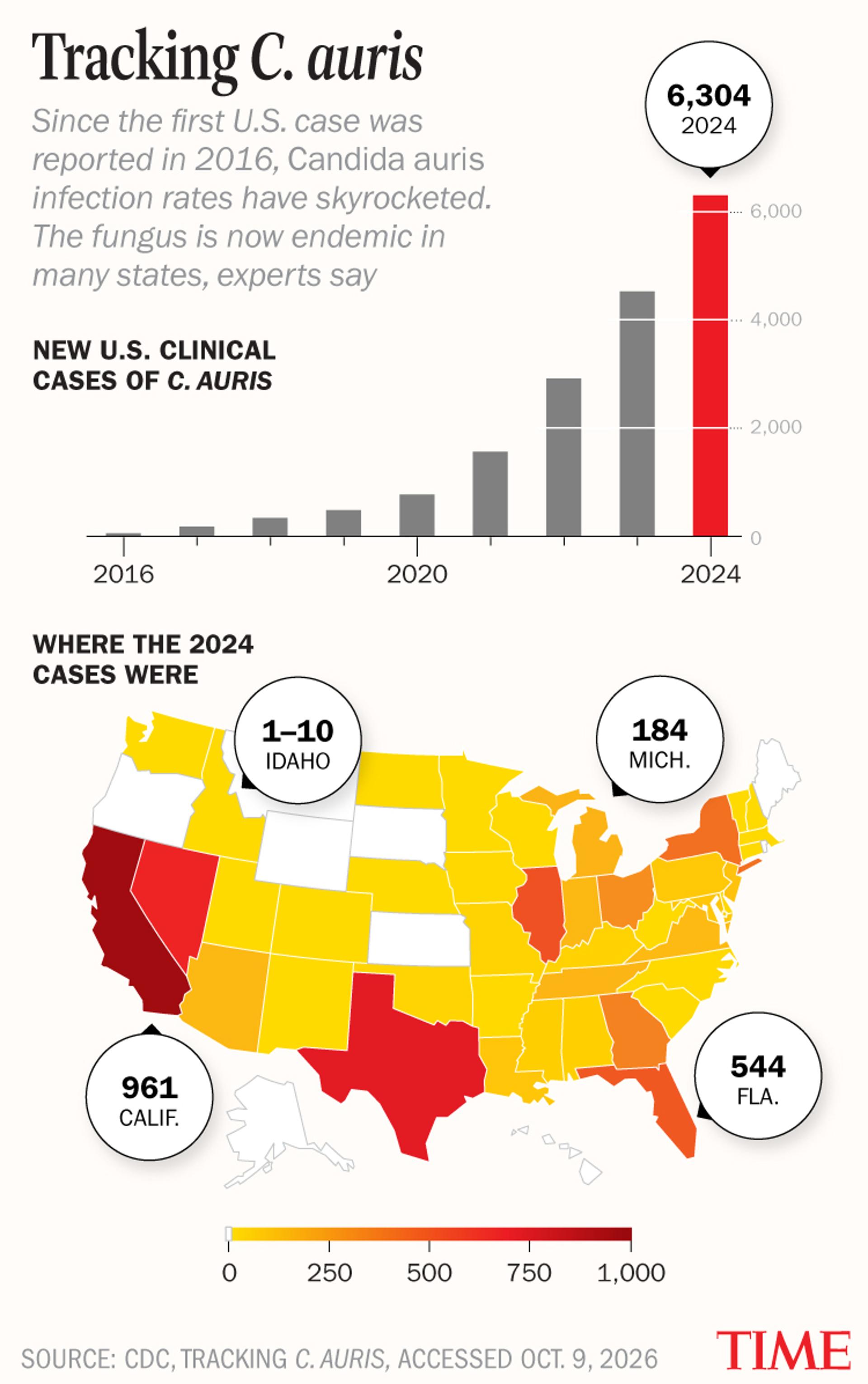
自2015年以来,耳念珠菌迅速蔓延。它已在六大洲80多个国家导致数万人患病。世界卫生组织(WHO)将其列为全球最高优先级的真菌威胁之一。在美国,现在每年报告数千例病例。美国疾控中心(CDC)今夏表示,今年已有27个州报告超过3000例感染。感染者死亡率高达60%。
Candida auris has rapidly gained ground since 2015. It has sickened tens of thousands of people in over 80 countries and six continents. The World Health Organization (WHO) has designated it one of the world’s highest-priority fungal threats. In the U.S., thousands of cases are now reported every year. The CDC said this summer that the fungus had already infected more than 3,000 people this year in 27 states. Up to 60% of people who are infected die.
奇勒说:“在一些美国州,它现在就是地方性流行了。它会长期存在。”
“In some U.S. states, it’s just endemic now. It’s there to stay,” Chiller says.
致命真菌病曾被认为极为罕见,但耳念珠菌的扩散指向一个令人担忧的趋势:危险真菌正日益寻找新机会感染人类,而人类活动正在推波助澜。
Deadly fungal diseases were once considered very rare, but the proliferation of Candida auris points to a troubling trend: dangerous fungi are increasingly finding new opportunities to infect us, and human activity is spurring them on.
传染病专家表示,从我们正在变暖的气候到我们使用的医疗手段,我们正在制造有利于真菌病原体繁衍的条件。他们说,全球气温上升可能导致了耳念珠菌的出现,并正在推动其他前所未见的真菌病原体进化。天气模式的变化正迫使一些真菌扩大其地理分布范围,而医药、农业和畜牧业中抗真菌药物的过度使用则驱使它们产生了耐药性。
From the climate we’re warming to the medical treatments we use, we are creating conditions that allow fungal pathogens to thrive, infectious-disease experts say. Rising global temperatures, they say, likely led to the emergence of Candida auris and are driving the evolution of other fungal pathogens never seen before. Changing weather patterns are pushing some fungi to expand their geographic range, and the overuse of antifungals in medicine, agriculture, and livestock farming has driven them to develop resistance to these drugs.
“我们正在创造一个有利于致病真菌和耐药性发展的环境,”圣路易斯华盛顿大学医学院真菌病专家安德烈·斯佩克博士说。“这意味着它们很可能正在变得更善于感染我们,也更善于逃避我们的治疗。这是一个糟糕的组合。”真菌是无处不在的生物。它们生活在我们体内、体表和周围环境中。每天,我们都会吸入数千——甚至数百万——真菌孢子。
“We are creating an environment that is favoring pathogenic fungi and drug resistance,” says Dr. Andrej Spec, a fungal-disease specialist at Washington University School of Medicine in St. Louis. “That means they are likely becoming better at infecting us, and also at evading our treatments. That’s a bad combination.”Fungi are ubiquitous organisms. They live in, on, and all around us. Every day, we inhale thousands—if not millions—of fungal spores.
地球上估计有600万种真菌,但只有约300种会导致人类患病。“我们受到体温和免疫系统的保护,”约翰霍普金斯公共卫生学院微生物学与免疫学系主任阿图罗·卡萨德瓦尔博士说。人体对大多数真菌来说过热,无法繁衍,但随着地球变暖,真菌正在适应。
There are an estimated 6 million species of fungi on the planet, but only about 300 of them cause diseases in people. “We are protected by our temperature and our immunity,” says Dr. Arturo Casadevall, chair of microbiology and immunology at the Johns Hopkins School of Public Health. The human body is too hot for most fungi to thrive, but as the earth warms, fungi are adapting.
研究人员认为,耳念珠菌可能起源于海洋生态系统,随着时间的推移进化出了耐盐和耐高温的能力。这种酵母菌现在可以在华氏107度(约41.7摄氏度)下存活。
Researchers think Candida auris, which likely originated in marine ecosystems, evolved a tolerance to salty conditions and high temperatures over time. The yeast can now survive at 107°F.
耳念珠菌并非唯一找到新宿主的热门威胁。一种新的真菌病原体正在南美洲毁坏猫和人的容貌,而某些曾经只感染植物的霉菌,现在也开始让人生病。斯佩克在2021年发表了一份报告,描述了首例人类感染一种此前已知只会损害树木的霉菌的病例。斯佩克说,自那以后,美国又有两人被感染。“它从医学史上从未引起人类疾病,变成了过去五年里出现三例新发病例。”
Candida auris is not the only threat finding hot new hosts. A new fungal pathogen is disfiguring cats and people in South America, and certain molds, which once infected only plants, are now sickening people too. Spec published a report in 2021 describing the first case of a person infected by a mold that had previously been known to damage only trees. Since then, two more people in the U.S. have been infected, Spec says. “It’s gone from never causing human disease in the history of medicine to three new cases of it in the last five years,” he says.
10月,美国疾病控制与预防中心表示,另一种霉菌——一种攻击大脑的变种——的病例在过去两年里激增了四倍。“这是一种凶险的病原体,”斯佩克说。它甚至能感染健康人,并引起脑脓肿,多达70%的病例会致命。
In October, the CDC said that cases of a different mold—a brain-attacking variety—have jumped fourfold in the past two years. “This is a nasty pathogen,” Spec says. It infects even healthy people and causes brain abscesses that in up to 70% of cases are fatal.
“我们看到许多这类曾经罕见的病原体霉菌正变得越来越常见,”斯佩克说。“我们很多人倾向于认为,这很可能是由气候变化推动的。”斯佩克和其他医生正与公共卫生官员、患者权益倡导者和药物研发人员合作,试图遏制威胁性真菌的增多。近年来他们取得了一些进展:提高了认识、加强了监测,并开发了新药和检测方法,但挑战依然艰巨。
“We’re seeing a lot of these molds that were once rare pathogens becoming more common,” Spec says. “A lot of us are leaning toward the idea that this is probably being driven by climate change.”Spec and other doctors are working with public-health officials, patient advocates, and drug developers to try to stem the rise of threatening fungi. They’ve made some progress in recent years: raising awareness, doing more surveillance, and developing new drugs and tests, but the challenge is formidable.
随着真菌发展出更好地感染我们的机制,越来越多的人正变得容易患上严重的真菌疾病——这要归因于医学的进步。如今,为了对抗自身免疫性疾病和癌症等疾病,数百万人服用抑制免疫系统的药物。但免疫功能低下的人感染严重真菌感染的风险更高。部分由于这些疗法,美国不断增长的免疫功能低下人群目前估计至少有700万人。
As fungi develop mechanisms to better infect us, more people are becoming vulnerable to serious fungal diseases—because of advancements in medicine. Today, to fight autoimmune conditions and diseases like cancer, millions of people take drugs that suppress their immune systems. But immunocompromised people are at higher risk of contracting severe fungal infections. Thanks in part to those therapies, the growing population of immunocompromised people in the U.S. is now estimated to number at least 7 million.
“我们有患有免疫系统疾病的人,比如多发性硬化症、克罗恩病和类风湿性关节炎,他们过去可能死于这些疾病,但多亏了这些疗法,他们没有死。但他们也处于免疫抑制状态,所以我们面临的高危人群群体变大了,”斯佩克说。
“We have people who have immune conditions like multiple sclerosis, Crohn’s disease, and rheumatoid arthritis who might have died from these diseases in the past but aren’t dead thanks to these therapies. But they’re also immunosuppressed, so we have a bigger pool of people who are at risk,” Spec says.
更多的人也靠侵入性医疗设备维持生命,比如体外膜肺氧合机(ECMO)和呼吸机,这些设备可能为包括真菌在内的病菌进入人体创造途径。“我们在医学上取得了所有这些进步,”卡萨德瓦尔说,“但这种进步是有代价的。”瑞安·兹威克,一名健康的22岁青年,刚从护理学校毕业,2023年12月新冠病毒差点要了他的命。研究表明该病毒会增加心血管疾病风险,它严重损害了他的心脏。
More people are also being kept alive by invasive medical devices, such as heart-lung machines and ventilators, which can create pathways for germs including fungi to enter the body. “We’re making all this medical progress,” Casadevall says, “but that progress comes at a cost.”Ryan Zwick, a healthy 22-year-old, had just graduated from nursing school when COVID nearly struck him dead in December 2023. The virus, which research shows increases the risk of cardiovascular disease, severely damaged his heart.
兹威克在拉斯维加斯的一家重症监护室度过了一周,随后被空运到圣地亚哥的一家医院接受更高级的治疗。他接受了插管和镇静;他的肺、肾和心脏都开始衰竭。
Zwick spent a week in an intensive-care unit in Las Vegas before he was airlifted to a hospital in San Diego to receive more advanced care. He was intubated and sedated; his lungs, kidneys, and heart had all started to fail.
他被连接上了体外膜肺氧合机,这是一种生命维持设备,通过插入胸骨的管道将患者的血液泵至体外进行氧合。“他的胸腔基本上开着有一周左右,”他的妻子艾米回忆道。耳念珠菌趁虚而入。
He was attached to a heart-lung machine, a life-support device that pumps a patient’s blood outside the body, via tubes placed into his sternum. “His chest was basically open for like a week,” his wife Emmy remembers. Candida auris took advantage.
当兹威克在入院一个多月后终于醒来时,医生告诉他,他患有严重的耳念珠菌感染。医生说,这种酵母菌很可能通过他胸腔里的管道潜入了体内。“它进入了我的血液,并在全身持续引发很多问题,”他说。
When Zwick finally woke up more than a month after being admitted to the hospital, doctors told him he had a severe Candida auris infection. The yeast, they said, likely sneaked into his body through the tubes in his chest. “It got into my bloodstream and kept causing a lot of issues throughout my body,” he says.
他接受了积极的抗真菌药物治疗,控制住了感染。但真菌残留了下来。
He was treated aggressively with antifungal drugs, which kept the infection under control. But the fungus lingered.
Zwick 于 2024 年 4 月出院,但几周后因胸部切口处出现水泡而再次前往急诊室。他很快得知,耳念珠菌感染导致了骨髓炎,这是一种严重且疼痛的疾病,会导致骨组织发炎。“他们切除了大量骨头和其他东西,并让我使用了更多抗真菌药物,”他说。
Zwick was discharged from the hospital in April 2024, but he returned to the emergency room a couple of weeks later because blisters had appeared at the incision site on his chest. He soon learned that the Candida auris infection was causing osteomyelitis, a serious and painful condition in which bone tissue becomes inflamed. “They took out a bunch of bone and stuff, and put me on more antifungals,” he says.
两年多过去了,在新罕布什尔州担任护士的 Zwick 仍在接受每周一次的强效抗真菌药物输注治疗,以控制感染。医生警告他,可能需要终身服药。“这基本上已经变成慢性病了,”Zwick 说,他切口处仍偶尔出现肿胀和水泡。
More than two years later, Zwick, who works as a nurse in New Hampshire, continues to receive weekly infusions of a potent antifungal drug to manage his infection. His doctors have warned him that he will likely have to take them for life. “It’s basically chronic now,” says Zwick, who still sometimes has swelling and blistering at the incision site.
Zwick 担心现有的抗真菌药物有一天会失去疗效。耳念珠菌对许多抗真菌药物高度耐药;越来越多的感染属于“泛耐药”,即没有任何药物对其有效。“我只希望这些药对我继续有效,”Zwick 说。
Zwick worries that available antifungal drugs could one day lose their sting. Candida auris is highly resistant to many antifungals; a growing number of infections are “pan-resistant,” which means no medicines are effective against them. “I just hope these drugs keep working for me,” Zwick says.
十年前,耳念珠菌在美国刚出现时,是一种非常罕见且通常严重的疾病,受害者多为医院和养老院中患病、年老、免疫力低下的人群。但这种酵母菌的感染范围不断扩大:不仅感染人数增加,感染人群范围扩大,引起的疾病种类也更多了。
When Candida auris first emerged in the U.S. a decade ago, it was a very rare and often severe disease whose victims were usually sick, elderly, and immunocompromised people in hospitals and nursing homes. But the yeast has been expanding its reach: not just infecting more people, but a broader range of them, and causing a wider variety of illnesses too.
“十年前,我们可能每几个月才见到一例耳念珠菌患者,”UTHealth 的 Ostrosky-Zeichner 说。“现在,我们在休斯顿每天都有好几例病例。”得克萨斯州、纽约州、内华达州、佛罗里达州和加利福尼亚州是美国病例数最多的州之一。
“Ten years ago, we’d maybe see one Candida auris patient every few months,” says UTHealth’s Ostrosky-Zeichner. “Now, we have several cases per day in Houston.”Texas, New York, Nevada, Florida, and California are among the U.S. states with the highest number of cases.
更多年轻人,像兹维克,以及非免疫缺陷人群正在被感染,医生表示。这种酵母菌也开始引发难以治疗的新类型感染。斯帕克表示,今年,他首次治疗了一位由白色念珠菌(Candida auris)引起的阴道酵母感染的女性患者。该患者患有血糖控制良好的糖尿病,身体状况良好,斯帕克说。
More young people, like Zwick, and people who aren’t immunocompromised are getting infected, doctors say. The yeast is also starting to cause new types of hard-to-treat infections. Spec says that this year, for the first time, he treated a woman with a vaginal yeast infection caused by Candida auris. She had diabetes that was well-controlled and was otherwise healthy, says Spec.
这位女性此前反复出现酵母感染,且对标准治疗方案没有反应,她因此前来就诊,斯帕克说。她经过数天静脉注射抗真菌药物治疗后康复,使用的药物比通常用于治疗此类感染的药物更强,斯帕克说。
The woman had come to see him after getting recurrent yeast infections that hadn’t responded to standard treatments, he says. She recovered only after being treated for several days with an IV antifungal drug more powerful than what is usually used to treat such infections, Spec says.
阴道酵母感染非常常见,估计四分之一的女性一生中至少会经历一次。一类被称为唑类(azoles)的抗真菌药物通常用于治疗此类感染,可以以外用乳膏、栓剂或口服片剂的形式使用,但白色念珠菌对唑类药物的耐药率超过90%。”当你告诉一位女性她患有阴道酵母感染时,通常只需服用一片药就解决了,但对她来说,她需要接受静脉用药,”斯帕克说。
Vaginal yeast infections are very common, with an estimated 3 in 4 women having at least one in their lifetime. A class of antifungals known as azoles are typically used to treat such infections, either as a cream, suppository, or oral pill, but Candida auris is more than 90% resistant to azole drugs. “It’s no joke when you have to tell a woman that she has a vaginal yeast infection for which you usually take one pill and move on, but in her case, she needs to get on IV medication,” Spec says.
医生表示,白色念珠菌也正在成为另一种常见疾病——尿路感染(UTI)的病因,约一半的女性一生中至少会经历一次。医生已知白色念珠菌可导致留置导尿管人群的尿路感染,但现在他们正在看到没有医疗设备或重大健康并发症的难治性感染者病例。
Doctors say Candida auris is also emerging as the cause of another common disease: urinary tract infections (UTIs), which roughly half of women will experience at least once. Doctors have known that Candida auris can cause UTIs in people with catheters, but they are now seeing cases of people with tough-to-treat infections who don’t have any medical devices or major health complications.
公共卫生专家担忧,这种真菌可能像耐甲氧西林金黄色葡萄球菌(MRSA)这样的病原体一样广泛传播。
Public-health experts worry that the fungus could become as widespread as pathogens like MRSA: methicillin-resistant Staphylococcus aureus, a superbug bacteria.
“起初,我们试图把它彻底消灭,但我们很早就意识到,耳念珠菌已经在这里扎根了。它会更像MRSA(耐甲氧西林金黄色葡萄球菌)。”奇勒说。“MRSA过去只在医院里出现,而现在,高中摔跤队队员身上每一个皮肤脓包上都有它。”2015年,奇勒与英国同行通完电话后,便开始着手更深入地了解这种他怀疑很快会入侵美国真菌。
“Initially, we tried to stomp it out, but we realized early on that Candida auris was here to stay. It was going to be more like MRSA,” says Chiller. “MRSA used to be hospital-only, and now it’s on every skin boil on the high school wrestling team.”After Chiller got off the phone with his British counterparts in 2015, he went on a quest to better understand the fungus that he suspected would soon invade the U.S. He first wanted to know if Candida auris was already on U.S. soil but doctors had just missed it.

他首先想知道的是,耳念珠菌是否已经存在于美国本土,只是医生们没有发现。在他的指导下,美国疾控中心向医院和研究人员发出警报,请他们检测各自样本库中可追溯至数十年前的未识别真菌病原体样本。“我们在历史样本中没有发现耳念珠菌。”他说。
Under his direction, the CDC sent out an alert to hospitals and researchers, asking them to test samples of unidentified fungal pathogens in their repositories going back decades. “We didn’t find Candida auris historically,” he says.
美国疾控中心还与亚洲、非洲和南美洲部分地区的公共卫生官员合作,这些地区此前已检测到耳念珠菌病例。他们共同研究了这种真菌的样本,试图了解它是如何出现的。他们发现了一件非同寻常的事:至少三种不同的耳念珠菌菌株在几年间几乎同时出现,但却是分别出现在全球不同角落。
The CDC also collaborated with public-health officials in parts of Asia, Africa, and South America, where Candida auris cases had been detected. Together, they studied samples of the fungus in an attempt to understand how it emerged. They discovered something remarkable: at least three distinct strains of Candida auris appeared nearly simultaneously, over the course of a few years, but separately—in different corners of the globe.
许多真菌疾病专家和研究人员现在认为,气候变化很可能推动了这种酵母菌从无害的环境真菌转变为致命的病原体。“很难解释耳念珠菌为何会同时出现在所有这些大洲,而不把气候变化列为原因之一。它只能是原因之一。没有其他合理的解释。”阿拉巴马大学伯明翰分校的传染病医生彼得·帕帕斯博士说。
Many fungal-disease specialists and researchers now think climate change likely drove the yeast’s transformation from non-threatening environmental fungus to deadly pathogen. “It’s hard to explain the emergence of Candida auris simultaneously on all these continents and not include climate change as part of it. It just has to be. There’s no other good explanation,” says Dr. Peter Pappas, an infectious-disease doctor at the University of Alabama at Birmingham.
真菌对热敏感,但它们对温度升高也具有很强的适应能力。在实验室实验中,研究人员将不同的真菌放入培养箱,通过逐步升高温度,培育出了更耐高温的真菌。
Fungi are sensitive to heat, but they are also very adaptable to rising temperatures. In laboratory experiments, researchers have put different fungi in incubators and, by steadily raising the temperature, have spawned fungi that are more tolerant to higher heat.
“其实并不难,”卡萨德瓦尔说。他研究真菌如何致病,并且是第一个发表全球变暖促使耳念珠菌兴起这一理论的人。“你提高温度的速度越慢,真菌就越能耐受它。这不需要很多突变,”他说。
“It’s actually not that hard,” says Casadevall, who studies how fungi cause disease and was the first to publish the theory that global warming spurred Candida auris’ rise. “The slower you raise the temperature, the more the fungi can tolerate it. It doesn’t take a lot of mutations,” he says.
他去年与同事发表的一项研究显示,同一城市内不同的微气候可以引发真菌的变化。“我们去了巴尔的摩,在城里一个凉爽的地方——那里有漂亮的树,有树荫——在人行道上寻找真菌,然后在城里一个温暖的地方寻找同样的真菌,”卡萨德瓦尔说。“我们发现,即使在同一个城市内,仅仅两英里之外,来自温暖社区的真菌就能在更高的温度下生长。所以,这正在发生。”
A study he published with colleagues last year showed how different microclimates within the same city can trigger changes in fungi. “We went to Baltimore and looked for fungi on the sidewalk in a cool part of town, where they had nice trees and it’s shaded, and then the same fungus in a warm part of town,” Casadevall says. “We found that even within one city, just two miles away, the fungi from the warm neighborhood grow at higher temperatures. So, it’s happening.”
真菌已经是许多植物、昆虫和冷血动物的重大威胁。各地的青蛙正被一种真菌疾病消灭;水稻和香蕉作物已被真菌大量毁坏;而数百万在冬眠时体温下降的蝙蝠,最近在北美因一种致命真菌而死亡。然而,直到现在,大多数哺乳动物一直因我们较高的体温而受到保护。
Fungi are already a major threat to many plants, insects, and cold-blooded animals. Frogs everywhere are being wiped out by a fungal disease; rice and banana crops have been decimated by fungi; and millions of bats, which drop their body temperature when they hibernate, have recently died in North America because of a deadly fungus. Until now, however, most mammals have been protected by our high body temperatures.
卡萨德瓦尔说,耳念珠菌的出现是“对人类的一记警告炮:这些事情可能发生”。“我们可以有一种生物凭空出现,并开始致病。”许多其他真菌正以令人担忧的方式发生变化,在某些情况下令医生们困惑不已。随着气温上升和降雨模式改变,一些真菌正在扩散到新的地方。生活在土壤中的真菌组织胞浆菌,在美国历史上一直局限于中部和南部地区,如今一直在稳步向北、向东和向西移动。过去十年间,美国的病例增加了一倍。
The emergence of Candida auris is a “shot across the bow of humanity that these things can happen,” Casadevall says. “We can have an organism come out of nowhere, and begin causing disease.”Many other fungi are changing in ways that are worrying and, in some cases, dumbfounding doctors. As temperatures rise and rainfall patterns shift, some are spreading to new places. The soil-dwelling fungus Histoplasma, which had historically been confined in the U.S. to central and southern regions, has been steadily moving northward, eastward, and westward. U.S. cases have increased twofold in the past decade.
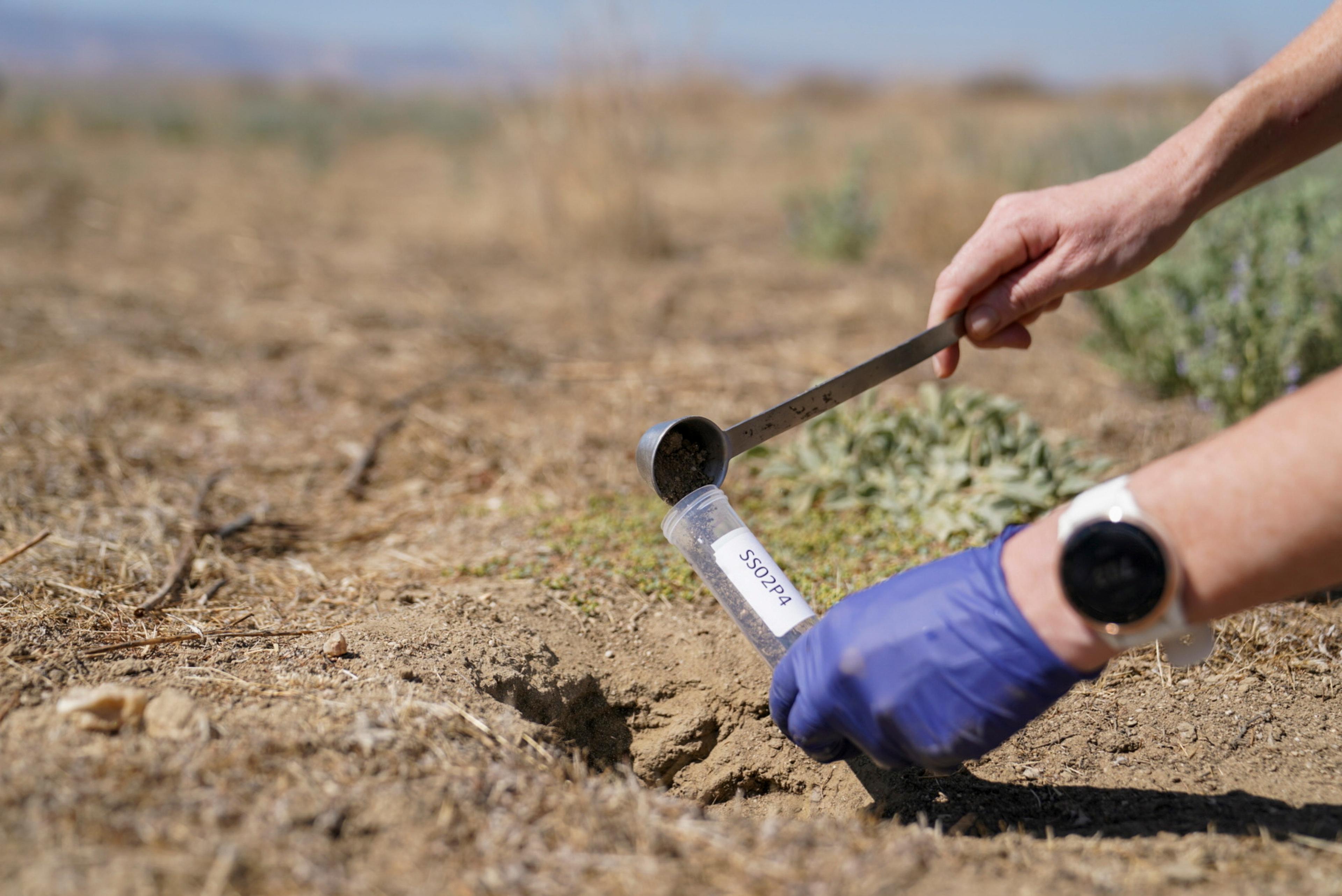
谷热病是由吸入微小真菌孢子引起的,据估计每年在美国导致多达36万人患病。直到大约十年或二十年前,这种真菌主要分布在美国西南部的干旱地区,随后开始蔓延到华盛顿州等曾被认为过于潮湿或寒冷而不适合其生存的州份。
Valley fever, caused by inhaling microscopic fungal spores, is estimated to sicken up to 360,000 people in the U.S. yearly. The fungus was primarily found in the arid American Southwest until about a decade or two ago, when it began spreading to states like Washington, once considered too wet or cold for it.
医生表示,即使是被认为普通且易于治疗的真菌疾病,如癣菌病,也正以令人担忧的方式发生演变。近年来,一种可对所有抗真菌药物产生耐药性的新型癣菌,已从印度次大陆蔓延至中东、欧洲和美国。这种新型癣菌具有高度传染性,会导致全身出现慢性、发炎且瘙痒的皮肤斑块。
Even fungal diseases considered mundane and easily treated, like ringworm, are evolving in alarming ways, doctors say. A new species of ringworm that can be resistant to all antifungal drugs has been spreading from the Indian subcontinent to the Middle East, Europe, and the U.S. in recent years. This new ringworm, which is highly contagious, causes chronic, inflamed, and itchy skin plaques all over the body.
“可以把它想象成脚气,但现在变成了‘全身癣’,而且无法治疗,”奇勒说。他预测,专家认为这种新疾病是因过度使用非处方抗真菌药物而演变而来的,将在未来十年内成为全球最主要的癣菌病类型。
“Think of athlete’s foot, but it’s now athlete’s body, and it’s untreatable,” Chiller says. He predicts this new disease, which experts think evolved in response to the overuse of over-the-counter antifungal medications, will become the predominant ringworm found globally in the next decade.
在巴西和南美洲,一种导致毁容且有时致命的皮肤病真菌爆发,正在感染猫、狗和人类。与耳念珠菌一样,这种病原体的起源也充满神秘。1998年,里约热内卢发生疫情后,该真菌首次被确认为一种威胁。起初,猫开始大量出现在城市诊所,病情严重且浑身长满病灶。随后,人和狗也相继发病。传染病医生将这些疾病的罪魁祸首确定为一种孢子丝菌。受感染的猫通过抓伤、咬伤甚至打喷嚏将疾病传播给狗和人类。
In Brazil and South America, outbreaks of a fungus that causes a disfiguring and sometimes fatal skin disease have been sickening cats, dogs, and people. Like Candida auris, the pathogen has mysterious origins. The fungus was first identified as a threat in 1998 after an outbreak in Rio de Janeiro. First, cats started showing up to the city’s clinics very sick and covered with lesions. Then, people and dogs did too. Infectious-disease doctors identified the culprit of these illnesses as a type of Sporothrix fungus. Infected cats were spreading the disease to dogs and humans through scratches, bites, and even sneezes.
美国疾控中心真菌疾病科学家达拉斯·史密斯表示,这一解释起初似乎讲不通,他负责追踪包括孢子丝菌在内的新发病原体。
That explanation didn’t seem to make any sense at first, says Dallas Smith, a fungal-diseases scientist at CDC who tracks emerging pathogens including Sporothrix.
医生和科学家早已知道一种名为申克孢子丝菌的孢子丝菌属真菌。这种病原体会引发通常被称为“玫瑰园丁病”的疾病,因为这种真菌存在于环境中,通常会感染接触泥土和植物的人。史密斯说:“园丁会被玫瑰刺扎伤,这就为真菌进入体内提供了入口。”
A species of Sporothrix fungus called Sporothrix schenckii had long been known to doctors and scientists. The pathogen causes what is often referred to as “rose gardener’s disease” because the fungus, which lives in the environment, typically infects people who work with dirt and plants. “Gardeners would get pricked by a rose thorn, and that would provide the opening for the fungus to enter,” Smith says.
已知这种真菌会感染猫,但这种情况极其罕见。这种疾病本身也非常罕见。里约热内卢最大的传染病医院——埃万德罗·沙加斯国家传染病研究所的传染病皮肤病学研究员戴维森·弗雷塔斯博士说,1998年之前,医生通常每年接诊两到三例病例。
The fungus was known to infect cats, but that was exceedingly uncommon. The disease itself was also very rare. At the largest hospital for infectious diseases in Rio de Janeiro, the Evandro Chagas National Institute of Infectious Diseases, doctors typically saw two to three cases a year before 1998, says Dr. Dayvison Freitas, an infectious-dermatology researcher at the hospital.
但似乎不知从何处开始,某种因素促使一种毒性更强的孢子丝菌属物种出现,它由猫而非植物传播。目前尚不清楚是什么推动它进化出如此有效地感染猫的能力。史密斯说:“是因为气候变化、环境变化,还是某种我们不了解的其他压力?”
But seemingly out of nowhere, something incited the emergence of a more virulent Sporothrix species spread by cats and not plants. It isn’t clear what pushed it to evolve to so effectively infect cats. “Is it because of climate change or environmental change or some other pressures that we don’t understand?”
巴西孢子丝菌在2007年被命名为一个独立的物种。弗雷塔斯说,由这种真菌引起的感染可导致人体出现多处病变,有时遍布全身和面部。它几乎总会留下永久性疤痕,这些疤痕通常颜色深且凸起。
Smith says. Sporothrix brasiliensis was named as a separate species in 2007. Infections caused by the fungus can result in multiple lesions in people, sometimes all over the body and face. It almost always leaves lasting scars, which are often dark and raised, says Freitas.
在多达10%的病例中——通常涉及老年人或免疫功能低下者——真菌可进入血液并引发破坏性疾病。弗雷塔斯说:“这种真菌可以影响任何器官或系统,包括骨骼、关节、肺、喉、大脑。它可以引起一种脑膜炎。如果发生这种情况,病情非常、非常严重,死亡率很高。”近年来,巴西的这种真菌出现了暴发式增长。史密斯说:“猫正在以惊人的高比例在彼此之间传播这种疾病,同时也传播给人类。”
In up to 10% of cases, usually involving elderly or immunocompromised people, the fungus can enter the bloodstream and cause destructive illnesses. “The fungus can affect any organ or system, including the bones, joints, lungs, throat, brain. It can cause a kind of meningitis,” Freitas says. “If this happens, it is very, very severe, and the death rate is high.”Brazil has seen an explosion of the fungus in recent years. “Cats are spreading this disease among themselves, but also to humans at an alarmingly high rate,” Smith says.
1998 年至 2001 年间,集中在里约热内卢周边地区,不足 180 人患上这种疾病。史密斯说,近年来,全国每年有数千人被感染。
From 1998 to 2001, fewer than 180 people, concentrated around Rio de Janeiro, fell sick with the disease. In recent years, thousands of people across the country are infected annually, Smith says.
弗雷塔斯说,这种疾病现在甚至感染了亚马孙地区偏远村庄的人,也出现在其他国家。史密斯说,由巴西孢子丝菌引起的病例在南美洲包括阿根廷、巴拉圭和智利在内的国家稳步出现。乌拉圭 2025 年经历了首次疫情爆发,秘鲁今年报告了首例病例。“这只是时间问题,它迟早会出现在美国”乃至更远的地方,他说。
The disease is now even infecting people in remote villages in the Amazon, Freitas says, and has emerged in other countries too. Cases of Sporothrix brasiliensis have been steadily sprouting up across South America in countries including Argentina, Paraguay, and Chile. Uruguay experienced its first outbreak of the disease in 2025, and Peru reported its first case this year, Smith says. “It’s just a matter of time before it ends up in the United States” and beyond, he says.
奇勒说,孢子丝菌是越来越多“真菌行为方式与我们认知截然不同”的真菌之一。
Sporothrix, says Chiller, is one of a growing number of fungi that are “dramatically changing our understanding of how we think fungi are supposed to act.”
在丹佛会议上,一排科学家跟着奇勒走到哪里。在场每个人都想找他说上几句话。奇勒身穿他惯常的职业装:一件剪裁考究的夹克,内衬是色彩鲜艳的定制真菌图案,配一块同款方巾。(奇勒的祖父是裁缝,他有约 15 件真菌主题的定制夹克。)“每一代人中,总有少数人是力量倍增器,”斯佩克说。“他们改变领域。就真菌学而言,现有的成就往往归功于汤姆·奇勒。”
At the Denver conference, a line of scientists followed Chiller wherever he went. Everyone there wanted to bend his ear. Chiller was decked out in his usual professional attire: a well-cut jacket with a colorful, bespoke fungi-print lining and a matching pocket square. (Chiller, whose grandfather was a tailor, has about 15 fungi-themed custom jackets.)“In every generation, there tends to be a few people who are a force multiplier,” says Spec. “They change the field. In the case of mycology, the success that exists is often due to Tom Chiller.”
几十年来,奇勒一直致力于引起世界对真菌日益增长威胁的关注。他担任美国疾控中心真菌疾病分支副主任约 10 年,又任主任十年。在他的领导下,该部门规模翻倍至约 45 人,并将工作扩展到优先真菌疾病的监测(包括耳念珠菌)、新发病原体研究,以及新疗法和诊断工具的开发。
Chiller has been working for decades to draw the world’s attention to fungi’s gathering threat. He was the deputy director of the CDC’s fungal-diseases branch for about 10 years and its chief for another decade. Under his leadership, the department doubled in size to about 45 people and expanded its work to include surveillance of priority fungal diseases, including Candida auris, and research into emerging pathogens, as well as new treatments and diagnostic tools.
他在开发和推广一种廉价、简便且准确的隐球菌检测方法方面发挥了关键作用,该方法仅需一滴指尖血即可检测——隐球菌是一种环境真菌,可引发脑膜炎。“这绝对挽救了数万条生命,”奇勒说。“我为此感到非常自豪。”
He was instrumental in the development and widespread use of a cheap, simple, and accurate test, using just a pinprick of blood, for Cryptococcus—an environmental fungus that can cause meningitis. “It’s definitely saved tens of thousands of lives,” Chiller says. “I’m very proud of that.”
奇勒在疾控中心工作25年后,于去年离职,这距离小罗伯特·F·肯尼迪被任命为美国卫生与公众服务部部长仅几个月。奇勒表示,自新冠疫情以来,他对该机构日益感到幻灭。“疫情期间,对每个人来说都是动荡不安。疾控中心的声誉遭受重创,”他说。随后肯尼迪上任,奇勒称他的团队被削减了约四分之一。“我们不得不确定工作优先次序。”
Chiller left the CDC last year after 25 years at the agency, months after Robert F. Kennedy Jr. was named head of the U.S. Department of Health and Human Services. Chiller says he had been growing increasingly disenchanted at the agency since COVID. “During the pandemic, it was turmoil for everybody. CDC took a big hit reputationally,” he says. Then Kennedy took the helm, and Chiller’s team was cut by about a quarter, he says. “We had to prioritize what we could do.”
奇勒说,他感到2025年春季对疾控中心员工实施的限制让他“手脚被绑”。“他们取消了我们所有的差旅,取消了所有会议。我们实际上没有预算,”他回忆道。“我想,如果这就是未来,那不适合我。”奇勒现任IMMY公司首席医疗官,该公司开发真菌病检测产品。他还是非营利组织“全球真菌感染行动基金”和真菌病患者倡导组织MyCARE的董事会成员。现在,他能做最热爱的事:倡导提高对真菌病的认知。
Chiller says he felt “handcuffed” by restrictions imposed on CDC staff in the spring of 2025. “They cut all our travel, they canceled all meetings. We didn’t really have budgets,” he recalls. “I thought to myself, If this is the future, it’s not for me.”Chiller is now chief medical officer at IMMY, a company that develops tests for fungal diseases. He’s also a board member of the nonprofit Global Action Fund for Fungal Infections and of MyCARE, a fungal-disease patient-advocacy organization. Now, he gets to do what he loves most: advocating for fungal-disease awareness.
9月,他与肯尼迪及其他美国卫生官员出席了一场关于真菌病的圆桌讨论。协助协调此次会议的奇勒表示,这是他职业生涯中首次与美国卫生部长同室讨论仅关于真菌的话题。他说,这感觉像是一种进步。
In September, he attended a roundtable discussion about fungal diseases with Kennedy and other U.S. health officials. Chiller, who helped coordinate the meeting, says it was the first time in his career that he had been in a room with a U.S. Health Secretary to talk only about fungus. That felt like progress, he says.
奇勒深知,卫生领导者和专业人士熟悉真菌至关重要。“想到真菌”是疾控中心首届真菌病认知周的口号,该活动由奇勒协助发起于2017年。研究表明,医生常因未想到真菌病而漏诊。
Chiller knows just how critical it is for health leaders and professionals to be familiar with fungi. “Think Fungus” was the catchphrase of the CDC’s first Fungal Disease Awareness Week, which Chiller helped launch in 2017. Doctors often miss fungal diseases because they fail to think of them, research shows.
尽管在变暖的世界里真菌的蔓延似乎是一个无法战胜的敌人,但有一线希望在于:早期诊断真菌感染会让患者存活的可能性大大增加——包括奇勒在内的研究人员正致力于帮助患者利用这一优势。
Though the spread of fungi in a warming world may seem like an impossible foe, there is hope in the fact that diagnosing fungal infections early makes it much more likely that a patient will survive—and researchers, including Chiller, are working to help patients take advantage of that edge.
他们还有很长的路要走:一篇2019年的论文显示,在亚利桑那州约270名谷热病患者中,近一半在一个月或更长时间内未能得到正确诊断——谷热病是一种奇勒年轻时当医生时研究过的真菌疾病。
They’ve got a long way to go: a 2019 paper showed that almost half of some 270 patients in Arizona with valley fever—a fungal disease Chiller studied as a young doctor—weren’t diagnosed correctly for a month or more.

贾斯汀·约翰经历了这场噩梦。这位来自亚利桑那州、27岁的软件工程师先后被误诊为新冠、普通感冒和肠易激综合征,直到六个多月后医生才意识到他患的是谷热病。
Justin John lived that nightmare. The 27-year-old software engineer from Arizona was wrongly diagnosed with COVID, the common cold, and irritable bowel syndrome before doctors realized—more than six months later—that he was sick with valley fever.
他说:“我身体里到处都是病灶。”真菌导致的肿块开始出现在他的前额和脖子上后,医生发现真菌已经啃穿了他脊柱和头骨的部分部位。他接受了两次手术,在前额植入金属板,并用金属椎间盘替换了部分骨椎。“椎骨溶解得太厉害了,无法保留任何部分,”他说。
There were “lesions literally everywhere inside my body,” he says. After lumps caused by the fungus started appearing on his forehead and neck, doctors discovered that the fungus had eaten holes through parts of his spine and skull. He underwent two surgeries to insert a metal plate into his forehead, and replace a part of his vertebrae with a metal disc. “The vertebra was so dissolved, they couldn’t save any of it,” he says.
约翰说,生病前他身体健康、活跃,且没有基础疾病。“它在泥土里。你随时随地都可能感染,”他说。“我可能是在走去沃尔玛的路上感染的。”
John says he was healthy, active, and had no underlying medical conditions before he got sick. “It’s in the dirt. You can get it anywhere at any time,” he says. “I could have gotten it when I was walking to Walmart.”
目前使用血液检测来诊断谷热病,但假阴性结果很常见,导致许多漏诊。IMMY 正在开发一种新的快速尿液检测方法,该公司称这将更易于实施且更准确。“即使在这里,在亚利桑那州这个流行病区,也有太多患者被漏诊,”治疗约翰的亚利桑那大学谷热病专家法里巴·多诺万博士说。“这种检测真的能减少诊断延迟。”这些是正确方向上的步骤,但奇勒说,如果我们想在与真菌的赛跑中获胜,需要迈出更大的步伐。
Blood tests are currently used to diagnose valley fever, but false negative results are common, causing many missed diagnoses. IMMY is developing a new rapid urine test for the disease that it says will be easier to administer and more accurate. “So many patients, even here in Arizona where this disease is endemic, get missed,” says Dr. Fariba Donovan, a valley fever specialist at the University of Arizona who treated John. “This test could really decrease that delay in diagnosis.”These are steps in the right direction, but Chiller says we need to take greater strides if we want to win in the race against fungi.
几十年前,在遇到病情严重甚至濒临死亡的谷热病患者后,奇勒说他“深刻了解到真菌疾病可以是多么毁灭性和复杂”。他至今仍在等待我们其他人跟上。
Many decades ago, after encountering very sick and dying valley fever patients, Chiller says he “learned a lot about how devastating and complex fungal diseases can be.”He’s still waiting for the rest of us to catch up.