两年前,阿莫代伊写道,他对“AI系统可能在短短五到十年内实现生物学领域一千年的进步”这一想法持“开放”态度。今年8月,他在X平台上表示:“Anthropic正在非常迅速地加大在生物学和医学领域的投入。”在同一条帖子中,他预测AI将使在未来五到十年内治愈大多数人类疾病成为可能,并承诺将出现“AI加速药物的爆发式涌现”。该公司还在9月宣传了Claude发现了一种“类Crispr”酶。
Two years ago, Amodei wrote that he was “open” to the idea that AI systems could produce a thousand years of progress in biology in just five to 10 years. In August, he said on X that “Anthropic is ramping up its efforts very quickly in biology and medicine.”In the same post, he predicted that AI will make it possible to cure most human diseases in the next five to 10 years and promised a “deluge of AI-accelerated drugs.”The company also promoted the discovery of a “Crispr-like” enzyme by Claude in September.
虽然新的IPO招股说明书依然吹捧AI“能够深刻加速生物学和医学的进步速度”,并能将“数十年的科学进步压缩到几年内”,但对于如何将这种潜力转化为现实,文件则持保留态度。
While the new IPO filing still touts AI’s ability to “profoundly accelerate the rate of progress in biology and medicine” and compress “decades of scientific progress into years,” it’s reserved about how it will turn the potential into the actual.
公司表示,其团队“需要亲身从事科学研究和药物发现工作”,且其生命科学活动将要求公司“从事超出我们作为软件和研究组织的历史经验范围的活动”。这包括处理潜在危险材料、操作实验室设备,以及遵守大量法规。
The company says that its teams “need first-hand experience doing scientific research and drug discovery” and that its life sciences activities will require it “to engage in activities outside our historical experience as a software and research organization.”That includes handling potentially hazardous materials, operating laboratory equipment, and complying with a bevy of regulations.
Anthropic 还淡化了关于其酶发现的措辞,称其“可能有潜力被开发成一种新型生物技术工具,或许用于基因编辑”。(斜体为强调所加。)研究人员此前曾告诉《连线》(WIRED),他们对该酶发现的价值和实用性持怀疑态度,一位一直在研究这些特定酶的科学家怀疑 Claude 使用了他的研究成果。(该公司表示,其模型和分子生物学团队都无法接触到这些材料。)
Anthropic also toned down its language about its enzyme discovery, saying it “might have the potential to be developed into a novel biotechnology tool, perhaps for gene editing.” (Italics added for emphasis.) Researchers previously told WIRED they were skeptical of the enzyme discovery’s value and utility, and one scientist who had been studying these exact enzymes became suspicious that Claude used his research. (The company said neither its model nor its molecular biology team would have had access to this material.)
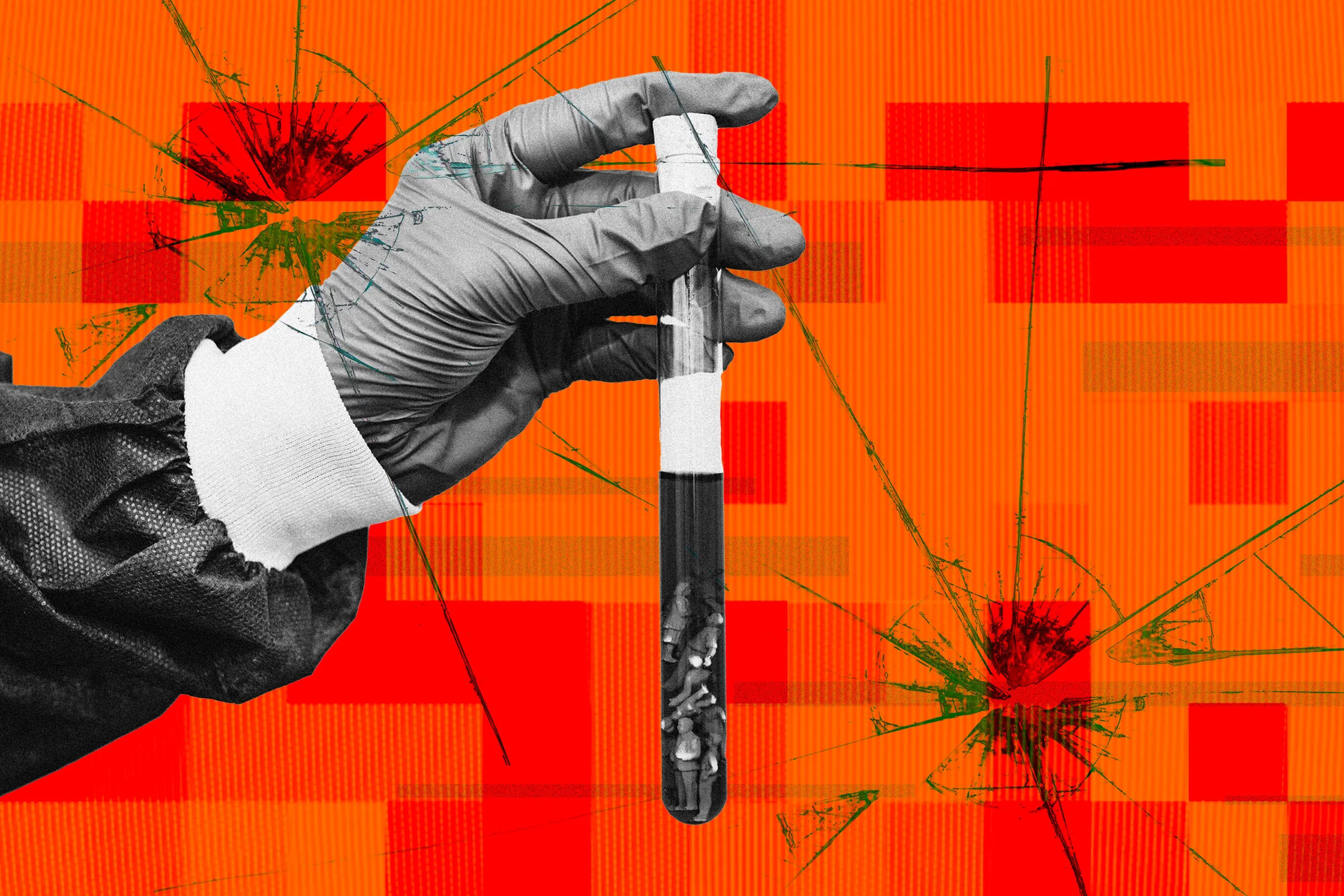
IPO 申报文件显示,Anthropic 不再将自己仅仅视为向生物技术行业提供 AI 工具的外部供应商;它将生物技术发现视为其商业模式的核心部分。和所有生物技术公司一样,它面临着漫长的药物研发周期。任何 AI 辅助的发现仍需在试管中研究,然后在动物身上实验,最终在人体上测试。即使 AI 能帮助筛选出哪些新药或靶点在人体中有效、哪些可能无效,仍需数年的测试来证明其安全性和有效性。
The IPO filing indicates that Anthropic no longer sees itself solely as an outside provider of AI tools to the biotech industry; it sees biotech discovery as a core part of its business model. And like all biotech companies, it faces the long timeline of drug development. Any AI-assisted discoveries still have to be researched in a test tube, then in animals, and eventually in people. Even if AI could help sort out which new drugs or targets will work in humans versus those likely to be duds, it will still take years of testing to prove their safety and efficacy.
Anthropic 在申报文件中承认了这些挑战。“这些努力产生的任何药物候选物或其他发现,都将面临生命科学行业典型的漫长、昂贵且充满不确定性的开发和监管路径,且可能永远无法产生收入,”申报文件称。(就他而言,Amodei 在 8 月的 X 帖子中主张,为即将到来的 AI 生成药物浪潮简化监管。)鉴于向潜在投资者夸大宣传的法律风险,美国证券交易委员会(SEC)的申报文件通常比公司或其高管的公开声明更为审慎。而 IPO 申报清楚地表明,该公司相信其技术将推动革命性进步。
Anthropic recognizes these challenges in its filing. “Any drug candidates or other discoveries resulting from these efforts would face the lengthy, costly, and uncertain development and regulatory pathways characteristic of the life sciences industry, and may never generate revenue,” the filing says. (For his part, Amodei made the case in his August X post for streamlining regulations for the coming wave of AI-generated drugs.) US Security and Exchange Commission filings are generally more cautious than statements made by companies or their executives given the legal risks of overstating claims to would-be investors. And the IPO makes clear that the company believes its technology will drive revolutionary advancements.
但随着Anthropic进一步深入生物学发现领域,它将面临与其他生物技术公司相同的困境:在无法仅靠增加计算机就能加速的试验中证明自身价值。
But as Anthropic pushes further into biological discovery, it will face the same conundrum as other biotech companies: proving their worth in trials that can’t be hastened simply by adding computers.