胡志明市 —— 一项重要的东盟数字协定要等到下个月才会签署,但各国政府正在打基础,从二维码支付到电子签名,以便本国公民和企业能够跨境使用同一套工具。
HO CHI MINH CITY -- A major ASEAN digital accord will not be signed until next month, but governments are laying the groundwork, from QR payment codes to electronic signatures, so that their citizens and companies can use the same tools across borders.
官员们周二在越南主办、世界经济论坛协办的峰会上表示,有了《数字经济框架协定》(DEFA),企业将能够为6.8亿人提供服务,东南亚国家联盟(ASEAN)的11个成员国将更像是一个单一市场,而不是11个不同的国家。
With the Digital Economy Framework Agreement (DEFA), businesses would be able to serve 680 million people more like a single market than 11 different countries in the Association of Southeast Asian Nations, officials said at a Tuesday summit that Vietnam hosted with the World Economic Forum.
马来西亚数字部MyDIGITAL公司高级总监Ellina Roslan在活动期间对《日经亚洲》表示:“DEFA为该地区成为枢纽提供了一个共同的互操作结构。否则,所有东盟国家都将各自为政。”该协定旨在为东南亚数字经济提供共同规则,预计到2030年,该地区数字经济规模将达到1万亿美元。但越南科技部副司长Nguyen Van Thuat在胡志明市的峰会上表示,获益程度将部分取决于数据流动。
"DEFA gave a common structure for interoperability for the region to become a hub," Ellina Roslan, senior director at the Malaysian Digital Ministry's MyDIGITAL Corp., told Nikkei Asia at the event. "Otherwise all the ASEAN countries would be moving on their own." The deal is meant to provide shared rules across Southeast Asia's digital economy, forecast to reach $1 trillion by 2030. But the benefits will depend partly on data flows, Nguyen Van Thuat, a deputy director at Vietnam's science ministry, said at the summit in Ho Chi Minh City.
越南等国已出台限制措施,如要求企业在国内存储数据并获批后方可向境外传输。虽然DEFA细节尚未公布,但东盟将如何平衡数据流动与隐私保护目前尚不清楚。
Vietnam and others have introduced restrictions, like requiring firms to store data domestically and get approval to send it abroad. While DEFA details have not been released, it is unclear how ASEAN will balance data movement and privacy.
Thuat表示:“我们不认为数据流动与数据保护是相互冲突的目标,事实上,它们应当相辅相成。”他补充说,企业基于其使用数据的方式建立信任。
"We don't see data flow and data protection as conflicting goals, in fact, they should go hand in hand," Thuat said, adding that firms build trust based on how they use data.
DEFA预计将于11月在今年东盟峰会东道主马尼拉签署。随着协定启动,Thuat称一项关键优先事项是与邻国合作,使电子签名兼容互认。这意味着例如越南公民可以在线签署文件,而泰国的组织能够验证并依法认可该签名。Thuat表示,各国必须在技术标准、签名互认以及数字合同使用等方面开展工作。
DEFA is expected to be signed in November in Manila host of this year's ASEAN Summit. As the pact gets under way, Thuat said a key priority is working with neighbors to make electronic signatures compatible. That means a Vietnamese citizen would be able to sign an online document, while an organization in Thailand could verify and legally recognize it, for instance. Thuat said states have to work on technical standards, mutual recognition of signatures, and use of digital contracts.
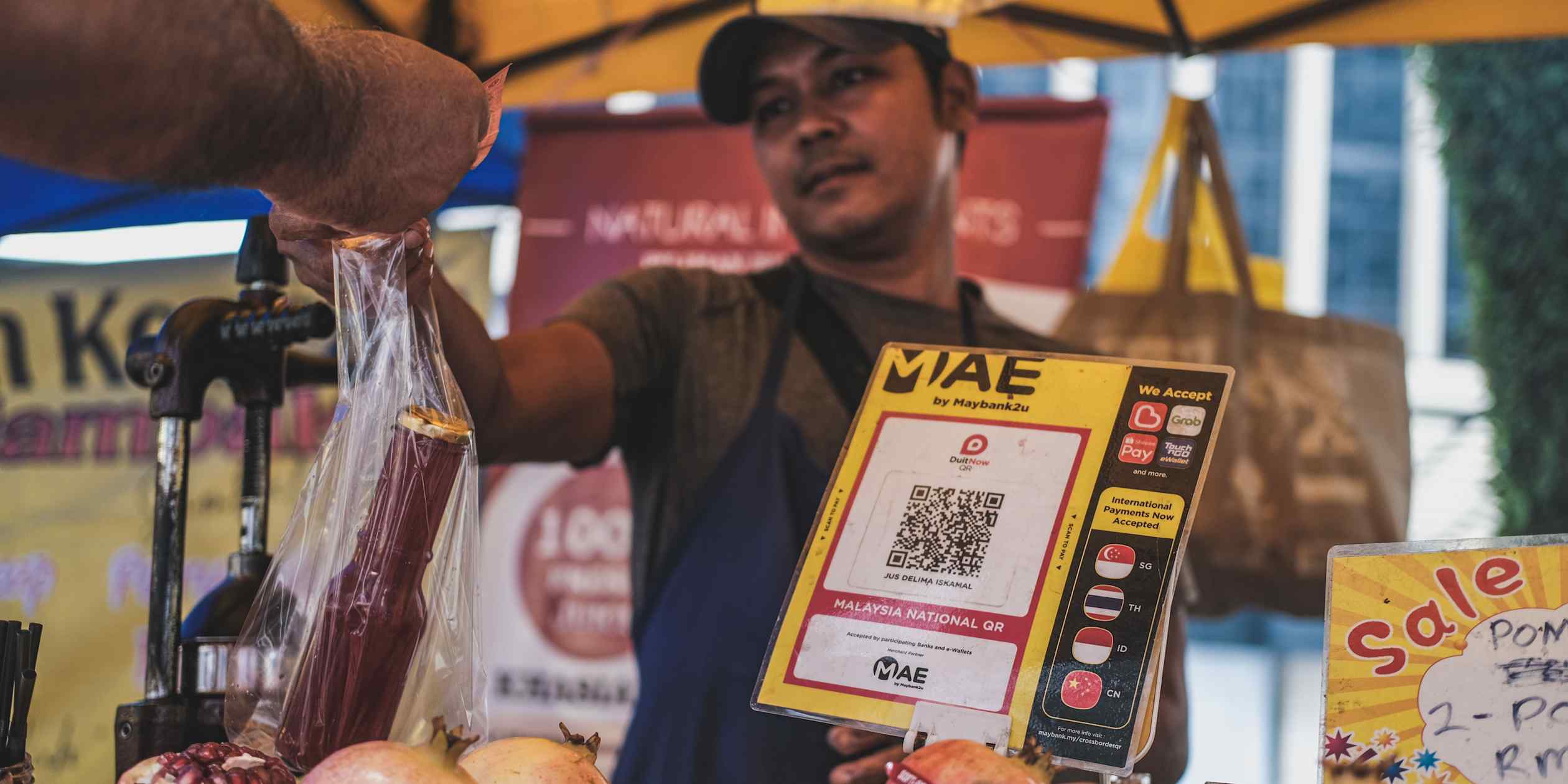
“我们正在开发基础设施,以解决这一互操作性问题,”他说。“我们可以测试这些解决方案,从结果中吸取经验,然后在东盟范围内推广。”罗斯兰表示,数字支付是该地区将进一步融合的另一个“可靠例证”。她说,每个国家的金融监管各不相同,但它们正在构建相互接受彼此交易的网络。她表示,二维码的普及尤其有助于东盟合作,使柬埔寨人在文莱旅行时,能用自己的钱包应用程序买咖啡。
"We are developing the infrastructure to solve this interoperability problem," he said. "We can test these solutions, learn from the results and then expand across ASEAN." Digital payments are another "solid example" of how the region will get more integrated, said Roslan. Each country has different financial regulations, she said, but they are building networks that accept one another's transactions. She said the spread of QR codes in particular is easing ASEAN collaboration, allowing a Cambodian to use his wallet app to buy coffee when traveling in, say, Brunei.
印度尼西亚的一款移动钱包应用Dana表示,DEFA的优势在于为快速支付和技术协议制定“共同标准”,例如让手机应用程序与银行连接的协议。该初创公司公共政策副总裁费利克斯·沙里夫表示,如果成员国接下来利用数字贸易协定就货币和“了解你的客户”规则制定标准,将会有所帮助。他在越南举办的秋季经济峰会上,与罗斯兰同台发言。
One such mobile wallet, Indonesia's Dana, said the advantage of DEFA is to have "common standards" for fast payments and technical protocols, like the ones that let phone apps connect with banks. The startup's vice president of public policy, Felix Sharief, said that it would be helpful next if members use the digital trade pact to hash out standards on currencies and "know your customer" rules. He was speaking on a panel with Roslan at the Vietnamese event, the Autumn Economic Summit.