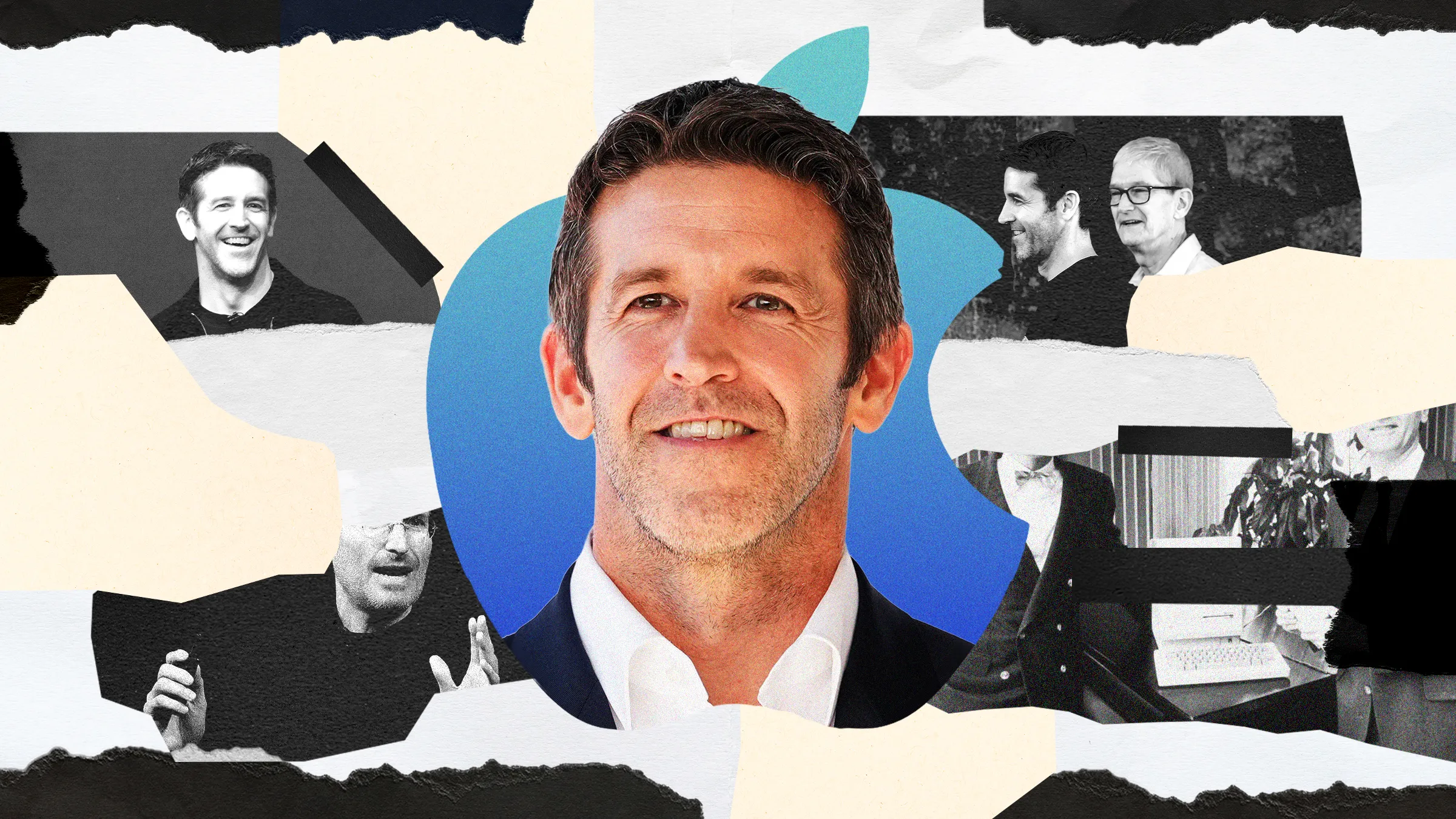
库比蒂诺阳光明媚。苹果新任首席执行官漫步至公司那座超凡脱俗的环形总部内的室外休息区,拉开一把椅子坐下。一名员工注意到阳光角度,询问他是否介意阳光直射。约翰·特努斯(John Ternus)丝毫不介意。
It’s a bright day in Cupertino. Apple’s new CEO strolls to an outdoor seating area within the company’s otherworldly ring-shaped headquarters and pulls up a chair. An employee notes the angle and asks if he minds the sun. John Ternus doesn’t mind at all.
上任近两个月来,他忙得不可开交。科技界正热议 AI 智能体以及一家亏损惊人的公司即将进行的首次公开募股(IPO),而特努斯领导这家利润丰厚得近乎荒谬的公司,迄今为止其执掌风格由一系列重大产品发布所定义——备受期待的可折叠 iPhone、一款可控制数字家电的家用设备、新款 Mac mini 以及 AirPods。无论有意无意,这一连串动作传递出一个信息:即便 AI 主导了公众想象力,硬件产品依然称王。
Nearly two months into his tenure, he’s been busy. While the tech world buzzes about AI agents and the upcoming IPO of a company reporting spectacular losses, Ternus’ leadership of a ridiculously profitable firm has so far been defined by a sequence of significant launches—the long-awaited foldable iPhone, a household device that can control digital appliances, new Mac Minis, and AirPods. Intentionally or not, all that activity sends a message that, even as AI dominates the public imagination, hardware products still rule.
特努斯并不认同这种看法,但当我提出这一观点时,他也没有反对。“我们一直在研发这些产品已有一段时间了,”他说,“感觉这里的每个人现在都干劲十足,很享受这种状态。”我问苹果是否即将打破一项长期坚持的禁忌,推出配备触控屏的 Macintosh 电脑。特努斯露出灿烂笑容。“谁知道呢?”
Ternus doesn’t endorse that take, but he doesn’t object when I suggest it. “We’ve been working on these products for quite some time,” he says. “It feels like everyone here is just kind of riding high right now, enjoying it.”I ask if Apple is about to break a long-imposed taboo and introduce a Macintosh with a touch screen. Ternus beams. “Who knew?”
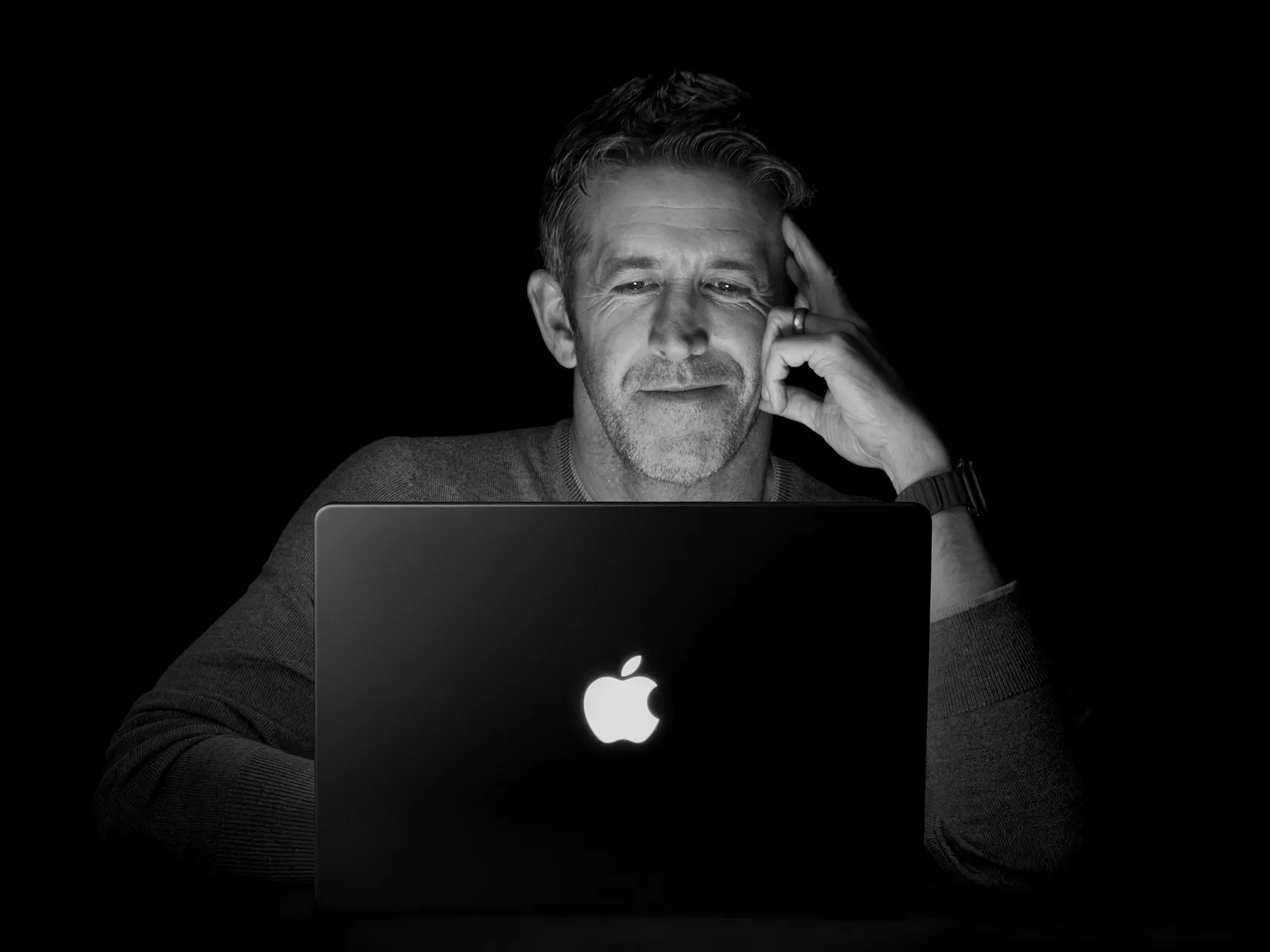
我们指的是苹果今日在洛杉矶发布会上推出的搭载 PROLED XDR 显示屏的新款 MacBook Pro。它配备强劲的 M5 Pro 或 M5 Max 芯片,以及令人惊叹的串联 OLED 屏幕。(串联屏拥有多层发光层,能呈现更剧烈的对比度。)但它最显眼的特性,是多年来已深度融入 iPhone、iPad 甚至 Apple Watch,却从未出现在苹果笔记本电脑上的功能:触控显示屏。在多年抵制后,Mac 屏幕终于实现了“数字化交互”。指的是手指操作。
We are referring to the new MacBook Pro with PROLED XDR Display that Apple is releasing today at an event in Los Angeles. It’s got a mighty M5 Pro or M5 Max chip and a show-stopping tandem OLED screen. (A tandem screen has multiple light-emitting layers, producing more dramatic contrasts.) But its most conspicuous feature is one that’s been deeply woven into iPhones, iPads, and even Apple Watches for years but not Apple’s laptops: a touch display. After years of resistance, a Mac screen has finally gone digital. As in fingers.
这一转变对苹果粉丝来说意义重大。特努斯淡化了这场争议。“Mac 首先是一个间接输入设备,围绕触控板和键盘构建。但我认为有时拥有触控操作会更舒适、更方便。”
This turnaround is a big deal to Apple fans. Ternus shrugs off the drama. “The Mac is first and foremost an indirect input device, built around the trackpad and keyboard. But I think there’s times when it’s comfortable and handy to have touch.”
特努斯和苹果希望确保 Mac 忠实用户不会恐慌,担心这个拥有 42 年历史的产品线正在向苹果极其成功的移动产品失去身份认同。“我们需要达到这样一个境界:增加触控功能不会让产品在任何方面变得更差。不会让它更重,不会让它更厚。这与 OLED 屏幕的引入同步实现——这是我们有史以来装进 Mac 的最好显示屏,”特努斯告诉我。
Ternus and Apple want to make sure that the Mac faithful don’t panic that the 42-year-old franchise is losing its identity to Apple’s gangbusters mobile products. “We needed to get to a point where adding touch didn’t make the product lesser in any way. It didn’t make it heavier. It didn’t make it thicker. That came together with the OLED screen, the best display we’ve ever put into a Mac,” Ternus told me.
“所有这些改进,哦对了,它还支持触控。”苹果有着拒绝实施某些令人向往的功能、直到觉得时机成熟时才转向的悠久历史。史蒂夫·乔布斯曾宣称 iPod 永远不会支持视频播放,直到后来支持了。他也曾说“没人会买”超大尺寸手机——随后苹果发布了超大尺寸的 iPhone 6。还有那次乔布斯宣称手写笔不适合平板电脑。现在 Apple Pencil 可在 iPad 和全新的 Duo 上使用。
“All of these things, and, oh yeah, it has touch as well.”Apple has a long history of refusing to implement certain desirable features, only to pivot when it feels the time is right. Steve Jobs once proclaimed iPods would never do video, until they did. He also once said “no one’s going to buy” a jumbo-size phone—and then Apple released a supersized iPhone 6. Then there was that time Jobs declared styluses inappropriate for tablets. Now the Apple Pencil works with iPads and the brand-new Duo.
2026 款 MacBook Pro 瞬间成为了这种大转弯的典型案例。苹果高管曾公开表示,在 PC 上引入触控是个错误的想法。不管几乎每一家总部不在库比蒂诺的 PC 厂商都已在笔记本电脑上实现了触控。微软、戴尔、宏碁、联想和惠普的客户纷纷抢购这些产品。显然,人们想要笔记本电脑屏幕支持触控。甚至幼儿都知道——把几个小屁孩放在电脑前,他们的小胳膊就会直直伸向屏幕,徒劳地尝试像在 iPad 上那样滑动和滚动。人们不解为何苹果——自 iPhone 以来触控显示屏的先驱——如此坚定地拒绝这一功能。
The 2026 MacBook Pro instantly qualifies as the canonical example of this switcheroo. Apple executives had been on record regarding touch on PCs as a misbegotten idea. Never mind that just about every PC maker not headquartered in Cupertino has implemented touch on their laptops. And customers of Microsoft, Dell, Acer, Lenovo, and HP have snapped them up. Clearly, people wanted touch on their laptop displays. Even toddlers knew it—put some rugrats in front of a computer and their little arms shoot straight to the screen in futile attempts to swipe and scroll as they do on their iPads. People were baffled why Apple—the pioneer in touch displays since the iPhone—was so steadfast in its rejection.
2015年,我在报道一款新款iMac时,就这个问题紧追当时担任全球产品营销高级副总裁的Phil Schiller(菲尔·席勒)。通常,苹果高管对此类提问只会给出含糊其辞的回答。但这一次,席勒开启了“冗长发言”模式。“我要稍微谈点哲学层面的东西,”他说,随后阐述了我后来称为“苹果硬件大统一理论”的观点。
In 2015, while doing a story about a new iMac, I pressed Phil Schiller, then the senior vice president of worldwide product marketing, on this very question. Usually, top Apple executives field such queries with cryptic remarks. In this case, Schiller began a filibuster. “I’m going to get a little bit philosophical,” he said, and launched into what I later described as the Grand Unified Theory of Apple Hardware.
他解释说,每一款苹果硬件产品——Apple Watch、iPad、iMac、MacBook——本质上都是一台电脑加一块玻璃。每款产品都有其特定功能,也都有适配该硬件的界面。他表示,多点触控适用于iPhone等产品,但不适用于Macintosh。他给出了两个理由:人体工学和软件界面。
He explained that every Apple hardware product—the Watch, iPad, iMac, MacBook—is basically a computer and a piece of glass. Each one has a specific function. And each one has an interface appropriate to the hardware. Multitouch is fine for products like the iPhone, he said—but not the Macintosh. He provided two reasons: ergonomics and the software interface.
“从人体工学角度来看,我们对此进行了相当广泛的研究,我们认为,在桌面场景下,键盘位置固定,需要伸手向上进行触控操作是不舒服的,”他告诉我。
“From the ergonomic standpoint, we have studied this pretty extensively, and we believe that on a desktop scenario, where you have a fixed keyboard, having to reach up to do touch interfaces is uncomfortable,” he told me.
至于界面方面,席勒辩称,苹果的两大主要操作系统建立在不同的设计原则之上。iPhone和iPad的iOS从一开始就是为多点触控设计的,并未采用macOS那些需要精准操作的惯例,例如光标和用于关闭窗口的微小按钮。“这两个世界是刻意设计得不同的,这也是件好事——我们可以针对每一种体验进行最优化,而不必试图将它们融合成一种‘最低共同标准’的体验,”他告诉我。
As for the interface, Schiller argued that Apple’s two main operating systems were built on different design principles. The iPhone and iPad’s iOS was multitouch from the get-go, and didn’t use macOS conventions that require precision, such as cursors and tiny boxes to close windows. “These two worlds are different on purpose, and that’s a good thing—we can optimize around the best experience for each of those and not try to mesh them together into a least-common-denominator experience,” he told me.
一年后,当苹果推出配备命运多舛的“Touch Bar”(触控栏)——键盘顶行上方一条动态的虚拟功能键——的MacBook Pro时,席勒再次强调触控绝不应进入Mac显示屏。他说,那样做意味着要为手指操作彻底重新设计菜单栏,这会与触控板或鼠标等指针设备的使用体验产生冲突。“你无法同时为两者进行优化,”他说。
A year later, when Apple introduced a MacBook Pro with the ill-fated “touch bar”—a dynamic strip of virtual function keys above the keyboard’s top row—Schiller doubled down on the view that touch should never find its way into a Mac display. He said that such a move would mean totally redesigning the menu bar for fingers, and that would clash with the experience of pointer devices like a touchpad or mouse. “You can’t optimize for both,” he said.
为了验证这一假设,苹果在Mac上对触控屏进行了用户测试。“搞什么,我们可能是错的,”席勒当时告诉我。“我们绝对已经确信这不是正确的做法。我们的直觉是对的。”
To double-check this assumption, Apple conducted user tests with touchscreens on Mac. “What the heck, we could be wrong,” Schiller told me then. “We’ve absolutely come away with the belief that it isn’t the right thing to do. Our instincts were correct.”
本周,在我与苹果高管约翰尼·斯鲁吉和格雷格·乔斯维亚克讨论带触控屏的MacBook Pro时,我当然提到了席勒提出的那些顾虑。(苹果的代表没有安排如今拥有“苹果院士”头衔的席勒接受采访。事实上,当我提出要求时,他们都笑了。)划下红线的不只是席勒。2021年,特努斯对记者乔安娜·斯特恩说:“Mac完全是为间接输入优化的。我们确实没有感觉到有什么理由去改变这一点。”
When I met with Apple executives Johny Srouji and Greg Joswiak this week to discuss the touchscreen MacBook Pro, you bet I invoked Schiller’s list of concerns. (Apple’s reps chose not to make Schiller, who now holds the title of “Apple Fellow,” available for an interview. In fact, they laughed when I asked.) It wasn’t only Schiller drawing a red line. In 2021, Ternus told journalist Joanna Stern, “The Mac is totally optimized for indirect input. We haven’t really felt a reason to change that.”
“十年是一段非常非常长的时间,”苹果首席硬件官斯鲁吉说。“很多东西都变了,无论显示技术、自研芯片还是其他方面。”最终,他告诉我,芯片、显示技术和软件架构的结合“达到了我们的标准”。“我希望我的工程师受到物理的限制,而不是想象力或时间表的限制,”他说。
“Ten years is a very, very long time,” says Srouji, Apple’s chief hardware officer. “Many things have changed, whether it's the display technology, the custom silicon, et cetera.”Eventually, he told me, the confluence of chips, display tech, and software architecture “met our bar.”“I like my engineers to be gated by physics, not imagination or timelines,” he says.
乔斯维亚克目前担任席勒曾担任的全球营销高级副总裁一职。他承认,触控功能姗姗来迟,至少对需求复杂的用户而言如此。苹果的专业用户——工程师、科学家、软件开发者和媒体创作者——早已因苹果未能让他们直接与屏幕交互而感到不耐烦。“多数专业人士拥有iPad,几乎每位专业人士都拥有iPhone,”乔斯维亚克说。
Joswiak, who holds Schiller’s old title of SVP of worldwide marketing, concedes that touch was overdue, at least for users with sophisticated needs. Its pro customers—engineers, scientists, software developers, and media creators—were impatient with Apple for its failure to let them interact directly with the screen. “Most pros own an iPad, and almost every pro owns an iPhone,” Joswiak says.
“所以这对他们来说是自然而然的事。有一代年轻创作者和年轻人正在使用我们的MacBook Pro,他们期待触控。”言下之意,斯鲁吉和乔斯维亚克似乎认为竞争对手的触控屏实现既简陋又敷衍。苹果的信条——正如其每一位高管都乐于向任何询问者解释的那样——是对质量有着极高的期待。“如果你在做容易的事,你就是在浪费时间,”斯鲁吉说。他于2008年加入苹果,通过率先推动公司自研芯片,在很大程度上推动了苹果的创新。
“So this is something that they’re natural with. There’s a generation of young creators and young people using our MacBook Pros that expect to touch.”Between the lines, Srouji and Joswiak seem to consider their competitors’ touchscreen implementations shabby and lazy. The Apple ethos, as every one of its executives will happily explain to anyone who asks, is an expectation of quality that’s sky-high. “If you’re working on something easy, you’re wasting your time,” says Srouji, who has been at Apple since 2008 and has pretty much driven its innovation by spearheading the company’s charge to custom-build silicon.
“容易的事,我想外包出去,”他继续说。“所以定制芯片是难的,触控是难的,显示屏是难的。我们制造的一切都是难的。”这种张扬的理念源自史蒂夫·乔布斯时代,而在2026年,它与崛起中的人工智能行业的终局形成鲜明对比——后者希望将工业生产中最艰难的部分交给超级智能实体。
“The easy things, I want to outsource,” he continues. “So the custom silicon is hard. The touch is hard. The display is hard. Everything we build is hard.”This swaggering philosophy dates from the Steve Jobs days and, in 2026, stands in contrast to the endgame of the ascendant AI industry, which hopes to turn over the toughest parts of industrial production to superintelligent entities.
斯鲁吉将Mac触控描述为一套创新组合,首先是特努斯所称的Mac史上最佳屏幕。这套组合还涉及定制芯片和重新架构的散热系统,以防止屏幕在人们捏合、拉伸和滑动时发烫。斯鲁吉认为,目前的触控屏笔记本电脑在手指接触屏幕时存在“晃动”问题;为尽量减小这一影响,苹果重新设计了MacBook Pro屏幕的铰链以稳固屏幕。
Srouji presents Mac touch as a suite of innovations, starting with that screen that Ternus described as the Mac’s best ever. It also involves custom silicon and a rearchitected thermal system to prevent the display from feeling hot when people pinch, stretch, and swipe on it. Srouji contends that current touchscreen laptops suffer from “wobble” when fingers make contact with the display; to minimize this effect, Apple has redesigned the hinge on the MacBook Pro screen to stabilize it.
当我看到16英寸版本的演示时(与之前的Pro机型一样,也有14英寸版本),我明白了他们所说的显示屏是什么意思。它明显更加细腻明亮,而黑曜石般的黑色是我在电脑屏幕上见过的最深的。部分原因是OLED屏幕不需要背光,这款MacBook比前代产品更轻。
When I get a demo of the 16-inch version (as with previous Pros, it’s also available in a 14-inch version), I see what they mean about the display. It’s noticeably dense and bright, and the obsidian blacks are the deepest I’ve seen on a computer screen. In part because the OLED screen doesn’t require backlighting, this MacBook weighs less than its predecessor.
在两位苹果经理演示这款MacBook的各种性能时,我看到了苹果如何解决席勒十年前提出的一些顾虑,比如需要为手指操作重新设计菜单栏。虽然看起来一样,但当手指移到菜单项上时,它就会展开,让你能精确选择。屏幕上的一些对象,比如关闭或隐藏窗口的“红绿灯”按钮,在触控时也会变大。
As a pair of Apple managers take the MacBook through its paces, I see how Apple has addressed some of Schiller’s decade-old concerns, like having to redesign the menu bar for fingers. While it looks the same, when you move a finger over a menu item, it expands to allow you to select your choice with precision. Some of the objects on the screen, like the traffic-light buttons that close or hide windows, also get bigger when you touch them.
他们向我展示了触控技术如何处理精细任务,比如在视频编辑软件DaVinci Resolve中调色,或者在苹果高端音频工作站Logic Pro上调整配乐。有一项创新不仅面向专业用户,那就是下拉“灵动岛”的新手势——这个承载进行中任务的黑色椭圆形区域已从iPhone来到Mac。展开后的灵动岛如同一个小组件悬浮在屏幕上,方便访问Siri回复和Spotlight搜索。
They show me how the touch tech can handle precision tasks, like color grading in the video editing software DaVinci Resolve, or tweaking a soundtrack on Logic Pro, Apple’s high-end audio workstation. One innovation, not just for pros, is a new gesture to pull down the “Dynamic Island,” that black oval hosting ongoing tasks that has made its way to Mac from iPhone. An expanded version floats on the screen like a widget, enabling easy access to Siri responses and Spotlight search.
苹果显然希望MacBook Pro的发布能为这一波新品发布画上惊叹号,而苹果用户仍在消化这一连串新品。至于可折叠的Duo,一些顾客正焦急地等待发货日期,发货时间已排到明年1月。(上周五该设备开售时,苹果门店排起长队,乔斯维亚克亲自在纽约市第五大道的苹果店迎接排队顾客。)我问斯鲁吉,苹果是否在用这一大波新产品表明某种立场,或许是想说明,在人工智能热潮主导的一年里,苹果依然屹立不倒。
But what about greasy fingers messing up the screen? I was told that the new display has an anti-reflective outer coating that will require no more cleaning than your normal non-interactive screen. Apple clearly hopes that the MacBook Pro launch puts an exclamation point on the burst of product announcements that Apple customers are still absorbing. For the foldable Duo, some customers are impatiently waiting for delivery dates that stretch into January. (Lines were long at Apple stores last Friday, when the device went on sale, and Joswiak personally greeted those who queued up at Apple’s Fifth Avenue store in New York City.) I ask Srouji whether Apple is making a statement with its armada of new products, maybe as a way to say that in a year dominated by AI obsession, Apple is still here.
他的回答与他的新老板如出一辙,坚称苹果只是坚持自己的既定计划。“我们来这里是为了打造世界上最出色的产品,我们希望在自己认为产品已经就绪、完整的时候再发货,”斯鲁吉说。“这就是我们要表明的立场。我想所有人都知道我们还在。”长期用户会乐于听到Macintosh如今配备触摸屏,但预算有限的用户则会失望。
He responds much as his new boss did, contending that Apple is simply sticking to its game plan. “We’re here to build the most amazing products in the world, and we want to ship them when we believe it’s ready and complete,” says Srouji. “That’s the statement we’re making. I think everyone knows we’re here.”While longtime users will be happy to hear that a Macintosh now has a touchscreen, those with limited budgets will be disappointed.
苹果目前的立场是,Mac上的触控显示屏最适合“专业”用户群体,这为天文数字般的价格提供了理由:新款MacBook Pro 14英寸版本起售价2899美元,16英寸版本起售价3399美元。提前听取了MacBook Pro简报的财务分析师尼尔·赛巴特认为,真正的专业人士会愿意掏钱。“人们追求的是价值,这意味着要选择那些利用技术来改善自己所做之事的产品,”他说。
Apple’s current stance—that touch-on-a-Mac display is most appropriate to the “pro” crowd—rationalizes an astronomical price tag: The new MacBook Pro starts at $2,899 for the 14-inch version and $3,399 for the 16-inch model. Financial analyst Neil Cybart, who got an early MacBook Pro briefing, thinks that serious professionals will pay up. “People are in search of value, and that means going for products that leverage technology to improve what they’re doing,” he says.
当我询问特努斯关于触控屏出现在价格不那么昂贵的 MacBook Air 和 iMac 上的时间表,甚至是可能性时,他摇了摇头。“你做这行很久了,”他说,“你知道我绝不会透露任何关于我们未来的信息。”我也不知道我为什么要费心去问。如果特努斯说触控永远不会出现在 MacBook Air 上,谁会信呢?一年后我又会回到“圆环”,听到苹果终于想出了把它做好的办法。
When I ask Ternus about the timeline, or even the possibility, of seeing touch displays on less exorbitantly priced MacBook Airs and iMacs, he shakes his head. “You’ve been doing this a long time,” he says. “You know I will never tell you anything about our future.”I don’t know why I bothered to ask. If Ternus said that touch would never happen on a MacBook Air, who would believe him? I’d be back at The Ring a year later, hearing that Apple had finally figured out a way to do it right. Let us know what you think about this article. Submit a letter to the editor at [email protected].