军事人工智能的终极成就,或许在于让传统战争变得日益没有必要。
The ultimate achievement of military AI may be making traditional warfare increasingly unnecessary.
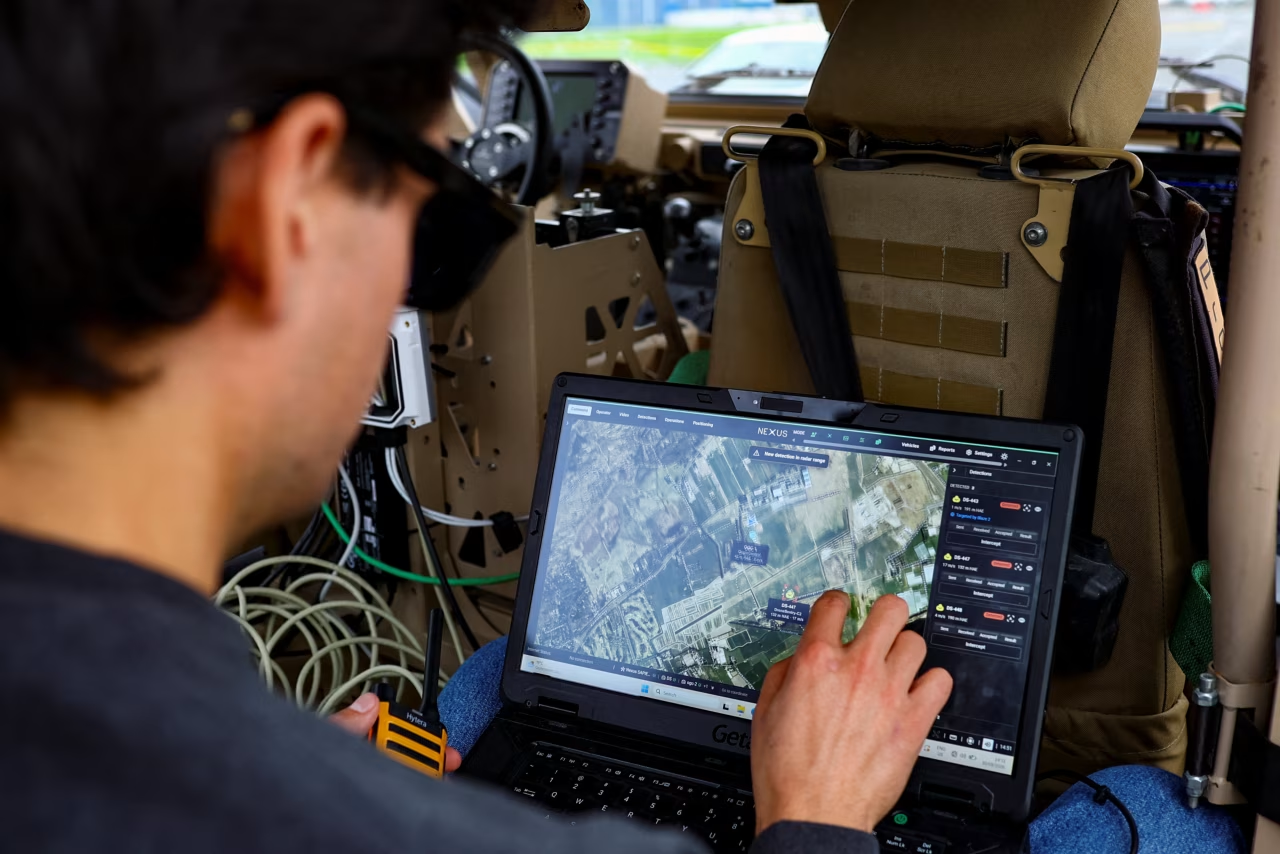
9月30日,在荷兰卡特韦克安泽,一名战斗队长在飞行测试中对由人工智能驱动的“枢纽”系统进行指令测试。
A battle captain tests commands on the AI-powered Nexus system during flight tests in Katwijk aan Zee, Netherlands, Sept. 30.
吉利安·凯·梅尔基奥尔10月21日的评论文章《乌克兰“杀戮区”成AI试验场》聚焦于人工智能让武器更具杀伤力的能力。但人工智能对军事领域最大的贡献,最终可能是让常规战争过时。
Piroschka Van De Wouw Jillian Kay Melchior’s op-ed “The Ukraine ‘Kill Zone’ Is AI’s Testing Ground” (Oct. 21) focuses on artificial intelligence’s ability to make weapons more effective. But AI’s greatest military contribution may ultimately be making conventional warfare obsolete.
人工智能不再是通过杀伤士兵、摧毁财产,而是可能越来越多地通过扰乱经济活动、军事生产、后勤补给、通信和金融系统,来影响对手持续作战的能力和意愿。这种能力也可能造成危险的平民后果,因此克制和可逆性至关重要。
Rather than killing soldiers and destroying property, AI could increasingly influence an adversary’s capacity and willingness to continue fighting by disrupting economic activity, military production, logistics, communications and financial systems. Such capabilities could also create dangerous civilian consequences, making restraint and reversibility essential.