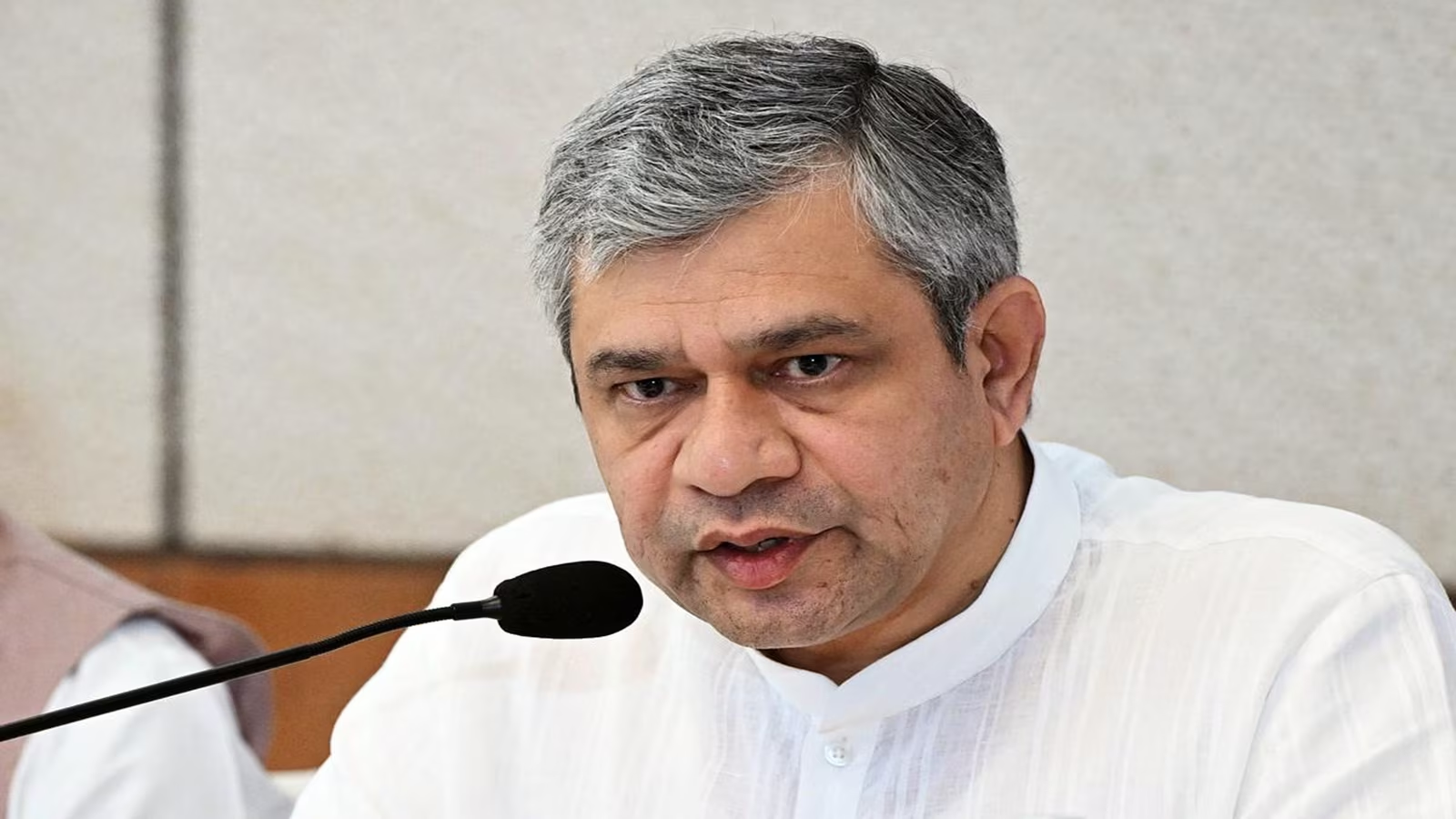
电子与信息技术部长阿什维尼·瓦伊什瑙周三驳回了关于《数字个人数据保护法》(DPDP法案)可能限制调查性新闻报道的担忧,坚称宪法对新闻自由的保障仍然至高无上,并邀请编辑和媒体从业者与政府讨论他们的顾虑。
Information Technology Minister Ashwini Vaishnaw on Wednesday rejected concerns that the Digital Personal Data Protection (DPDP) Act could constrain investigative journalism, asserting that the Constitution’s guarantee of press freedom remains paramount and inviting editors and media professionals to discuss their concerns with the government. "Journalistic freedom is guaranteed by the Constitution of India.
“新闻自由由印度宪法保障。这种自由完全存在。甚至没有影响新闻自由的意图,”瓦伊什瑙表示,并坚称该隐私法充分维护了宪法对媒体独立性的保障。
That freedom is absolutely available. There is not even an intention to affect the journalistic freedom," Vaishnaw said, maintaining that the privacy law fully preserves the constitutional guarantee of media independence.
“对此不应有任何疑虑,”他补充说,如果需要任何澄清或纠正措施,政府愿意听取担忧并考虑建议。
"There should be no doubt about it," he said, adding that the government was willing to hear concerns and consider suggestions if any clarification or corrective action was needed.
“我邀请所有编辑、媒体人士前来与我们进行清晰、公开的对话。我们将非常乐意解释,如果有任何疑虑,我们乐意记录在案任何建议,并在有需要时采取行动,”身兼新闻与广播部长的瓦伊什瑙说。
"I am inviting all editors, media persons to come and have a clear, open dialogue with us. We will be very happy to explain, and if there is any doubt, we are happy to take on record any suggestion and act if there is a need to,” said Vaishnaw, who is also the Information and Broadcasting Minister.
这位部长的言论是在新闻出版商就该法律对公共利益报道潜在影响提起法律挑战之际发表的。出版商辩称,缺乏针对新闻活动的明确豁免条款,可能会使涉及未经当事人同意收集个人信息的调查变得复杂,同时引发对保密消息来源和保留与公共利益报道相关材料的担忧。
The minister’s remarks came amid a legal challenge by news publishers over the law’s potential implications for reporting on matters of public interest. Publishers have argued that the absence of an explicit exemption for journalistic activities could complicate investigations involving personal information collected without the consent of the individuals concerned, while raising concerns about confidential sources and the retention of material relevant to public-interest reporting.
另有消息人士透露,政府将乐于修改法律,以明确保障新闻活动并回应担忧。瓦伊什瑙未提及任何修正案。
Separately, sources indicated that the government would be open to amending the law to explicitly safeguard journalistic activity and address concerns. Vaishnaw did not speak about any amendments.
瓦伊什瑙表示,《数字个人数据保护法》(DPDP Act)是在最高法院作出承认隐私权为基本权利的判决之后制定的,并经过了为期一年多的磋商,参与方包括报纸、电视频道、媒体代表、信息技术行业及其他利益相关方。
Vaishnaw said the DPDP Act followed a Supreme Court judgment recognising the right to privacy as a fundamental right and was framed after more than a year of consultations involving newspapers, television channels, media representatives, the information technology industry and other stakeholders.
他说:“隐私法的颁布是最高法院判决的结果,在该判决中,隐私权被界定为一项基本权利。”他补充说,议会实际上已将该判决转化为立法。
"The privacy laws have been enacted as a consequence of the Supreme Court’s judgment, where the right to privacy was defined as a fundamental right,” he said. Parliament had, in effect, translated that judgment into legislation, he added.
瓦伊什瑙表示,在磋商过程中,政府已解释该立法不会损害新闻自由。
During the consultation process, the government had explained that the legislation would not undermine press freedom, Vaishnaw said.
他说:“已明确解释,《数字个人数据保护法》的条款绝不侵犯新闻自由、新闻业和媒体自由。”
"It was clearly explained that provisions of the DPDP Act nowhere infringe upon freedom of the press, journalism and freedom of media,” he said.
他主张,宪法对新闻自由的保障不能被数据保护立法所凌驾,并将私人信息的滥用与其在新闻工作中的合理使用区分开来。
He argued that the constitutional guarantee of press freedom could not be overridden by data-protection legislation, distinguishing the misuse of private information from its legitimate use in journalism.
他说:“数据隐私并不意味着你不能将某事曝光为新闻。那不是数据隐私的含义。”
"Data privacy does not mean you can’t break something into news. That is not the meaning of data privacy," he said.
“记者的自由源于宪法。宪法的这一权力不能被任何法律削弱。”一位政府消息人士在不具名条件下表示,如果认为有必要为新闻业提供明确的法定保护,可能会考虑修正案。
"Freedom for journalists comes from the constitution. That power of the Constitution cannot be diminished by any law." A government source, speaking on the condition that the remarks not be attributed, indicated that an amendment could be considered if an explicit statutory safeguard for journalism were deemed necessary.
当被问及政府是否愿意将此类保护直接写入法律时,该消息人士表示修正案是可能的,且中央政府愿意讨论此事。
Asked whether the government would be open to writing such a protection directly into the law, the source said an amendment was possible and that the Centre was willing to discuss the matter.
争议不仅集中在政府的既定意图上,还在于该法律是否为新闻工作提供了足够清晰的法律保护。出版商主张,明确的豁免条款将减少关于通知、同意及个人数据处理等要求如何适用于调查性报道的不确定性。
The dispute centres not only on the government’s stated intent but also on whether the law provides sufficiently clear legal protection for journalistic work. Publishers contend that an explicit exemption would reduce uncertainty over how requirements relating to notice, consent and the processing of personal data might apply to investigative reporting.
该消息人士还主张,隐私权应在法律和宪法的语境下加以理解,而不应被视为对个人信息使用的全面禁止。
The source also argued that the right to privacy should be understood in the context of the law and the Constitution, rather than as a blanket prohibition on the use of personal information.
瓦伊什诺表示,他熟悉隐私框架的立法历程,曾在出任部长主导该法案重新起草前,参与过议会对早期版本立法的审议。他说,新闻自由在该过程中曾是一个考量因素。
Vaishnaw said he was familiar with the legislative history of the privacy framework, having been involved in parliamentary deliberations on earlier versions of the legislation before taking charge of its redrafting as minister. He said press freedom had been a consideration during that process.
提及早前与编辑公会的讨论时,他说政府已解释为何认为该法律并未限制新闻自由,并重申愿意正式会见编辑们。
Referring to earlier discussions with the Editors Guild, he said the government had explained why it believed the law did not restrict journalistic freedom, and reiterated his willingness to meet editors formally.