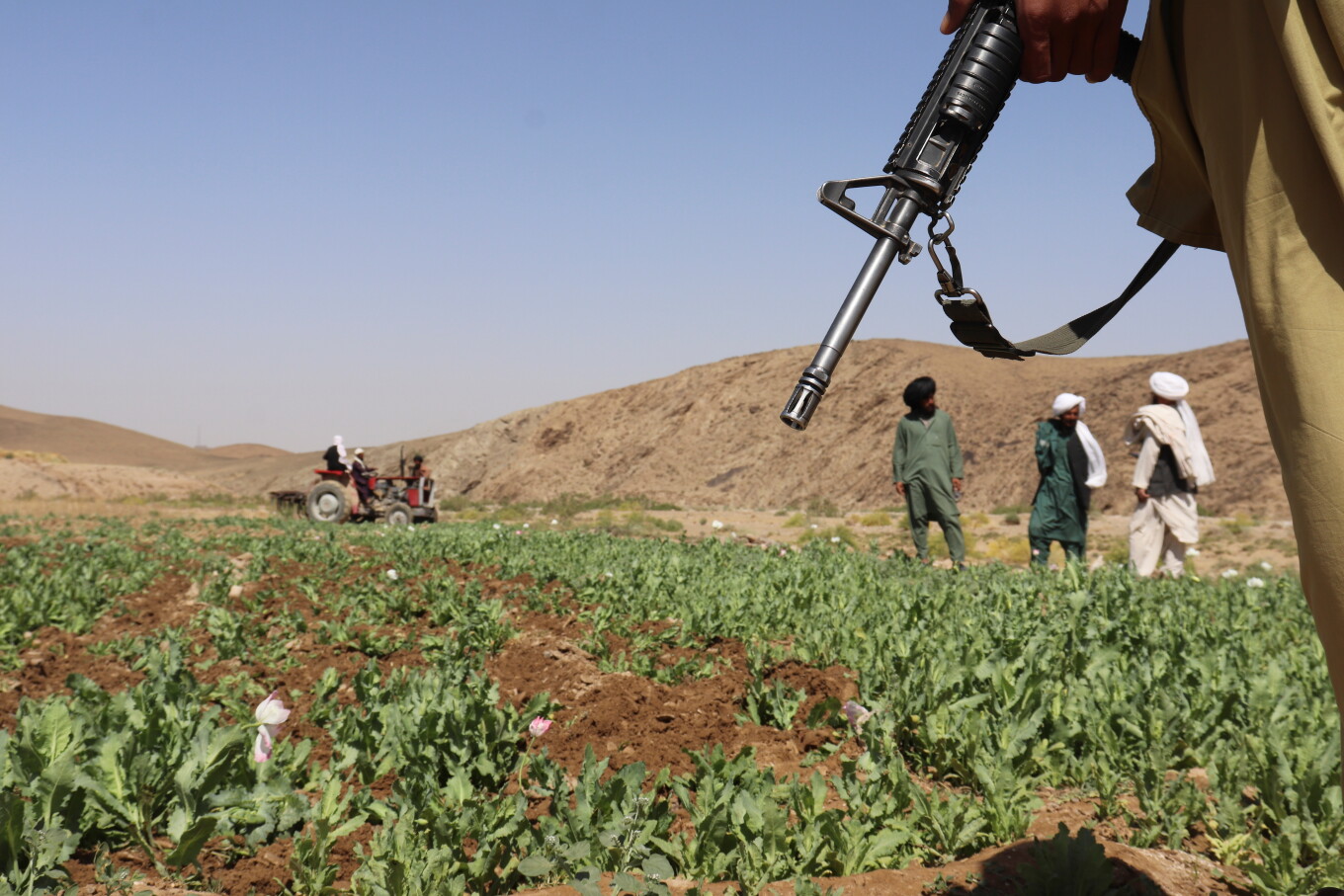
阿富汗喀布尔——联合国毒品和犯罪问题办公室于周四表示,在过去一年中,阿富汗的罂粟种植和鸦片产量急剧上升,并称这是自该国塔利班统治者于2022年实施毒品禁令以来的首次显著增加。
KABUL, Afghanistan — Poppy cultivation and opium production in Afghanistan rose sharply over the past year, the United Nations Office on Drugs and Crime said on Thursday, describing it as the first significant increase since the country’s Taliban rulers imposed a narcotics ban in 2022.
该机构将这一增长归因于日益加深的贫困,并表示贫困迫使一些农民秘密种植鸦片。该机构呼吁国际社会向农民提供更多支持,以帮助减少对非法作物的依赖。
The agency attributed the rise to deepening poverty, which it said has driven some farmers to cultivate opium clandestinely. It called on the international community to provide greater support to farmers to help curb reliance on illicit crops.
当塔利班于2021年8月夺取政权时,阿富汗是全球最大的鸦片生产国,也是欧洲和亚洲海洛因的主要来源地。他们承诺消灭该国的毒品种植产业,并于2022年4月实施了正式禁令,这给依赖该作物收益维生的数十万农民和日薪劳工沉重打击。
Afghanistan was the world’s biggest opium producer and a major source of heroin in Europe and Asia when the Taliban seized power in August 2021. They pledged to wipe out the country’s drug cultivation industry and imposed a formal ban in April 2022, dealing a heavy blow to hundreds of thousands of farmers and day laborers who relied on proceeds from the crop to survive.
联合国机构表示,与去年相比,种植面积增加了330%,产量增400%。该机构称,种植面积从前一年的1万公顷(合2.47万英亩)增加到2026年的4.3万多公顷(合10.6万英亩)。
The U.N. agency said cultivation was up 330% and production rose by 400% compared to last year. Cultivation rose to more than 43,000 hectares (106,000 acres) in 2026 from 10,000 hectares (24,700 acres) a year earlier, it said.
报告称,农民们将小块罂粟地隐藏在谷物田里或有围墙的院落内,以逃避搜查。
Farmers were concealing small poppy plots within cereal fields or inside walled compounds to evade detection, the report said.
一份声明援引该机构执行主任莫妮卡·朱马的话说:“鸦片罂粟种植量增加四倍,表明当贫困农民没有养家糊口的替代选择时,要维持非法鸦片种植量下降是何等困难。”
“The fourfold increase in opium poppy cultivation shows the difficulty in sustaining decreases in illicit opium cultivation when poor farmers have no alternatives to feed their families,” a statement quoted the agency’s executive director, Monica Juma, as saying.
她补充说:“(塔利班当局)和国际社会需要共同努力,通过投资生计、农业基础设施和市场准入来支持农业社区。”
“The (Taliban authorities) and the international community need to work together to support farming communities by investing in livelihoods, farming infrastructure and access to markets,” she added.
联合国机构表示,尽管种植和生产水平仍低于2022年禁令实施前的水平,但这一增幅是禁令生效以来的最高纪录。该机构表示,由于现在判断这一增幅是暂时的还是鸦片种植和生产复苏的迹象还为时过早,因此需要继续进行监测。
The U.N. agency said that while cultivation and production remained below levels prior to the 2022 narcotics ban, the increase was the highest since the ban came into effect. The agency said that continued monitoring was required as it was too early to determine whether the increase was temporary or an indication of the resurgence in opium cultivation and production.
外交部长阿米尔·汗·穆塔基周二将打击毒品形容为塔利班政权最大的成就之一。不过他也表示,国际社会在控制毒品问题上发挥着一定作用。
Foreign Minister Amir Khan Muttaqi on Tuesday described the fight against narcotics as one of the Taliban administration’s greatest achievements. He however, also said the international community has a role to play to keep the drugs issue under control.
穆塔基说:“有效打击这一现象是阿富汗和国际社会的共同责任。除了安全措施之外,至关重要的是支持农民的替代生计,为饱受毒瘾困扰的人提供治疗,并加强打击贩毒网络的区域和国际合作。”
“An effective fight against this phenomenon is a shared responsibility of both Afghanistan and the international community,” Muttaqi said. “It is essential alongside security measures to support alternative livelihoods for farmers, provide treatment for those struggling with addiction, and enhance regional and international cooperation against drug-trafficking networks.”