东京 —— 日本计划利用水下无人机监视外国潜艇,旨在减轻防卫人员的负担与风险,并强化对中国日益壮大舰队的威慑。
TOKYO -- Japan plans to use underwater drones to monitor foreign submarines, seeking to ease the burdens and risks for defense personnel and enhance deterrence against China's growing fleet.
防卫省将于下一财政年度启动侦察与攻击用无人机量产研究。该项目已列入2027财年预算要求,但未标明具体资金数额。
The Defense Ministry will begin research next fiscal year on mass-producing drones for detection and offensive purposes. It included this item in the fiscal 2027 budget request without specifying a funding amount.
届时将选定日本企业参与开发计划,目标是在2035财年前完成原型机研制。
Japanese companies will be selected for the development program that fiscal year, aiming to create prototypes by fiscal 2035.
日本一直在研发用于监视水面舰艇和飞机的无人机技术,如今计划将研究范围拓展至水下领域,以应对潜艇威胁。
Japan has been developing drone technology for monitoring surface vessels and aircraft. It now looks to expand its research underwater to deal with submarines.
此举旨在应对中国在日本周边海域日益活跃的行动。中国拥有约60艘现代化潜艇,数量几乎是日本海上自卫队的三倍。其拥有核动力潜艇,使其进攻优势超越单纯的舰队数量。
This is intended to address China's increasingly active operations in waters surrounding Japan. China has about 60 modern submarines, nearly three times as many as Japan's Maritime Self-Defense Force. Its possession of nuclear-powered submarines increases its offensive edge beyond the fleet count.
海上自卫队利用潜艇和巡逻机监视日本周边海域与领空。但现行体制涉及繁重的长期任务,且面临遭受敌方攻击的风险。
The MSDF monitors the seas and airspace around Japan using submarines and patrol aircraft. But the current setup involves onerous long-term missions and the risk of enemy attack.
日本政府计划在今年修订三份关键安保文件时,纳入扩大使用无人载具的内容。价格低廉、可量产的无人机将被用于对抗大型潜艇等威胁。
The Japanese government plans to include expanded use of unmanned vehicles in revisions to three key security documents this year. Drones, which are inexpensive and can be mass-produced, will be used to counter large submarines and other threats.
无人机携带设备的能力有限,单架无人机难以独立完成搜寻与攻击外国潜艇的任务。此类任务通常派遣多架无人机执行,每架分工明确。
Drones are limited in the amount of equipment they can carry, making it difficult for a single drone to locate and attack a foreign submarine. Multiple drones are typically sent on such missions, with each assigned a specific role.
新型无人机将采用共通设计的核心部件,如螺旋桨。仅根据任务需求,单独制造并更换侦察或发射鱼雷等专用设备。与分别准备侦察用和攻击用无人机相比,这将提高作业效率。
The new drones will share a common design for essential components, such as propellers. Only the equipment required for each mission, such as detection or torpedo launch, will be individually manufactured and replaced. This will increase operational efficiency compared with preparing separate drones for reconnaissance and attack purposes.
导航所需的通用部件可使用相同的生产设备制造,这降低了成本并便于大规模生产。维护和替换部件的采购将更易于管理。这将使维修工作能够着眼于大规模生产和长期运行。海上自卫队在招募潜艇乘组人员方面面临困难。
Common components needed for navigation can be made with the same production equipment, which reduces costs and facilitates mass production. Maintenance and procurement of replacement parts will be easier to manage. This will enable repairs to be made with mass production and long-term operation in mind. The Maritime Self-Defense Force is struggling to recruit personnel for submarine crews.
© 共同社 自卫队在招募人员方面举步维艰。特别是申请加入潜艇乘组的人员减少,因为潜艇必须执行长期部署任务。预计使用无人水下航行器将减轻人员负担。
© Kyodo The Self-Defense Forces are struggling to bring in personnel. In particular, fewer people are applying to submarine crews, which must go on long deployments. The use of unmanned underwater vehicles is expected to reduce the burden on personnel.
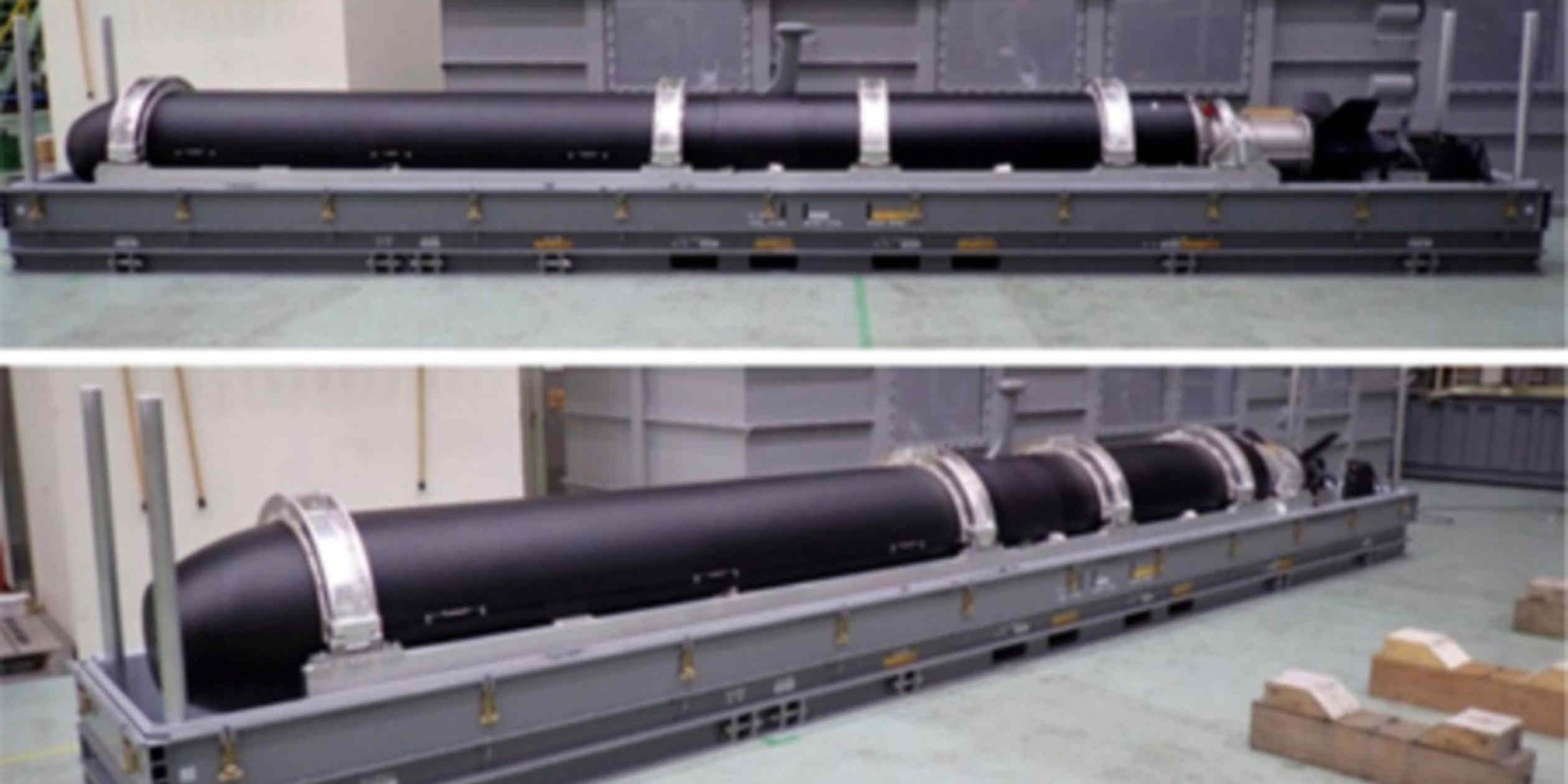
目前,海上自卫队的无人水下航行器主要用于扫雷。三菱重工业已制造出演示用无人机,其搭载的传感器等部件可根据任务进行更换。
MSDF unmanned underwater vehicles are now used primarily for mine clearance. Mitsubishi Heavy Industries has created demonstration drones with sensors and other components that can be swapped out depending on the mission.
日本工程公司IHI已向防卫省交付自主型水下航行器。川崎重工业拥有水下充电技术。
Japanese engineering company IHI has delivered autonomous underwater vehicles to the Defense Ministry. Kawasaki Heavy Industries has technology for underwater charging.
乌克兰战争和伊朗战争大量使用了廉价、可大规模部署的无人机。日本修订后的安保文件将要求加速开发适应这种新作战方式的系统。
The Ukraine and Iran wars have made heavy use of inexpensive, mass-deployable drones. Japan's revised security documents will call for accelerating development of systems for this new method of fighting.
防卫省计划到2031年度开发用于小型无人机探测外国潜艇的传感器。这将结合水下无人机,实现无需人员参与的监视与监控。
The Defense Ministry plans to develop sensors by fiscal 2031 for small drones to detect foreign submarines. This, in conjunction with underwater drones, will enable surveillance and monitoring without human involvement.