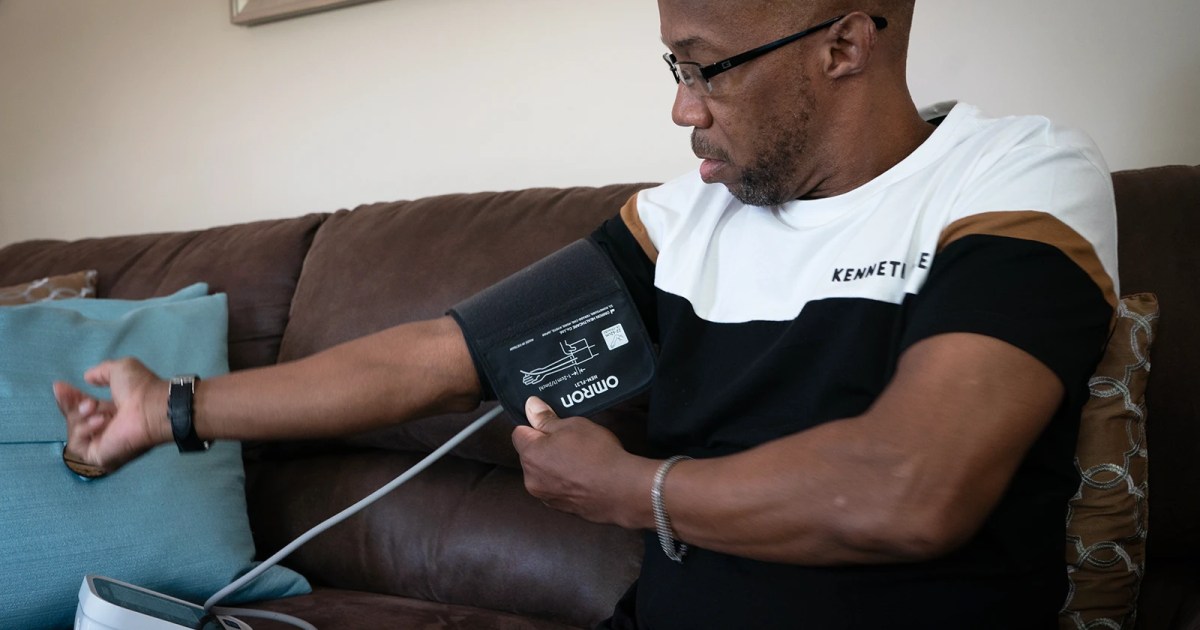
在梅赫梅特·奥兹的领导下,医疗保险和医疗补助服务中心(CMS)正寻求大幅限制传统医疗保险参保人使用远程监测设备来管理健康状况。一项拟议规则将取消对这些服务的覆盖,除非服务是在医生办公室提供的。该规则将特别损害难以前往现场就诊的参保人,例如农村地区的老年人。它还将削弱共和党为缓解去年“大而美法案”危害所做的一项关键努力。
Under the leadership of Mehmet Oz, the Centers for Medicare & Medicaid Services, or CMS, is seeking to heavily restrict traditional Medicare enrollees’ use of remote monitoring devices for their health conditions. A proposed rule would eliminate coverage for these services unless the service is provided at a physician’s office. This rule would particularly hurt enrollees who have difficulty traveling to in-person appointments, such as rural seniors. And it would undercut a key Republican effort to alleviate the harms of last year’s “big, beautiful bill.”
远程监测项目允许患者自行收集健康数据(如自测血压、血氧水平或血糖),并将数据传输给医疗服务提供者,后者可利用这些信息帮助管理患者健康。这些项目不仅方便,还能更容易地在病情恶化成紧急情况前,主动管理慢性病。患者和提供者无需依赖预约就诊时的单一数据点,也不必等到病情加重才采取行动。
Remote monitoring programs allow patients to collect their health data themselves (such as taking their own blood pressure, oxygen levels or blood sugar) and transmit the data to healthcare providers, who can use the information to help manage the patient’s health. These programs aren’t just convenient; they make it easier to proactively manage chronic diseases before there is an emergency. Patients and providers don’t have to rely on a single data point at a scheduled appointment or waiting until the condition worsens.
因此,对远程监测的依赖近年来不断扩大。仅2024年,就有近100万医疗保险参保人接受了此类服务。远程监测对患有慢性病但面临现场就诊障碍的人群尤为宝贵。例如,农村社区和医疗专业人员短缺地区的居民,无需像以前那样频繁长途跋涉前往就诊。交通是健康的关键社会决定因素,如果视力不佳或行动不便,现场就诊将尤为困难。
Consequently, reliance on remote monitoring has expanded in recent years. Almost 1 million Medicare enrollees received it in 2024 alone. Remote monitoring has proved particularly valuable to those who have chronic medical conditions but face obstacles to in-person appointments. For instance, residents in rural communities and areas with shortages of health professionals don’t need to travel long distances for appointments as frequently. Transportation is a critical social determinant of health, and if one has poor vision or limited mobility, in-person appointments are especially challenging.
为了证明新限制的合理性,CMS 引用了卫生与公众服务部(HHS)监察长 2025 年的一份报告。该报告的调查结果对可疑的账单做法以及患者未能接受治疗提出了担忧。但报告呼吁采取审慎的方法:加强对账单的监控,同时保留 Medicare 参保人从该计划中受益的能力。CMS 的做法则要激进得多:由于大多数医疗机构缺乏精力启动和监管自己的远程监测项目,要求该服务必须由医生办公室的人员提供,实际上取消了这项福利。简而言之,HHS 监察长建议用手术刀,CMS 却要用大锤。
To justify the new restrictions, the CMS cites a 2025 report by the Department of Health and Human Services’ inspector general. Those findings raised concerns about suspicious billing practices and patients not receiving treatment. But the report called for a measured approach: closer monitoring of billing while preserving Medicare enrollees’ ability to benefit from this program. CMS would go much further: Because most medical practices lack the bandwidth to launch and oversee their own remote monitoring programs, requiring the service to be provided by someone at a physician’s office practically eliminates the benefit. In short, where the HHS inspector general suggested a scalpel, CMS would use a hammer.

已经有一个两党众议员小组呼吁奥兹重新考虑这项规定,但这符合特朗普政府悄悄开展、旨在削弱 Medicare 效力的更广泛行动背景。
Already, a bipartisan group of House members is calling on Oz to reconsider the rule, but it fits within a broader context of the Trump administration’s quiet campaign to curtail Medicare’s effectiveness.
公众的关注大多集中在 H.R. 1 法案——特朗普称之为“宏伟壮观的法案”——对 Medicaid 的严厉削减上,但该法案还触发了 2026 年至 2034 年间自动从 Medicare 削减 5000 亿美元。该法案还将原已敲定、旨在帮助极低收入 Medicare 参保人进入可帮助支付保费和福利成本分担项目的规则,推迟到 2034 年底才实施。
Much of the attention on H.R. 1 — what Trump called the “big, beautiful bill” — focused on its draconian cuts to Medicaid, but the law also triggered an automatic $500 billion cut from Medicare between 2026 and 2034. The law also delayed until late 2034 the implementation of finalized rules that would help very low-income Medicare enrollees access programs to help cover premiums and cost-sharing of benefits.
此后,CMS 允许一项 Medicare D 部分处方药费用补贴项目到期失效。并推出了一项在六个州开展的试点项目,利用人工智能审查处方护理的医疗必要性。这种做法也称为事先授权,此前在传统 Medicare 中极少使用。该试点项目已经导致护理出现显著延误。
Since then, CMS has allowed a subsidy program for Medicare Part D prescription-drug costs to expire. And it introduced a pilot program in six states that uses artificial intelligence to review the medical necessity of prescribed care. The practice, also known as prior authorization, previously was rarely used in traditional Medicare. The pilot program has already resulted in significant delays in care.
然而,考虑到这项“宏伟美好法案”是如何出台的,CMS 的新提案显得尤为耐人寻味。为遏制该法案削减开支预计将给农村社区带来的所谓“失血”,共和党人设立了一项 500 亿美元的农村医疗基金。技术创新是这项被称为“农村医疗转型计划”(RHTP)的核心支柱之一。
The new CMS proposal, however, is particularly curious in light of how the “big, beautiful bill” came to be. To stanch the proverbial bleeding that rural communities are projected to face from the bill’s cuts, Republicans created a $50 billion fund for rural healthcare. Technological innovation was a central pillar of this effort, known as the Rural Health Transformation Program.
限制远程监测绝非促进创新技术,其影响将在未来几年显现。与 H.R. 1 法案的医疗补助削减相比,RHTP 只是杯水车薪,难以阻止农村医院或关键医院服务的关闭。一旦农村医院关闭,无论患者参保的是医疗补助还是医疗保险,前往下一家医院的平均车程都会增加 20 到 40 英里 —— 这使得在家监测健康状况的能力显得愈发重要。
Restricting remote monitoring does anything but foster innovative technologies. And the effects will be felt in the years to come. The RHTP is a relative pittance compared to H.R. 1’s Medicaid cuts and will do little to prevent closures of rural hospitals or key hospital services. And when a rural hospital closes, the driving time to the next hospital increases by 20 to 40 miles on average, regardless of whether one is on Medicaid or Medicare — which makes the ability to monitor one’s health at home all the more important.
尽管远程监测项目并不完美,理应接受监管,但它们有助于为通常医疗资源匮乏的地区提供医疗服务。此外,通过促进早期发现,这些项目能带来更好的患者预后,从而降低治疗成本。换言之,远程监测对患者和医疗体系自身均有裨益。
While remote monitoring programs are imperfect and deserve oversight, they help provide healthcare in typically underserved areas. What’s more, by facilitating earlier detection, these programs can result in better patient outcomes, which are less costly to treat. In other words, remote monitoring is good for patients and for the healthcare system itself.
与社会保障一样,医疗保险被视为美国政治的“第三根高压线”。该计划不仅广受欢迎,而且老年人(约占其参保人 90%)投票率极高,年轻选民也倾向于保护该计划,以便自己年老时能享受福利。医疗保险缩减的政治后果,最终可能不如削减医疗项目的实际后果那样显而易见。民选官员深知削减医疗保险开支的政治代价。
Along with Social Security, Medicare is considered the “third rail” of American politics. Not only is the program popular, but seniors (roughly 90% of its enrollees) vote at high rates, and younger voters prefer to protect the program for when they age into it. The politics of Medicare retrenchment may ultimately prove to be less visible than the consequences of slashing health programs. Elected officials understand the political costs of reducing Medicare spending.
然而,在奥兹的领导下,医疗保险和医疗补助服务中心(CMS)正通过一系列行政决策,展示如何在保留覆盖面假象的同时削弱就医渠道,从而削弱医疗保险。医疗保险最大的脆弱性,或许不在于公开的削减,而在于老年人指望已久的福利被悄然侵蚀。
Yet under Oz’s leadership, CMS is demonstrating how to weaken Medicare through a series of administrative decisions that preserve the appearance of coverage while weakening access to care. Medicare’s greatest vulnerability may not be outright cuts, but rather the quiet erosion of the benefits on which seniors have been counting.