中国大型银行报告称,其季度利润增幅创近年新高,因不良贷款得到控制,净息差从历史低位回升。
China’s mega banks reported their biggest quarterly profit increases in recent years as they reined in bad loans and interest margins recovered from record lows.
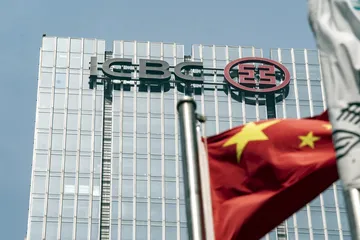
作为全国最大贷款机构,中国工商银行股份有限公司第三季度利润增长10%至1119.6亿元人民币(约合168亿美元)。这是五年来最大增幅。
At Industrial & Commercial Bank of China Ltd., the nation’s largest lender, profit in the third quarter rose 10% to 111.96 billion yuan ($16.8 billion). That was the biggest gain in five years.
中国农业银行股份有限公司净利润增长11%,交通银行股份有限公司增幅为10.1%。中国建设银行股份有限公司增幅为9.8%,中国银行股份有限公司增幅为6.4%。
Net income at Agricultural Bank of China Ltd. rose 11% and Bank of Communications Co. saw a rise of 10.1%,. China Construction Bank Corp. posted an 9.8% increase and Bank of China Ltd. reported a 6.4% gain.
这一表现表明,国有商业银行行业的盈利紧缩最困难时期可能已过去。多年来,这些银行一直在承担支持经济放缓和持续房地产低迷的财务成本。
The performance suggests the worst of the profitability crunch may be behind the state commercial banking sector, which has spent years absorbing the financial costs of supporting a slowing economy and an ongoing real estate downturn.
国有银行作为经济减震器发挥了核心作用,下调房贷利率,向陷入困境的房地产开发商提供信贷,并向政府支持的制造业和绿色能源领域投放贷款。
State banks have played a central role as economic shock absorbers, trimming mortgage rates, extending credit to troubled property developers, and pumping loans into government-backed manufacturing and green energy sectors.
这一使命导致净息差大幅下降,使全行业息差远低于监管部门历史上视为维持健康资本充足率所必需的1.8%门槛。
That mandate triggered sharp declines in net interest margins, driving industry-wide margins well below the 1.8% threshold historically viewed by regulators as necessary to sustain healthy capitalization.
工商银行的净息差——盈利能力的关键指标——改善1个基点至1.29%,此前曾大幅下滑。
ICBC’s net interest margin, a key gauge of profitability, improved 1 basis point to 1.29%, after posting steep drops earlier.
主要贷款机构的资产质量基本保持稳定,不良贷款率维持在可控水平。
Asset quality held largely steady across the major lenders, with bad-loan ratios remaining contained.
北京正为其国有金融巨头提供新一轮资本支持,财政部发行3000亿元人民币特别国债,为包括工商银行和农业银行在内的八家机构补充核心一级资本。这两家银行计划合计募资最多2600亿元,大部分由财政部提供。
Beijing is providing another round of capital support for its state-backed financial giants, with the Ministry of Finance selling 300 billion yuan in special bonds to replenish core Tier 1 capital at eight institutions, including ICBC and Agricultural Bank. The two lenders plan to raise as much as 260 billion yuan combined, with the bulk provided by the ministry.
此举继2025年5200亿元的资本补充之后,意味着中国六大国有银行均已获得支持。
The move follows a 520 billion yuan recapitalization in 2025, meaning all six of China’s biggest state lenders have now received support.
对于中国银行业而言,核心挑战在于从资本充足率转向资本生产率。在经历多年资产负债表快速扩张和新一轮国家支持的资本补充后,贷款机构现在必须证明,它们能够在不承担过度信贷或市场风险的情况下,将更厚的资本缓冲转化为可持续的净资产收益率。
For China’s banking sector, the core challenge is pivoting from capital adequacy to capital productivity. Following years of rapid balance-sheet expansion and fresh rounds of state-backed recapitalization, lenders must now prove they can convert thicker buffers into sustainable returns on equity without taking on outsized credit or market risk.