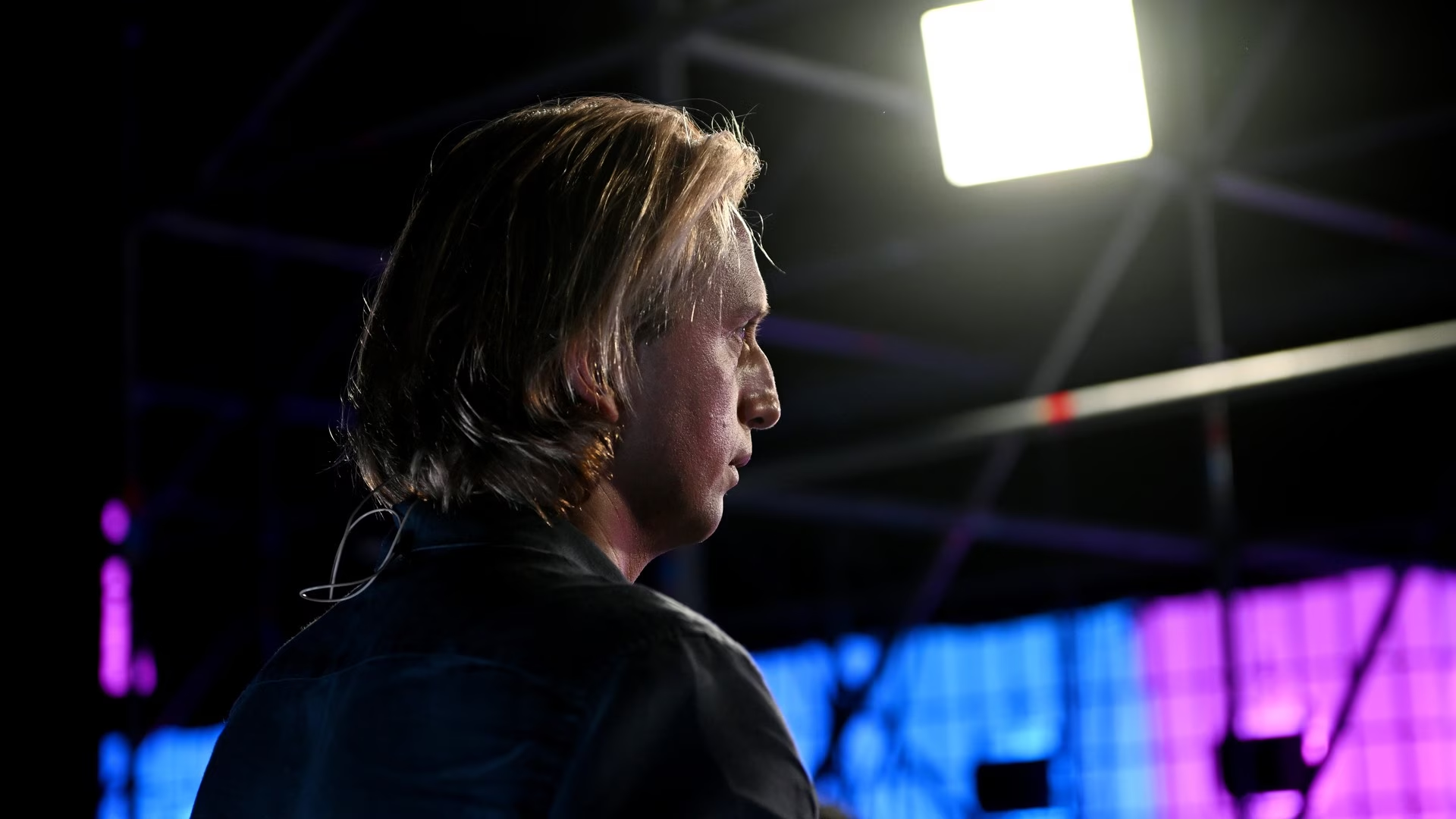
Revolut首席执行官尼克·斯托龙斯基(Nik Storonsky)一轮融资一轮融资地将风险投资人挤出了公司董事会。他在接受大卫·森拉(David Senra)的播客采访时表示,他希望其他创始人也能把风投拒之董事会门外。
Revolut chief executive Nik Storonsky has pushed venture capital investors off his company’s board, one funding round at a time. He wants other founders to keep VCs out of the boardroom too, he told David Senra in a podcast interview.
斯托龙斯基将董事会里的风投比作试图亲自上场踢球的足球啦啦队。该访谈发布在YouTube上,森拉的网站上有完整逐字稿。估值1150亿美元的Revolut在38个国家开展业务。
Storonsky compared VCs on boards to football cheerleaders who try to play the match. The interview is on YouTube, with a full transcript on Senra’s site. Revolut, valued at $115bn, operates in 38 countries.
斯托龙斯基说:“很早我就意识到,相当一部分风投不太懂运营,如果他们掌握足够大的权力,实际上会对公司造成危害。”
“Pretty early on I realised that quite a few VCs are not very operational, and they can be actually dangerous for the company if they have enough power,” Storonsky said.
他说,因此在每一轮投资中,他都移除了风投,为此他甚至承担了损失。Revolut现在董事会里没有任何风投。他说,董事会应由亲手打造过企业的运营者组成。
So in every investment round, he removed VCs, and he took losses to do it, he said. Revolut now has no VCs on its board. Boards should be made up of operators who have built businesses, he said.
赛场上的啦啦队 斯托龙斯基说,12到13年前创办Revolut时,在欧洲融资很难。风投很少,许多投资者表现得像私募股权公司,“极其激进,极其重法律条款”。
Cheerleaders on the pitch When Storonsky started Revolut 12 to 13 years ago, raising money in Europe was hard, he said. There were few VCs, and many investors acted like private equity firms, “extremely aggressive, extremely legalistic”.
为了融资,创始人签下了苛刻条款:清算优先权(投资者优先拿回资金)、董事会席位,以及创始人更少的投票权。他说,一些早期Revolut投资者认为他们理应分享公司成功的大部分成果。
To raise, founders signed tough terms: liquidation preferences, which pay investors back first, board seats, and fewer voting rights for founders. Some early Revolut investors thought they deserved a large part of its success, he said.
斯托龙斯基说:“如果出了问题,你实际上拥有一群站在场边看比赛的啦啦队,他们却试图亲自上场踢这场比赛,而不是让职业球员来踢。那总是一场灾难。”
“If something goes wrong, you effectively have cheerleaders who look at the match and then they try to play this match instead of professional players. And that’s always disaster,” Storonsky said.
他说,风投的工作“容易得多”。风投从有限合伙人(基金的出资人)那里募集资金,“从不拿自己的钱冒险”,他说。他们几乎没人亲手建立过公司,坐在董事会里也教不会任何人如何经营公司。
He said a VC’s job is “so much easier” than running a company. VCs raise money from limited partners, the backers of their funds, and “never risk with their own money”, he said. Almost none of them have built a company, and sitting on boards does not teach anyone how to run one.
他给创始人的建议是仔细阅读股东协议。投资者应纯粹作为财务参与者,没有投票权,也没有席位坐在决策桌旁,他说。
His advice to founders is to read the shareholder agreement closely. Investors should be purely financial players, with no voting rights and no seat at the table where decisions are made, he said.
他忽视的建议 斯托伦斯基表示,他从风投那里得到的一些建议并不适合公司。风投建议他聘请经验丰富的高管。
The advice he ignored Some of the advice he got from VCs was wrong for the company, Storonsky said. VCs told him to hire experienced executives.
他说,在 Revolut 成立的前五年里,他聘请了 50 多位这样的高管,最后只留下了两位。他认为,最优秀的人已经“功成名就”,不会在求职市场上。他更倾向于聘请 25 至 30 岁、处于同龄人前 1% 的人才。
In Revolut’s first five years, he hired more than 50 of them and kept two, he said. The best people, he argued, have already “made it” and are not on the job market. He prefers to hire people aged 25 to 30 who are in the top 1% of their peers.
斯托伦斯基说,另一位他称为“相当不错的投资人”的人曾施压让他解雇他最得力的下属,理由是此人“太极端”。他拒绝了。“当然我没开除他。我说不,”他说。
Another investor, whom he called “quite a good investor”, pushed him to fire his best person for being “too hardcore”, Storonsky said. He refused. “Of course I didn’t fire him. I said no,” he said.
他说,支持该要求的投资人在他据理力争后退让了。他未透露这些投资人的姓名。
The investors who had backed the request stepped back after he fought them, he said. He did not name them.
自己的风投基金 斯托伦斯基表示,2022 年或 2023 年,他与一位在 330 亿美元估值下入股的知名投资人发生冲突。该投资人拥有法律权利,可阻止对 Revolut 股东协议的修改。
A VC fund of his own In 2022 or 2023, Storonsky clashed with a big-name investor that had come in at a $33bn valuation, he said. It had the legal right to block changes to Revolut’s shareholder agreement.
“我当时极其愤怒,心想,你知道吗,我也得在风投的业务上跟他们竞争,因为他们太烂了,”他说。
“I was extremely pissed off and I thought, you know what, I also need to compete with VCs in their business because they’re so bad,” he said.
结果就是 QuantumLight,这家风投公司用机器学习模型而非人工判断来挑选初创企业。他说,模型会在两到三年内选出 30 到 40 家公司,并对每家投入相同金额。
The result was QuantumLight, a venture firm that picks startups with machine learning models rather than human judgement. The models select 30 to 40 companies over two to three years and put the same amount into each, he said.
斯托伦斯基说,首只基金规模 2.5 亿美元,专注于 B 轮融资,已实现 56% 的内部收益率。他本人出资约占 20% 至 25%。QuantumLight 目前正在投资一只 5 亿美元的第二只基金。
The first fund, $250m for Series B rounds, has returned a 56% internal rate of return, Storonsky said. He put in about 20% to 25% of it himself. QuantumLight is now investing a $500m second fund.
模型使用的一个信号是支持初创企业的风投合伙人的年龄。他说,由 30 至 40 岁合伙人支持的公司表现最好,而超过 40 岁的合伙人则是一个警示信号。
One signal the models use is the age of the VC partner who backed a startup. Companies backed by partners aged 30 to 40 do best, and partners over 40 are a warning sign, he said.
QuantumLight 独立于 Revolut,后者是斯托伦斯基想打造成全球科技公司的业务。他说,该基金的目标类似于贝莱德,但在私募市场领域。
QuantumLight is separate from Revolut, which Storonsky wants to turn into a global tech company. He said the goal for the fund is something like BlackRock, but in private markets.