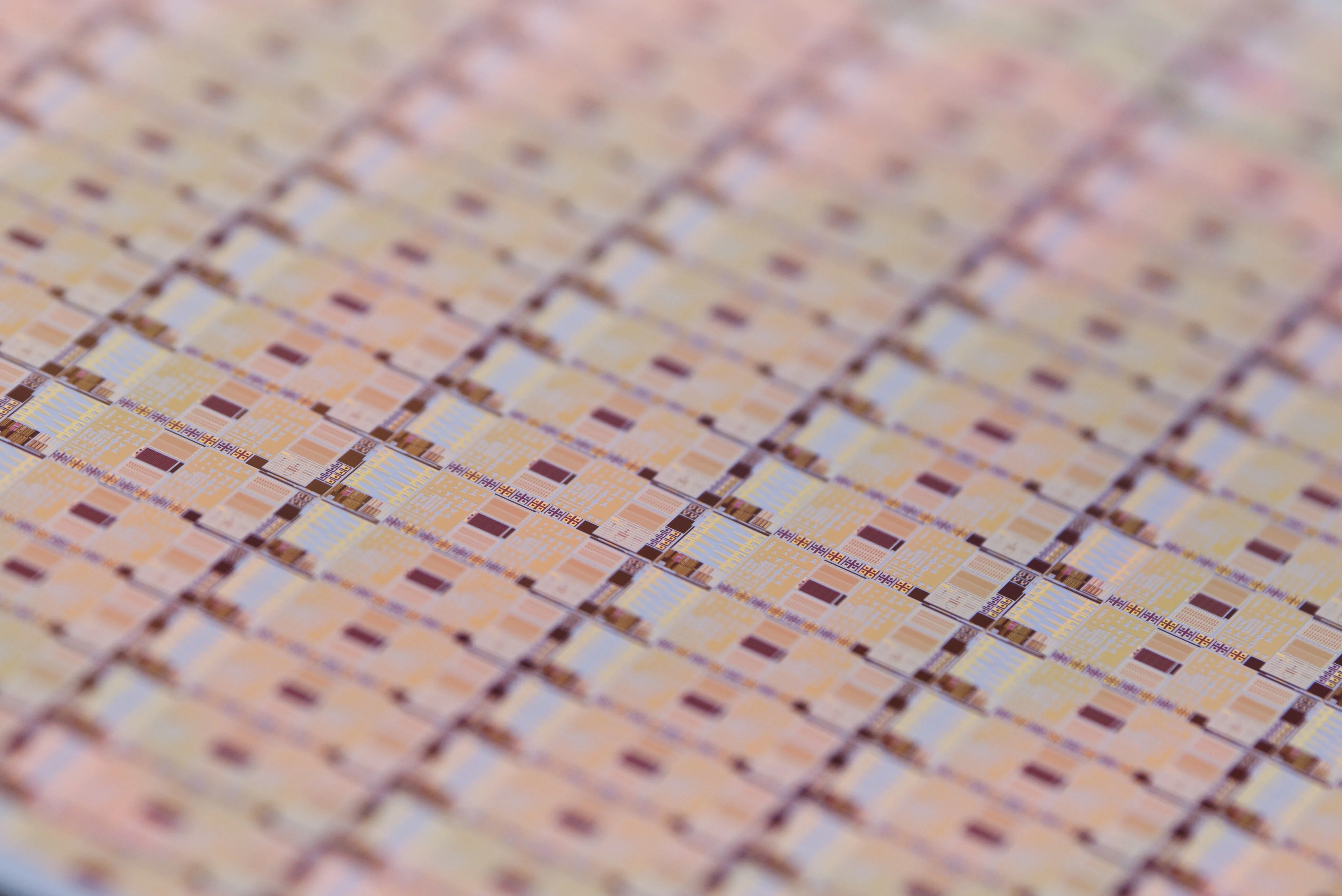
人工智能不再仅仅是全球半导体需求的驱动力,还正在积极重塑芯片的设计与制造方式,行业领袖和科学家周五在上海举行的一个大型科学论坛上表示。
Artificial intelligence is no longer merely the driving force behind global semiconductor demand, but is also actively reinventing how chips are designed and built, industry leaders and scientists said at a major science forum in Shanghai on Friday.
寒武纪科技联合创始人陈云基预测,AI与芯片设计的融合最终将实现芯片设计流程的全面自动化。
Chen Yunji, co-founder of AI chipmaker Cambricon Technologies, predicted that the integration between AI and chip design would eventually automate the chip design process entirely.
“未来10年最重要的发展……是人工智能的RSI(递归自我改进)技术,即AI模型改进AI模型,AI芯片改进AI芯片,”陈云基说。
“In the [next] 10 years, the most important development … is the RSI (recursive self-improvement) techniques for artificial intelligence, where AI models improve AI models, and AI chips improve AI chips,” Chen said.
“凭借RSI的潜力,未来有一天AI系统有可能自主设计出更好的芯片,进而催生出更好的AI系统,形成一个自我递归的循环。”据与会发言人介绍,这种变革已延伸至生产一线。中微半导体设备董事长陆光泉表示,工业AI已从生成文本演进为执行实体制造工艺。
“With the potential of RSI, it is possible that one day AI systems will autonomously design better chips, which leads to better AI systems in a self-recursive loop.”The transformation is already reaching the factory floor, according to the speakers. Lu Guangquan, chairman of Chinese semiconductor equipment maker Piotech, said industrial AI had evolved from generating text to executing physical fabrication processes.
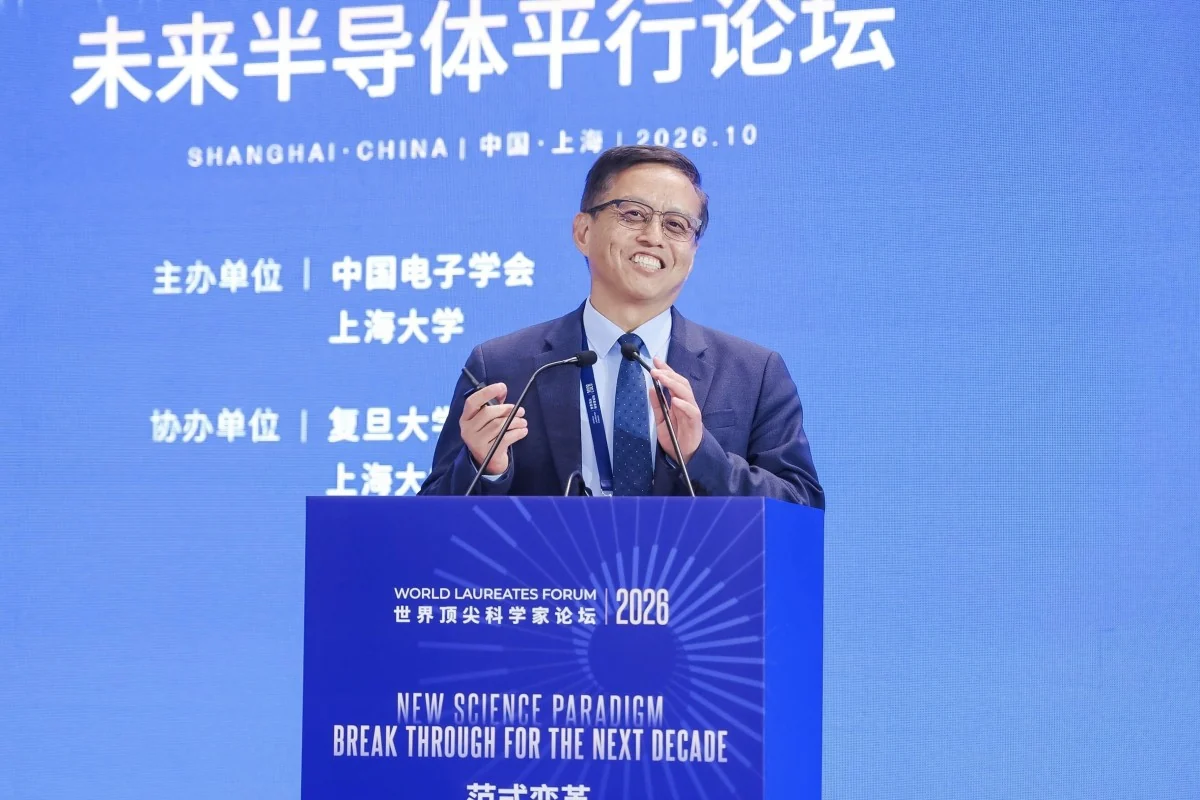
陆光泉说,前道制造工具占制造成本的80%以上,中国晶圆厂正越来越多地部署AI驱动的数字孪生和预测模型,以改进芯片设备工程与运营,最终提升晶圆良率。
With front-end manufacturing tools accounting for over 80 per cent of fabrication costs, Chinese foundries were increasingly deploying AI-powered digital twins and predictive models to improve chip equipment engineering and operations, and eventually boost wafer yields, Lu said.
这些发言是在2026年世界杰出科学家论坛上作出的,凸显了中国芯片产业正拥抱AI,以克服国内制造瓶颈并推动整个供应链的自动化。
The remarks, delivered at the 2026 World Laureates Forum, underscored how China’s chip sector is embracing AI to overcome domestic manufacturing bottlenecks and drive automation across the entire supply chain.
这一转变发生之际,AI正在重塑科学计算的架构。同样在论坛发言的美国计算先驱、图灵奖得主杰克·董加拉表示,AI正迫使业界重新思考处理器设计。
The shift comes as AI shapes the architecture of scientific computing. Jack Dongarra, an American computing pioneer and Turing Award winner who also addressed the forum, said AI was forcing those in the industry to rethink processor design.
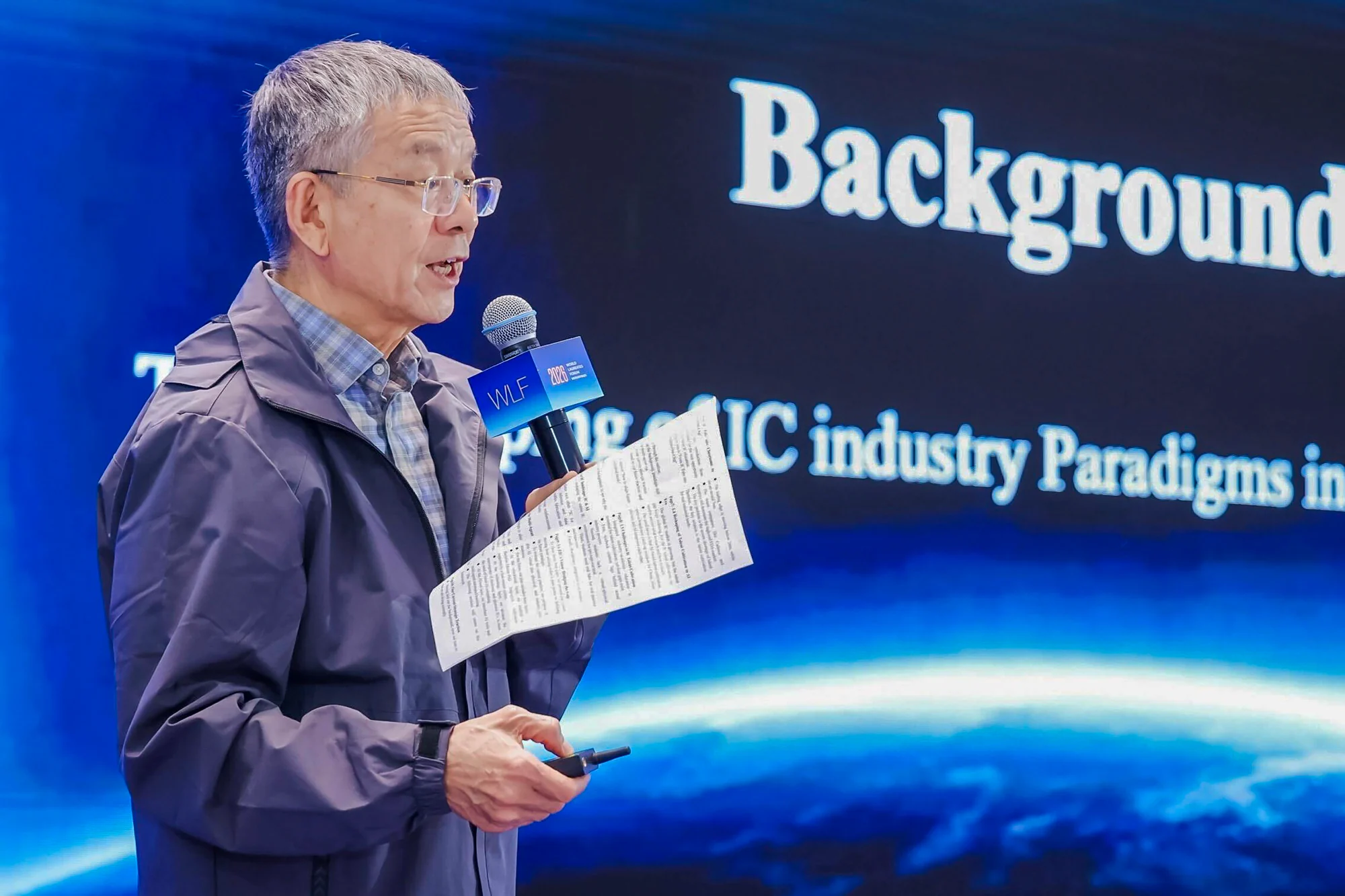
“AI 不仅仅是给高性能计算增加了另一种工作负载;它还改变了科学计算将使用的硬件,”董纳拉说,并指出 AI 工作负载对 64 位 FP64 计算的依赖程度较低,却给整个系统的内存带宽和能耗带来了更大压力。
“AI does not simply add another workload to high-performance computing; it also changes the hardware that scientific computing will have,” Dongarra said, noting that AI workloads depended less on 64-bit FP64 calculations and placed greater strain on memory bandwidth and energy across systems.
FP64 是 64 位双精度浮点数,是大多数科学模拟和超级计算基准测试所依赖的数学格式。
FP64 is a 64-bit double-precision floating point, the mathematical format that most scientific simulations and supercomputing benchmarks rely on.
专家表示,除了生产线之外,该技术还在重塑中国培养下一代芯片工程师的方式。
Beyond the production line, the technology was reshaping how China trained its next generation of chip engineers, experts said.
浙江大学信息科学部主任吴汉明表示,该校集成电路学院正在将 FabGPT 等 AI 系统与仿真引擎结合使用。他说,这种配置创建了虚拟晶圆厂,让学生能够在数字环境中体验 CMOS 生产线。
Wu Hanming, director of the Information Science Division at Zhejiang University, said the university’s integrated circuits college was using AI systems such as FabGPT alongside simulation engines. The set-up created virtual fabs where students could experience CMOS production lines digitally, he said.
但武汉大学集成电路学院院长刘升指出,即使 AI 实现了代码和半导体版图的自动化,它仍然依赖硬件来感知现实世界。
But even as AI automated code and semiconductor layouts, it remained dependent on hardware to perceive the real world, according to Liu Sheng, dean of the School of Integrated Circuits at Wuhan University.
刘升强调,人形机器人和自动驾驶领域对智能传感器和微机电系统(MEMS)的需求激增。
Liu highlighted surging demand for smart sensors and micro-electromechanical systems (MEMS) in humanoid robotics and autonomous driving.
“传感器是基础……充当物理世界与信息世界之间的纽带,”刘升说,并补充道,开发先进封装和测试平台对于保持复杂 MEMS 芯片的可靠性和成本效益至关重要。
“Sensors are the foundation … acting as the link between the physical and information worlds,” Liu said, adding that developing advanced packaging and testing platforms was critical to keeping complex MEMS chips reliable and cost-effective.