随着美国员工在今年秋季参加健康计划,发现雇主承保GLP-1类减重药物的情况将变少。
As American workers enroll in health plans this fall, fewer will find that their employers cover GLP-1 drugs for weight loss.
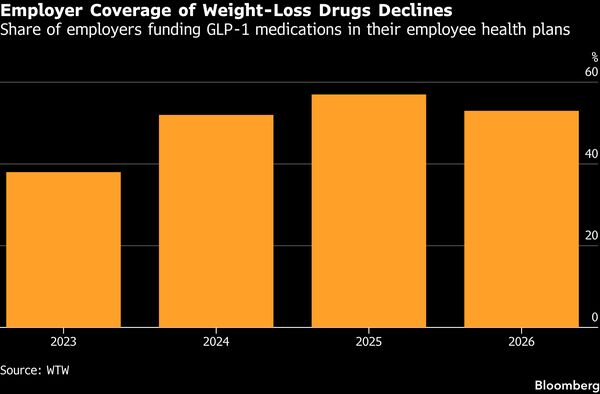
咨询公司WTW对近500家公司的调查显示,今年美国企业在员工健康保险计划中承保此类减重药物的比例降至53%。这是该类药物三年前广泛用于减重以来,承保比例首次下降。而且这种收缩可能尚未结束:调查发现,仍在承保这些昂贵药物的公司中,有30%正考虑停止承保。
The share of US companies covering the medications for weight loss in their employee health insurance plans fell to 53% this year, according to a survey of nearly 500 companies by consultancy WTW. That marks the first decline in coverage since the drugs became widely used for weight loss three years ago. And the pullback may not be over: 30% of the companies that still cover the pricey medications are considering dropping them, the survey found.
相比之下,WTW发现2025年有57%的美国雇主承保这些药物。
By comparison, 57% of US employers covered the medications in 2025, WTW found.
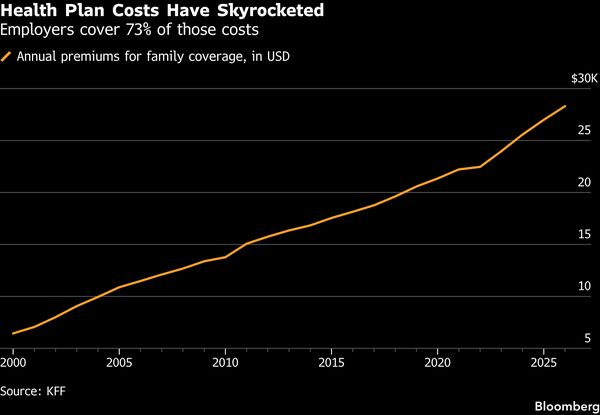
随着医疗成本上升迫使雇主重新审视福利待遇,劳氏公司、百事公司、普华永道、星巴克公司和信诺集团等企业已停止为员工的GLP-1类药物提供资助。据KFF统计,今年家庭健康计划的年均保费上涨5%至28303美元,雇主承担其中73%的费用。为抵消这些涨幅,公司正提高员工的月保费和共付额,削减员工家属的福利,并取消对热门但昂贵的减重药物的承保。
Lowe’s Cos., PepsiCo Inc., PricewaterhouseCoopers LLP, Starbucks Corp., and Cigna Group are among the companies that have stopped funding employees’ GLP-1 medications as rising healthcare costs prompt employers to rethink their benefits offerings. Annual premiums for a family health plan rose 5% this year to an average of $28,303, according to KFF, with employers covering 73% of those costs. To offset those increases, companies are charging workers higher monthly premiums and co-pays, reducing benefits for workers’ dependents and eliminating coverage for popular but pricey weight-loss drugs.
WTW负责就健康福利向雇主提供建议的杰夫·莱文-舍尔茨表示:“这些药物疗效很好,临床获益巨大,但成本不可持续。”
“These are great drugs, and they have huge clinical benefits, but the costs are not sustainable,” said Jeff Levin-Scherz, who advises employers on their health offerings at WTW.
接受WTW调查的雇主表示,成本上升、需求旺盛以及缺乏可衡量的回报,是他们决定取消相关保险覆盖的原因。百事公司在给员工的电子邮件中称,GLP-1药物是公司保险计划中“增长最快的成本之一”,并称取消对这些药物的覆盖“使我们能够维持一个对所有百事公司员工而言可持续且负担得起的医疗保健计划,同时继续提供全面、高价值的福利方案”。信诺表示,在决定将相关药物从其保险计划中移除之前,公司咨询了临床专家,并指出公司仍为员工提供减重指导。
Employers surveyed by WTW said rising costs, high demand and lack of measurable returns weighed on their decisions to drop coverage. PepsiCo called GLP-1 medications “one of the fastest-growing costs” in the company’s insurance plans in an email to employees, and said that dropping coverage for them “enables us to maintain a healthcare program that is sustainable and affordable for all PepsiCo employees, while continuing to provide a comprehensive, high value benefits package.”Cigna said it consulted clinical leaders before deciding to drop the medications from its plans and noted that it still offers weight-loss coaching to employees.
根据非营利研究机构员工福利研究所的分析,GLP-1药物30天用量的价格为617至766美元,将其纳入健康保险计划可能使雇主提供的保险的月度保费上涨多达14%。大多数公司仍然为糖尿病报销这些药物,即使它们不再为体重管理报销。
GLP-1 medications cost $617 to $766 for a 30-day supply, and including them in health plans can raise monthly premiums for employer-sponsored coverage by as much as 14%, according to an analysis by the Employee Benefit Research Institute, a research nonprofit. Most companies still cover the drugs for diabetes, even if they no longer do so for weight management.
怡安保险经纪公司北美健康解决方案业务负责人迈克·帕斯特里克表示,雇主们还在尝试补贴员工通过远程医疗服务或制药公司自有平台(如诺和诺德公司的NovoCare或礼来公司的LillyDirect)以折扣价购买这些药物。
Employers are also experimenting with subsidizing workers’ purchases of the medications at discounted prices from telehealth services or drugmakers’ own platforms, such as Novo Nordisk A/S’s NovoCare or Eli Lilly & Co’s LillyDirect, said Mike Pasterick, who leads benefits consultant Aon’s health solutions practice in North America.
帕斯特里克说:“这仍然提供了那种选择,但在一定程度上减轻了雇主的成本负担。”他补充说,近年来药品支出推动了保险计划成本的上涨。
“It still provides that choice, but it kind of takes the cost burden off of the employer,” Pasterick said, adding that drug spending has driven plan cost increases in recent years.
保险覆盖的变化是本周财报电话会议上的一个讨论话题,礼来公司高管表示,他们预计其药物的保险覆盖在2027年之前将保持相对稳定,尽管一些雇主正在缩减覆盖。
Insurance shifts were a point of discussion in this week’s earnings calls, with Eli Lilly executives saying they expect coverage for their drugs to remain relatively stable through 2027, even as some employers pull back.
“显然,许多雇主选择不提供保险覆盖,这引发了不少议论,”礼来公司美国业务负责人伊利亚·尤法周四表示,并补充说公司正与一些雇主进行“积极的沟通”。他表示,更大的增长可能来自明年医疗补助和医疗保险覆盖范围的扩大。
"Obviously, there's been noise around a number of employers opting out of coverage," Lilly's US chief Ilya Yuffa said Thursday, adding that the company was having “positive discussions” with some employers. Larger gains, he said, were likely to come from growth in Medicaid and Medicare coverage next year.
据彭博商业周刊上月报道,约11%的美国人服用GLP-1类药物用于减重,员工对削减保险覆盖的反应不佳。信诺、百事公司和市政政府在缩减GLP-1药物保险覆盖后,均遭到员工的强烈抵制。在将这些药物排除在保险计划之外后,公司面临请愿、州劳工部门的指控以及公众施压活动。
Some 11% of Americans take GLP-1 medications for weight loss, and workers have not responded well to the cuts. Cigna, PepsiCo and municipal governments have all faced pushback from staff after rolling back their GLP-1 coverage, Bloomberg Businessweek reported last month. Companies have faced petitions, charges with state labor authorities and public pressure campaigns after excluding the drugs from their plans.