大规模裁员的时代是否已经结束,取而代之的是更人性化的“买断潮”的开始?微软公司和Skydance公司同一天宣布向员工提供自愿离职方案,外界正以此解读这两份公告。
Has the era of the mega-layoff come to an end, replaced by the start of the more humane “buyout boom”? That’s how announcements from Microsoft Corp. and Skydance Corp. offering employees voluntary exits on the same day are being interpreted.
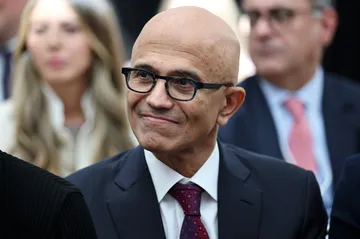
但两者的相似之处或许仅限于此。两家公司都在设法管理员工人数,但微软同时也在设法管理自身形象。在首席执行官萨蒂亚·纳德拉的领导下,这家科技巨头过去十多年一直努力摆脱“残酷职场”的名声,转而培养一种更具同理心、对员工更友好的文化。随着大规模裁员在业内已成常态,纳德拉或许将强化这一区别视为一种竞争优势。
But that may be where the parallel ends. Both companies are trying to manage their headcounts, but Microsoft is also trying to manage its image. Under CEO Satya Nadella, the tech giant spent the last dozen years working to shed its reputation as a cutthroat place to work and instead cultivate a more empathetic and employee-friendly culture. As mass layoffs have become something of the norm across the industry, Nadella may see leaning into that distinction as a competitive advantage.
“这可能是公司在试图重建过去十年让他们取得成功的东西,”首席执行官教练、曾担任谷歌人力资源主管的拉斯洛·博克说。“他们正小心翼翼地回归一种略有不同的文化。”
“This could be the company trying to reestablish what made them successful over the last decade,” says Laszlo Bock, a CEO coach and Google’s one-time human resources chief. “They’re tiptoeing back to a bit of a different culture.”
这种基调在微软的公告中有所体现,公告强调了员工的自主权。买断是员工在公司支持和资源下可以做出的“选择”,是“塑造他们下一篇章”的方式,公司是在提供“让我们自己的人才成长和贡献的机会”。相比之下,在Skydance,管理层将买断作为传统的胡萝卜加大棒式减员手段中的“胡萝卜”。在与华纳兄弟探索公司合并后,公司希望缩减员工规模,原因与合并后的常见考量无异:消除冗余岗位并削减成本,以努力实现每年节省60亿美元用于偿还债务。
That tone comes through in Microsoft’s announcement, which stresses employees’ agency. The buyout is a “choice” they can make with the company’s support and resources, that it’s a way to “shape their next chapter,” that the company is providing “opportunities for our own people to grow and contribute.”Compare that to Skydance, where management is using buyouts as the carrot in a traditional carrot-and-stick approach to employee reductions. After combining with Warner Bros. Discovery, the company wants to shrink its workforce for the usual post-merger reasons: getting rid of redundancies and cutting costs as it works toward $6 billion in annual savings to pay down debt.
Skydance给员工的备忘录聚焦于公司需要什么来“取胜”,以及公司对员工的期望,其中包括所有人每周回办公室上班五天。言下之意是,不喜欢的人可以离开:“我们认识到,并非所有人都会在这里看到自己的未来,”备忘录中写道。由于公司有必须达成的成本节约目标,还有一种隐约的意味是,如果你不接受公司提供的买断方案,你很可能会在日后成为裁员的目标。
Skydance’s memo to its workforce is focused on what the company needs to “win” and what it expects from employees, which includes everyone back in the office five days a week. The takeaway is that those that don’t like it can leave: “We recognize that not everyone will see their future here,” the memo reads. Because the company has cost-saving targets it needs to hit, there is also the looming sense that if you don’t take buyout you’re offered, you may very well be targeted for a layoff down the line.
但到目前为止,微软这边看不到大棒,只有胡萝卜。这感觉是有意为之,尤其是考虑到微软已经表明,它想裁员时完全有能力这么做。去年春天,该公司裁掉了约6000名员工,约占其员工总数的3%;最近又在7月裁掉了4800人,占2.1%。
But at this point there’s no sign of the stick at Microsoft, only the carrot. That feels intentional, especially since Microsoft has shown it’s perfectly capable of doing a layoff when it wants to. Last spring the company let go of about 6,000 employees, or about 3% of its workforce, and another 4,800, or 2.1%, as recently as July.
但该公司也尝试过自愿退休,并在4月向约7%的员工提供了这一选项。符合条件的人中,超过30%接受了这一方案。现在,它向多达6万名员工提供自愿买断,约占其员工总数的四分之一。(Skydance尚未透露有多少员工收到了买断提议。)通过买断——尤其是微软这种规模的买断——雇主是在赌,他们最优秀、最想留住的员工不会成为离开的那批人。但在当前这种招聘低迷的经济环境中,这是一场经过盘算的风险。微软首席财务官曾表示,公司预计最多有3000人接受买断。
But it’s also experimented with voluntary retirement, giving that option to about 7% of its workforce in April. More than 30% of those eligible took the deal. Now, it’s offering voluntary buyouts to a massive 60,000 employees, which is about a quarter of its workforce. (Skydance hasn’t said how many employees have received buyout offers.) With a buyout, and especially one of Microsoft’s scale, employers are making a bet that all of their best, most desirable employees won’t be the ones who leave. But it’s a calculated risk in such a low-hire economy. Microsoft’s CFO has said the company expects at most 3,000 to take it.
微软或许愿意在谁离开的问题上放弃部分控制权,因为它看到了获得另一种回报的可能性。科技行业大规模裁员潮让员工更加确信,科技公司已不再想把自己塑造成温暖体贴的雇主。但这长期以来一直是纳德拉个人形象的一部分。2014年他出任微软首席执行官时,有意将公司从咄咄逼人、毫不留情的行事风格转向更具协作性和同理心的方式。这一转变奏效了:纳德拉接手时,微软市值约为3000亿美元;如今已接近4万亿美元。
Microsoft may be willing to sacrifice some control over who leaves because it sees the possibility of a different kind of payoff. The massive headcount reductions that have roiled the tech industry have given employees more evidence that tech companies are no longer interested in portraying themselves as warm and fuzzy employers. But that has long been part of Nadella’s personal brand. When he became Microsoft CEO in 2014, he intentionally shifted the company away from its aggressive, take-no-prisoners mentality toward a more collaborative and compassionate approach. It worked: When Nadella took over, Microsoft’s market value was about $300 billion; today, it’s approaching $4 trillion.
但公司似乎需要一次重置。过去一年,其股价一直低迷,下跌了约3%,表现既逊于标普500指数,也逊于标普500信息技术指数中的同行。微软转向以更人性化的方式裁减员工,或许只是在加倍押注其过去行之有效的、以同理心为核心的战略。
But the company seems in need of a reset. For the last year, the stock has languished. The share price is down about 3% and has underperformed both the S&P 500 and its peers in the S&P 500 Information Technology Index. Microsoft’s shift toward a more humane way of shedding employees may just be an attempt to double down on a strategy centered around empathy that worked for the company in the past.
这并不是说公司未来不会进一步裁员。事实上,博克认为,微软几乎肯定会在明年进行裁员。但就目前而言,管理层似乎在做一种不同的盘算。过去几年,科技行业一直在告诉员工他们是可牺牲的;在这样的行业里,做一个在把人直接扫地出门之前先好言相劝其离开的雇主,本身就有其价值。
That’s not to say that more layoffs won’t be in the company’s future. In fact, Bock thinks it’s almost certain Microsoft will have them in the next year. But for now, management seems to be making a different kind of calculus. In a tech industry that has spent the past few years telling workers that they’re expendable, there’s inherent value in being the employer that asks people nicely to leave before it just shows them the door.