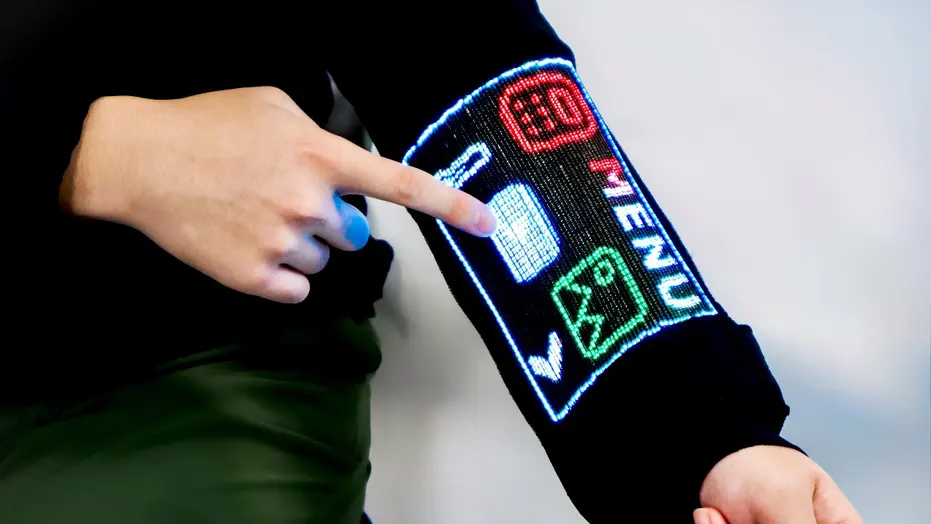
你多久会拿起手机只为快速查看一下信息?也许你正在遛狗或提着杂货,不想从口袋里掏出手机。现在,科学家们正在研究一种将触摸屏直接编织进你所穿衣物的方法。是的,你的袖子最终可能变成一个可以用手指点击的屏幕。
How often do you reach for your phone just to check something quickly? Maybe you're walking the dog or carrying groceries and don't feel like digging through your pocket. Now, scientists are working on a way to put a touchscreen directly into the clothes you wear. Yes, your sleeve could eventually become a screen you can tap with your finger.
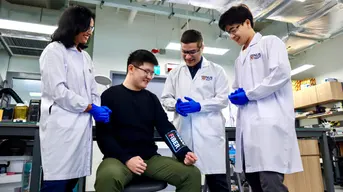
新加坡国立大学(NUS)的研究人员开发出了他们所说的全球首个直接编织进服装的触摸屏。他们的原型机利用专用电子纤维来显示图像、播放视频并响应触摸。更令人惊讶的是,该技术经受住了50次机洗循环,性能几乎保持不变。这一突破最近发表在《自然》期刊上,可能改变我们与可穿戴技术互动的方式。
Researchers at the National University of Singapore (NUS) have developed what they describe as the world's first touchscreen woven directly into a garment. Their prototype uses specialized electronic fibers to display images, play videos and respond to touch. Even more surprising, the technology survived 50 machine-washing cycles while maintaining nearly the same performance. The breakthrough, recently published in the journal Nature, could change how we interact with wearable technology.
其工作原理如下。每根纤维内含微型发光二极管(LED)以及一个可感应触摸的电子层。当有人按压织物时,感应层会识别位置并激活相应像素。这使得服装能像传统触摸屏一样做出反应。该系统还能识别多点触控,允许显示屏的多个区域同时响应。
Here's how it works. Each fiber contains tiny light-emitting diodes, or LEDs, along with an electronic layer that senses touch. When someone presses the fabric, the sensing layer identifies the location and activates the corresponding pixels. This allows the garment to respond much like a traditional touchscreen. The system can also recognize multiple touches, allowing more than one area of the display to respond at the same time.
为了制造原型机,研究人员将54根专用纤维穿入袖子的前臂部位。每根纤维包含96个LED,形成一个96乘54像素的显示屏,尺寸约为6.6英寸乘4.1英寸。研究人员还开发出一种制造工艺,通过超过2万个电气连接将5000多个微芯片相连。利用这一工艺,他们制造出了厚度约1毫米、长度达10米的电子纤维。
To build the prototype, researchers threaded 54 specialized fibers into the forearm of a sleeve. Each fiber contains 96 LEDs, creating a 96-by-54-pixel display measuring approximately 6.6 by 4.1 inches. The researchers also developed a manufacturing technique that connects more than 5,000 microchips through over 20,000 electrical connections. Using this process, they created electronic fibers roughly one millimeter thick and 10 meters long.
这种工程设计使面料能随穿着者的动作弯曲,同时保持其数字显示功能正常运作。每根纤维都拥有独立的控制通道,因此单根纤维出现问题不会自动导致其他纤维关闭。这让我们更接近能直接与电子设备交互的服装。由新加坡国立大学设计与工程学院助理教授图拉尔·库迪耶夫(Tural Khudiyev)领导的研究团队开发了这项技术,将数字显示和触控功能直接融入织物中。
That engineering allows the fabric to bend with the wearer's movements while keeping its digital display functional. Each fiber also has its own control channel, so a problem with one fiber doesn't automatically shut down the others. It brings us closer to clothing that can interact directly with electronic devices. The research team, led by Assistant Professor Tural Khudiyev at NUS's College of Design and Engineering, developed the technology to bring digital displays and touch controls directly into fabric.
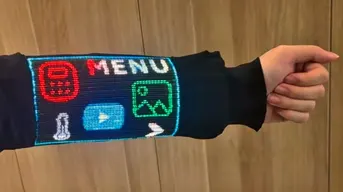
原型机已能实现多项通常与智能手机相关的功能。例如,它可以显示相册并运行计算器。它还能充当数字指南针,并显示腋下传感器测得的体温读数。视频播放也是可行的。屏幕以每秒30帧的速度刷新,色深为8位,但在播放同步音频时帧率会降至每秒25帧。研究人员还通过额外的电子纤维将麦克风和扬声器集成到了服装中。
The prototype already handles several functions you would normally associate with a smartphone. For example, it can display a photo gallery and run a calculator. It can also work as a digital compass and display body temperature readings from a sensor positioned under the arm. Video playback is possible, too. The screen refreshes at 30 frames per second with 8-bit color depth, although that drops to 25 frames per second when playing synchronized audio. Researchers also integrated a microphone and speaker into the garment through additional electronic fibers.
袖口可通过蓝牙接收图像并响应语音指令。它甚至能根据环境光自动调节亮度。当穿着者改变朝向时,界面也会旋转其内容。不过,原型机目前仅演示了特定的无线功能,包括通过蓝牙接收图像。研究人员尚未展示其替代智能手机屏幕或显示手机所有通知的能力。当然,96乘54像素的分辨率意味着你无法以惊艳的细节观看喜爱的电影。尽管如此,能在可折叠、可穿戴的物品上观看动态图像已相当了不起。
The sleeve can receive images over Bluetooth and respond to voice commands. It can even adjust its brightness automatically based on surrounding light. The interface also rotates its content when the wearer changes orientation. However, the prototype has only demonstrated specific wireless functions, including receiving images over Bluetooth. Researchers have not shown it replacing a smartphone screen or displaying all your phone's notifications. Of course, the 96-by-54-pixel resolution means you won't be watching your favorite movie in stunning detail. Still, the ability to watch moving images on something you can fold and wear is pretty remarkable.
电子服装面临的最大挑战之一始终是耐用性。毕竟,衣物会被拉伸、扔进洗衣机。没人希望每次洗衣服都担心毁坏昂贵的触摸屏。因此,研究人员对其电子纤维进行了大量测试。据新加坡国立大学称,该显示屏在典型洗衣机中经历 50 次洗涤剂洗涤后,亮度和触控响应几乎保持不变。独立报道显示,研究人员将纤维置于洗衣袋中,并使用轻柔洗涤模式。该技术在绕 5 毫米半径弯曲 1000 次后,性能依然得以维持。
One of the biggest challenges with electronic clothing has always been durability. After all, clothes get stretched and tossed into washing machines. Nobody wants to worry about destroying an expensive touchscreen every time they do laundry. That's why the researchers put their electronic fibers through extensive testing. According to NUS, the display's brightness and touch response remained nearly unchanged after 50 detergent washes in a typical washing machine. Independent reporting indicates the researchers placed the fibers in a laundry bag and used gentle wash cycles. The technology also maintained its performance after 1,000 bending cycles around a five-millimeter radius.
这些结果令人鼓舞,但并不保证包含所有电子元件的成品消费级衬衫能经受多年的日常洗涤。测试是在特定的研究条件下进行的。该面料也保持了透气性。研究人员发现,其透气性与棉、聚酯等常见服装材料相当。团队还报告称,显示屏符合皮肤接触的既定安全限值。这些发现让研究人员更接近让互动服装实用化。不过,在该技术能成为日常穿着之前,仍需进行更多测试。
Those results are encouraging, but they don't guarantee that a finished consumer shirt containing all its electronics could survive years of everyday laundry. The testing took place under specific research conditions. The fabric remained breathable, too. Researchers found that its breathability was comparable to familiar clothing materials, including cotton and polyester. The team also reported that the display stayed within established safety limits for skin contact. These findings bring the researchers closer to making interactive clothing practical. However, there's still more testing to do before this technology could become something you'd wear every day.
我们已经看到制造商在尝试柔性屏幕。例如,摩托罗拉曾演示过一种可弯曲的手机显示屏,能环绕手腕。新加坡国立大学的研究采取了不同路径,将电子功能直接构建进服装纤维中。这为无需携带额外屏幕即可显示信息的服装打开了大门。夹克袖口或许能在你穿行陌生城市时显示导航指引;运动衫有望在你锻炼时显示连接健身传感器的信息。
We've already seen manufacturers experiment with flexible screens. Motorola, for example, previously demonstrated a bendable phone display that wraps around your wrist. The NUS research takes a different approach by building electronic functions directly into the fibers of clothing. That opens the door to clothing that could eventually display information without requiring someone to carry another screen. A jacket sleeve might show navigation instructions while you're walking through an unfamiliar city. A workout shirt could potentially display information from connected fitness sensors while you're exercising.
研究人员认为,同样的技术最终可能支持更复杂的交互。未来的版本或许会将集成传感器与人工智能相结合,根据穿戴者的活动或周围环境提供信息。另一个有趣的可能性涉及制造领域。新加坡国立大学表示,这些电子纤维的更薄版本有可能与标准工业针织和织造设备配合使用。如果研究人员能实现这一点,该技术最终或许能融入熟悉的服装设计中,而非需要全新类型的服装。团队已在致力于更高分辨率的显示和更先进的传感能力,不过这些改进仍属于未来的研究目标。
The researchers believe the same technology could eventually support more sophisticated interactions. Future versions may combine integrated sensors with artificial intelligence to provide information based on the wearer's activities or surroundings. Another interesting possibility involves manufacturing. NUS says thinner versions of these electronic fibers could potentially work with standard industrial knitting and weaving equipment. If researchers can make that happen, the technology might eventually fit into familiar clothing designs rather than requiring entirely new types of garments. The team is already working toward higher-resolution displays and more advanced sensing capabilities. However, those improvements remain future research goals.
医疗保健可能成为这项技术最有趣的用途之一。目前的原型已展示体温感测功能,研究人员看到将额外生理测量集成到电子纺织品中的机会。助理教授Khudiyev表示:“医疗保健是一个特别有前景的应用。”未来的服装有可能从内置传感器收集信息,并直接在织物上显示结果。这或许能让某些健康测量更容易获取,无需打开应用程序或查看其他设备。
Healthcare could become one of the most interesting uses for this technology. The current prototype already demonstrates body temperature sensing, and the researchers see opportunities to integrate additional physiological measurements into electronic textiles. According to Assistant Professor Khudiyev, "Healthcare is one particularly promising application." A future garment could potentially collect information from built-in sensors and display the results directly on the fabric. That might make certain health measurements easier to access without opening an app or looking at another device.
对于老年人或正在管理持续健康问题的人群,带有集成监测功能的服装最终可能提供另一种获取信息的方式。不过,目前的袖套演示的是温度感测,而非全面的医疗监测。更先进的健康功能将需要进一步开发和临床验证。研究团队还希望集成设备端AI,这最终可能有助于解读传感器读数或提供个性化反馈。目前,这些能力仍在开发中。
For older adults or people managing ongoing health concerns, clothing with integrated monitoring might eventually provide another way to stay informed. However, the current sleeve demonstrates temperature sensing rather than comprehensive medical monitoring. More advanced health features would require further development and clinical validation. The research team also wants to integrate on-device AI, which could eventually help interpret sensor readings or provide personalized feedback. For now, those capabilities remain under development.
尽管这项技术看起来令人印象深刻,但仍存在几个问题。与当今的手机和智能手表相比,该显示屏目前的分辨率极为有限。研究人员还需要解决制造成本和维护问题,才能进入更广泛的市场。或许最大的实际障碍是供电。目前的原型仍然需要连接外部电池和独立的控制电子设备。这意味着操作显示屏所需的组件尚未完全集成到衣物中。在触摸屏服装变得适合日常使用之前,研究人员需要找到一种更便捷的方式来为屏幕供电和控制屏幕。
As impressive as this technology looks, several questions remain. The display's current resolution is extremely limited compared with today's phones and smartwatches. Researchers will also need to address manufacturing costs and maintenance before they can reach a wider market. Perhaps the biggest practical obstacle is power. The current prototype still requires connections to an external battery and separate control electronics. That means the components needed to operate the display have yet to become fully integrated into the garment. Researchers will need to find a more convenient way to power and control the screen before touchscreen clothing becomes practical for everyday use.
还有一个值得考虑的问题:隐私。如果服装最终能够监测生理信息并与其他设备进行无线通信,人们会希望对哪些信息被收集和共享拥有明确的控制权。当可穿戴技术能够全天收集信息时,这一点尤为重要。目前,新加坡国立大学尚未公布这款触摸屏服装的商业上市日期或消费者价格。研究人员正在继续改进该系统,目标是使基于纺织品的显示屏功能更强、更实用。
There's another question worth considering: privacy. If clothing eventually monitors physiological information and communicates wirelessly with other devices, people will want clear control over what gets collected and shared. That becomes especially important when wearable technology can gather information throughout the day. For now, NUS has announced no commercial launch date or consumer price for the touchscreen garment. The researchers are continuing to improve the system, with the goal of making textile-based displays more capable and practical.
你短期内不会在商店里找到挂着的触摸屏衬衫。然而,这项研究表明,下一代可穿戴技术可能与今天的智能手表大不相同。你最终或许不必再买一个绑在手腕上的小装置,而是通过你已经穿在身上的衣服与数字信息进行交互。当你在锻炼或双手被占用时,这可能会特别有用。
You won't find touchscreen shirts hanging in stores anytime soon. However, this research suggests that the next generation of wearable technology could look very different from today's smartwatches. Instead of buying another gadget to strap onto your wrist, you might eventually interact with digital information through clothing you're already wearing. That could be particularly useful when you're exercising or have your hands occupied.
潜在的便利之处不难理解。也许有一天,你只需瞥一眼袖子就能看到方向,或者查看健康数据,而无需在口袋里翻找。但这种体验能否实现,取决于研究人员能否让这项技术变得价格亲民、穿着舒适且易于供电。这些电子纤维还能水洗,这也让这一概念在日常使用中更具前景。毕竟,再智能的衬衫,也得穿着舒服才行。
The potential convenience is easy to understand. You might someday glance at your sleeve for directions or check a health reading without digging through your pocket. But that experience will depend on whether researchers can make the technology affordable, comfortable and easy to power. The ability to wash the electronic fibers also makes the concept more promising for everyday use. After all, even the smartest shirt needs to feel good enough to wear.
我承认,敲一敲衬衫袖子而不是动不动就掏手机,这个想法挺酷的。我能想象,在外出散步或跟着导航找路时,这会有多方便。而且这些电子纤维居然经受住了50次洗衣机洗涤?这确实令人印象深刻。我们见过太多可穿戴技术在实验室里看着很棒,到了日常生活中却怎么都不实用。这一项让我好奇,因为研究人员确实在考虑人们如何穿着和打理衣服。
I'll admit, the idea of tapping my shirt sleeve instead of constantly reaching for my phone is pretty cool. I can see how handy that might be when I'm out walking or trying to follow directions. And the fact that these electronic fibers survived 50 trips through the washing machine? That's impressive. We've seen plenty of wearable technology that looks great in a lab but never quite makes sense in everyday life. This one has me curious because researchers are actually thinking about how people wear and care for their clothes.
不过,在我愿意买一件触摸屏衬衫之前,还有很长的路要走。那些外置电池和线缆得先消失才行。而且,如果我们的衣服最终开始收集健康信息,我想知道谁会拿到这些数据、拿它们做什么。我也不禁想问,我们真的需要再多一块屏幕来争夺我们的注意力吗?我喜欢看到技术进军意想不到的领域,但如果我要穿一件触摸屏衣服,它最好能给我一个充分的理由去用它。
Still, there's a long way to go before I'd buy a touchscreen shirt. Those external batteries and cables need to disappear first. And if our clothing eventually starts collecting health information, I want to know who's getting that data and what they're doing with it. I also have to wonder whether we really need another screen competing for our attention. I love seeing technology push into unexpected places, but if I'm going to wear a touchscreen, it better give me a good reason to use it.
如果一件内置触摸屏的衬衫能让你少看手机,你愿意穿吗?还是说,我们已经到了技术过度侵占我们穿着的地步?
Would you wear a shirt with a built-in touchscreen if it meant checking your phone less often, or have we reached the point where technology is taking over too much of what we wear?