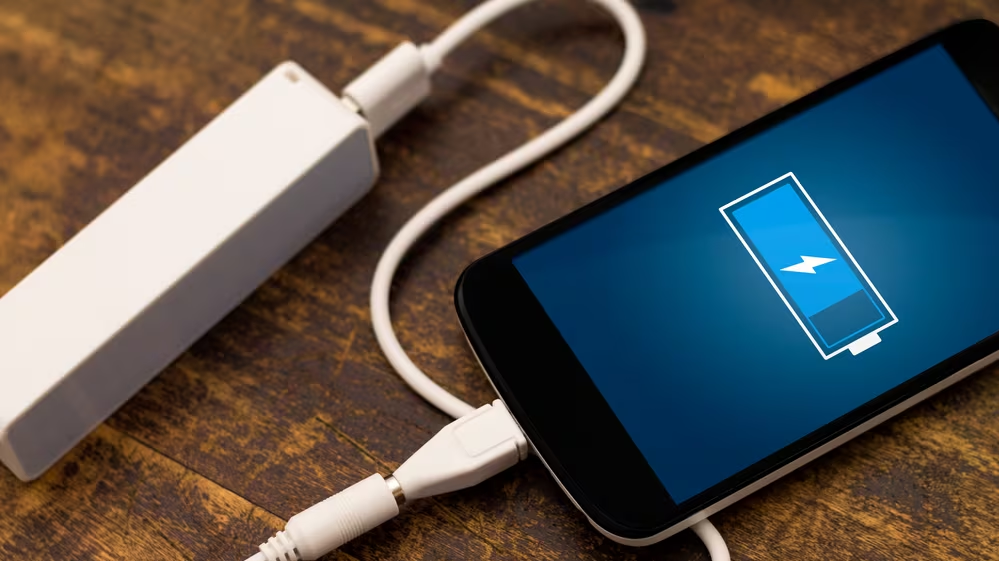
我们听到了很多关于高温、蔓延迅速的锂电池火灾有多么危险以及其数量不断上升的报道——去年加拿大各地社区发生了超过1,500起此类火灾。
We've heard a lot about how dangerous hot, fast-moving lithium battery fires are and their rising number — more than 1,500 in communities across Canada last year.
但我们大多数人在家里也都会存放和充电智能手机、充电宝、电动自行车、吸尘器、电钻以及许多其他锂电池设备,且从未遇到任何问题。
But most of us also keep and charge smartphones, power banks, e-bikes, vacuum cleaners, drills and lots of other lithium battery devices at home without any issues.
那么,所有的火灾警告都是夸大其词吗?某些种类的电池比其他种类更安全吗?电池真的能从安全变得危险吗?有什么危险信号?你应该对此采取什么行动?锂电池到底有多安全?专家普遍认为,总体而言,锂电池非常安全。
So are all the fire warnings overblown? Are some kinds safer than others? Can batteries really go from safe to risky? What are the warning signs? And what should you be doing about this? How safe are lithium batteries really? Experts generally agree that overall, lithium batteries are very safe.
滑铁卢大学消防安全工程助理教授维尼·古普塔(Vinny Gupta)指出,现在每年生产的电池电芯超过100亿个。“而我们通常只听说其中极少数存在安全问题。”古普塔承认,问题在于当这些系统失效并确实起火时,情况会“相当戏剧化”。他的研究包括故意让电池失效并起火,以研究其火灾风险。
Vinny Gupta, assistant professor of fire safety engineering at the University of Waterloo, notes that more than 10 billion battery cells are now manufactured every year. "And we typically only hear about safety issues in just a few of them." The problem is when the systems fail and they do catch fire, it's "quite dramatic," acknowledged Gupta, who does research that involves intentionally making them fail and catch fire to study their fire risk.
通常内置于消费级锂电池中的安全措施包括温度传感器、用于排出潜在易燃气体的泄压阀以及防止过充的系统。
Safety measures typically built into consumer lithium batteries include temperature sensors, pressure relief valves to vent potentially flammable gases and systems to prevent overcharging.
那么,你真的需要采取消防员建议的措施,比如在它们充电时进行监视并在充完电后立即拔掉插头吗?
So do you really need to take measures like watching them as they charge and unplugging them as soon as they're done charging, as firefighters advise?
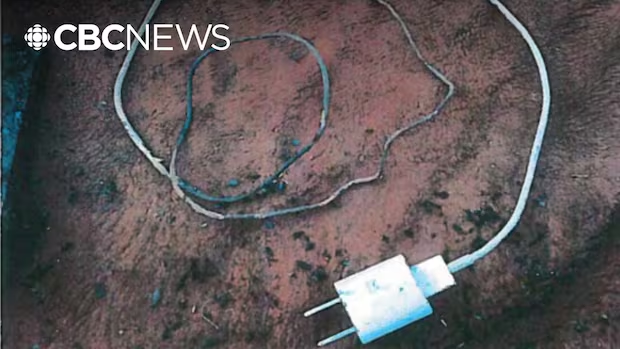
里贾纳消防局长提醒检查充电设备。电池会自动停止充电,这确实是真的。
Regina fire chief gives reminder to check charging devices It's true that the battery automatically stop charging.
但专家指出,一直以来都很安全的电池在某个时候可能会变成火灾隐患。原本安全的锂电池是如何变成火灾隐患的?
But experts note that a battery that has been safe all along can become a fire risk at some point. How can a lithium battery that was safe become a fire risk?
总部位于哈利法克斯、销售热敏电池监测贴纸的TempAlert公司首席执行官大卫·贾尔斯(David Giles)表示,即使人们按预期使用电池,它们也可能会受损并因此变得危险。
David Giles, CEO of TempAlert, a Halifax company that sells heat-sensing battery-monitoring stickers, said even if people are using batteries as intended, they can become damaged and therefore hazardous.
这可能是由于缺陷造成的,也可能是由于某个事件造成的,例如电动自行车或电动滑板车发生碰撞。
That could be due to a defect. Or it could be due to an event, such as an e-bike or e-scooter collision.
他表示,当你把手机摔落时,可能会注意到屏幕是否破裂。“但你也可能造成了其他内部损坏,这些损坏可能不会立即显现出来”——包括损坏电池。高温,例如在阳光下给电池充电,也可能造成损坏。
He says that when you drop your phone, you may notice if you crack the screen. "But you also may have done other internal damage that might not show up right away" — including damaging the battery. Heat, such as from charging your battery in the sun, can also cause damage.
古普塔表示,导致电池失效最常见的方式之一是过度充电。通常,电池的设计是为了防止这种情况,但有些电池的设计比其他电池更糟糕,如果被篡改或与错误的充电器搭配使用,风险就会增加。
Gupta said one of the most common ways to cause a battery to fail is by overcharging it. Typically, batteries are designed to prevent that, but some are more poorly designed than others, and the risk increases if they're tampered with or paired with the wrong charger.
贾尔斯表示,这很容易发生,因为大多数电池都有连接器,可以插入许多设备。但他警告说,它们可能是为不同电压设计的。错误的充电器“可能会向仅设计承受 40 伏的电池灌入 80、90 伏电压。那就是开始出现大问题的时候。”长期反复给电池充电和放电,最终也会导致电池磨损并失效。当这种情况发生时,电池会立即起火吗?好消息是——通常不会。
Giles says that's easy to do, since most have connectors that fit into many devices. But he warns they may be designed for different voltages. The wrong charger "could be ramming, you know, 80, 90 volts into a battery only designed for 40. That's when you start having a major problem." Repeatedly charging and recharging a battery over time can also eventually cause it to wear out and fail. When that happens, does the battery catch on fire right away? Here's the good news — usually no.
“电池不会瞬间就进入热失控状态,”贾尔斯说。热失控是指电池开始迅速自我发热,产生更多热量并形成反馈循环,从而可能导致起火的术语。“它会逐渐变得越来越糟。”当电池刚开始失效时,充电时摸起来可能会发烫——古普塔说,这是“最早的迹象”,表明出了问题。此时,拔掉插头通常会让它冷却下来。
"Batteries don't just go into thermal runaway instantly," Giles said. Thermal runaway is a term for when a battery starts to rapidly self-heat, generating more heat and creating a feedback loop that can lead to a fire. "It progressively gets worse and worse." When a battery first starts failing, it may feel hot to touch while charging — Gupta says that's "the earliest indication" that something is wrong. At that point, it will usually cool when you unplug it.
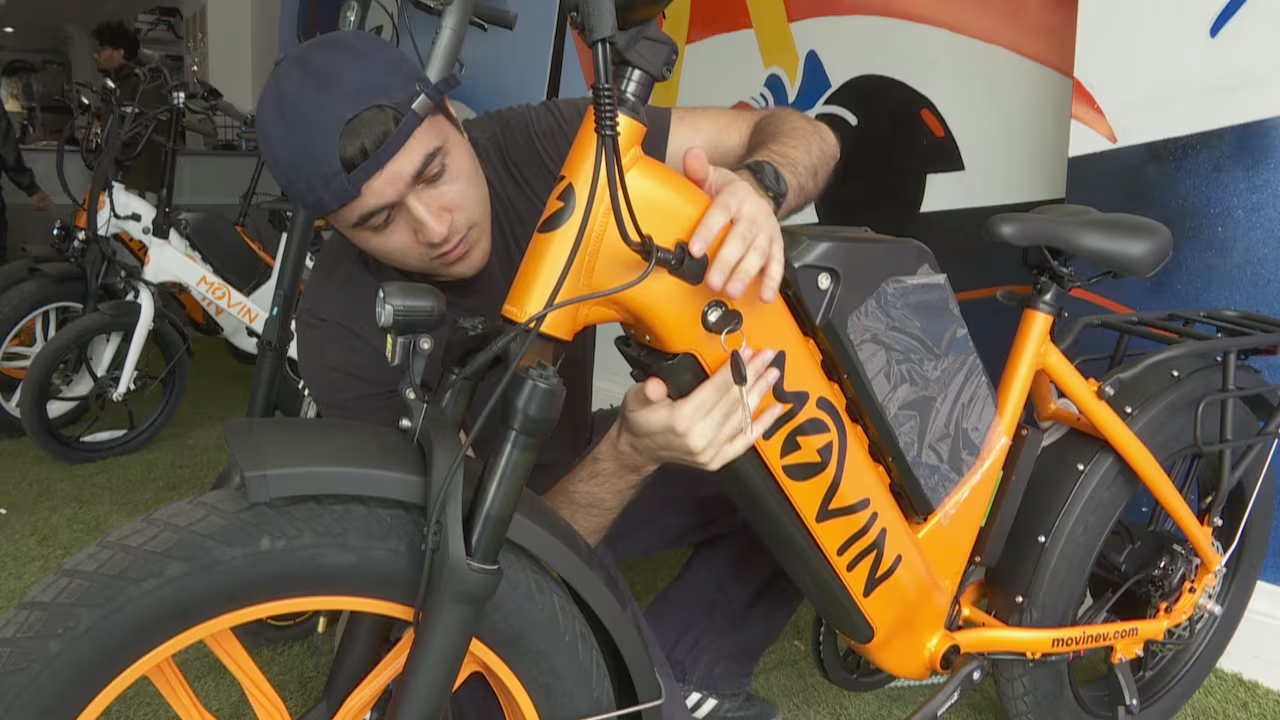
贾尔斯表示,这种情况可能会反复发生,直到即使拔掉插头后它依然保持发热。那么,在发生危险火灾之前,你到底还有多少时间?
Giles said that may happen repeatedly before it stays hot even after being unplugged. So how much time do you really have before you have a dangerous fire?
“老实说,我们并不真正知道,”古普塔说,因为这取决于电池内部发生了什么,而且一旦自我发热过程开始,它就是指数级的。
"To be honest, we don't really know," Gupta said, as it depends on what is going on inside the battery and the self-heating process is exponential once underway.
贾尔斯表示,这可能需要数天或数周的充电和使用时间,也可能只需要20分钟。
Giles said it could take days or weeks of charging and use, or it could take just 20 minutes.
锂电池起火时该怎么办 从消防安全的角度来看,某些种类的锂电池危险性较小吗?简而言之,并没有。
What to do when a lithium battery is on fire Are some kinds of lithium batteries less dangerous from a fire safety perspective? The short answer is no.
最受欢迎的两种锂电池化学成分是NMC(镍锰钴)和LFP(磷酸铁锂),它们的正极材料不同。几位读者来信建议,LFP不易燃且不易过热。
The two most popular lithium battery chemistries are NMC (nickel manganese cobalt) and LFP (lithium iron phosphate), which have different materials in their cathodes. Several readers wrote in to suggest that LFP is less combustible and prone to overheating.
但在古普塔看来,“很难真正说某种化学成分比另一种更安全……它们各有权衡。”
But in Gupta's opinion, "It's hard to really say if one chemistry is safer than [the] other … there are trade-offs."
古普塔表示,诚然,LFP的能量密度较低,发生热失控的温度较高(约为235摄氏度,而NMC为200摄氏度)。过热时,它喷出的电池固体碎片也较少,但气体较多:“而且这些气体通常含有有毒和易燃产物。”那么,如何保持安全呢?
It's true that LFP is less energy dense and goes into thermal runaway at a higher temperature (about 235 C, compared with 200 C for NMC). It also ejects fewer solid fragments of battery when overheated — but more gas, Gupta said: "And that gas is often laden with both toxic and flammable products." So, how do you stay safe?
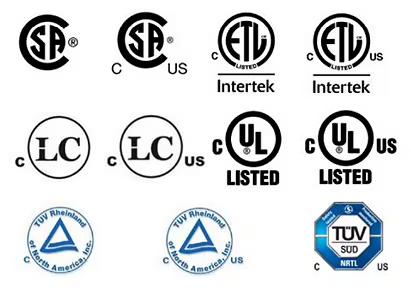
购买带有加拿大安全认证(例如充电器上的CSA、cUL、cETL)的电池。确保为电池使用正确的充电器,即使另一个充电器也能插入充电口。
Buy batteries with Canadian safety certifications such as CSA, cUL, cETL on the charger. Make sure you use the correct charger with your battery, even if another one fits in the charging port.
密切关注正在充电的电池及其周围环境。在硬质、不易燃的表面(而非沙发或床上)且你能看得见的地方给设备或电池充电。古普塔建议,不要将设备放在万一发生火灾时你逃生必经的通道上。
Keep an eye on your charging battery and its environment. Charge your device or battery on a hard, non-flammable surface (not on a couch or bed), where you can see it. Gupta recommends not putting the device in the path that you would need to use to escape in case of a fire incident.
了解受损电池的危险信号。其中包括感觉过热、膨胀、异味、气体或烟雾。有一些设备可以帮助识别这些迹象,例如:TempAlert或其他可贴在电池上的对温度敏感的贴纸。
Know the danger signs of a damaged battery. They include feeling too hot, swelling, bad smells, gas or smoke. There are some devices that can help identify these signs, such as: TempAlert or other temperature-sensitive stickers that you can apply to the battery.
热探测器或警报器。来自安大略省水晶海滩的读者阿德里安·希尔表示,他买了一个这样的设备,并将其安装在他给电动自行车充电的地方的正上方。
Heat detectors or alarms. Reader Adrian Hill of Crystal Beach, Ont., said he purchased one of these that he installed above the spot where he charges his e-bike.
一氧化碳探测器。古普塔表示,许多锂电池在过热时会释放一氧化碳。
A carbon monoxide detector. Gupta said many lithium batteries release carbon monoxide when overheated.
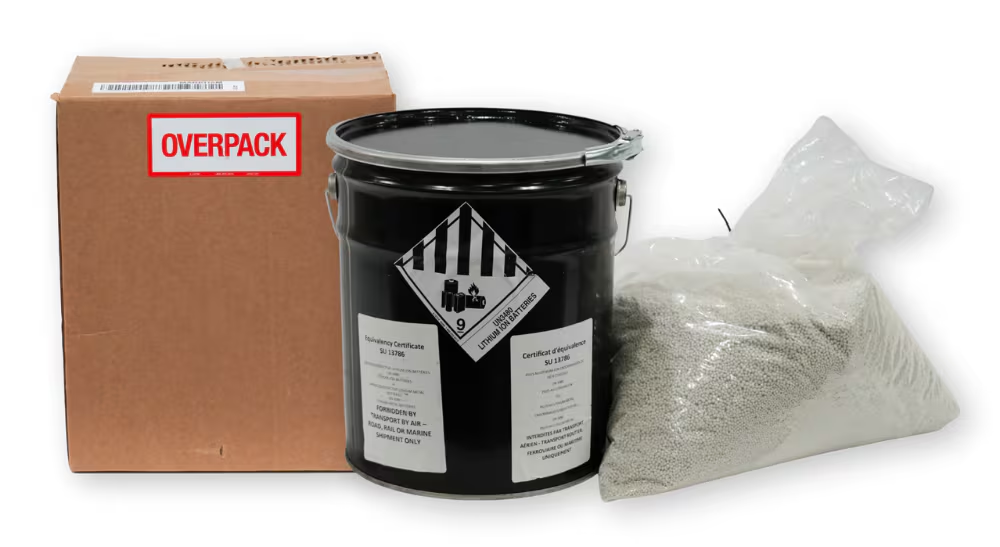
知道电池过热时该怎么做。如果可能的话,请拔掉电源,将其移至安全、不易燃的地方(例如室外、水槽或一桶沙子中)。吉尔斯表示,不要试图再次充电,即使它已经冷却。
Know what to do if your battery overheats. Unplug it and get it to a safe, non-flammable place (such as outdoors, a sink or a bucket of sand) if possible. Don't try to charge it again, even if it cools, Giles says.
如果它冷却下来,你可以把它送到技术人员那里或有害废物处理场。不要把它扔进垃圾桶。Call2Recycle网站上有关于处理受损、有缺陷和被召回电池的更详细信息。如果电池持续升温或释放出气体或烟雾,你就真的处于危险区了。
If it cools down, you can take it to a technician or hazardous waste disposal site. Do not put it in the trash. Call2Recycle has more detailed information on dealing with damaged, defective and recalled batteries. If the battery continues getting hotter or releases gas or smoke, you're really in the danger zone.
“如果你闻到任何气味,那就糟糕了,”古普塔说。“你应该离开并拨打火警电话。”
"If you smell anything, that's bad," Gupta said. "You should leave and call the fire department."
他补充说,锂电池在我们周围无处不在,这一情况在短期内不会改变。在大多数情况下,它们是安全的,但“人们重要的是要意识到它们可能会发生故障,而且我们可以做一些非常简单的事情,对提升我们的个人安全大有帮助。”
Lithium batteries are around us everywhere and that's not going to change any time soon, he added. For the most part they're safe, but "it's important for people to be aware of the fact that they can fail and there are very simple things we can do that go a long way towards improving our personal safety."