Anthropic征服了编程领域。现在,它的目光转向了人体。Anthropic提交的S-1招股说明书阐述了其雄心和财务状况,为下个月的大规模首次公开募股做准备,通篇读起来就像是一份生命科学宣言。作为Claude的制造商,该公司将自己视为下一代生物和医学研究中的关键环节,并正在向其潜在投资者兜售这一利润丰厚的前景。
Anthropic conquered coding. Now it's setting its sights on the human body. Anthropic's S-1 filing, which outlines its ambitions and financials ahead of a massive initial public offering next month, reads as a life-sciences manifesto. The maker of Claude sees itself as a crucial cog in the next generation of biological and medicinal research — and is selling that lucrative vision to its would-be investors.
Anthropic希望迎来一波新发现,以支持其行善的使命,并向公众证明人工智能的力量和价值。其对生命科学的专注还可以支持其人工智能软件工程工具之外的财务增长。这将推动Anthropic最先进、最昂贵的模型在一个已经习惯在研发上花费数十亿美元的行业中的应用。
Anthropic is hoping for a wave of new discoveries that will support its do-gooder mission and convince the public of AI's power and worth. Its life-science focus could also support financial growth beyond its AI software engineering tools. It would promote the use of Anthropic's most advanced, expensive models in an industry already accustomed to spending billions on research and development.
在S-1招股说明书中,到处都是关于生物技术雄心的表述。文件的第二行指出,人工智能“可以迅速加速科学创新”,并“让治愈重大疾病触手可及”。一页之后,生物学进展排在该公司希望人工智能改善人类生活的各项方式之首。Anthropic还在其“增长战略”部分提及了其生命科学业务,并写道,《财富》美国500强中最大的10家制药公司中有9家、最大的10家医疗保健公司中有8家在最近为期一年的时间里,在Anthropic消费了至少10万美元。
The S-1 filing is scattered with references to biotech ambition. Its second line says AI "could rapidly accelerate scientific innovation" and "bring cures for major diseases within reach." A page later, biological progress tops the company's list of ways it hopes AI will improve lives. Anthropic also references its life sciences business in its "growth strategy" section and writes that nine of the 10 largest pharmaceutical companies and eight of the 10 largest healthcare companies in the Fortune 500 spent at least $100,000 with Anthropic over a recent yearlong period.about Anthropic's S-1 filing "In the life sciences sector, where annual global pharmaceutical spend is expected to exceed $2 trillion in 2026, Claude is used in drug discovery and development by our customers, our biotechnology partners, and our own researchers," the company writes in the filing.
该公司在文件中写道:“在生命科学领域,2026年全球年度制药支出预计将超过2万亿美元,我们的客户、生物技术合作伙伴以及我们自己的研究人员都在药物发现和开发中使用Claude。”Anthropic拒绝置评。
Anthropic declined to comment.
Anthropic已经开始投资生命科学。该公司处于测试阶段的Claude Science产品于6月发布。Anthropic昔日的竞争对手OpenAI拥有一个名为Rosalind的竞争产品,而谷歌衍生公司Isomorphic Labs则计划利用人工智能来开发抗癌药物——这预示着各家公司将在争夺研究客户方面展开竞争。除此之外,Anthropic今年在湾区启动了一个分子生物学实验室,并在4月份斥资4亿美元股票收购了生物技术初创公司Coefficient Bio。
Anthropic has already gotten to work investing in life sciences. The company's Claude Science product, which is in beta, came out in June. OpenAI, Anthropic's erstwhile rival, has a competing offering dubbed Rosalind, while Google spinoff Isomorphic Labs plans to use AI to create cancer-beating drugs — promising a struggle between companies for research customers. Besides that, Anthropic started a molecular biology lab in the Bay Area this year and spent $400 million in stock in April to buy the biotech startup Coefficient Bio.
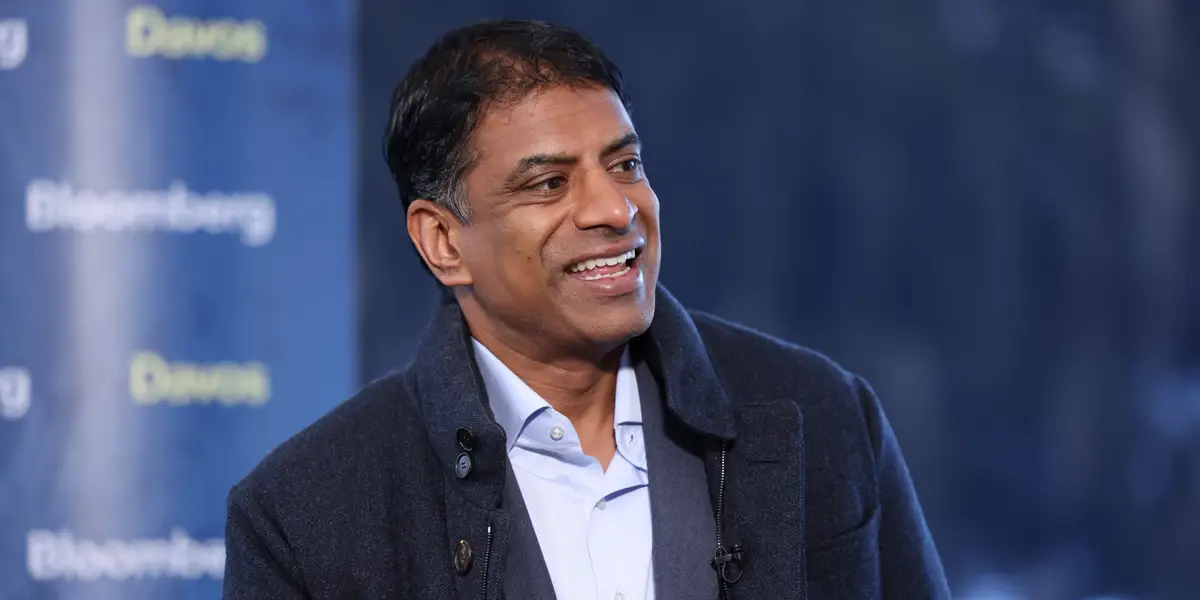
制药公司诺华的首席执行官纳思达(Vas Narasimhan)也于4月加入Anthropic董事会。8月份,Anthropic宣布了一项新的机器人标准,允许人工智能控制实验室设备。该公司的招聘页面显示,它正在疯狂招聘化学、实验生物学、研究工程等生命科学职位的员工。本周晚些时候,该公司开放了两个新职位,向能够设计和制造抗体的研究人员提供32.8万美元的薪酬。
Vas Narasimhan, the CEO of the pharmaceutical company Novartis, also joined Anthropic's board in April. In August, Anthropic announced a new robotics standard that allows AI to control lab equipment. The company's careers page shows it's on a hiring spree for life sciences roles across chemistry, experimental biology, research engineering, and more. Two new roles opened late this week, offering $320,000 salaries to researchers capable of designing and manufacturing antibodies.
在其S-1文件中,Anthropic大肆宣称其与制药巨头礼来的合作,称这家市值1.3万亿美元的公司有5万名员工可以使用Claude企业账户,且超过85%的员工都在积极使用该工具。
In its S-1, Anthropic touted its work with pharma giant Lilly, saying the $1.3 trillion company has 50,000 employees with access to a Claude enterprise account and that more than 85% of its staff actively use the tool.
Anthropic首席执行官、前理论物理学家达里奥·阿莫代伊(Dario Amodei)曾多次吹捧人工智能在生命科学领域的潜力,以此作为推进该技术能力的原因。在9月份一篇关于“把握”人工智能研究节奏的文章中,阿莫代伊表示,他曾在一种20世纪70年代无法治疗的癌症中幸存下来,而他的父亲则死于在他去世后不久就被治愈的疾病。他此前曾在2024年一篇名为《充满爱意的机器》(Machines of Loving Grace)的文章中详细阐述过这些主题。
Anthropic CEO Dario Amodei, a former theoretical physicist, has repeatedly touted AI's potential in the life sciences as a reason to advance the tech's capabilities. In a September essay about "pacing" AI research, Amodei said he had survived a cancer that wouldn't have been treatable in the 1970s, and his father had died of a disease cured shortly after his death. He previously elaborated on the themes in a 2024 essay dubbed "Machines of Loving Grace."
阿莫代伊写道:“生物学可能是科学进步最有可能直接且明确地改善人类生活质量的领域。”他补充说,他希望人工智能赋能的研究将有助于预防和治疗所有传染病、消除大多数癌症,并使人类寿命延长一倍。
"Biology is probably the area where scientific progress has the greatest potential to directly and unambiguously improve the quality of human life," Amodei wrote, adding that he hopes AI-enabled research will help prevent and treat all infectious diseases, eliminate most cancers, and double the human lifespan.
广大公众则没有那么乐观。Anthropic最近公布了8月份的调查结果,发现91%的员工认为人工智能将在2030年前取得诺贝尔奖级别的发现,而美国成年人的这一比例为39%。目前还没有任何人 工智能设计的药物获得美国食品药品监督管理局(FDA)的批准。
The general public is less optimistic. Anthropic recently published survey results from August, finding that 91% of staff think AI will make a Nobel-level discovery by 2030, compared with 39% of US adults. No AI-designed drugs have ever received FDA approval.
今年8月,负责构建新产品并创建了Claude Code的Anthropic实验室组织共同负责人本·曼恩(Ben Mann)对《商业内幕》表示,他所在的团队也在将更多精力转向生命科学。
Ben Mann, the co-leader of Anthropic's Labs organization, which builds new products and created Claude Code, told Business Insider this August that his small team is also focusing more on life sciences.
曼恩说:“实验室本身已经将重心从某种程度上更标准的软件工程事物,转移到了达里奥所描述的治愈所有疾病的事物上,也就是《充满爱意的机器》的风格。”
"Labs itself has shifted its focus from sort of more standard software engineering things to things like what Dario has described as curing all diseases like, Machines of Loving Grace-style," Mann said.