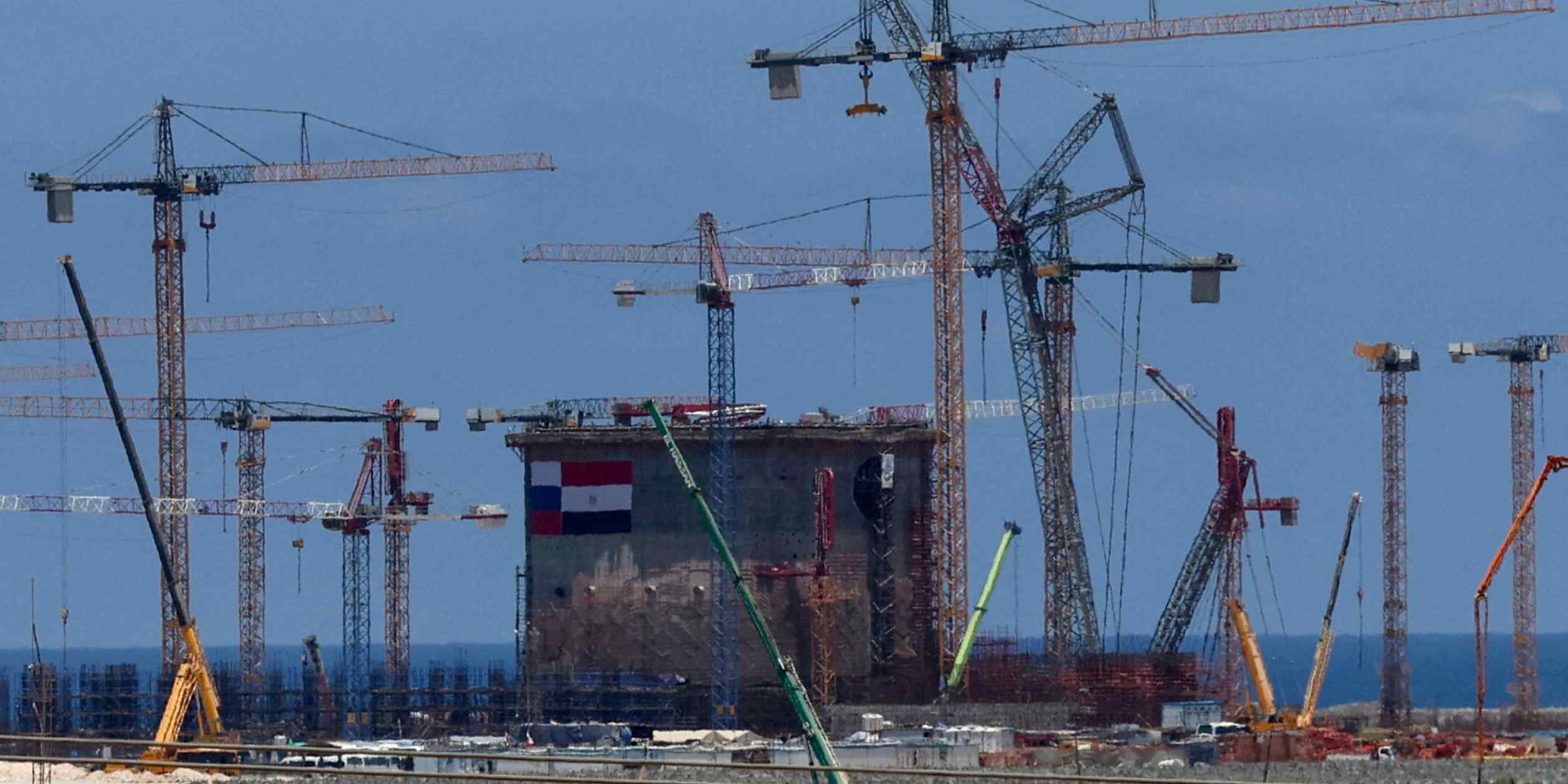
伦敦讯 —— 全球正在建设的核反应堆达 79 座,为 40 年来最多,化石燃料价格上涨和耗能巨大的人工智能普及正加速新核电站建设计划。
LONDON -- The 79 nuclear reactors under construction worldwide represent the most in 40 years, as rising fossil fuel prices and the spread of energy-hungry artificial intelligence accelerate plans for new plants.
世界核能协会报告称,2026 年已有 11 座新核反应堆开工建设。在建反应堆数量统计截至 10 月 16 日。
Eleven new nuclear reactors have begun construction in 2026, the World Nuclear Association reports. The tally for reactors under construction is as of Oct. 16.
这一总数为 1986 年以来最高,当时有 91 座反应堆在建。切尔诺贝利核事故发生后,新建项目大幅减少。
The total is the highest since 1986, when 91 reactors were being built. New construction fell after the Chernobyl nuclear disaster that year.
若加上计划在 15 年内投入运行的反应堆,总数将达 201 座。目前全球有 443 座核反应堆在运行。即便考虑到因老化而退役的情况,到 2040 年左右,全球在运反应堆数量仍有可能超过 600 座。
Including those planned to be operational within 15 years, the total reaches 201 reactors. Currently, there are 443 nuclear reactors in operation. Even considering decommissioning due to aging, it is possible that more than 600 reactors will be operational worldwide by around 2040.
意大利总理梅洛尼 9 月在一次演讲中说:“我们希望在意大利境内尽可能多地生产所需能源。因此,时隔 40 年,我们打破了禁忌,重新为核能敞开大门。”意大利议会近期通过了一项立法,这是新建核电站的前提条件。
"We want to produce as much of the necessary energy as possible within Italy," Italian Prime Minister Giorgia Meloni said in a September speech. "That's why, after 40 years, we've broken the taboo and reopened the door to nuclear power." The Italian parliament recently passed legislation that is a prerequisite for construction of new nuclear plants.
人工智能的普及是核电站增加的主要因素之一。为给 AI 数据中心供电,采用建设周期更短、成本更低的小型模块化反应堆(SMR)的趋势日益明显。
The proliferation of AI is a major factor behind the increase in plants. To power AI data centers, there is a growing trend to adopt small modular reactors (SMRs), which have shorter construction times and lower costs.
另一因素是,俄乌冲突和美伊军事冲突导致能源价格飙升。这些战争加深了各国在不依赖化石燃料进口的情况下保障电力供应的需求。加上各国已制定去碳化政策,这促使它们选择几乎不排放二氧化碳的核能。
Another factor is the surge in energy prices due to Russia's invasion of Ukraine and the military conflict between the U.S. and Iran. These wars have deepened the need to secure electricity without relying on fossil fuel imports. Since nations also have decarbonization policies in place, this has prompted them to opt for nuclear power, which emits almost no carbon dioxide.
在 79 座在建反应堆中,中国占 38 座,印度 8 座,俄罗斯 7 座。在规划阶段的反应堆中,中国以 42 座领跑,俄罗斯 23 座,印度 14 座。
China accounts for 38 of the 79 reactors under construction, followed by India with eight and Russia with seven. Among reactors in the planning stage, China stands out with 42, followed by Russia with 23 and India with 14.
2011年日本福岛第一核电站事故曾加剧欧洲弃核潮,但形势已发生逆转。意大利、瑞典、比利时等国已推翻弃核政策。法国正考虑建设多达14座新反应堆。
The 2011 Fukushima Daiichi nuclear disaster in Japan intensified the movement to phase out nuclear power in Europe, but the tide has shifted. Italy, Sweden, Belgium and others have reversed their phase-out policies. France is considering building up to 14 new reactors.
3月,欧盟宣布积极利用核能实现脱碳和能源安全的政策,欧盟委员会主席乌尔苏拉·冯德莱恩宣称,欧洲背弃核能是“一个战略错误”。在美国,建设人工智能数据中心的科技公司正在为小型模块化反应堆(SMR)开发公司提供资金。华盛顿正推进一项耗资800亿美元的核电站扩建项目,以向数据中心供电。
In March, the European Union announced a policy of actively utilizing nuclear power for decarbonization and energy security, with European Commission President Ursula von der Leyen declaring that Europe turning its back on nuclear power was "a strategic mistake." In the U.S., tech companies building AI data centers are funding SMR development companies. Washington is proceeding with an $80 billion nuclear power plant expansion project to supply power to data centers.
日本在停滞多年后正迈向重返核能。该国计划到2040年代替换2至5座反应堆,到2050年代再新增9座,目标是新建反应堆总数达到11至14座。
Japan is moving toward a return to nuclear power, after such discussions stalled for years. The country plans to replace two to five reactors by the 2040s and add nine more by the 2050s, aiming for a total of 11 to 14 new reactors.
核电热潮将影响作为反应堆燃料的铀价。美国研究公司TradeTech报告称,9月底长期合同价格为每磅97美元,超过了2007年和2008年达到的95美元峰值。
A nuclear power surge will affect the price of uranium, which is the fuel for reactors. U.S. research firm TradeTech reports the long-term contract price was $97 per pound at the end of September, exceeding the peak of $95 reached in 2007 and 2008.
核电站的快速扩张也带来风险。国际原子能机构报告称,全球正在设计约70种类型的小型模块化反应堆,但安全标准制定等工作却被搁置一旁。确保监管机构的独立性并提升其能力也是必要的,国际原子能机构正寻求促进安全标准方面的国际合作。
The rapid expansion of nuclear plants also presents risks. The International Atomic Energy Agency reports about 70 types of SMRs are being designed worldwide, but the development of safety standards and other aspects have taken a back seat. Ensuring the independence and improving the capabilities of regulatory authorities are also necessary, with the IAEA looking to foster international collaboration on safety standards.
保障核燃料供应链同样至关重要。铀矿开采后,所需步骤包括转化、浓缩和加工。
Securing the supply chain for nuclear fuel is also crucial. After uranium is extracted, required steps include conversion, enrichment and processing.
由于浓缩过程可用于制造核武器,只有极少数实体具备处理该工艺的能力,其中包括俄罗斯国有企业国家原子能集团公司(Rosatom)和总部位于英国的铀浓缩公司(Urenco)。俄罗斯掌握着提高新一代反应堆浓缩水平所需的设备,但西方国家难以依赖俄罗斯技术。铀浓缩公司计划扩大其在美国、荷兰及其他地区工厂的产能。
Because enrichment can lead to the manufacture of nuclear weapons, only a few entities are capable of handling the process, including Russian state-owned company Rosatom and U.K.-based Urenco. Russia controls the equipment for increasing enrichment levels for next-generation reactors, but it is difficult for Western countries to rely on Russian technology. Urenco plans to increase the capacity of its plants in the U.S., the Netherlands and elsewhere.