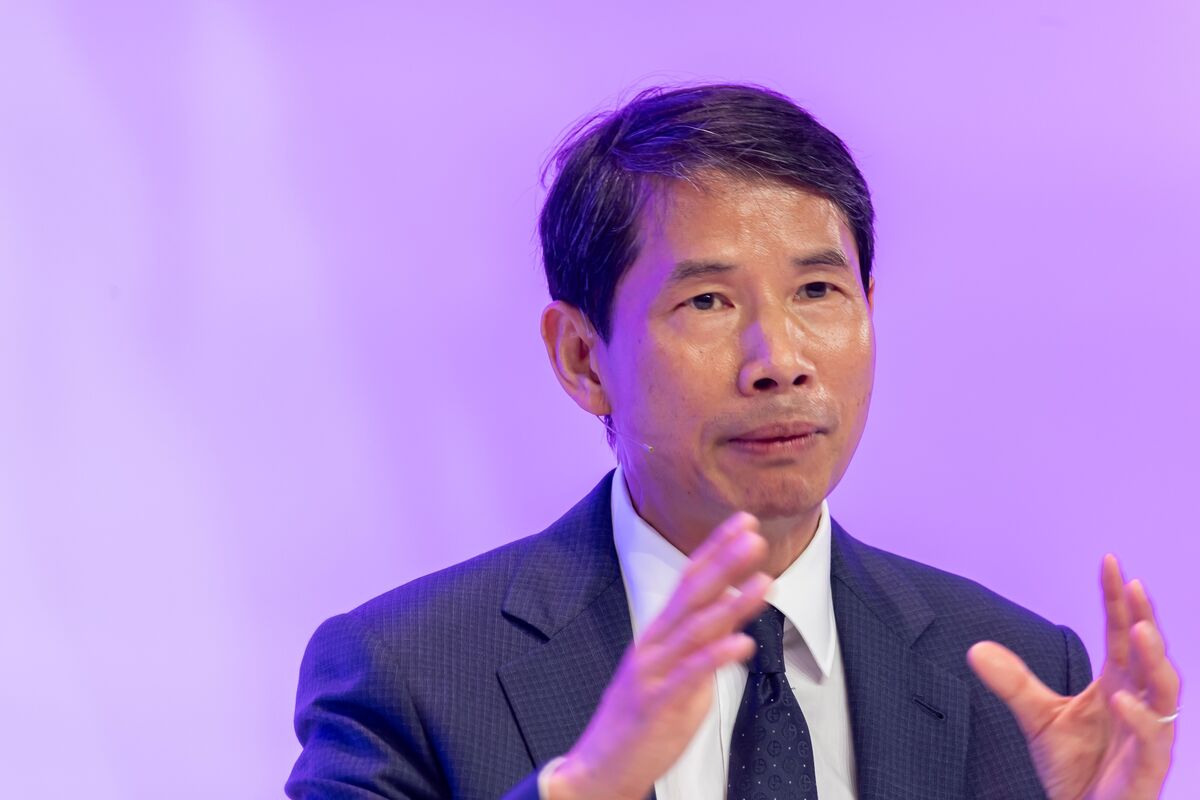
中国政策制定者应专注于改善该国基本面,而非担忧短期波动,并且有空间采取“更大胆”的举措,普林资本首席执行官胡祖六表示。
China’s policy makers should focus on improving the country’s fundamentals instead of worrying about short term volatility and have room to take “much bolder” steps, according to Primavera Capital chief executive officer Fred Hu.
胡祖六在接受彭博电视台采访时表示,当局应专注于提振国内消费和改善长期投资者信心。
Hu said in an interview on Bloomberg Television that authorities should focus on boosting domestic consumption and improving long term investor confidence.
“消费方面存在一个真正的弱点,我认为政府需要将精力和注意力集中于此,”他说。“没有通胀压力,因此中央银行应有大量空间采取比我们所见更为大胆的行动。”沪深300基准指数10月跌入熊市,下跌8.5%,创下连续12周下跌的纪录。中国金融监管机构计划周一与银行和证券公司会面,讨论支持资本市场的措施。
“One real weakness is on the consumer side and I think that’s where the government needs to focus their energy and attention,” he said. “There’s no inflation pressure so that should give a lot of room for the central bank to take much bolder actions than what we’ve seen.”The CSI 300 benchmark tumbled into a bear market in October, falling 8.5% and dropping for a record 12 straight weeks. China’s financial regulators are set to meet with banks and securities firms to discuss measures to support the capital market on Monday.
“如果政府利用这个机会,在货币和实物方面做更多工作来支持消费支出,我认为中国未来三到五年将拥有非常强劲的经济前景,”他补充道。
“If the government uses this opportunity to do more on the monetary and physical front to support consumer spending, I think China would have in the next three, five years, a very strong economic outlook,” he added.
胡祖六还表示,人工智能已成为投资泡沫的担忧不适用于中国。这位前高盛集团公司的“雨生”表示,数百亿美元甚至数万亿美元正在投入美国等市场的人工智能基础设施。
Hu also said concerns that artificial intelligence has become an investment bubble don’t apply in China. The former Goldman Sachs Group Inc. rainmaker said hundreds of billions, and even trillions of dollars, were being committed to AI infrastructure in markets like the US.
“在人工智能基础设施方面,我们看到美国发生的事情与中国发生的事情之间有明显的区别,”他说。“中国也是人工智能基础设施的大投资者,但规模远远不及美国,因此目前我认为没有任何合理的担忧认为人工智能建设过度。”他补充说,上市中国人工智能公司周围的波动更多与其管理团队在处理公共市场方面相对缺乏经验有关。
“In terms of AI infrastructure, we have seen clear distinctions between what’s happening in the US and what’s happening in China,” he said. “China is also a big investor in AI infrastructure but the magnitude is nowhere close to what it is in the US so at this point I don’t think there’s any legitimate concern that the AI build up is overdone.”The volatility around listed Chinese AI firms was more to do with the relative inexperience of their management teams in dealing with the public markets, he added.
“在理想的世界里,我更希望它们能私有化更长时间,”他说。“所有这些公司都太年轻了,还不足以承受公开市场审查和波动带来的起伏。”
“In an ideal world I would prefer them to be private much longer,” he said. “All these companies are so young, they’re not quite ready to withstand the ups and downs of the public market scrutiny and volatility.”