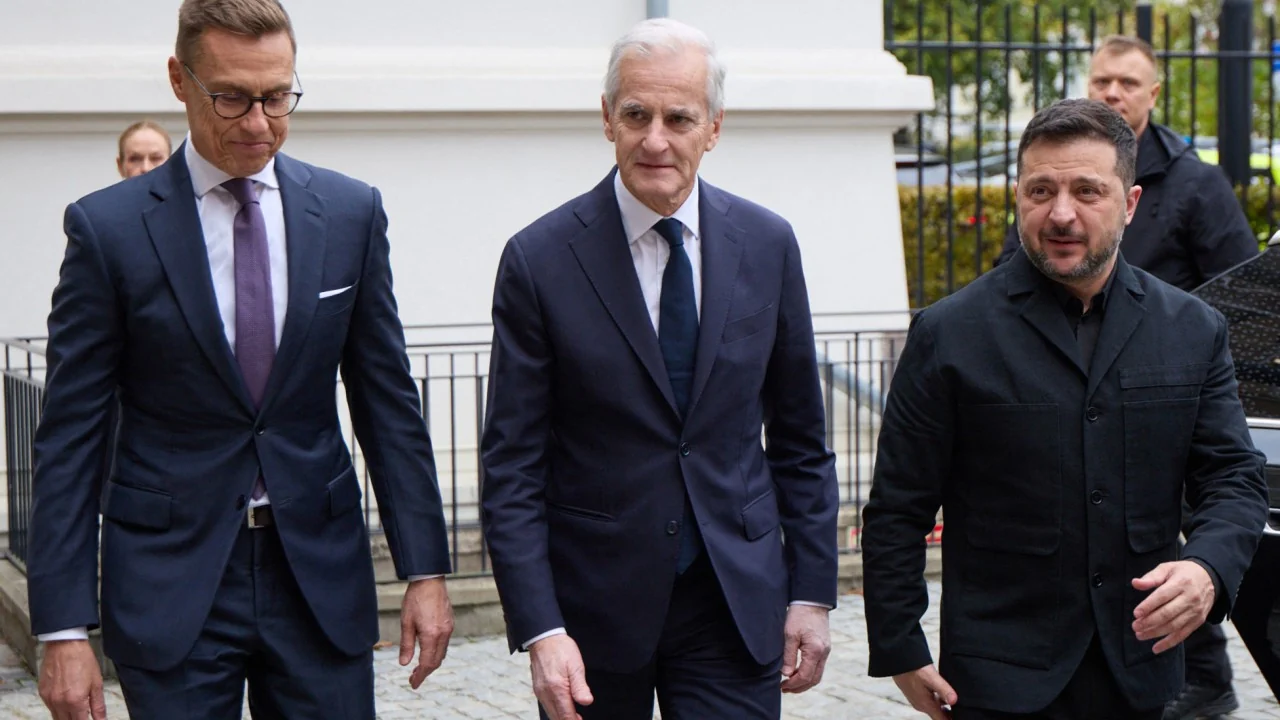
当地时间10月27日,芬兰总统亚历山大·斯图布和挪威首相约纳斯·加尔·斯特勒致电俄罗斯总统弗拉基米尔·普京,这一不同寻常的外交举动发生在欧洲各国政府与莫斯科高层直接接触有限的背景下。此次通话由两位北欧领导人发起,正值重启和谈前夕,也因缺乏更广泛的欧洲协调而招致丹麦批评。
When Finnish President Alexander Stubb and Norwegian Prime Minister Jonas Gahr Store called Russian President Vladimir Putin on October 27, they took an unusual diplomatic step at a time when direct high-level contact between European governments and Moscow has been limited. The call, initiated by the two Nordic leaders ahead of renewed peace negotiations, also drew criticism from Denmark over the lack of broader European coordination.
此次通话并不意味着芬兰或挪威对俄立场发生改变。两国依然坚定致力于北约,并继续支持乌克兰。他们的主动举动反而指向一个随着外交努力推进将变得日益重要的问题:欧洲国家如何在保持对莫斯科统一立场的同时,维护自身的安全利益?
The call did not signal a change in Finland or Norway’s position towards Russia. Both remain committed to Nato and continue to support Ukraine. Their initiative points instead to a question that will become increasingly important as diplomatic efforts advance: how can European countries pursue their own security interests while maintaining a common approach towards Moscow?
对芬兰和挪威而言,与俄罗斯直接接触并非新事,尽管两国管理这一关系的经历有所不同。挪威长期将威慑与安抚相结合,即便政治关系恶化,仍保持沟通渠道畅通。其2025年《国家安全战略》主张对俄采取一致且可预期的方针,并与跨大西洋联盟盟友紧密协调。
For Finland and Norway, direct contact with Russia is not new, although the two countries have different experiences of managing the relationship. Norway has long combined deterrence with reassurance, keeping channels of communication open even as political relations have deteriorated. Its 2025 National Security Strategy calls for a consistent and predictable approach towards Russia, coordinated closely with allies in the transatlantic alliance.
就在通话前四天,挪威与俄罗斯达成2027年渔业协议,这是自2019年以来双方首次面对面谈判达成的成果。尽管在制裁问题上争端依存,该协议的达成表明,务实合作仍在政治关系紧张的背景下得以延续。
Just four days before the call, Norway and Russia reached a fisheries agreement for 2027, following their first face-to-face negotiations since 2019. The agreement came despite continuing disputes over sanctions, showing that practical cooperation has continued even as political relations remain strained.
芬兰于2023年加入北约,对俄采取强硬立场,同时为未来接触留有余地。斯图布在8月的一场演讲中承认,芬兰最终将需要重新定义与作为邻国的俄罗斯的关系,同时也明确表示,这一关系的未来将取决于莫斯科的行动。
Finland, which joined Nato in 2023, has taken a firm position towards Russia while leaving open the possibility of future engagement. In an August speech, Stubb acknowledged that Finland would eventually need to redefine its relationship with Russia as a neighbour, while also making clear that the future of that relationship would depend on Moscow’s actions.
这些经历表明,与俄罗斯保持联系可以服务于不同的目的。挪威的渔业合作依托于既定机构和共同的实际利益,而芬兰则保持了未来政治接触的可能性。
These experiences show that maintaining contact with Russia can serve different purposes. Norway’s fisheries cooperation rests on established institutions and shared practical interests, while Finland has kept open the possibility of future political engagement.
10月27日的通话更进一步,使两位领导人与普京就乌克兰以及结束俄罗斯入侵的努力进行直接讨论。然而,此类高层外交涉及更具争议性的问题,实际合作的延续并不能保证谈判取得进展。
The October 27 call went further, bringing both leaders into direct discussions with Putin over Ukraine and efforts to end the Russian invasion. Such high-level diplomacy involves more contentious questions, however, and the continuation of practical cooperation offers no guarantee of progress in negotiations.
对芬兰和挪威而言,靠近俄罗斯使它们面临特殊的安全关切。芬兰与俄罗斯共享漫长的陆地边界,俄罗斯军队部署和地区安全安排的变化对其防务规划尤为重要。挪威则在高北地区面临不同挑战,军事活动、海上安全和跨境关系仍然重要。
For Finland and Norway, being near Russia gives them particular security concerns. Finland shares a long land border, making changes in Russian military deployments and regional security arrangements especially relevant to its defence planning. Norway faces different challenges in the High North, where military activity, maritime security and cross-border relations remain important.
乌克兰的和平解决方案或许能结束战斗,但关于俄罗斯军事存在以及北约在北欧的安全安排的棘手问题仍将存在。芬兰和挪威将在谈判结束后很长时间内处理这些问题。
A peace settlement in Ukraine might end the fighting, but difficult questions about Russia’s military presence and Nato’s security arrangements in northern Europe will remain. Finland and Norway will have to deal with these issues long after negotiations end.
10月27日的通话是在奥斯陆进行的磋商之后进行的,磋商方包括乌克兰、美国、其他欧洲代表以及北约。通话结束后,斯托尔辩称欧洲各国政府应当拥有与莫斯科直接沟通的渠道,而不是仅仅依赖华盛顿。
The October 27 call followed consultations in Oslo involving Ukraine, the United States, other European representatives and Nato. Following the call, Store argued that European governments should have their own channels of communication with Moscow rather than relying solely on Washington.
芬兰和挪威强调,他们在通话前已与乌克兰进行磋商,并且是代表各自政府发言,而非代表整个欧洲。乌克兰总统弗拉基米尔·泽连斯基随后对他们的外交支持表示欢迎,并讨论了进一步谈判的准备工作。
Finland and Norway emphasised that they had consulted Ukraine before the call and were speaking on behalf of their own governments, not Europe as a whole. Ukrainian President Volodymyr Zelensky subsequently welcomed their diplomatic support and discussed preparations for further negotiations.
这一举措的意义还在于欧洲在谈判中地位的更广泛问题。欧洲国家将不得不承受任何协议带来的安全后果,即使它们没有直接参与决定协议条款。对于俄罗斯的邻国来说,直接的外交接触提供了额外的机会,可以表达在更广泛谈判中可能得不到同等关注的关切。
The significance of this initiative also lies in the wider question of Europe’s place in the negotiations. European countries will have to live with the security consequences of any agreement, even if they are not directly involved in determining its terms. For Russia’s neighbours, direct diplomatic contact provides an additional opportunity to express concerns that might not receive equal attention in broader negotiations.
然而,能够接触莫斯科并不能保证影响俄罗斯的决策。克里姆林宫几乎没有显示出改变谈判立场的迹象。直接接触仍可能起到一定作用,使芬兰和挪威能够亲耳听到莫斯科的立场并传达自身的关切。此类接触是否值得,在欧洲各国政府之间存在争议。
However, access to Moscow does not guarantee influence over Russian decisions. The Kremlin has given little indication of a change in its negotiating position. Direct engagement might still serve a purpose by allowing Finland and Norway to hear Moscow’s position first-hand and communicate their own concerns. Whether such contacts are worthwhile is a matter of debate among European governments.
丹麦首相梅特·弗雷泽里克森批评了这一举措,质疑其价值,并呼吁加强欧洲协调。瑞典首相乌尔夫·克里斯特松也对此次通话表示保留意见。斯图布和斯特勒回应称,伙伴和盟友已提前得到通知。然而,获悉一项倡议并不等于参与塑造它。
Danish Prime Minister Mette Frederiksen criticised the initiative, questioning its value and calling for greater European coordination. Swedish Prime Minister Ulf Kristersson also expressed reservations about the call. Stubb and Store responded that partners and allies had been informed in advance. Being informed about an initiative, however, is not the same as helping to shape it.
欧洲各国政府可以在支持乌克兰问题上达成一致,同时在何时以及如何与莫斯科接触的问题上存在分歧。与俄罗斯接壤的国家可能有特殊理由保持直接接触,但此类举措需要与相关伙伴协商,并明确它们代表谁的利益。
European governments can agree on their support for Ukraine while differing over when and how to engage Moscow. Countries bordering Russia might have particular reasons to maintain direct contacts, but such initiatives require consultation with relevant partners and clarity about whose interests they represent.
10月27日的通话没有公开宣布任何突破,但它仍然表明,随着围绕乌克兰的谈判推进,俄罗斯的邻国如何寻求在外交中发挥直接作用。芬兰和挪威在谈判本身结束很久之后,仍将不得不处理任何解决方案带来的安全后果。
The October 27 call produced no publicly announced breakthrough, but it nevertheless shows how Russia’s neighbours can seek a direct role in diplomacy as negotiations over Ukraine evolve. Finland and Norway will have to manage the security consequences of any settlement long after the talks themselves have ended.
欧洲的任务是为这些顾虑留出空间,同时确保各国举措支持一项连贯的外交努力。在俄罗斯问题上的团结并不要求沟通渠道完全一致。
Europe’s task is to make room for those concerns while ensuring national initiatives support a coherent diplomatic effort. Unity over Russia does not require identical channels of communication.