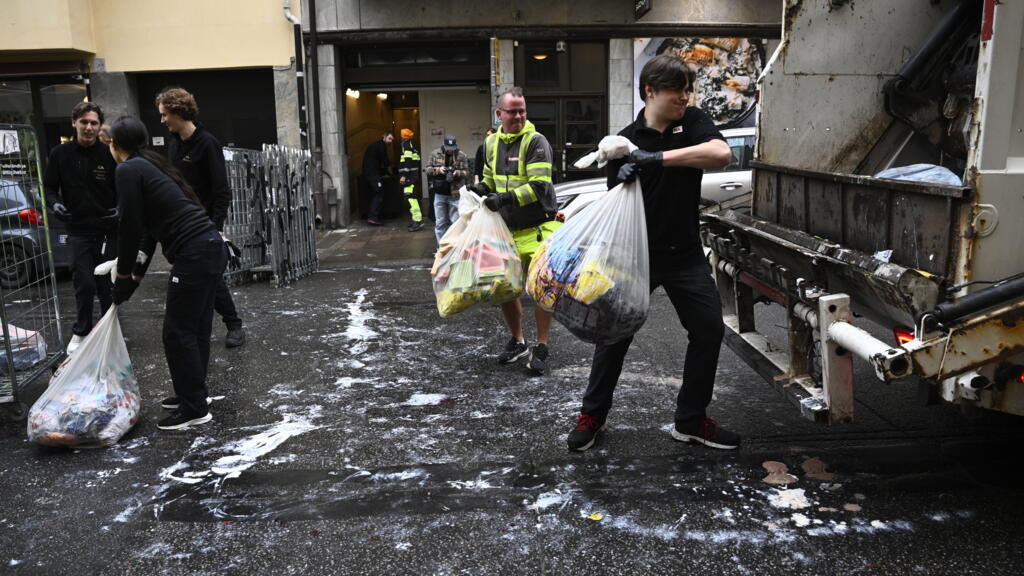
今年10月,一场网络攻击波及数百家超市。周一,比利时、爱沙尼亚、芬兰、爱尔兰、卢森堡、荷兰和瑞典的连锁超市遭遇冷柜和冰柜温度急剧上升,被迫丢弃变质商品。
that affected hundreds of supermarkets in October, market chains in Belgium, Estonia, Finland, Ireland, Luxembourg, the Netherlands and Sweden experienced stark rises in fridge and freezer temperatures on Monday, forcing them to throw away spoilt produce.
包括Almond网络安全咨询公司秘书长安托万·奥坦在内的多名网络安全专家向法新社表示,制冷系统等工业设备过去主要离线运行,如今普遍接入互联网,以便远程监控和管理。
Industrial equipment such as refrigeration systems, once operated largely offline, is now commonly connected to the internet so it can be monitored and managed remotely, cybersecurity specialists including Antoine Hautin, secretary-general of the Almond cybersecurity consultancy, told AFP.
这种联网特性也为攻击者提供了通过数字网络干扰物理系统的途径。
That connectivity can also provide an avenue for attackers to interfere with physical systems through digital networks.
实际影响:法国的这起攻击针对的是丹麦企业丹佛斯生产的冷柜温控系统,许多商店都在使用该系统。
Real-world effects The attack in France targeted a fridge regulation system made by the Danish firm Danfoss, which is used by many shops.
Synacktiv网络安全工程师凯文·泰利耶表示:“大多数情况下,这是通过网页界面完成的。你用密码登录后,就可以选择冷柜的温度。”
"Most of the time, that's done through a web interface. You connect to it with a password and you then have the possibility to choose what the temperature in the fridge is," said Kevin Tellier, cybersecurity engineer at Synacktiv.
他补充说,这些系统“通常位于封闭网络中”,“本不应从互联网访问”,但其中不少系统最终“对任何具备基本知识的人”开放。
While these systems "are normally on a closed network" and "are not supposed to be accessible from the Internet", a number of them ended up being exposed "to anyone with some basic knowledge", he added.
Zscaler网络安全专家奥利维耶·达洛伊表示,如果没有适当的防护,“任何工厂或设备”——从汽车制造商到电力或交通基础设施——只要接入互联网,都可能面临类似风险。攻击是如何实施的?
Without proper protections, "any factory or equipment" connected to the internet – ranging from carmakers to electricity or transport infrastructure – could face similar risks, said Olivier Daloy, a cybersecurity expert at Zscaler. How was it done?
据另一位要求匿名的网络专家称,工业基础设施尤其脆弱,因为它将IT系统与往往老旧的物理设备连接在一起。
According to another cyber expert who requested anonymity, industrial infrastructure is particularly vulnerable because it links IT systems with oft-outdated physical equipment.
通过渗透这些IT系统,黑客可以劫持基础设施,并在现实世界中造成破坏。
By infiltrating those IT systems, hackers can hijack that infrastructure and cause disruption in the real world.
达洛伊指出了两个具体风险:利用技术漏洞,以及使用被盗凭证让黑客得以访问设备。
Daloy highlighted two particular risks: the exploitation of a technical vulnerability and the use of compromised credentials allowing hackers to to the equipment.
他提到2010年的“震网”病毒事件作为过往案例,该病毒导致伊朗用于铀浓缩的离心机群出现一系列故障。
He pointed to the Stuxnet virus in 2010, which caused a series of failures in Iran's centrifuge fleet used for uranium enrichment, as a past example.
法国国家网络安全局局长樊尚·斯特鲁贝尔表示,在法国,10月的网络攻击之所以能够得逞,是因为存在“基本的安全缺陷”。
In France, the October cyberattack was made possible by "basic security shortcomings", according to Vincent Strubel, head of France's National Cybersecurity Agency.
他特别指出,这些冰箱“直接暴露在互联网上……没有任何专门的安全防护,且密码强度很弱”。幕后黑手可能是谁?达洛伊表示,要查明法国此次攻击的幕后黑手“极其复杂”。
In particular, he blamed the fridges' "direct exposure to the internet ... without any particular security and with weak passwords". Who could be behind it? Figuring out who could be behind the attack in France is "extremely complicated", Daloy said.
泰利耶对此表示认同。“可能是任何人。这次攻击并非极其复杂,因此我们无法判断黑客是否拥有大量资源。”一位安全消息人士告诉法新社,对此次入侵事件的调查将“在事件本身结束后持续很长时间”。
Tellier agreed. "It could be anybody. The attack was not extremely sophisticated, so we cannot determine whether the hackers have significant resources or not." One security source told AFP that the investigation into the breach will "extend far after the event itself".
法国2025年的一份国家安全文件将此类攻击列为“必须优先应对的威胁之一”。
A 2025 French national security document identified such attacks as "one of the threats that must be treated as a priority".
该文件称:“这些事件凸显了食品供应链在 cyberattacks 面前的脆弱性”,其后果影响深远。 图片:A PROPOS © FRANCE 24
"These incidents highlight how vulnerable food supply chains are to cyberattacks," with far-reaching consequences, the document said. Cover image: A PROPOS © FRANCE 24