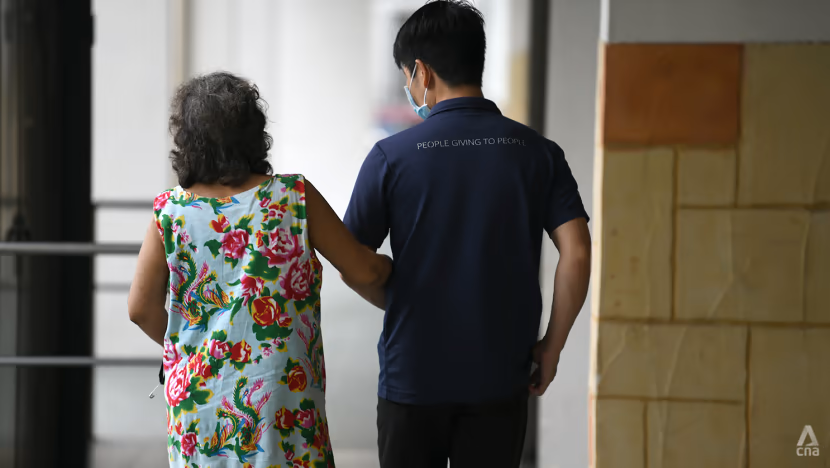
新加坡:今年早些时候,新加坡首次发布家庭财富数据,提供了比仅靠家庭收入数据更完整的图景。
SINGAPORE: Earlier this year, Singapore released data on household wealth for the first time, providing a more complete picture than household income data alone.
尽管过去十年实际收入有所增长,但家庭财富的很大一部分以住房和中央公积金(CPF)储蓄形式持有,尤其是在中低收入家庭中。这两个相对受限的资产池在低财富家庭总财富中占比约90%,即便在中等财富家庭中也占80%至85%。
Though real incomes have grown in the last decade, a significant portion of household wealth is held in housing and Central Provident Fund (CPF) savings, especially among lower- and middle-income households. Those two relatively constrained asset pools account for about 90 per cent of total wealth in lower-wealth households, and around 80 per cent to 85 per cent even for a middle household.
如果财富被锁定在流动性差的资产中,一场疾病或突如其来的照护责任可能暴露出财务脆弱性——从即时医疗费用到长期健康开支及收入损失。
If wealth is tied in illiquid assets, an illness or unexpected caregiving duty may expose a financial vulnerability – from immediate medical costs to long-term health expenses and income loss.
新数据告诉我们新加坡家庭拥有多少财富,同时也提出了一个重要问题:当长寿可能是一把双刃剑时,这些财富究竟能提供多少财务韧性?
The new data tells us how much wealth Singapore households have and also raises an important question: How much financial resilience does that wealth actually provide when longevity can be a double-edged sword?
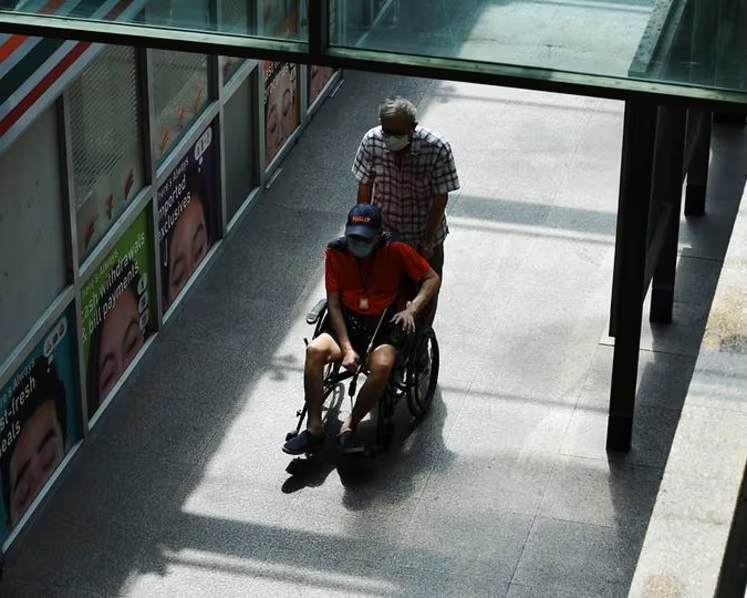
一名年长照护者推着坐轮椅的老人上坡道。 财务拮据的压力 新加坡出生时预期寿命已升至约84岁,位居世界前列,但新加坡人仍有大约十年时间处于不健康状态。那些活到65岁的人——从2029年1月1日起,这将成为法定退休年龄——平均还可再活21.6年。
An elderly caregiver pushing a senior in a wheelchair up a ramp. (File photo: Calvin Oh) THE STRESS OF FINANCIAL PRECARITY Life expectancy at birth in Singapore has risen to about 84 years, among the highest in the world, yet Singaporeans still spend roughly a decade of those years living in ill health. Those who reach age 65, which will be the retirement age from Jan 1, 2029 can expect to live another 21.6 years on average.
必须明确的是,鉴于高房屋拥有率和强制储蓄,新加坡大多数家庭并未陷入即时的贫困或赤贫。与此同时,越来越多的家庭表示感到财务拮据。
To be clear, most households in Singapore are not in immediate poverty or destitution, given high home ownership and mandatory savings. At the same time, a growing share of families report feeling financially stretched.
这种拮据感不一定等同于财务脆弱。但对能否承受意外财务冲击的担忧,仍可能沉重地压在老龄化家庭心头。老龄化新加坡人的财务脆弱性通常具有三个特征:首先,收入下降的速度快于支出,尤其是转为兼职工作或因病完全无法工作时。
That stretched feeling does not necessarily amount to financial precarity. But worries about whether they can absorb an unexpected financial shock can still weigh heavily on ageing households. Financial precarity for ageing Singaporeans often has three features: First, incomes fall faster than expenses, especially if switching to part-time work or when illness curtails work altogether.
其次,医疗、照护和水电等基本开支在家庭预算中占比不断上升,留给储蓄的空间所剩无几。
Second, essential costs such as healthcare, caregiving and utilities take up a rising share of the household budget, leaving little room for savings.
第三,除住房和公积金(CPF)外,家庭鲜有流动性财富,一旦出状况,可动用的手段寥寥无几。
Third, there is limited liquid wealth outside the home and CPF, so households have few levers to pull when things go wrong.
研究表明,财务脆弱性与慢性压力、延误就医和较差的心理健康相关。时刻为生计发愁的家庭,更倾向于推迟看病、错过复诊或拖欠药费。
Financial precarity has been shown to be associated with chronic stress, delayed care-seeking and poorer mental health. Households that constantly worry about making ends meet are more likely to postpone seeing a doctor, skip follow-ups or default on medication.
保险覆盖与负担能力 理论上,保险应是降低这种脆弱性的关键工具。新加坡有意构建了分层体系,涵盖作为全民基本住院保障的 MediShield Life( MediShield Life,全民医疗保障计划),作为退休收入保障的 CPF LIFE( CPF LIFE,公积金终身领取计划),作为长期护理保障的 CareShield Life( CareShield Life,长期护理保障计划),以及各类自愿性计划和商业保险产品。
INSURANCE COVERAGE AND AFFORDABILITY Insurance should, in theory, be a key tool to reduce this precarity. Singapore has consciously built a layered system to include MediShield Life as universal basic hospital coverage, CPF LIFE for retirement income, CareShield Life for long-term care, and a mix of voluntary schemes and private products.
但实际情况更为复杂,年长新加坡人在保障覆盖面和保费负担能力方面面临艰难的权衡。
The reality on the ground is more nuanced, with difficult trade-offs in coverage and affordability for older Singaporeans.
无论是国有化计划还是商业计划,保费都随年龄上涨。保费按精算确定,各年龄段自行承担其预期赔付,因此老年人因住院可能性更大、账单金额更高,而需缴纳更高保费。
Premiums rise with age – be it nationalised schemes or commercial plans. Premiums are actuarially determined, with each age group paying for its own expected claims, so seniors pay more because they are more likely to be hospitalised and incur larger bills.
每年获得 MediShield Life 赔付的 65 岁以上人士数量多于其他年龄段人群,且老年群体的赔付申请和赔付金额增速远快于年轻群体。
More individuals over 65 years old receive MediShield Life payouts each year compared to the rest of the population, and claims and payouts for seniors have grown much faster than for younger age groups.
一旦停止全职工作,不断上涨的保费便难以维持。针对 MediShield Life,政府为老年人补贴了大部分保费,并为先锋世代和建国世代提供 MediSave(医疗储蓄户头)注资,以维持基本保障的可负担性。
Rising premiums become difficult to sustain once people stop full-time work. For MediShield Life, the government subsidises a significant portion of seniors’ premiums and provides MediSave top-ups for Pioneer and Merdeka Generation cohorts to keep basic cover affordable.
私人保险计划可能成为财务压力点。这些包括在 MediShield Life(终身医保)基础上提供额外保障的综合医疗保险计划(IP)、IP 附加险,甚至独立的重大疾病保险和长期护理保险。
Private plans can become a financial pressure point. These include Integrated Shield Plans (IP) which offer coverage on top of MediShield Life, add-on IP riders, or even standalone critical illness and long-term care policies.
在 9 月的国会答复中,卫生部表示,私人保险降级和终保的数量有所增加,而保费持续上涨:对于 IP,2025 年有 128,200 份,高于 2023 年的 99,000 份。同期 IP 附加险的数量翻了一倍多,达到 181,800 份。卫生部称,不追踪放弃保险计划的原因,这可能包括负担能力担忧,或根据需求和情况调整保障范围。
In a September parliamentary reply, the Ministry of Health said the number of private insurance downgrades and discontinuations had increased while premiums continue to rise: For IPs, there were 128,200 in 2025, up from 99,000 in 2023. For IP riders the number more than doubled to 181,800 over the same period. MOH said it does not track the reasons for giving up insurance plans, which could include affordability concerns or right-sizing coverage to needs and circumstances.
权衡在于,感到经济拮据的老年人可能会选择减少保险开支,而他们放弃的保障可能会让他们在面临重大健康冲击时,更多地暴露于自付费用风险中。
The trade-off is that seniors who feel financially stretched may choose to spend less on insurance, and the coverage they give up could potentially leave them more exposed to out-of-pocket costs from a major health shock.
值得肯定的是,政府一直在调整政策,加强退休储蓄和医疗缓冲。55 至 65 岁工人的公积金缴纳率已于 2026 年上调(并计划于 2027 年 1 月 1 日再次上调),同时为余额较低的年长新加坡人提供一次性公积金注资,并扩大长期护理补贴。
To its credit, the government has been adjusting policy, bolstering retirement savings and healthcare buffers. CPF contribution rates for workers aged 55 to 65 were raised in 2026 (and are scheduled to increase again on Jan 1, 2027), with a one-off CPF top-up for older Singaporeans with lower balances and expansion of subsidies for long term care.
关于金钱的对话 新加坡人需要的支持不仅要足够慷慨,还要简单、可预测,让普通家庭能围绕它从容规划。
CONVERSATIONS ABOUT MONEY Singaporeans need support that is not only generous enough, but also simple and predictable for ordinary families to plan confidently around it.
对各项国家计划或针对性项目(无论是现行的还是预测未来的)提供的支持有一个单一、清晰的全貌,将让家庭了解能期待什么、何时能期待,并能更有把握地规划。
A single, clear view of support across various national schemes or targeted programmes, current or projected forward, would let families understand what they can expect and when, and plan with greater certainty.
尽管如此,老年的财务韧性一部分靠政策支持,一部分靠个人准备。这意味着更好地了解自己的当前财务状况,以及自己拥有或能建立哪些缓冲。
Still, financial resilience in old age is part policy support and part personal preparation. This means understanding one’s current financial standing better and what buffers one has or can build.
整张资产负债表是什么样的?许多新加坡人知道自己的月薪,但很少有人对自己的净财富及其随时间可能发生的变化有清晰的认识。花时间列出资产和负债,并了解当前的公积金(CPF)和医疗储蓄(MediSave)余额在65岁、75岁和85岁时分别相当于多少,可以将模糊的焦虑转化为可采取行动的具体数字。
What does the whole balance sheet look like? Many Singaporeans know their monthly salary, but far fewer have a clear sense of their net wealth and how it might evolve over time. Taking the time to list assets and liabilities, and to understand what current CPF and MediSave balances translate into at age 65, 75 and 85, can turn vague anxiety into concrete numbers that can be acted on.
实际需要时,其中有多少可以动用?缓冲资金应被视为需要刻意积累的东西,而非听天由命。这包括在计划提供配套供款时,优先进行小额、定期的医疗储蓄或退休账户追加供款。
How much of this can be drawn on when actually needed? Buffers should be treated as something to be built deliberately rather than left to chance. This includes prioritising small, regular top-ups to MediSave or retirement balances when schemes match those contributions.
住房无需被视为要么不可动用,要么一有机会就变现。房屋的价值也在于社区中变得在晚年愈发重要的社会联系和支持网络。
Housing does not need to be treated as either untouchable or something to cash out at the first opportunity. The value of a home lies also in the social ties and support networks in the community that become important in old age.
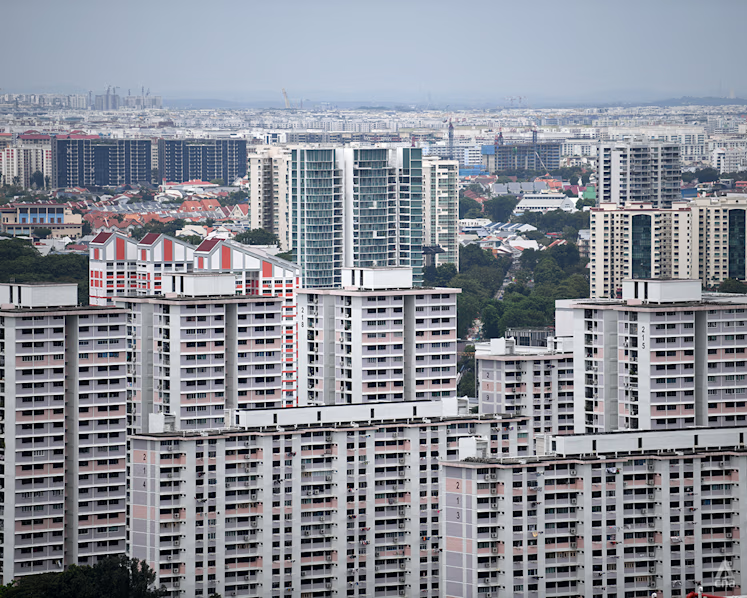
新加坡建屋发展局(HDB)组屋。 就近换购较小或不同类型的组屋,或使用租约回购计划等选项,可以在保持家人和熟悉的支持网络在身边的同时释放部分资产净值。长者也应提前规划,如何将任何所得收益构建为可在数十年间稳定提供支持的结构,而不是在早期一次性花光一大笔钱。
Housing and Development Board (HDB) flats in Singapore. (File photo: CNA/Calvin Oh) Options like rightsizing to a smaller or different type of flat nearby, or using the Lease Buyback Scheme can release some equity while keeping family and familiar support networks near. Seniors should also plan ahead as to how any proceeds could be structured to support them steadily over decades, rather than spent as a single lump sum early on.
计划还依赖谁?在新加坡文化中,与家人谈论养老和金钱可能被视为禁忌。但父母、兄弟姐妹或成年子女应讨论谁能提供何种照护、有哪些资源可用,以及个人意愿。这有助于防止在匆忙或被迫的情况下做出艰难的财务和照护决策。
Who else does the plan depend on? In Singapore culture, having conversations about ageing and money with families may feel taboo. But parents, siblings or adult children should discuss who can provide what kind of care, what resources exist, and personal wishes. This can help prevent making difficult financial and caregiving decisions in a rush or under duress.
长寿常被视为喜事,但对于财务缓冲薄弱的家庭来说,每多活一年都可能像走钢丝。我们作为老龄化社会成功与否的真正考验,将在于家庭能否以安全感和尊严展望他们的70岁和80岁。
Longer lives are often celebrated, but for households with thin financial buffers, each extra year can feel like a financial tightrope. The real test of our success as an ageing society will be whether families can look to their 70s and 80s with a sense of security and dignity.
Muhammad Daniel Azlan bin Mahadzir 是新加坡健康-杜克-国大全球健康研究所全球健康创新负责人。Stanley Sia 是新加坡国立大学2025届杰出高级研究员。
Muhammad Daniel Azlan bin Mahadzir is Global Health Innovation Lead at SingHealth Duke-NUS Global Health Institute. Stanley Sia is a 2025 cohort of Distinguished Senior Fellow at National University of Singapore.