在迈阿密的小海地(Little Haiti),一名哀悼母亲且难以找到稳定工作的男子在唐纳德·特朗普的政治中看到了机会。这位总统关于海地移民的不实言论并没有动摇他的支持。对于这名被称为“布拉德”(Blood)的男子来说,在期中选举前夕,最重要的是获得谋生机会的承诺。
In Miami’s Little Haiti, a man mourning his mother and struggling to find steady work sees opportunity in Donald Trump’s politics. The president’s false claims about Haitian immigrants have not shaken his support. For the man known as Blood, what matters jus before the midterm elections is the promise of a chance to earn a living.
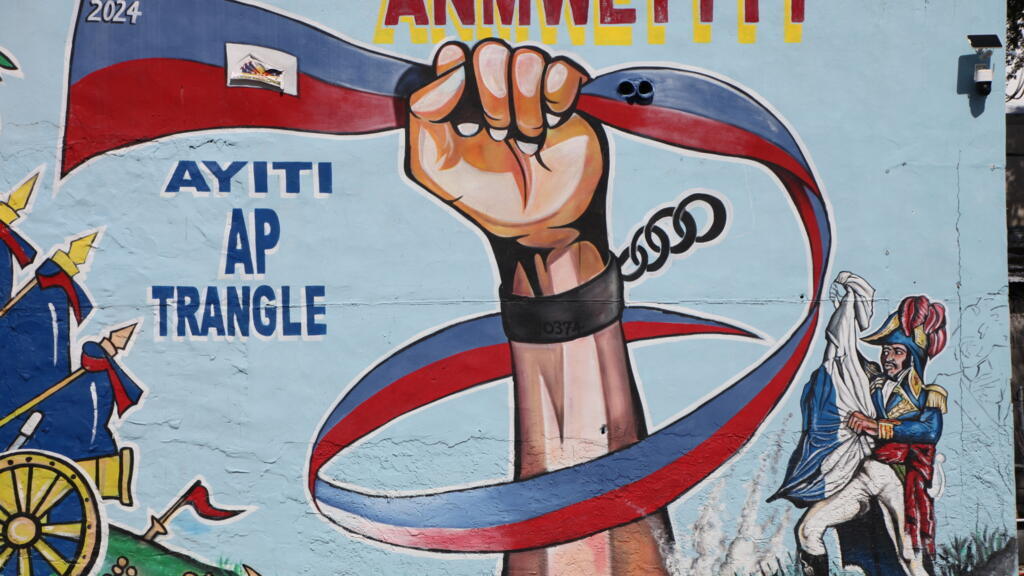
迈阿密小海地的一幅壁画,描绘了该岛如何挣脱法国占领的枷锁。2026年11月2日。© RFI/Jan van der Made布拉德说他很悲伤。他的母亲去年死在他的怀里,享年68岁。他说道:“她不老,但也不年轻。”她一直在为钱担忧,并患有高血压。母亲的离世让他大受打击,以至于他至今仍未找到稳定的工作。他补充道:“我一直都在这里,在街上。”
Mural in Little Haiti, Miami, depicting how the island broke the yoke of French occupation. 2 November 2026. © RFI/Jan van der Made Blood says he is sad. His mother died in his arms last year, aged 68. "She was not old, but not young either," he says. She had been worrying about money and suffered from high blood pressure. Her death left him so shaken that he has yet to find steady work. "I’m always here, on the streets," he adds.
这是期中选举前夕的下午,地点位于迈阿密市中心以北的小海地,这里是海地侨民的文化腹地。街道依然很安静。
It is the afternoon on the eve of the mid term elections in Little Haiti, a neighbourhood north of central Miami and a cultural heartland of the Haitian diaspora. The streets are still quiet.
住在佛罗里达州迈阿密小海地的德万特(Devante),人称“布拉德”,他说他可能会投票给特朗普。© RFI/Jan van der Made文化中心以及马普克里奥尔语和法语书店(Libreri Mapou Creole & French Bookstore)都关着门。这个街区将在当天晚些时候才热闹起来。目前,只有少数几家出售钻头和其他工具备件的小店开着。
Devante AKA “Blood,” who lives in Little Haiti, Miami, Florida, says he may vote for Trump. © RFI/Jan van der Made The cultural centre and the Libreri Mapou Creole & French Bookstore are closed. The neighbourhood will come to life much later in the day. For now, only a handful of small shops selling spare parts for drills and other tools are open.
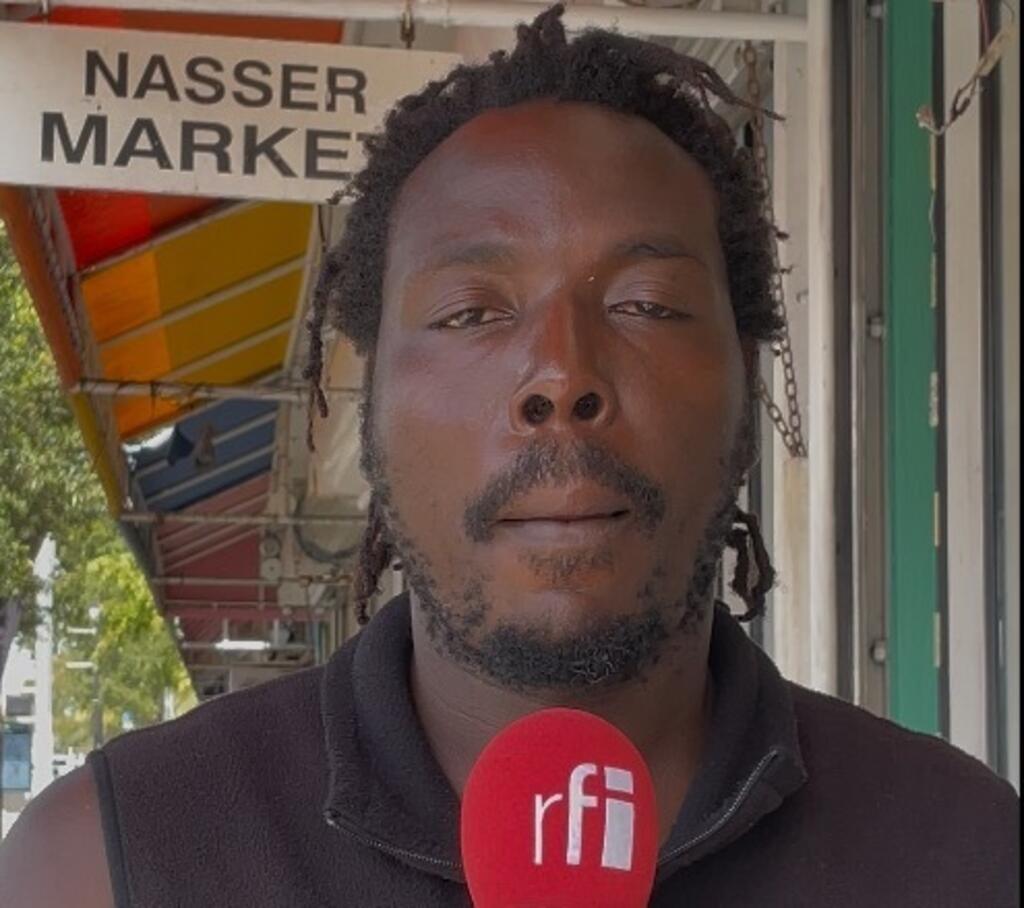
布拉德透露他的真名叫德万特(Devante),并称他的绰号来自洛杉矶一个名为罗林二十代血帮(Rollin’ Twenties Bloods)的街头帮派。
Blood, who gives his real name as Devante, says his nickname comes from a Los Angeles street gang known as the Rollin’ Twenties Bloods.
他身高近两米,身形高大威猛。在他说话时,路人纷纷向他恭敬地打招呼。经济困顿布拉德长大的这个街区,是海地移民在20世纪70年代前后在迈阿密柠檬城(Lemon City)一带定居时逐渐形成的。
Almost two metres tall, he cuts an imposing figure. As he talks, passers-by greet him respectfully. Economic hardship The neighbourhood where Blood grew up took shape as Haitian migrants settled around Miami’s Lemon City area during the 1970s.
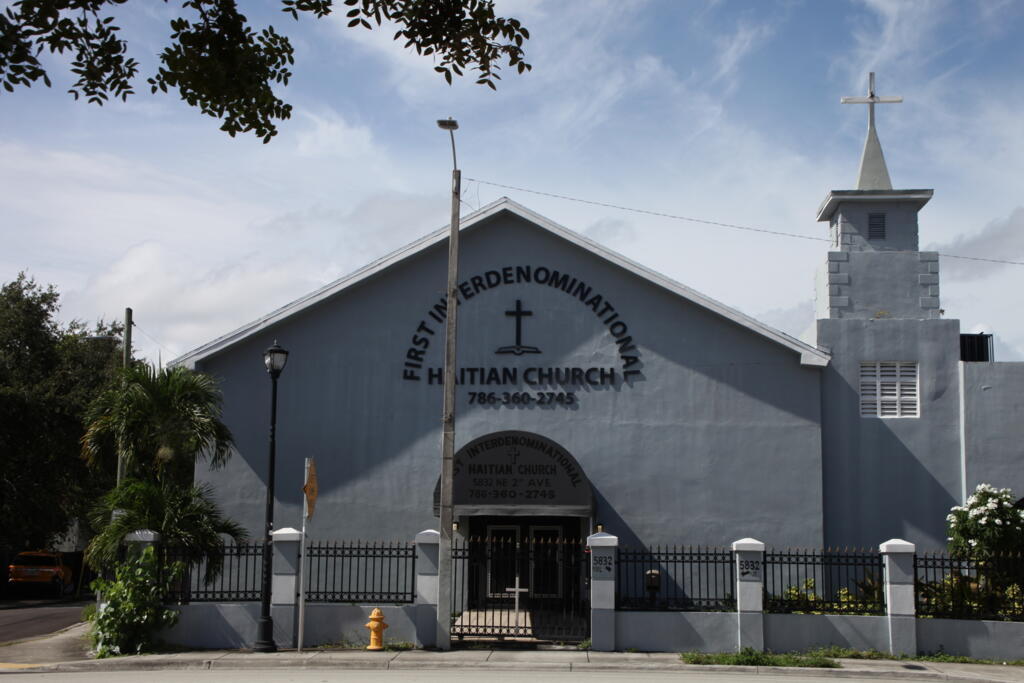
迈阿密小海地的第一跨宗派海地教堂,2024年11月2日。© RFI/Jan van der Made许多人当时是为了逃离弗朗索瓦·“爸爸·多克”·杜瓦利埃(François ‘Papa Doc’ Duvalier)及其儿子让-克洛德·“小多克”·杜瓦利埃(Jean-Claude ‘Baby Doc’ Duvalier)残酷独裁统治下的政治镇压和经济困顿。他们的迁徙紧随一段漫长的剥削与政治动荡历史之后。海地于1804年在一场反奴隶制起义成功后,从法国赢得独立。
First Interdenominational Haitian Church, Little Haiti, Miami, 2 November 2024. © RFI/Jan van der Made Many were fleeing political repression and economic hardship under the ruthless dictatorships of François ‘Papa Doc’ Duvalier and his son, Jean-Claude ‘Baby Doc’ Duvalier. Their migration followed a long history of exploitation and political upheaval. Haiti won independence from France in 1804 after a successful uprising against slavery.
1825年,在法国军舰的威胁下,海地同意向法国支付1.5亿法郎,以补偿前殖民者声称失去的财产——包括被奴役的人。这些赔款及相关借贷耗尽了这个新生共和国的资源。
In 1825, under threat from French warships, it agreed to pay France 150 million francs to compensate former colonists for the property they said they had lost — including enslaved people. The payments and associated borrowing drained resources from the new republic.
一个多世纪后,杜瓦利埃政权助推了海地人接连不断地外流,其中包括前往佛罗里达南部。
More than a century later, the Duvalier regimes helped drive successive waves of Haitians abroad, including to South Florida.
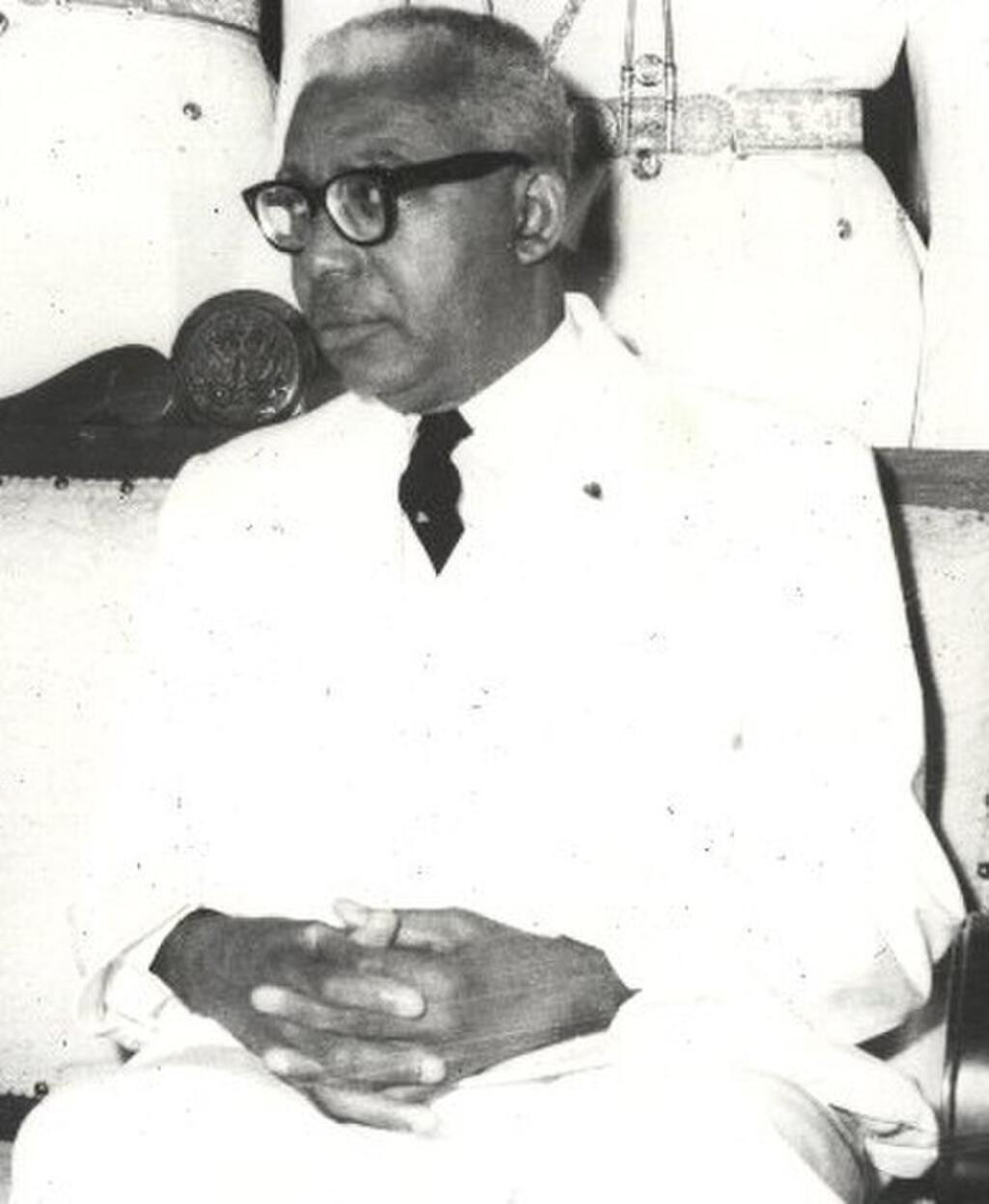
海地总统弗朗索瓦·杜瓦利埃(即“老杜瓦利埃”)在其加冕为终身总统时的照片,海地太子港,1963年。© 维基共享资源2003年,海地总统让-贝特朗·阿里斯蒂德要求法国赔偿210亿美元,但一年后他在一场政变中被推翻,他声称该政变由法国和美国策划。猫和狗雪上加霜的是,特朗普在2024年9月与卡玛拉·哈里斯的电视总统辩论中针对海地人,重复了一项关于俄亥俄州斯普林菲尔德移民的虚假指控。
Haitian president François Duvalier (a.k.a. Papa Doc) at his coronation as president for life, Port-au-Prince, Haiti 1963. © wikimedia commons In 2003, Haitian President Jean-Bertrand Aristide demanded $21 billion as compensation from France, but he was deposed in a coup one year later, which he claimed was orchestrated by France and the US. Cats and Dogs To add insult to injury, Trump, during his televised presidential debate with Kamala Harris in September 2024, targeted Haitians, repeating a false claim about immigrants in Springfield, Ohio. "In Springfield, they’re eating the dogs.
“在斯普林菲尔德,他们在吃狗。进来的人,他们在吃猫。他们在吃——他们在吃住在那里的人的宠物。”海地国内外民众担忧美国保护结束带来的后果这番言论激起愤怒,并推动动员海地裔美国选民反对特朗普。
The people that came in, they’re eating the cats. They’re eating — they’re eating the pets of the people that live there." Haitians at home and abroad fear fallout from end of US protection The remarks prompted anger and efforts to mobilise Haitian-American voters against Trump.
据佛罗里达大学政治学系主任丹尼尔·史密斯称,2024年佛罗里达南部约7万名海地裔选民中,73%登记为民主党人,仅4%登记为共和党人。但布拉德对此无动于衷。
According to Daniel Smith , chairman of the University of Florida’s political science department, 73 percent of the about 70,000 Haitian voters in South Florida registered as Democrats in 2024, against only 4 percent as Republicans. But Blood is unmoved.
“对我来说,特朗普就像个演员,”他说。“所以,有时他只是为了占据头条才说那些话。我见过特朗普和海地人在一起。我觉得那只是假新闻和宣传。”被问及选举时,布拉德说他会投票给特朗普,或支持他的候选人。
"To me, Trump is like an actor," he says. "So, sometimes, he just saying things just to flood the headlines. I’ve seen Trump with Haitians. I feel like that’s just fake news and propaganda." Asked about elections, Blood says he would vote for Trump, or for candidates who support him.
“为什么?很多人觉得他是种族主义者,但这家伙其实并不是种族主义者,”他说。
"Why? A lot of people think he a racist, but the dude isn’t really a racist," he says.
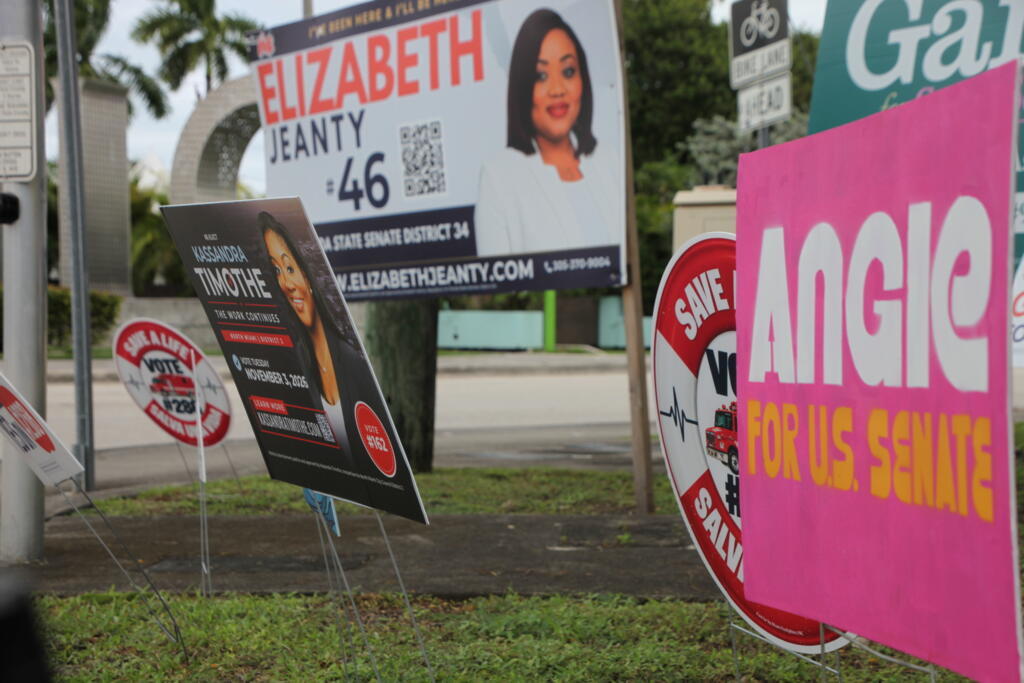
迈阿密小海地一条街道上美国中期选举的竞选海报。© RFI/Jan van der Made在布洛德看来,特朗普尊重有钱的人——或者正在努力赚钱的人。他认为,只要有人准备好努力拼搏,特朗普就会站在他们这一边。“你只需要利用好给你的机会。”
Election posters for the US Midterms on a street in Little Haiti in Miami. © RFI/Jan van der Made In Blood’s view, Trump respects people who have money — or are trying to make it. As long as someone is prepared to hustle, he believes, Trump is on their side. "You just got to take advantage of the opportunities you’re given."