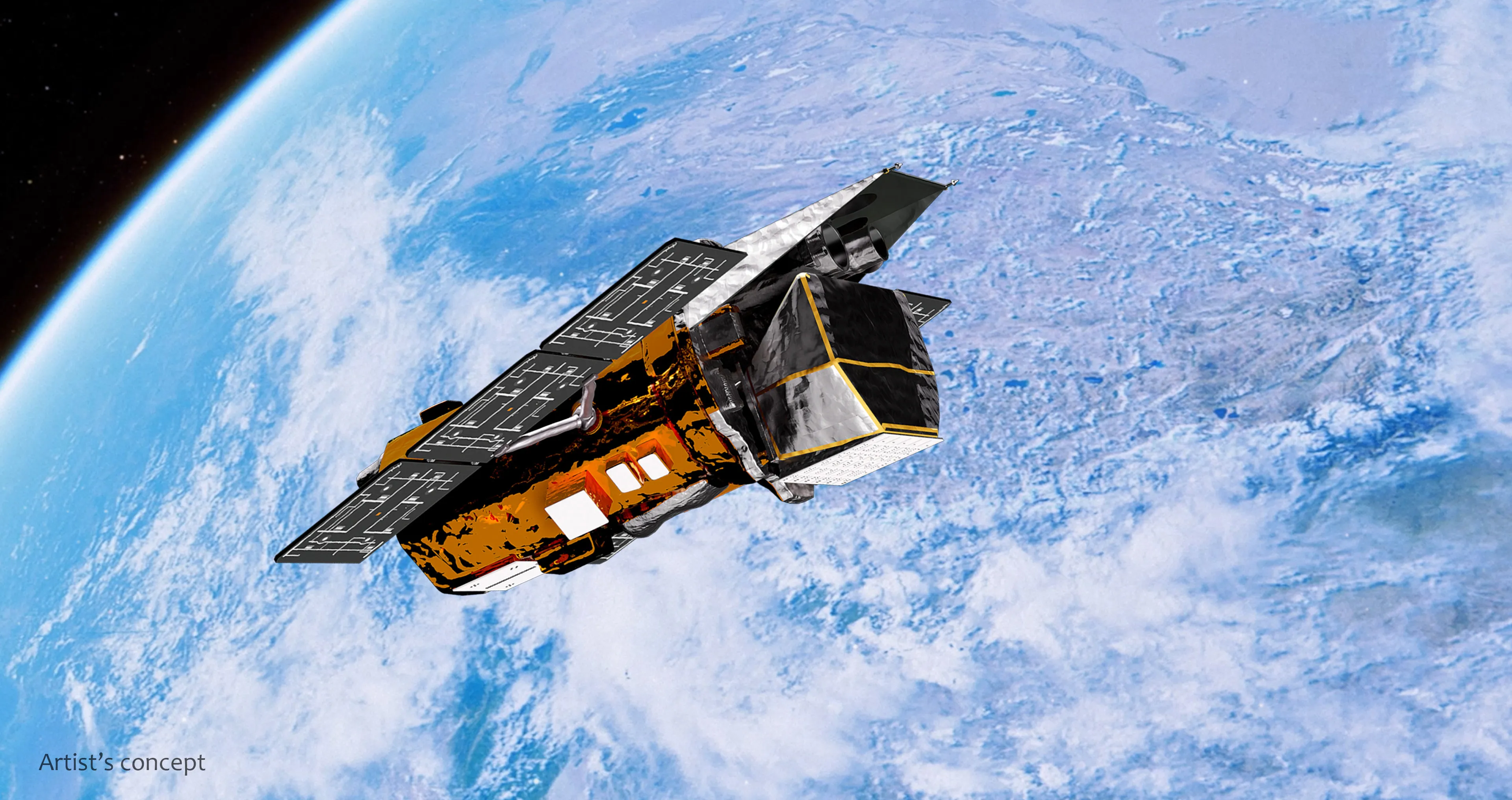
在轨道上运行了22年、且今夏一项抢救任务失败后,尼尔·格雷尔斯·斯威夫特天文台极有可能在下周某个时候坠落地球。这艘航天器——体积大致相当于一台大型电梯——将落在星球何处尚不得知。尽管体积不小,专家表示对公众的风险相对较低。
After 22 years in orbit and a failed rescue mission this summer, it is highly likely that the Neil Gehrels Swift Observatory will crash into Earth sometime next week. It is not known where on the planet the spacecraft—which is roughly as big as a large elevator—will fall. Despite its size, experts say the risk to the public is relatively low.
曾长期为科学界带来极大价值的它,如今已成一堆毫无用处的太空垃圾。2004年11月20日发射的“斯威夫特”是一座配备三台望远镜的空间天文台。其主要设计目的是探测和研究伽马射线暴,后者属于宇宙中能量最剧烈的爆发现象之一。“斯威夫特”会定位这些事件,并将位置传送给世界各地的天文台以便进一步研究。
What is now a useless piece of space junk was for a long time extraordinarily valuable to the scientific community. Launched on November 20, 2004, Swift was a space observatory equipped with three telescopes. It was designed primarily to detect and study gamma-ray bursts, which are among the most energetic explosions in the universe. Swift would locate these events and transmit their positions to observatories around the world for further study.
该天文台原设计在近地轨道运行数年,但实际寿命远超预期,助力了许多关于宇宙演化的重大发现,包括对超新星和恒星被黑洞吞噬的研究。然而,2024年太阳活动增强加热并膨胀了地球大气层上层,增加了卫星受到的阻力,加速了其下坠。因缺乏能够修正轨道的推进系统,其寿命已屈指可数。
The observatory was designed to operate for a few years in low Earth orbit, but it far exceeded its expected lifespan, helping to make many important discoveries about the evolution of the cosmos, including the study of supernovas and the destruction of stars by black holes. However, in 2024, increased solar activity heated and expanded the upper layers of Earth’s atmosphere, increasing the drag on the satellite and accelerating its descent. Without a propulsion system capable of correcting its orbit, its days were numbered.
2026年7月,美国国家航空航天局(NASA)发射了一项耗资3000万美元的专门抢救任务。一艘名为“LINK”的机器人航天器本应将“斯威夫特”拖离地球150英里(约241公里),使其进入更高轨道从而延长运行寿命。遗憾的是,“LINK”失败了。8月,NASA局长贾里德·艾萨克曼解释称,导致任务取消的困难源于航天器控制系统出现问题,导致无法使其在太空中保持正确姿态和稳定。
In July 2026, NASA launched a special $30 million mission to rescue Swift. A robotic spacecraft called LINK was supposed to drag Swift away from Earth by 150 miles, giving it a higher orbit and thus extending its operational life. Unfortunately, LINK failed. In August, NASA administrator Jared Isaacman explained that the difficulties that led to the mission’s cancellation were due to problems with the spacecraft’s control system, which made it impossible to keep it properly oriented and stable in space.
10月26日,美国国家航空航天局(NASA)宣布,“斯威夫特”卫星距离地球表面不足170英里(约274公里)——这对一颗卫星而言属于极低轨道。该机构表示,卫星上的望远镜已无法对天文目标保持稳定观测。“斯威夫特”于10月20日完成最后一次观测,随后位于宾夕法尼亚州立大学的运营团队终止了其运行状态。
On October 26, NASA announced that Swift was less than 170 miles from Earth’s surface—a very low orbit for a satellite. According to the agency, the telescopes on board could no longer maintain stable observations of their astronomical targets. Swift conducted its final observation on October 20, then the operations team based at Pennsylvania State University terminated its operational status.
“斯威夫特为国家带来了令人难以置信、持久的投资回报,其设计主任务仅两年,却高效运行了超过10倍的时长,”NASA总部天体物理学部主任肖恩·多马加尔-戈德曼在一份声明中说。“在此期间,‘斯威夫特’在推动我们对变化着的宇宙的理解方面发挥了重要作用,并参与了一场天体物理学革命,展示了快速响应观测对整个科学界的关键意义。”
“Swift delivered an incredible, lasting return on investment for the nation, designed for a two-year primary mission but productive for more than 10 times as long,” Shawn Domagal-Goldman, director of the Astrophysics Division at NASA headquarters in Washington, said in a statement. “In that time, Swift played a major role in advancing our understanding of the changing universe and was part of a revolution in astrophysics that showed how critical rapid-response observations are to the entire community.”
在其生命周期内,该卫星观测了2000多次伽马射线暴和近乎同等数量的超新星,相关数据促成了7000多篇研究论文的发表。而它的贡献远未结束。多马加尔-戈德曼补充道:“‘斯威夫特’留下了一个非凡的多波段观测档案库,将在未来几十年里继续推动新发现。”再入大气层将发生什么?
In its lifetime, the satellite observed over 2,000 gamma-ray bursts and nearly as many supernovas, data from which contributed to more than 7,000 research papers. And its contributions are far from over. “Swift leaves us with an extraordinary archive of multiwavelength observations that will fuel new discoveries for decades more,” Domagal-Goldman added.
美国太空军估计,“斯威夫特”极有可能在11月6日(周五)前后坠落——或者说,卫星的残骸将在那时坠落。大部分空间天文台预计将在再入大气层时解体。然而,NASA该任务首席科学家布拉德·岑科告诉美联社,一些由钨制成的部件和部分镜片可能在混乱的过程中幸存下来。
What to Expect From the Reentry?
“最有可能幸存下来的是它的六个重型反作用轮,即它用来瞄准自身的旋转飞轮,以及透镜和反射镜等更坚固的望远镜部件,”Accu Components的质量经理兼航空航天工程师Dean Sladen对Space.com表示。“预计只有少量微小、烧焦的碎片会落下来——没有任何可辨认的望远镜部件。”
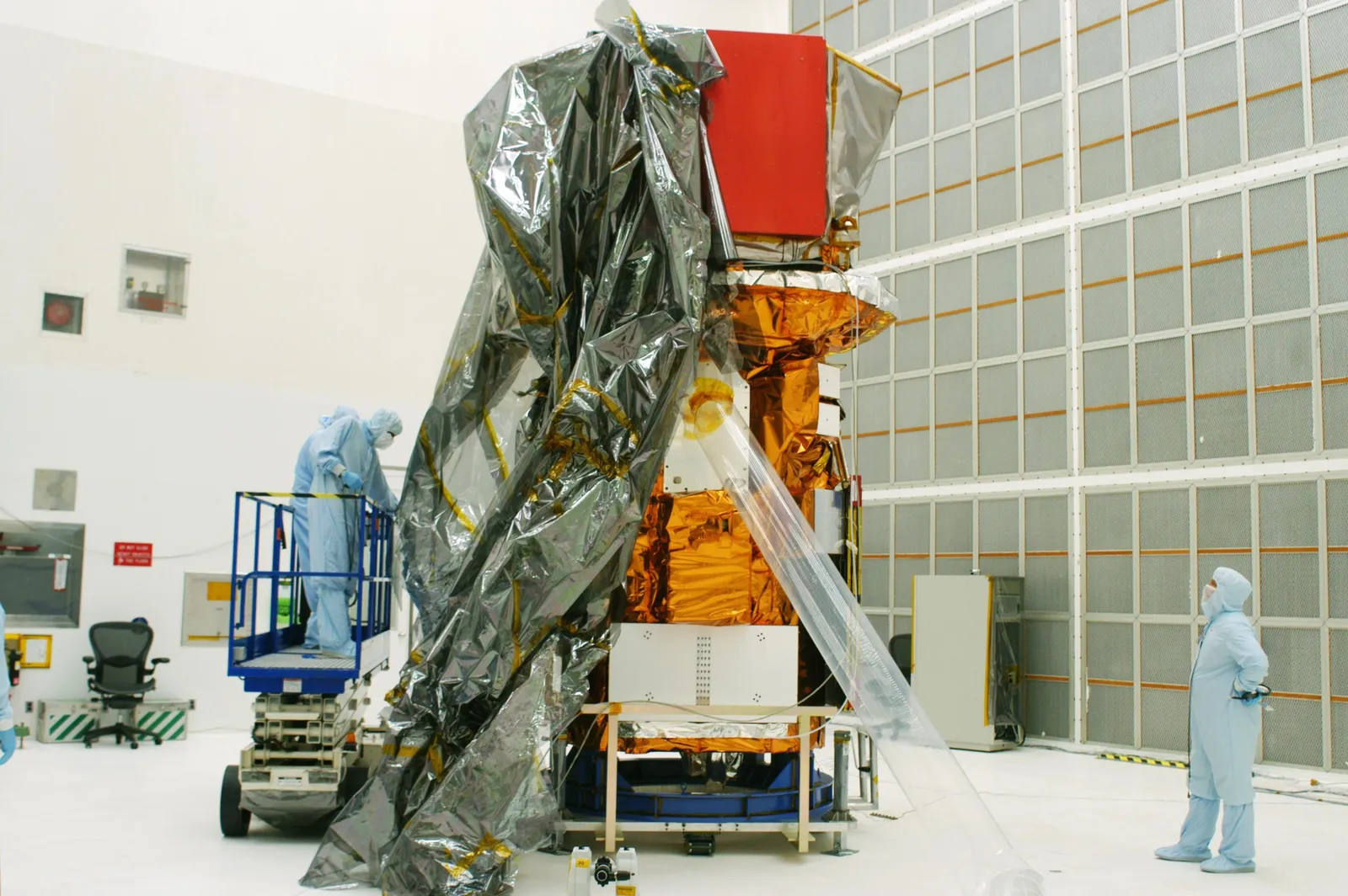
The US Space Force estimates Swift is likely to crash on or around Friday, November 6—or at least whatever remains of the satellite will. Most of the space observatory is expected to disintegrate as it reenters the atmosphere. However, some pieces made of tungsten and parts of the mirrors could survive that chaotic process, Brad Cenko, NASA’s chief scientist for the mission, told the Associated Press.
这些碎片究竟会落在哪里?美国太空军监测的再入区域覆盖非洲、澳大利亚、印度、东南亚以及中美洲和南美洲的大片区域。如果有更精确的计算,该信息尚未公开,但Swift剩余的所有碎片极有可能都会落入海洋。
“The most likely survivors are its six heavy reaction wheels, the spinning flywheels it used to aim itself, along with tougher telescope parts such as lenses and mirrors,” Dean Sladen, a quality manager and aerospace engineer at Accu Components, said to Space.com. “Only a handful of small, scorched fragments are expected to make it down—nothing recognizable as a telescope.”Where exactly will that debris fall? Large areas of Africa, Australia, India, Southeast Asia, and Central and South America fall within the reentry zone monitored by the Space Force. If there is a more precise calculation, that information has not been made public, but it’s most likely that all Swift’s remaining pieces will end up in the ocean.
“NASA自身的轨道碎片要求规定,幸存碎片导致人员伤亡的风险不得超过万分之一,因此这项工作极有可能已完成但未公布,”Sladen在谈到风险评估时表示。“我个人认为应该公布,就像NASA对以往卫星所做的那样。风险几乎可以肯定非常小,但这能让人们获得清晰、基于事实的图景,而不是靠猜测。” 本文最初发表于《连线》西班牙语版,并由西班牙语翻译而来。
“NASA's own orbital debris requirements state that the risk of human casualty from surviving debris shall not exceed one in 10,000, so it is highly likely this work has been completed but not published,” Sladen said regarding the risk assessment. “Personally, I believe it should be published, as NASA has done with previous satellites. The risk is almost certainly very small, but it would give people a clear, factual picture rather than guesswork.”This story originally appeared on WIRED en Español and has been translated from Spanish.